Key takeaways:
Seeds like chia, hemp, and flax provide a lot of nutrition into a small serving.
All seeds provide protein, fiber, and healthy fats. They also have important antioxidants and minerals.
Together, these nutrients help reduce inflammation and support your heart, digestion, and weight.
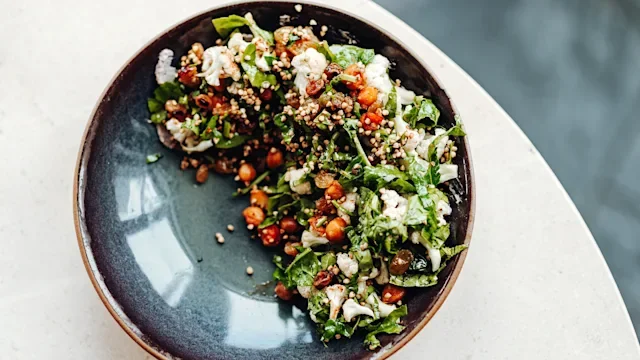
Many types of seeds are easy to eat on their own. You can also add seeds to foods you already eat, like salads, grain bowls, oatmeal, smoothies, and yogurt.
Seeds are one of the easiest ways to boost the nutrition of your meals. They’re full of healthy fats, fiber, and protein that support heart and digestive health. They’re also easy to add to all kinds of foods you already eat.
If seeds aren’t part of your routine yet, now’s a good time to give them a closer look. Here are some of the healthiest seeds to eat and simple ways to add them to your diet.
1. Flaxseeds
If it seems like flaxseeds are popping up in all kinds of foods and drinks, you’re not imagining it. These days, it’s common to find flaxseeds added to everything from smoothies and bread to salad dressings.
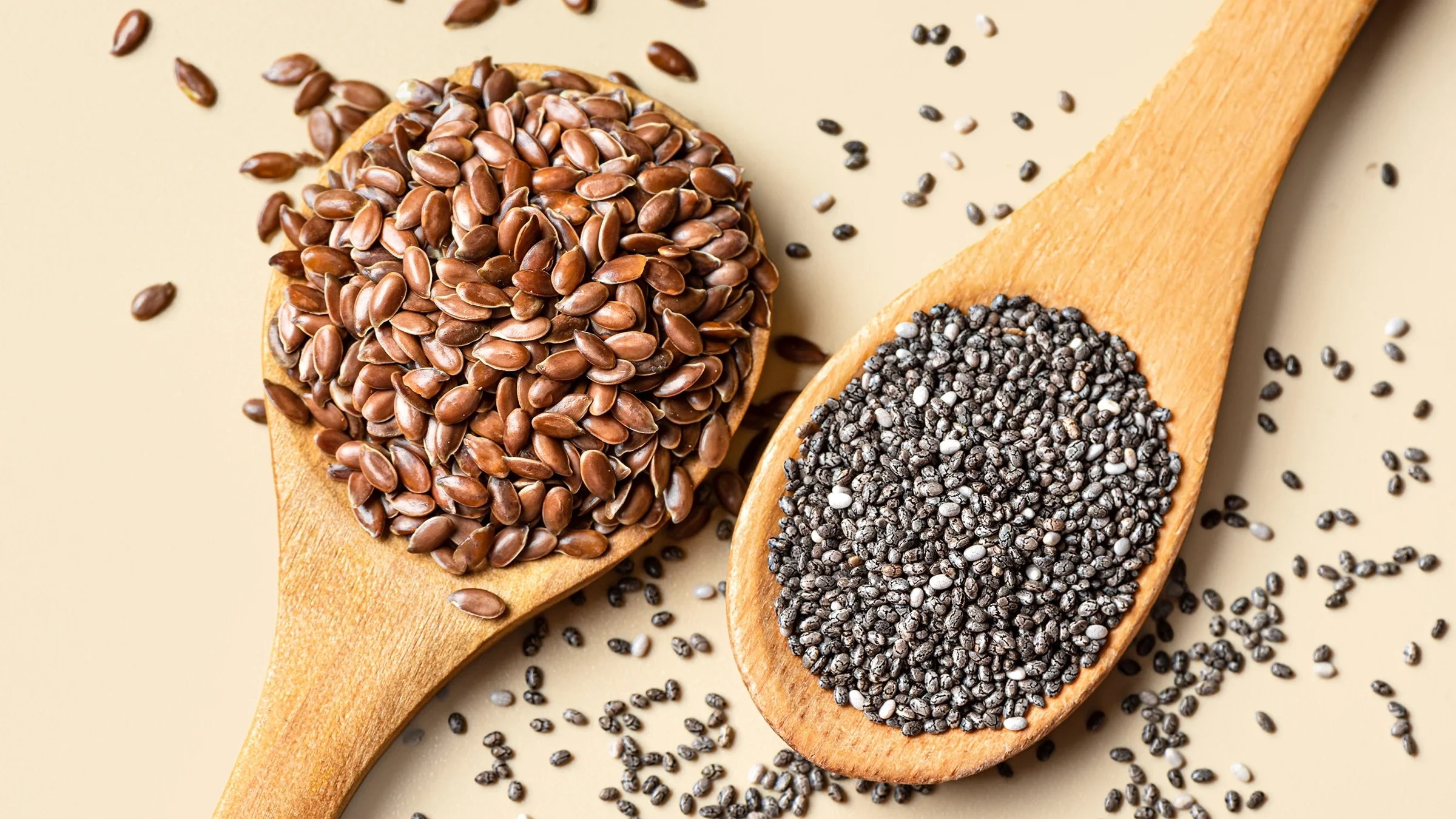
Flaxseeds are best known for their omega-3 fatty acids. Omega-3s are essential fats that regulate the levels of fats in your blood and lower inflammation throughout your body. Seeds rich in omega-3 fats and fiber may help lower your risk of heart disease and Type 2 diabetes.
1 oz of flaxseeds includes:
Calories: 152
Carbs: 8.2 g
Fat: 12 g
Fiber: 7.8 g
Protein: 5.2 g
Choose ground flaxseeds instead of whole ones because they’re easier for your body to digest. Since ground flaxseeds are a fine powder, you don’t typically eat them on their own. Instead, mix them into foods like yogurt, oatmeal, or smoothies. You can also add some into pancake batter or other baked goods.
2. Chia seeds
Chia seeds have become very popular, especially on social media, where influencers claim they can do everything from flattening your belly to “detoxifying” your body. Many of the health claims are exaggerated. But chia seeds are very nutritious.
Unlike most plant-based proteins, chia seeds are a complete protein. This means they contain all nine amino acids your body needs but can’t make on its own. They’re also particularly high in fiber, providing about 35% of the daily value (DV). Fiber supports digestion, blood sugar, and cholesterol.
What’s more, chia seeds are especially high in selenium, an essential trace mineral that supports thyroid function and immune health.
1 oz of chia seeds includes:
Calories: 138
Carbs: 12 g
Fat: 8.7 g
Fiber: 9.8 g
Protein: 4.7 g
It’s not common to eat chia seeds on their own. They’re easier to chew and digest if you add them into a moist food or liquid. Try blending them into smoothies or mixing them with your milk of choice to make overnight chia pudding. You can also sprinkle chia seeds into jam.
3. Hemp seeds
Hemp seeds, also called hemp hearts, have a softer texture and less crunch than other seeds. They come from the Cannabis sativa plant, the same plant species as marijuana. But the seeds don’t contain any tetrahydrocannabinol (THC), the compound that causes a mind-altering effect, or “high.”
Hemp seeds are among the highest-protein seeds. Like chia seeds, they’re also a complete protein. They’re packed with omega-3 and omega-6 fats, which help fight inflammation and support your heart and skin. Hemp seeds are also high in manganese, providing 94% of the DV. Manganese is a mineral that plays an important role in blood clotting and immune health.
1 oz of hemp seeds includes:
Calories: 157
Carbs: 2.5 g
Fat: 13.8 g
Fiber: 1.1 g
Protein: 9 g
Hemp seeds have a mild flavor, so they’re easy to mix into all kinds of foods, from grain bowls to granola. You can also use them as a coating for chicken or fish, or substitute them for pine nuts in pesto.
4. Pumpkin seeds
If you’ve ever hollowed out a Halloween pumpkin and roasted the seeds, you already know pumpkin seeds are a crunchy and delicious snack. (Fun fact: you can also roast the seeds of other types of squash, like acorn or butternut squash.)
Pumpkin seeds are high in protein, with more protein than most other seeds. They’re also a great source of zinc, an essential mineral that supports your immune system by warding off bacteria and viruses.
1 oz of pumpkin seeds includes:
Calories: 163
Carbs: 4.2 g
Fat: 13.9 g
Fiber: 1.8 g
Protein: 8.5 g
You can buy cream-colored pumpkin seeds in the shell or, pepitas, which are green, shell-free seeds that come from oilseed or Styrian pumpkins. Both types of seeds are great on their own or mixed with nuts and dried fruit to make trail mix. You can also try pepitas as garnish for soup, salad, or pasta dishes.
5. Sunflower seeds
Baseball fans may know sunflower seeds as a popular staple of the sport. Many professional players chew sunflower seeds during games because they keep the mouth busy in a similar way to chewing tobacco, but they’re much better for you.
Sunflower seeds are an excellent source of vitamin E, with almost 70% of your daily needs. Vitamin E works as an antioxidant, protecting your cells from damage and supporting your immune system. Sunflower seeds also provide B vitamins, especially thiamin (vitamin B1), which helps your body convert food into energy.
1 oz of sunflower seeds includes:
Calories: 164
Carbs: 5.6 g
Fat: 14.4 g
Fiber: 2.4 g
Protein: 5.8 g
Sunflower seed shells aren’t edible. But some people still like buying the in-shell version and removing the shells with their teeth.
In-shell sunflower seeds are often salted. Most brands contain 85 mg to 180 mg of sodium per ounce, which is about 4% to 8% of the DV for sodium. This isn’t a lot of salt (as long as you stick to a single serving) and isn’t usually cause for concern.
You can also buy hulled sunflower seeds, which means the shells have been removed. These are easier to add to foods like salads, stir-fries, and grain bowls. And sunflower seed butter makes a great alternative to peanut butter or other nut butters.
6. Sesame seeds
You may recognize sesame seeds for their starring role as a topping on bagels and burger buns. But these seeds are more than just a garnish.
Sesame seeds provide calcium, magnesium, and phosphorus, which work together to support your bones and teeth. In fact, a serving of sesame seeds has almost as much calcium (21% DV) as a glass of milk (23% DV). Sesame seeds are also very high in copper, a mineral that helps your body make blood vessels and connective tissue.
1 oz of sesame seeds includes:
Calories: 162
Carbs: 6.6 g
Fat: 14.4 g
Fiber: 3.3 g
Protein: 5 g
White sesame seeds are the most common type, but you can also find black sesame seeds in some stores. Try sprinkling them onto noodle dishes, seaweed salad, or roasted vegetables. You can also blend sesame seeds into a paste called tahini, which you can add to sauces, salad dressings, or falafel (chickpea patties).
How many seeds can you eat in a day?
The typical serving size for seeds is about 1 oz. That equals about 2 tbsp to 4 tbsp, depending on the size of the seeds.
Keep in mind that some seeds, like chia seeds, are very high in fiber. Eating too many at once can cause digestive discomfort, including gas and bloating. It’s best to add seeds to your diet slowly so your body can adjust to them.
Who should avoid eating seeds?
Most people can eat seeds safely. Seed allergies are rare, although sesame recently made the list of the most common food allergies in the U.S. Even without allergies, there are still a few things to keep in mind.
People who have swallowing difficulties, also called dysphagia, should avoid hard seeds. Ground seeds, like ground flaxseeds added to yogurt, can work better.
Doctors used to advise people with diverticulitis, inflammation of the small pockets in the colon wall, to avoid seeds. The concern was that tiny seeds could get stuck in these pockets and raise the risk of inflammation or infection. But more recent research doesn’t support this restriction, and most healthcare professionals now recognize this as a myth.
Frequently asked questions
Seeds can support weight loss since they’re rich in fiber, protein, and healthy fats. This combination can help you feel full and satisfied. But portion size matters. It’s easy to overeat seeds, and the calories can add up quickly. Stick with 1 oz per day — ideally as a replacement for less nutritious snacks like chips, pretzels, and candy.
The healthiest pumpkin seeds are prepared simply. Choose seeds without added sugar, high amounts of sodium, added oils, or artificial flavors. Both raw and roasted pumpkin seeds are nutritious. But eating pumpkin seeds with the shell provides more fiber than shell-free pepitas.
Seeds don’t contain human estrogen. But some seeds, especially flaxseed and sesame seeds, contain compounds called lignans. Ligands are phytoestrogens, which can weakly mimic or influence estrogen activity in your body. But their effects are much weaker than your body’s natural hormones.
Seeds can support weight loss since they’re rich in fiber, protein, and healthy fats. This combination can help you feel full and satisfied. But portion size matters. It’s easy to overeat seeds, and the calories can add up quickly. Stick with 1 oz per day — ideally as a replacement for less nutritious snacks like chips, pretzels, and candy.
The healthiest pumpkin seeds are prepared simply. Choose seeds without added sugar, high amounts of sodium, added oils, or artificial flavors. Both raw and roasted pumpkin seeds are nutritious. But eating pumpkin seeds with the shell provides more fiber than shell-free pepitas.
Seeds don’t contain human estrogen. But some seeds, especially flaxseed and sesame seeds, contain compounds called lignans. Ligands are phytoestrogens, which can weakly mimic or influence estrogen activity in your body. But their effects are much weaker than your body’s natural hormones.
The bottom line
Eating seeds is one of the easiest ways to add protein, fiber, and healthy fats to your favorite meals and snacks. Choosing a variety of seeds can also help you get a mix of essential vitamins and minerals. Try adding a teaspoon or two to your breakfast. Oatmeal, yogurt, and smoothies are easy places to start.

Why trust our experts?




References
Alberta Health Services. (2021). Dysphagia soft diet.
American Heart Association. (2024). Suggested servings from each food group.
Hawkins, A. T., et al. (2020). Diverticulitis: An update from the age old paradigm. Current Problems in Surgery.
Kaman, K., et al. (2022). A practical focus on sesame allergy and a brief review of other seed allergies. Journal of Food Allergy.
MyFoodData. (n.d.). Chia seeds.
MyFoodData. (n.d.). Dried sunflower seeds.
MyFoodData. (n.d.). Flax seeds.
MyFoodData. (n.d.). Hemp seeds (hulled).
MyFoodData. (n.d.). Roasted squash and pumpkin seeds (pepitas) (unsalted).
MyFoodData. (n.d.). Seeds, sesame seeds, whole, dried.
MyFoodData. (n.d.). Skim milk.
National Institutes of Health, Office of Dietary Supplements. (2022). Copper fact sheet for consumers. U.S. Department of Health and Human Services.
National Institutes of Health, Office of Dietary Supplements. (2021). Manganese fact sheet for healthcare professionals. U.S. Department of Health and Human Services.
Parikh, M., et al. (2019). Dietary flaxseed as a strategy for improving human health.
U.S. Food and Drug Administrations. (2018). FDA responds to three GRAS notices for hemp seed-derived ingredients for use in human food.