Key takeaways:
Acai berries come from the acai palm tree, which grows in Central and South America.
There’s limited human research on acai berries. But they contain antioxidants, unsaturated fats, and fiber, which are known to support overall health.
Many store-bought acai bowls and smoothies are high in added sugar. To keep sugar levels in check, read labels, be mindful of toppings, and consider making acai at home so you can control ingredients.
Acai bowls and smoothies are popular partly because acai berries are often considered a "superfood." This is a term used for foods that are rich in nutrients and linked to potential health effects. But what does the research actually say about acai berry benefits?
Below, we’ll break down what science says about acai, including its potential health benefits and limitations. We’ll also share practical tips for adding acai to your diet.
What are acai berries?
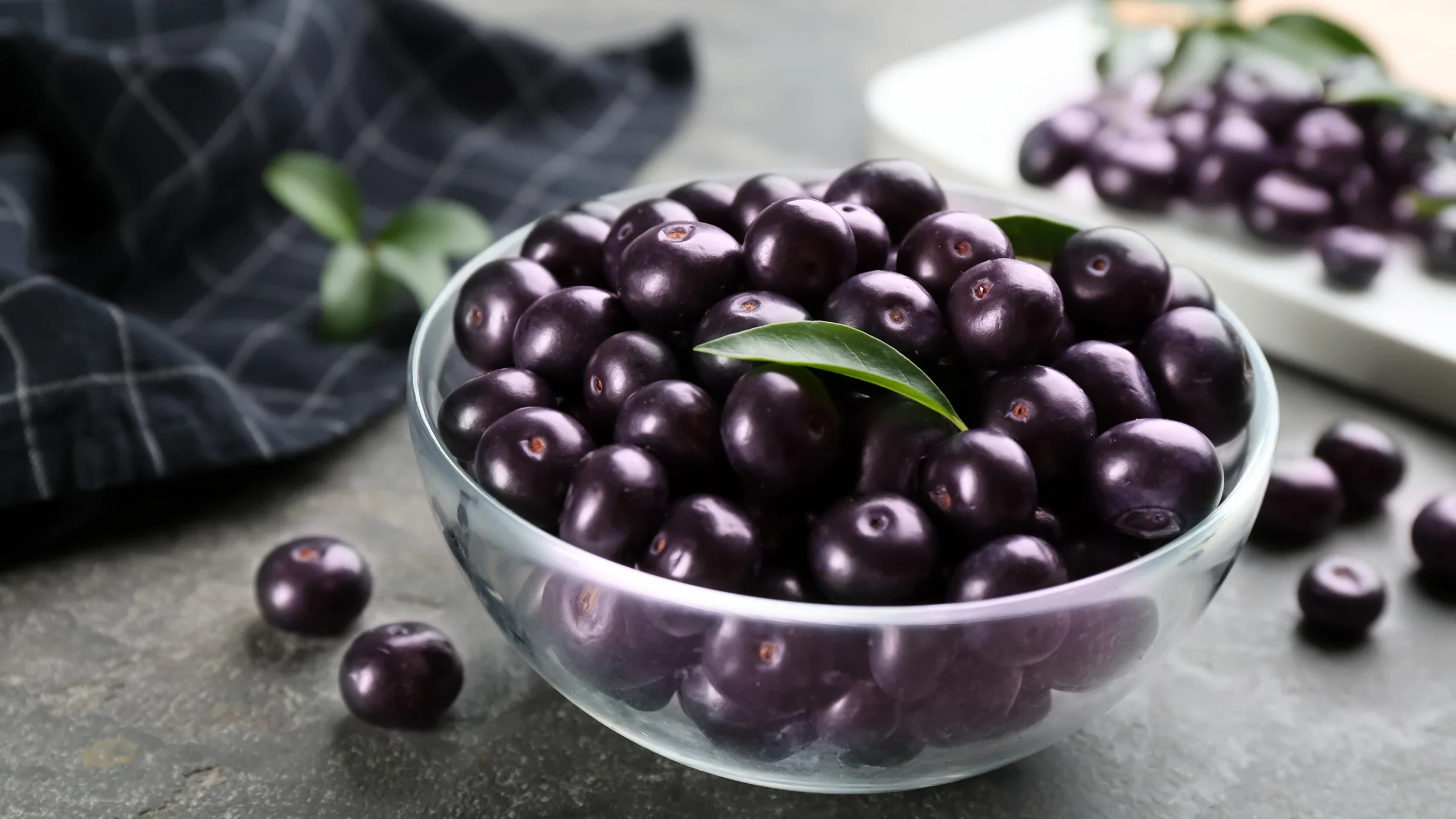
Acai berries are the fruit of the acai palm tree, which grows in Central and South America, including Brazil, Ecuador, and Venezuela. These deep purple berries are about the size of grapes and have a large seed, similar to a pit, in the center.
Acai berries are different from many other berries because they aren’t usually eaten fresh. Since they spoil very quickly after harvest, they’re typically processed into a frozen pulp before being shipped and sold. As a result, frozen acai pulp is what you’ll most commonly find in stores. Acai is also sold as juice and powder.
Despite acai’s reputation as a “superfood,” there’s still limited research on its effects in humans. That said, acai contains nutrients and plant compounds — especially fiber, healthy fats, and antioxidants — that are known to support overall health. So, while some of the claims about acai may be exaggerated or unproven, the berries can still be a nutritious addition to a balanced diet.
Here are a few potential acai berry benefits.
1. Antioxidants
Acai berries are packed with antioxidants.
Antioxidants are compounds that protect your cells from damage caused by free radicals, which are unstable molecules. Your body is exposed to free radicals every day from the environment and from normal metabolic processes inside your body.
When too many free radicals build up in your body, they cause oxidative stress. This increases your risk for chronic health conditions, such as:
Heart disease
Type 2 diabetes
Cancer
Excess weight
Neurological conditions like, Alzheimer’s disease
Eating foods rich in antioxidants can help protect you from this damage.
Acai berries contain many types of antioxidants, but they’re especially high in polyphenols and anthocyanins. These plant compounds give the berries their deep purple color.
2. Anti-inflammatory properties
Acai’s anthocyanins and polyphenols have anti-inflammatory properties. This matters because chronic inflammation is linked to many long-term health conditions, including autoimmune diseases, some types of cancer, heart disease, diabetes, and allergies.
While acai isn’t a magic cure-all, eating anti-inflammatory foods may help lower your risk of chronic disease and improve overall health.
3. Heart health
Acai hasn’t been proven to prevent heart disease. But it may support heart health by helping reduce oxidative stress and inflammation, two major contributors to heart disease. Research suggests that diets high in antioxidant-rich fruits, especially berries, are associated with better cardiovascular health.
Acai may also support your heart by improving cholesterol. Unlike most fruits, acai contains a meaningful amount of fat, most of which comes from unsaturated fats linked to heart health. Combined with its fiber content, these fats may help improve cholesterol levels and support overall cardiovascular health.
4. Brain health
Antioxidants have been studied for their potential to protect brain cells and support memory and cognitive function. Some animal research suggests that acai may also affect brain pathways involved in memory and Alzheimer’s disease.
In one mouse study, acai’s anti-inflammatory effects appeared to support memory in vascular dementia. This is a type of dementia caused by decreased blood flow to the brain. But so far, most research on acai and brain health has been limited to animal and lab studies, so more human research is needed.
5. Blood sugar
Fruit contains fruit sugar (fructose). But pure acai pulp is naturally low in sugar and relatively low in carbohydrates, making it less likely to cause a sharp spike in blood sugar.
Acai may also support blood sugar balance in other ways. The fiber in acai slows the absorption of sugar into the bloodstream, which can promote steadier blood sugar over time. In addition, anthocyanins may improve insulin sensitivity, allowing your body to use sugar more effectively for energy.
That said, many store-bought acai bowls and drinks contain high amounts of added sugar or sweetened toppings. If blood sugar management is a concern, it’s best to choose unsweetened acai products.
6. Digestion and gut health
A serving of frozen acai pulp has about 3 g of fiber. This can help you meet your daily fiber needs, which many adults in the U.S. don’t get enough of.
Fiber supports digestion in many ways. It moves food through your digestive tract and helps you have regular, easy-to-pass bowel movements.
Acai’s anthocyanins may also benefit gut health by acting as prebiotics. Prebiotics are fibers that nourish the beneficial bacteria in your gut. By helping maintain a healthy balance of gut microbes, prebiotics play an important role in digestion and overall health.
And since acai is often eaten in smoothies or juices, it may also contribute to your overall fluid intake. Staying hydrated is another important part of digestion.
Acai berries’ nutrients
Here are some of the standout nutrients in a ½-cup packet of unsweetened frozen acai puree:
Calories: 80
Total Fat: 7 g
Saturated fat: 1.5 g
Carbohydrates: 4 g
Fiber: 3 g
Total sugar: 0 g
Protein: less than 1 g
Calcium: 40 mg (4% of the daily value, or DV)
Iron: 1.8 mg (10% DV)
Potassium: 120 mg (2% DV)
Is it OK to eat acai berries every day?
For most people, it’s fine to eat acai every day. A typical serving of acai puree is about ½ cup.
In some situations, it’s a good idea to let your healthcare professional know if you regularly eat acai:
If you take diabetes medications, because acai may affect blood sugar levels
If you’re having an MRI of the gastrointestinal tract, because acai could affect the imaging results
You should also avoid raw acai berries or unpasteurized acai juice, as they can sometimes be contaminated with parasites. Fortunately, this usually isn’t a concern because raw acai products spoil quickly and aren’t sold in most parts of the world.
Tips for adding acai berries to your diet
Acai is most commonly sold as a frozen puree, which you’ll find in the freezer section of your grocery store. Look for unsweetened acai puree to use in smoothies or homemade acai bowls. Try blending the pulp with fresh or frozen fruit, your milk of choice, and any other ingredients you enjoy.
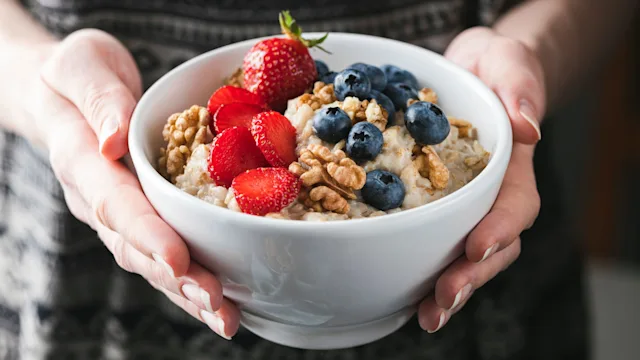
Because acai isn’t naturally very sweet, many premade acai bowls have high amounts of added sugar. Making your own at home gives you more control over the ingredients and sugar content. For toppings, choose nutrient-dense options that don’t add too much sugar, such as:
Unsweetened coconut flakes
Nuts, like almonds or walnuts
Berries, like raspberries or blueberries
Sliced fruit, like kiwi, mango, or pineapple
A drizzle of honey
Low-sugar granola (look for options with fewer than 7 g of added sugar per serving)
Acai also comes in powder form, which you can use in place of frozen puree. If you use acai powder, look for options without added sugar or unnecessary additives.
You can also buy acai juice, but many varieties are high in added sugar. While the juice still contains antioxidants, unsweetened acai products are usually a better choice. This is because you can control how much sweetener you add.
Frequently asked questions
There isn’t much research comparing acai to blueberries. We know that both fruits have some similar nutrients. For example, anthocyanins give both types of berries their deep color. Both fruits also provide fiber and may support heart, brain, and gut health. While there may not be a clear winner, both blueberries and acai berries can be excellent additions to your regular diet.
The fiber in acai berries may benefit weight loss by making you feel fuller after eating. But this benefit comes mainly from eating a high-fiber diet, not from acai berries alone. In other words, adding acai berries to your diet can help you reach your daily fiber needs, but it won’t lead to weight loss on its own.
Yes, acai berry powder made from 100% acai fruit is full of nutrients. It provides fiber and antioxidants, just like fresh and frozen varieties. To use acai berry powder, simply mix the recommended serving size — typically about 1 tsp to 1 ½ tsp — into smoothies, yogurt, or even baked goods.
There isn’t much research comparing acai to blueberries. We know that both fruits have some similar nutrients. For example, anthocyanins give both types of berries their deep color. Both fruits also provide fiber and may support heart, brain, and gut health. While there may not be a clear winner, both blueberries and acai berries can be excellent additions to your regular diet.
The fiber in acai berries may benefit weight loss by making you feel fuller after eating. But this benefit comes mainly from eating a high-fiber diet, not from acai berries alone. In other words, adding acai berries to your diet can help you reach your daily fiber needs, but it won’t lead to weight loss on its own.
Yes, acai berry powder made from 100% acai fruit is full of nutrients. It provides fiber and antioxidants, just like fresh and frozen varieties. To use acai berry powder, simply mix the recommended serving size — typically about 1 tsp to 1 ½ tsp — into smoothies, yogurt, or even baked goods.
The bottom line
Acai berries contain many important nutrients, like antioxidants, healthy fats, and fiber. They’re also naturally low in sugar and carbohydrates. These qualities may give them many potential health benefits, from supporting blood sugar to improving heart health. But there isn’t enough high-quality research in humans to make any solid health claims about acai berries yet. While acai may or may not be a “superfood,” it can still be part of a nutritious eating plan. Just be mindful of added sugars and other ingredients in store-bought products.

Why trust our experts?




References
Alzheimers.gov. (2026). What is vascular dementia?
Córdova–Fraga, T., et al. (2004). Euterpe olerácea (açaí) as an alternative oral contrast agent in MRI of the gastrointestinal system: Preliminary results. Magnetic Resonance Imaging.
Ferreira, F. D. S., et al. (2025). Antioxidant, anti-inflammatory, and antiapoptotic effects of Euterpe oleracea mart. (açaí) in improving cognition deficits: Potential therapeutic implications for Alzheimer’s disease. Plants.
Impellizzeri, D., et al. (2022). Açai berry mitigates vascular dementia-induced neuropathological alterations modulating Nrf-2/Beclin1 pathways. Cells.
Kozłowska, A., et al. (2024). Anthocyanins and Type 2 diabetes: An update of human study and clinical trial. Nutrients.
Laurindo, L. F., et al. (2023). Açaí (Euterpe oleracea Mart.) in health and disease: A critical review. Nutrients.
National Center for Complementary and Integrative Health. (2024). Acai.
Reddy V. P. (2023). Oxidative stress in health and disease. Biomedicines.
Trader Joe’s. (n.d.). Unsweetened organic açaí puree packets.
U.S. Department of Agriculture. (2015). Online nutrition resources at your fingertips.
Wang, M., et al. (2022). Research progress of anthocyanin prebiotic activity: A review. Phytomedicine.
Xu, L., et al. (2021). Anthocyanins, anthocyanin-rich berries, and cardiovascular risks: Systematic review and meta-analysis of 44 randomized controlled trials and 15 prospective cohort studies. Frontiers in Nutrition.
Yang, W., et al. (2021). Effect of polyphenols on cognitive function: Evidence from population-based studies and clinical trials. The Journal of Health, Nutrition and Aging.