Key takeaways:
Vanilla extract comes from vanilla bean pods that have been soaked in alcohol.
Vanilla’s primary compound is vanillin, which has antioxidant and anti-inflammatory properties. But because vanilla extract is consumed in such small amounts, you’re unlikely to get much meaningful health benefit from it.
Some of vanilla’s benefits may come from smelling the extract rather than ingesting it.
Vanilla extract is safe when used in small amounts in baking and other recipes. But you shouldn’t consume it in large amounts or take it straight from the bottle.
Vanilla may be one of the most beloved and recognizable flavors in the world. Most people know the smell and taste very well from foods like ice cream, cake, and other sweets. But what exactly is vanilla extract, and does it offer any health benefits?
What is vanilla extract?
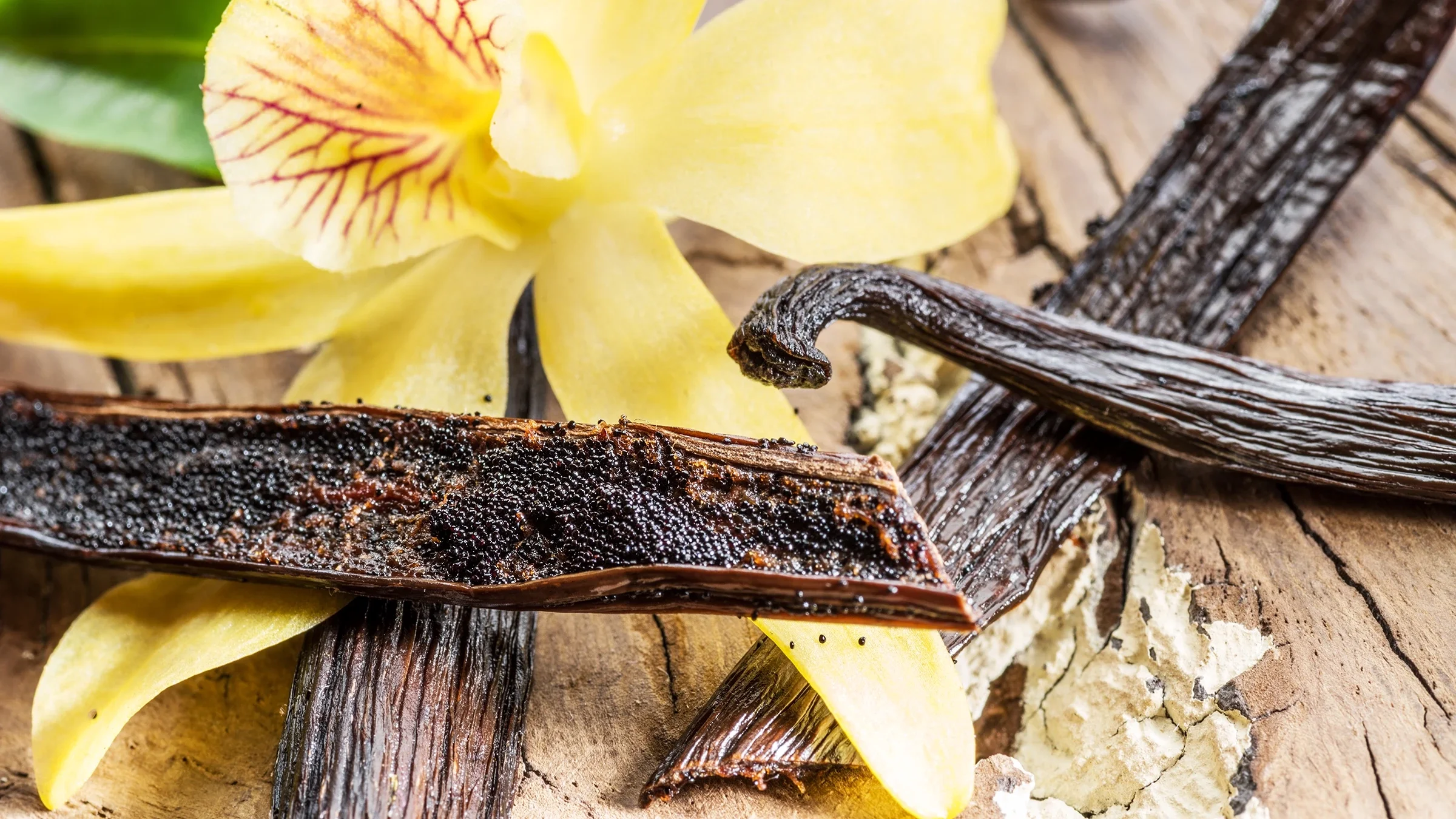
Pure vanilla extract is made from vanilla bean pods. These long, thin pods grow on the vanilla planifolia orchid, which grows in tropical regions like Mexico, Indonesia, and Madagascar.
To make vanilla extract, the pods are soaked and aged in a mixture of water and alcohol. This process draws out vanilla’s natural compounds, including vanillin, which gives vanilla its characteristic flavor and aroma.
Vanilla extract is commonly added to baked goods, but it can also be mixed into other foods and drinks.
Is vanilla extract healthy?
Vanilla extract contains compounds, including antioxidants, that have been linked to potential health benefits. But because vanilla extract is used in such small amounts (usually ½ tsp to 1 tsp), it’s unlikely to have a meaningful impact on your health.
Some of vanilla’s potential benefits may come from its aroma, not just from consuming it.
What are the benefits of vanilla extract?
Research on vanilla extract in humans is limited. Most studies have been done in laboratories or on animals. Some studies have also used much higher amounts of vanilla extract than people would normally consume.
Even so, early research suggests that vanilla and its compounds may have biological effects that could support health.
1. Anti-inflammatory and antioxidant effects
As an antioxidant, vanillin may help protect cells from damage caused by free radicals, which are unstable molecules. Your body is exposed to free radicals every day from the environment and from normal metabolic processes inside your body.
When too many free radicals build up in your body, they can cause oxidative stress. Over time, oxidative stress increases your risk of chronic health conditions, such as:
Type 2 diabetes
Cancer
Heart disease
Neurodegenerative diseases, like Alzheimer’s disease
2. Potential anticancer effects
Some lab and animal research suggests that vanillin may have anticancer properties. But so far, there’s not enough evidence to know whether it has the same effects in people.
Researchers think vanillin may influence processes involved in cancer development, including:
Reducing DNA damage caused by oxidative stress
Lowering chronic inflammation, which can contribute to cancer development
Helping prevent genetic mutations that may lead to cancer
Triggering the death of certain cancer cells
3. May help reduce sugar intake
A small study found that adding vanilla extract made some foods taste sweeter, even when they contained less sugar. Researchers were able to reduce the sugar content in certain foods by about 13% to 15% without affecting how sweet participants thought they tasted.
But more research is needed to know whether this approach works across a wider range of foods and drinks.
If future research confirms these findings, vanilla extract could help reduce the amount of added sugar needed in some products.
4. Brain and mood effects
Vanilla’s aroma is often associated with reduced stress and relaxation.
Some research suggests that the scent of vanilla may have positive effects on mood and emotional well-being in adults. Studies have also found that the scent of vanilla can have a calming effect on infants before and during routine blood draws.
In some therapeutic settings, vanilla scent is used to promote relaxation while people discuss traumatic experiences. More research is needed to know whether vanilla could help with conditions like anxiety.
Vanilla extract nutrition
If you look at the Nutrition Facts label on a bottle of vanilla extract, you won’t find much. A typical serving size (usually ½ tsp to 1 tsp) contains very few calories and only small amounts of carbohydrates, vitamins, and minerals.
But, as mentioned above, vanilla extract also contains plant compounds, including antioxidants, which aren’t listed on the Nutrition Facts label.
Safety considerations
Vanilla extract has a significant amount of alcohol. By definition, pure vanilla extract must contain at least 35% alcohol, along with a minimum amount of vanilla beans. This alcohol is why you smell that strong kick when you open a bottle.
When you use vanilla extract in cooking or baking, some of the alcohol evaporates. But small amounts can remain in the finished food. This is unlikely to be a concern for most people, but some people may want to avoid products made with vanilla extract, including:
Young children
People with alcohol use disorder
People who avoid alcohol for personal, cultural, or religious reasons
Vanilla extract is intended to be used in small amounts as a flavoring. Drinking it directly or consuming large amounts can cause intoxication. For this reason, it’s best to keep vanilla extract out of reach of children.
Vanilla extract substitutes
Vanilla extract substitutes include:
Alcohol-free vanilla extract: These products are usually labeled “alcohol-free vanilla flavor” or “vanilla flavoring” rather than “vanilla extract” because they don’t meet the legal definition of true vanilla extract. They’re usually made with vegetable glycerin instead of alcohol to extract the flavor from vanilla beans.
Vanilla essence: Commonly called imitation vanilla, vanilla essence doesn’t come from vanilla beans at all. It’s made from synthetic vanillin mixed with a liquid, usually alcohol or propylene glycol. Because it’s not made from vanilla beans, imitation vanilla doesn’t contain the same naturally occurring plant compounds found in pure vanilla extract.
Vanilla bean paste (or syrup): Vanilla bean paste is made by blending vanilla bean extract with vanilla powder. This creates a thick solution with a syrup-like consistency and a slightly more concentrated flavor.
You can substitute these vanilla products using a 1:1 ratio in any recipe that calls for vanilla extract. Just be aware that the price will vary. Imitation vanilla is the cheapest, followed by pure vanilla extract. Vanilla bean paste can be more expensive than even high-quality vanilla extract.
How to use vanilla extract
Vanilla extract is commonly used to add flavor to baked goods like muffins, cookies, and cakes. Most recipes call for only a small amount, usually about 1 tsp. But baking isn’t the only way to use vanilla extract.
You can also:
Add it to drinks like coffee, tea, hot chocolate, or eggnog
Stir it into oatmeal
Mix it into yogurt
Bake it into homemade granola
Blend it into smoothies
Mix it into homemade puddings or ice cream
Add it to savory dishes, such as creamy soups and tomato-based sauces
You can store vanilla extract for years without it spoiling. To preserve its flavor and quality, keep it in a cool, dark place. Although the label may show an expiration date, the alcohol helps to prevent spoilage.
Frequently asked questions
Yes, traditional vanilla extract contains 35% alcohol. But alcohol-free alternatives of vanilla extract are becoming more widely available. These are usually called "vanilla flavoring" or "alcohol-free vanilla" instead of “vanilla extract.” Most are made with vegetable glycerin or water as a base instead of alcohol.
Yes. Making homemade vanilla extract requires just two ingredients: vanilla bean pods and a food-grade alcohol, like vodka or bourbon. Simply cut the vanilla bean pods into smaller pieces and place them in a jar with about 1 cup of alcohol. Let the mixture sit for at least 2 to 3 months, shaking the jar about once a week. The longer it sits, the stronger the vanilla flavor will become.
Vanilla extract doesn’t usually go bad. While you may see a “best by” date on a bottle of vanilla extract, this is typically just a loose guideline. The alcohol in traditional vanilla extract helps prevent spoilage when it’s stored properly. But it may lose some of its flavor over time.
Yes, traditional vanilla extract contains 35% alcohol. But alcohol-free alternatives of vanilla extract are becoming more widely available. These are usually called "vanilla flavoring" or "alcohol-free vanilla" instead of “vanilla extract.” Most are made with vegetable glycerin or water as a base instead of alcohol.
Yes. Making homemade vanilla extract requires just two ingredients: vanilla bean pods and a food-grade alcohol, like vodka or bourbon. Simply cut the vanilla bean pods into smaller pieces and place them in a jar with about 1 cup of alcohol. Let the mixture sit for at least 2 to 3 months, shaking the jar about once a week. The longer it sits, the stronger the vanilla flavor will become.
Vanilla extract doesn’t usually go bad. While you may see a “best by” date on a bottle of vanilla extract, this is typically just a loose guideline. The alcohol in traditional vanilla extract helps prevent spoilage when it’s stored properly. But it may lose some of its flavor over time.
The bottom line
Vanilla extract contains antioxidants and other plant compounds that may offer health benefits. But because it’s typically used in very small amounts, it’s best viewed as a flavoring ingredient rather than a significant source of nutrition. While research on vanilla extract is still emerging, its warm scent and flavor can make it a worthwhile addition to foods and drinks.

Why trust our experts?




References
America’s Test Kitchen. (n.d.). Vanilla extract vs. imitation vanilla: Does it matter what you buy?
Arya, S. S., et al. (2021). Vanillin: A review on the therapeutic prospects of a popular flavouring molecule. Advances in Traditional Medicine.
Bezerra-Filho, C. S. M., et al. (2019). Therapeutic potential of vanillin and its main metabolites to regulate the inflammatory response and oxidative stress. Mini Reviews In Medicinal Chemistry.
Bezerra, D. P., et al. (2016). Overview of the role of vanillin on redox status and cancer development. Oxidative Medicine and Cellular Longevity.
Code of Federal Regulations. (1993). 21 CFR 169.175 vanilla extract.
Daniels, J. K., et al. (2016). Odor-induced recall of emotional memories in PTSD–Review and new paradigm for research. Experimental Neurology.
McCormick Kitchens. (2025). The difference between vanilla beans, vanilla paste and vanilla extract.
MyFoodData. (n.d.). Vanilla extract.
National Capitol Poison Center. (n.d.). Kitchen surprises and cautions.
Reddy V. P. (2023). Oxidative stress in health and disease. Biomedicines.
Singletary, K. W. (2020). Vanilla: Potential health benefits. Nutrition Today.
Smith, J. (2023). Everything you need to know about vanilla extract. University of Illinois Urbana-Champaign.
Soontrunnarudrungsri, A., et al. (2023). Enhancing sweetness perception with vanilla extract: Strategy for developing low-sugar food formulations for the elderly. Agriculture and Natural Resources.
University of California Davis, Botanical Conservatory. (n.d.). Vanilla orchid (vanilla planifolia).
Vanilla Bean Kings. (2024). How to make vanilla extract from beans (homemade vanilla).