Key takeaways:
Cornstarch is a versatile, gluten-free ingredient that adds texture to foods. It's common in both home cooking and in food manufacturing.
In small amounts, cornstarch isn’t harmful, but it offers little nutritional value. Cornstarch is pure carbohydrate, and it contains no fiber, protein, or vitamins.
Eating large amounts of cornstarch can spike blood sugar levels. It’s fine to use a tablespoon or two in recipes, but it’s best to avoid using cupfuls of it in cooking or baking.
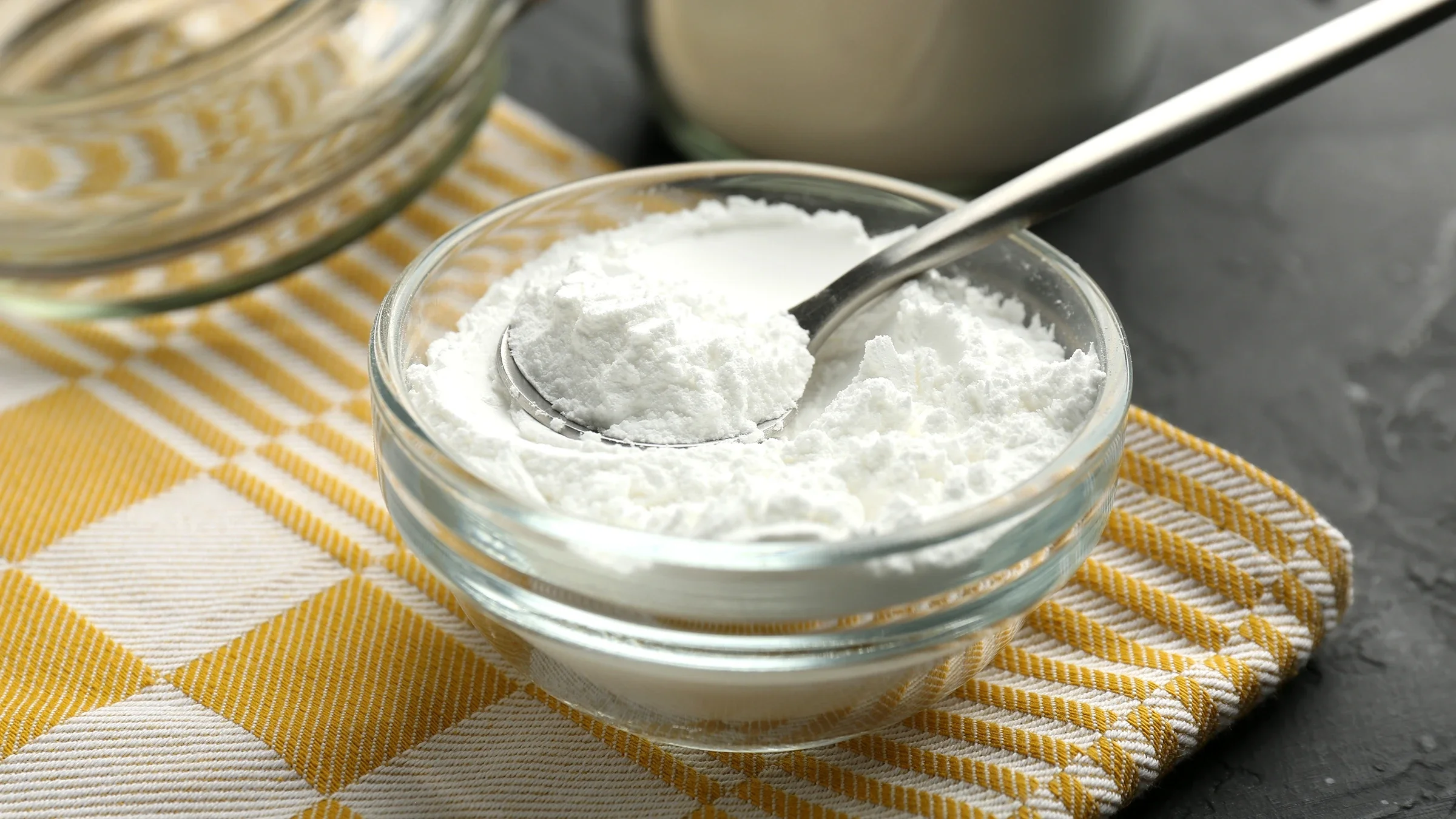
Cornstarch is a tasteless, finely-ground powder made from the starchy part of corn called the endosperm. It's a helpful pantry ingredient with many cooking uses — from thickening sauces and soups to adding a crispy coating to chicken or fish. And food manufacturers often use cornstarch to add texture to processed or ultra-processed foods.
Over 85% of the starch produced globally uses corn, making cornstarch a very common ingredient. Given its popularity, you may wonder about its effects on your health. Is cornstarch bad for you? Does it have any nutritional value? Let’s dive in to answer these questions.
Is cornstarch bad for your health?
Cornstarch is fine to eat in small quantities as an ingredient in foods.
Most recipes call for just a tablespoon of cornstarch. So, per serving, there’s a very small amount of cornstarch. In these amounts, cornstarch isn’t harmful to your health. But it’s not good for you, either, since it doesn’t provide any meaningful nutrition.
Cornstarch is made by milling corn to separate the starch from the kernels. This process removes many of corn's nutrients, including its fiber and protein. Because of this, cornstarch is considered a processed food and a refined grain — not a whole grain.
Cornstarch nutrition information
One tablespoon of cornstarch contains:
30 calories
7.3 g carbohydrate
0 g fat
0 g protein
0.7 mg sodium
Cornstarch is pure carbohydrate and doesn’t contain any vitamins or minerals.
What does cornstarch do in foods?
Cornstarch adds texture to foods. Popular uses for it include:
Thickening foods, such as sauces, gravy, and salad dressing
Creating a gel, like in pie filling
Making a crispy crust on chicken, fish, tofu, or french fries
Preventing food from clumping, sticking, or caking together
Cornstarch is gluten free. For this reason, people sometimes use it to replace regular wheat flour when making gluten-free foods. But this isn’t the best use for cornstarch, as we’ll discuss below.
Health effects of cornstarch
Consuming high amounts of cornstarch can have negative effects on your health. Let’s take a look at a few of cornstarch’s downsides.
May raise blood sugar
Cornstarch is a refined carbohydrate. So consuming high amounts can raise your blood sugar. Over time, this can lead to insulin resistance.
Cornstarch has a high glycemic index (GI) of 77 to 88. The GI measures how much different carbohydrates affect your blood sugar. At the top of the scale is pure sugar, which has a GI of 100. Foods with a high GI will cause a higher and faster rise in blood sugar. Foods with lower GI scores raise it more slowly.
As mentioned above, most foods that use cornstarch contain just a small amount of it. But some gluten-free recipes call for cornstarch in place of regular flour (also called white flour, wheat flour, or refined flour). These recipes call for cupfuls of cornstarch. These large amounts can spike blood sugar levels.
It's best to avoid using cornstarch as a main ingredient in gluten-free recipes. Instead, consider using gluten-free flours made from brown rice, almonds, or beans. These flours contain protein and fiber, both of which help prevent blood sugar spikes. So they’re better for you than cornstarch.
May raise triglycerides
Diets high in refined carbs have been linked to higher triglycerides, a type of fat found in the bloodstream. Having high triglycerides can increase your risk of heart disease. This is true for any refined, ultra-processed carbohydrate, not just cornstarch.
It’s better to choose fiber-rich whole grains instead of refined grains. In cooking and baking, consider swapping refined flour with flour made from whole grains, nuts, or beans.
Who should limit or avoid cornstarch?
Most people don’t need to worry about the small amount of cornstarch used in foods. But anyone with a corn allergy should avoid cornstarch. And those with insulin resistance or Type 2 diabetes should limit cornstarch because of its impact on blood sugar.
If you have celiac disease, be sure to choose cornstarch that’s certified and labeled gluten free. Some cornstarch may come from facilities that also make gluten-containing products. A designation on the label ensures there's been no cross contamination.
What’s the best cornstarch substitute?
There are several ingredients you can swap in for cornstarch. To add texture or coating to foods, try:
Arrowroot powder
Potato starch or potato flour
Wheat flour
Rice flour
Just keep in mind that not all these ingredients use a 1:1 swap. For example, if you use wheat flour, you need to use double the amount to achieve the same thickening results you’d get from cornstarch.
In gluten-free baking recipes that call for a large amount of cornstarch, try swapping cornstarch with:
Almond flour
Brown rice flour
Sorghum flour
Bean flour made from soy, chickpeas, or fava beans
Frequently asked questions
Flour is healthier than cornstarch since it contains some essential nutrients. Flour has fiber and protein. It’s also enriched with vitamins and minerals like iron and folate. Cornstarch doesn’t contain vitamins or minerals. Of course, regular flour is still a highly refined carbohydrate. Whole wheat flour is a more nutritious choice than white flour.
It depends on the context. Cornstarch can be inflammatory if you eat it in large quantities. That’s because cornstarch is a refined corn product that’s high in carbohydrates. But eating foods that contain a small amount of cornstarch isn’t likely to cause inflammation.
There are 30 calories per tablespoon of cornstarch. In most foods, cornstarch is a minor ingredient and doesn’t add many calories per serving.
Flour is healthier than cornstarch since it contains some essential nutrients. Flour has fiber and protein. It’s also enriched with vitamins and minerals like iron and folate. Cornstarch doesn’t contain vitamins or minerals. Of course, regular flour is still a highly refined carbohydrate. Whole wheat flour is a more nutritious choice than white flour.
It depends on the context. Cornstarch can be inflammatory if you eat it in large quantities. That’s because cornstarch is a refined corn product that’s high in carbohydrates. But eating foods that contain a small amount of cornstarch isn’t likely to cause inflammation.
There are 30 calories per tablespoon of cornstarch. In most foods, cornstarch is a minor ingredient and doesn’t add many calories per serving.
The bottom line
Cornstarch is a handy food additive that’s safe to use in moderation. It doesn’t add any nutritional value, but it provides texture, crispiness, and structure to recipes. For frequent or larger uses, swap cornstarch for more nutrient-dense, fiber-rich alternatives. Whole grain, almond, or bean flours are excellent substitutes.

Why trust our experts?




References
McKeown, N. M., et al. (2009). Dietary carbohydrates and cardiovascular disease risk factors in the Framingham offspring cohort. Journal of the American College of Nutrition.
Miller Jones, J., et al. (2019). Perspective: Whole and refined grains and health—evidence supporting ‘make half your grains whole.' Advances in Nutrition.
My Food Data. (n.d.). All purpose flour (enriched and unbleached).
My Food Data. (n.d.). Cornstarch.
Olausson, E. A., et al. (2008). Glycaemic index of modified cornstarch in solutions with different viscosity. A study in subjects with diabetes mellitus type. Clinical Nutrition.
U.S. Food and Drug Administration. (2025). Cornstarch.
Zhang, R., et al. (2021). Comprehensive utilization of corn starch processing by-products: A review. Grain & Oil Science and Technology.