Key takeaways:
Artichokes are high in fiber, which helps with digestion, overall gut health, and stabilizing blood sugar levels.
They’re also packed with antioxidants. These nutrients can help prevent cell damage and inflammation, which can increase your risk for chronic conditions, including heart disease.
Fresh, canned, frozen, and jarred artichokes can all be nutritious options. Just keep an eye on sodium content when buying marinated artichoke hearts.
Artichokes may look a little intimidating at first, but they’re one of the most nutrient-dense vegetables you can eat. They’re especially rich in fiber and antioxidants, which have many benefits for health. And it’s easy to add these versatile veggies to many different meals you already love.
Here’s a closer look at the benefits of artichokes and how to add them to your diet.
1. Antioxidants
Artichokes are considered one of the more antioxidant-rich vegetables.
Antioxidants are nutrients that help protect your body from the cell damage and inflammation, which can increase your risk for many chronic conditions, including:
Heart disease
Type 2 diabetes
Some cancers
Neurodegenerative diseases (like Alzheimer’s disease)
Specifically, artichokes contain the antioxidant called chlorogenic acid, which has anti-inflammatory, antibacterial, and antiviral properties. Chlorogenic acid may also help manage your blood sugar and cholesterol.
Unlike some vegetables that lose nutrients during cooking, artichokes may actually gain antioxidant activity when cooked. Some research suggests that both steaming and boiling may significantly increase artichokes’ antioxidant activity.
2. Gut health
Artichokes are very high in fiber. A medium artichoke provides 6.8 g of fiber — almost 25% of the recommended daily amount. This is important because most people don’t get enough fiber in their diet.
Fiber has many benefits for health. But when it comes to your gut, specifically, fiber helps:
Support normal digestion
Prevent constipation
Lower the risk of developing colorectal cancer
Artichokes contain both soluble and insoluble fiber, each of which has different health benefits.
They also contain a specific type of prebiotic fiber called inulin. Prebiotics support your gut by serving as food for the beneficial bacteria that live there. Prebiotics also help produce compounds that may support blood sugar, immune health, and mood.
3. Weight management
Despite being relatively low in calories, artichokes can be very filling. That’s largely because of their fiber content, which can support weight loss by slowing digestion and making meals feel more substantial. Fiber also helps prevent the blood sugar spikes and crashes that may leave you feeling hungry again soon after eating.
Artichokes also contain protein — about 3.5 g in a medium artichoke. Like fiber, protein is filling and can support weight goals.
4. Heart health
Research on artichokes and heart health is promising, although much of it has focused on artichoke extract (a concentrated supplement made from artichoke leaves), rather than whole artichokes. Still, whole artichokes contain several nutrients and plant compounds that support heart health. For example, artichokes are high in fiber, which is strongly linked to cardiovascular health. And their fiber content may support healthy cholesterol, blood sugar, weight, and blood pressure.
Artichokes also contain cynarin, a plant compound involved in making bile. Bile is a digestive fluid that the liver makes to help break down fats and remove excess cholesterol from the body. This is one reason cynarin is often associated with heart health. But more research is still needed to fully understand its effects and whether whole artichokes provide the same benefits as artichoke extract.
Artichokes also contain magnesium and potassium, two minerals that help support healthy blood pressure — another important part of overall heart health.
5. Immune health
Artichokes are a good source of vitamin C, which helps keep your immune system strong. Vitamin C also works as an antioxidant to protect your cells from damage that can contribute to disease.
Some research suggests that people who get more vitamin C from fruits and vegetables may have a lower risk of certain cancers. But researchers believe this benefit likely comes from the overall combination of nutrients in these foods — not from vitamin C alone.
Artichokes also provide folate, a B vitamin that your body needs to make healthy new cells, including immune cells that help fight infection.
Artichoke nutrition
Here’s how the nutrition breaks down for one medium artichoke (cooked), which is generally considered a single serving:
Calories: 64
Total fat: 0.4 g
Protein: 3.5 g
Total carbohydrates: 14.3 g
Fiber: 6.8 g
Vitamin C: 8.9 mg (10% DV)
Potassium: 343.2 mg (7% DV)
Phosphorus: 87.6 mg (7% DV)
Magnesium: 50.4 mg (12% DV)
Folate: 106.8 mcg (27% DV)
Vitamin K: 17.8 mcg (15% DV)
How to eat artichoke
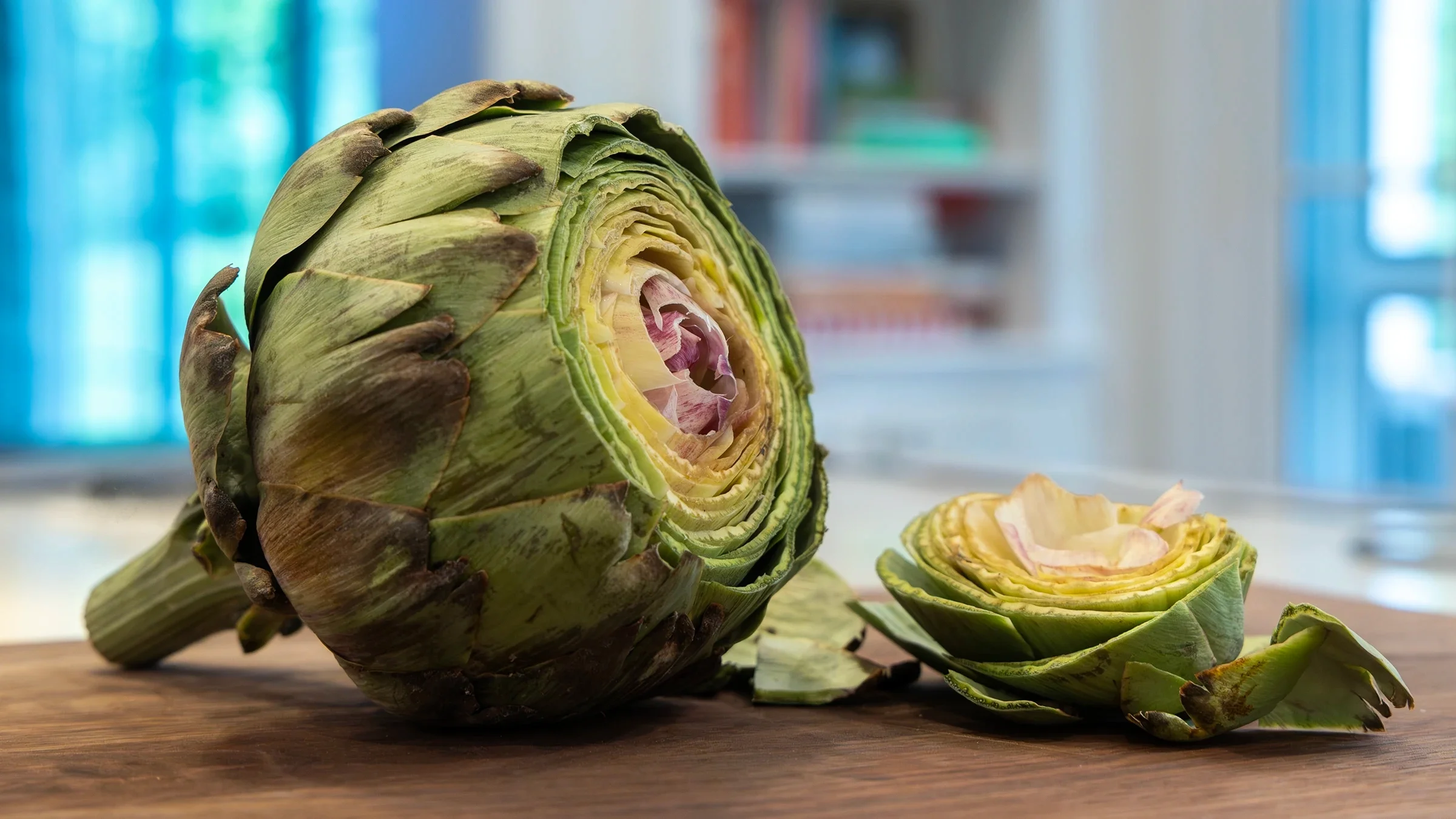
Artichokes are easy to prepare and eat once you understand their parts, including the:
Outer leaves: These are the outermost parts of the artichoke, which give it its signature spiky look. These leaves are edible once cooked.
Heart: The heart is the tender, meaty center of the artichoke. You can cook whole artichokes at home or buy artichoke hearts canned, frozen, or jarred. Keep in mind that marinated artichoke hearts can be higher in sodium, so it’s worth checking the nutrition label if you’re watching your sodium intake.
Choke: This fuzzy layer sits under the leaves and above the heart. The choke isn't edible, so it's usually removed before eating the heart underneath.
How to cook artichokes
To cook an artichoke, trim the stem and the tips of the leaves. Then, steam or boil it whole until the leaves are tender enough to pull off easily. This usually takes about 30 minutes, depending on the size of the artichoke.
Serving tips, plus how to eat artichoke
Whole artichokes are often served with dipping sauces, like melted butter, olive oil, or mayonnaise. To eat them, pull off the leaves one at a time, dip them in the sauce of your choice, and scrape the soft flesh from the base of each leaf with your teeth. It's a little messy, but that hands-on experience is part of what makes eating whole artichokes fun.
Once you've finished the leaves, remove the fuzzy choke to reach the tender heart underneath.
Tips for adding artichoke to your diet
Whether you buy artichoke hearts or cook your own, there are plenty of simple ways to add them to meals, such as:
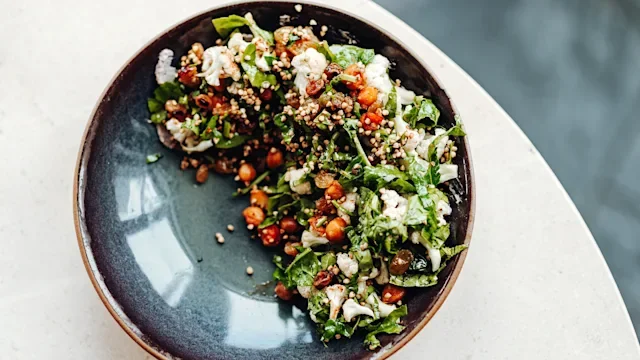
Adding them to salads or grain bowls
Tossing them into pasta dishes
Blending them into dips
Adding them to pizza or flatbreads
Mixing them into omelets or frittatas
Adding them to casseroles
Layering them onto sandwiches
Placing a bowl of them on a cheese board
Roasting them with other vegetables
Frequently asked questions
Artichokes are considered a high-potassium food, so people on dialysis are often told to limit them. Some people may still be able to eat artichokes in moderation, especially if they avoid pairing them with other high-potassium foods in the same meal. But potassium needs can vary widely depending on your individual health needs and dialysis plan. So, it’s best to check with your healthcare team before eating artichokes regularly.
Artichoke extract supplements may support liver health and digestion. Some studies suggest that artichoke extract may increase bile production and help maintain healthy cholesterol levels. But more research is needed to fully understand the benefits, risks, and long-term safety of taking artichoke extract.
Artichokes are considered a high-potassium food, so people on dialysis are often told to limit them. Some people may still be able to eat artichokes in moderation, especially if they avoid pairing them with other high-potassium foods in the same meal. But potassium needs can vary widely depending on your individual health needs and dialysis plan. So, it’s best to check with your healthcare team before eating artichokes regularly.
Artichoke extract supplements may support liver health and digestion. Some studies suggest that artichoke extract may increase bile production and help maintain healthy cholesterol levels. But more research is needed to fully understand the benefits, risks, and long-term safety of taking artichoke extract.
The bottom line
Artichokes can seem a little intimidating with their spiky leaves, but they’re worth getting to know. These vegetables are full of fiber and antioxidants that can support your gut, heart, and overall health. And they’re way more versatile than you might think, since you can cook them whole or buy ready-to-use artichoke hearts. Try adding them to a dish you already like. However you choose to eat them, they’re an easy way to add more nutrients to your diet.

Why trust our experts?




References
Alrawili, H. M., et al. (2026). Hepatoprotective effect of cynarin on alpha-naphthyl isothiocyanate-induced cholestatic liver injury: Associated modulation of TXNIP/NLRP3 and HMGB1/NF-κB signaling cascades. Pharmaceuticals.
Chen, I., et al. (2023). Physiology, bile acids. StatPearls.
Daley, S. F., et al. (2025). The role of dietary fiber in health promotion and disease prevention: A practical guide for clinicians. StatPearls.
Ferracane, R., et al. (2008). Effects of different cooking methods on antioxidant profile, antioxidant capacity, and physical characteristics of artichoke. Journal of Agricultural and Food Chemistry.
McKeown, N. M., et al. (2022). Fibre intake for optimal health: How can healthcare professionals support people to reach dietary recommendations? BMJ.
McRae, M. P. (2017). Dietary fiber is beneficial for the prevention of cardiovascular disease: An umbrella review of meta-analyses. Journal of Chiropractic Medicine.
Megur, A., et al. (2022). Prebiotics as a tool for the prevention and treatment of obesity and diabetes: Classification and ability to modulate the gut microbiota. International Journal of Molecular Sciences.
MyFoodData. (n.d.). Artichokes, (globe or French), cooked, boiled, drained, without salt.
National Institutes of Health. (2023). Vitamin C fact sheet for consumers.
Olas, B. (2024). An overview of the versatility of the parts of the globe artichoke (Cynara scolymus L.), its by-products and dietary supplements. Nutrients.
Sahebkar, A., et al. (2017). Lipid-lowering activity of artichoke extracts: A systematic review and meta-analysis. Critical Reviews in Food Science and Nutrition.
Santos, H. O., et al. (2018). The effect of artichoke on lipid profile: A review of possible mechanisms of action. Pharmacological Research.
Slavin, J. (2013). Fiber and prebiotics: Mechanisms and health benefits. Nutrients.
Soliman, G. (2019). Dietary fiber, atherosclerosis, and cardiovascular disease. Nutrients.
Wang, L., et al. (2022). The biological activity mechanism of chlorogenic acid and its applications in food industry: A review. Frontiers in Nutrition.
Xia, N., et al. (2014). Artichoke, cynarin, and cyanidin downregulate the expression of inducible nitric oxide synthase in human coronary smooth muscle cells. Molecules.
Zhang, Q., et al. (2023). Effect of prebiotics, probiotics, synbiotics on depression: Results from a meta-analysis. BMC Psychiatry.