






Vimpat (Lacosamide) Dosages: Your GoodRx Guide
Vimpat is prescribed to treat certain kinds of seizures in adults and children. The suggested Vimpat dosage depends on your age and other factors.
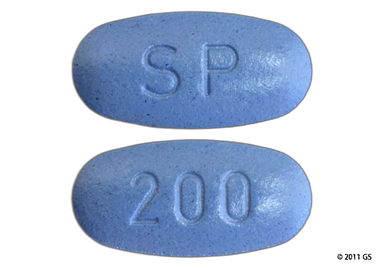
Lacosamide (Vimpat) is an antiepileptic. People 1 month and older can take it on its own or with other antiepileptics for partial-onset seizures (also called focal aware seizures). It's also an add-on medication for people 4 years and older who have primary generalized tonic-clonic (PGTC) seizures (or grand mal seizures). Lacosamide (Vimpat) comes as tablets and an oral solution that's taken by mouth twice a day. It's also available as an injection that's used in the hospital. Side effects include dizziness, headache, and nausea. Lacosamide (Vimpat) comes as both brand-name and generic versions, but it's a controlled substance.

Lacosamide (Vimpat) is an antiepileptic, which is another name for an anti-seizure medication. It's not exactly clear how the medication works to treat seizures. But researchers think it blocks nerve signaling in the brain. This helps calm your brain activity to control seizures.
| Common Brands | Vimpat |
|---|---|
| Drug Class | Antiepileptic |
| Controlled Substance Classification | Schedule V |
| Generic Status | Lower-cost generic available |
| Availability | Prescription only |

Lacosamide (Vimpat) can cause some serious health issues. This risk may be even higher for certain groups. If this worries you, talk to your doctor or pharmacist about other options.
Antiepileptics like lacosamide (Vimpat) can raise the risk of having thoughts about suicide or hurting yourself. This risk can appear as early as 1 week after starting the medication.
Watch for signs of depression and any unusual changes in mood or behavior. This is especially important in the first few months of taking lacosamide (Vimpat) or after a dose change.
Call your care team if you or someone close to you notices anything worrisome. If you start thinking about hurting yourself, call 911 or get medical help right away.
Lacosamide (Vimpat) can make you feel dizzy. It can also make you have problems with movement or coordination. These side effects usually happen when you first start the medication or when you switch to a higher dose. Talk to your prescriber if these side effects don't go away or if it's too bothersome.
Lacosamide (Vimpat) can change how your heart beats. It might make your heart beat in an abnormal way. Rarely, this can be life-threatening.
It's important to tell your prescriber and pharmacist about all your health conditions and medications that you take. This helps them check if you're at risk for heartbeat changes. The risk is higher if you already have heart problems. And some other medications can raise this risk if you take them with lacosamide (Vimpat).
If you're at risk, your prescriber will have you get a test done called an electrocardiogram (EKG). This test checks the electrical signals of your heart. You'll need an EKG before you start lacosamide (Vimpat) and regularly while you're taking it.
Get medical help right away if you feel any chest discomfort or palpitations while taking lacosamide (Vimpat). Also get help if you feel like you're going to pass out. These could be signs of heart rhythm problems.
Don't stop taking lacosamide (Vimpat) without talking to your prescriber first. Stopping antiepileptic medications too fast can raise the risk of seizures. These seizures can happen more often or last longer, which can be dangerous.
If you want to stop taking lacosamide (Vimpat), talk to your prescriber. They'll help you do this safely. Usually, they'll slowly lower the dose over at least a week to help prevent seizures from getting worse.
In some rare cases, people have had a serious and sometimes life-threatening allergic reaction to lacosamide (Vimpat). It's called Drug Reaction with Eosinophilia and System Symptoms, or DRESS syndrome.
DRESS syndrome can cause fever, rash, swollen lymph nodes, and facial swelling. In serious cases, it can lead to abnormal blood cell counts and damage to parts of your body, like your liver, kidneys, or heart.
Look out for a rash, fever, swollen lymph nodes, flu-like symptoms, swollen face, or trouble breathing. If this happens, stop taking lacosamide (Vimpat) and get medical help right away.
The oral solution of lacosamide (Vimpat) has an artificial sweetener called aspartame. This artificial sweetener can be harmful for people who have a genetic condition called phenylketonuria (PKU).
If you or your child has PKU, talk to your prescriber. They can help you find other options that will be safer to take.

The following side effects may get better over time as your body gets used to the medication. Let your healthcare provider know immediately if you continue to experience these symptoms or if they worsen over time.
Contact your healthcare provider immediately if you experience any of the following.
Side effects that you should report to your care team as soon as possible:
Side effects that usually do not require medical attention (report to your care team if they continue or are bothersome):



Tips for the lacosamide (Vimpat) oral solution:

Adults 17 years and older
Children
Your dose might differ if you have liver or severe kidney problems.
Lacosamide (Vimpat) is also available as an injection given through the vein. It's administered by a trained healthcare professional in the hospital.







Prescription savings
Stop paying too much for your prescriptions. Compare prices, get pharmacy coupons, and save up to 80%. Find expert answers to your health questions so you can make the best decisions for yourself and your family.
Health conditions
Medications & treatment
Access & affordability
 Our monthly healthcare membership can help you save thousands on your prescription costs.
Resources

Yes, Vimpat is a schedule 5 controlled substance (C-V). This means that it can potentially be misused. Taking the medication for a long time could also potentially lead to dependence. This is when your body relies on the medication to function normally. And when you stop taking it too suddenly, it could cause withdrawal symptoms. There aren't any reports of withdrawal with Vimpat yet, but the risk can't be ruled out. Since Vimpat is a controlled substance, there are federal and state laws about how it can get prescribed and filled. Ask your prescriber or pharmacist if you have more questions. Keep Vimpat in a safe place where others can't get to it.
No. Don't crush or split Vimpat tablets. You should swallow the tablets whole with liquid. If you're having trouble swallowing the tablet, talk to your prescriber. They can give you a new prescription for the liquid version of this medication, which could be easier for you to take.
No, Vimpat is not a benzodiazepine. Instead, it's a type of medication called an antiepileptic. Antiepileptics and some benzodiazepines can help with seizures. But they work in different ways to calm down the brain and control seizures.
No, Vimpat isn't a narcotic. The term "narcotic" usually refers to opioid pain medications. Vimpat isn't an opioid. Instead, it's an antiepileptic for seizures.
Weight gain isn't a typical side effect of Vimpat. If you're worried about your weight, speak to your prescriber or primary care provider.
Hair loss isn't a common side effect of Vimpat. But there have been rare cases of hair loss with the medication. If you notice more hair is falling out than usual, talk to your prescriber or primary care provider. They can help figure out what might be causing this hair loss and how to manage it.
Yes, Vimpat can make you feel sleepy or tired. Avoid drinking alcohol because this can make these side effects worse. It's also best not to drive or do other things that could be dangerous and need all your attention until you know how this medication affects you. Tell your prescriber if you feel too sleepy and you can't go about your usual day.
A single dose of Vimpat usually stays in your system for about 2 to 3 days. This is based on the half-life of the medication. It measures how long it takes for your body to get rid of the medication. If you have severe kidney problems, your body can't get rid of Vimpat as quickly. So the medication could stay in your body a bit longer. Ask your prescriber if you have more questions about how long the medication stays in your system.
