








10 Medication Side Effects That Can Affect Your Mouth
Some medications cause mouth-related side effects, like dry mouth and burning mouth syndrome. Here are 10 common issues and medications that may cause them.
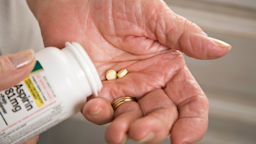
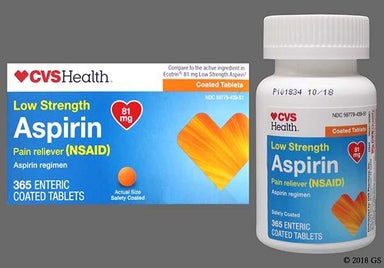
Aspirin is an over-the-counter NSAID (nonsteroidal anti-inflammatory drug) that helps lessens inflammation. It's used to help lower fevers and relieve pain from minor injuries in people 12 years of age and older. A lower dose of aspirin is also commonly used for heart protection in certain adults who are at risk of having a heart attack or stroke. This medication most often comes as pills that are taken by mouth. Aspirin side effects include heartburn and stomach upset.

Aspirin is an NSAID, or a nonsteroidal anti-inflammatory drug. It works by blocking proteins in the body called cyclooxygenase (COX). There are two forms of COX proteins: COX-1 (which helps your blood clot) and COX-2 (which plays a role in causing inflammation).
At the full strength (325 mg), aspirin blocks both COX-1 and COX-2. This helps relieve swelling, pain, and fever.
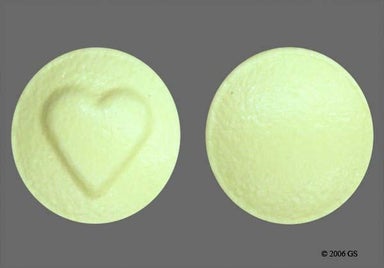
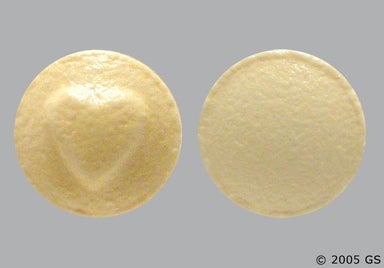
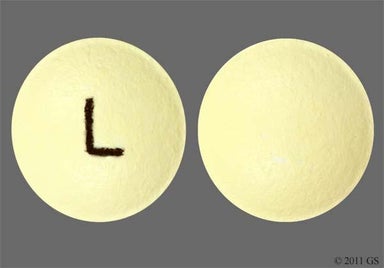
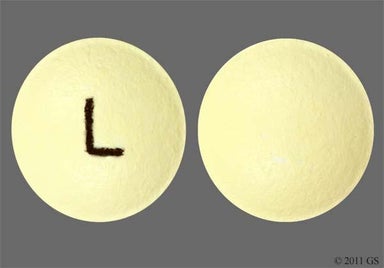
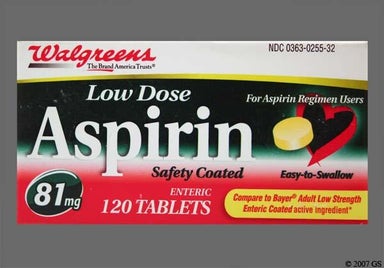
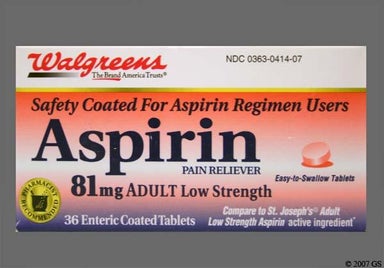
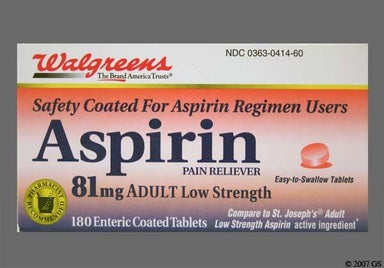
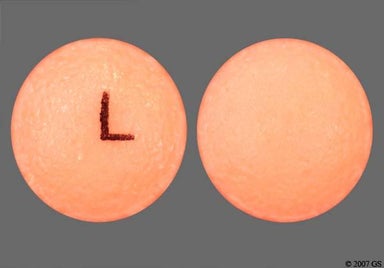
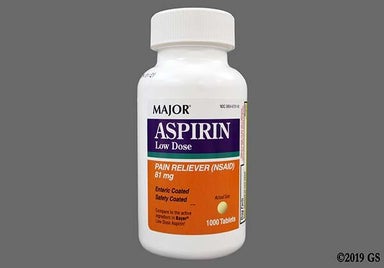
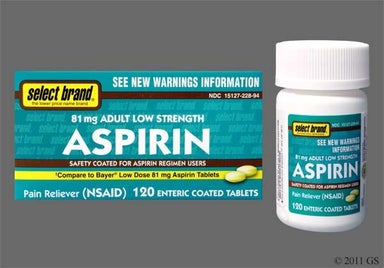
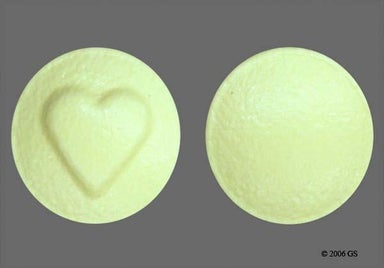
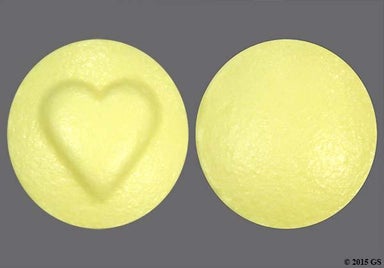
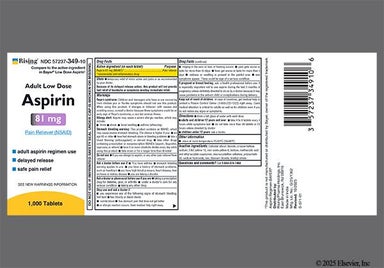
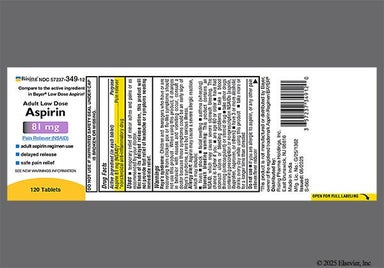
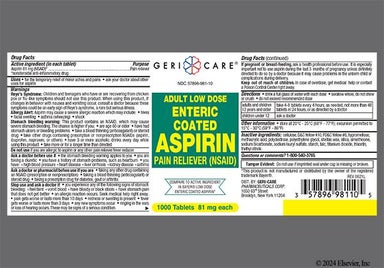
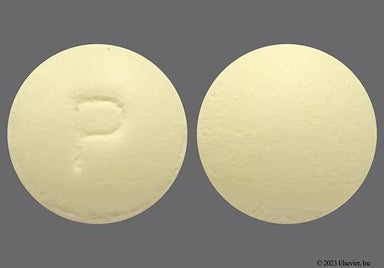
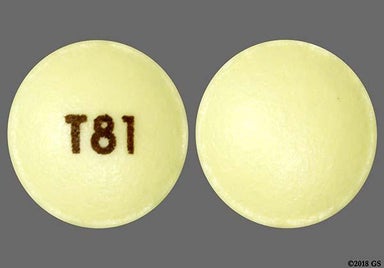
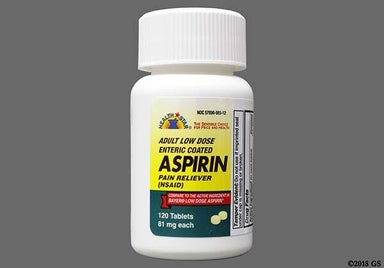
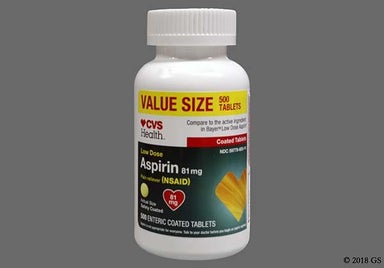
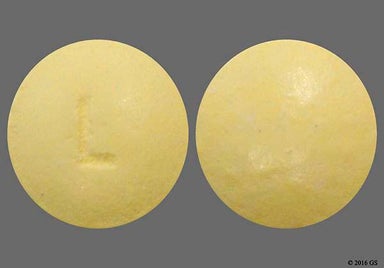
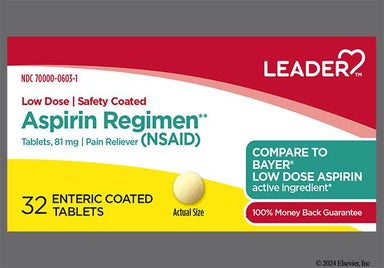
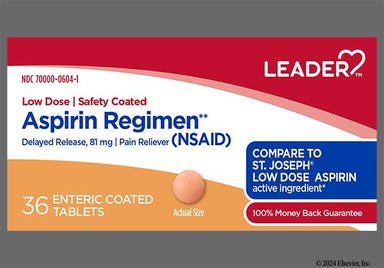
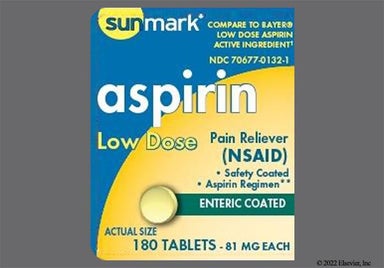
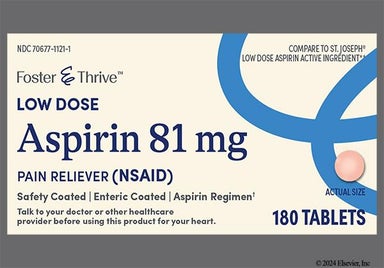
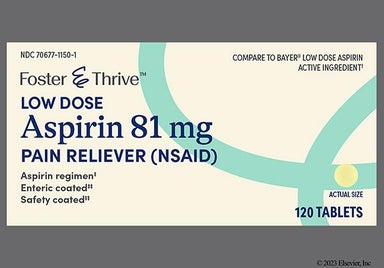
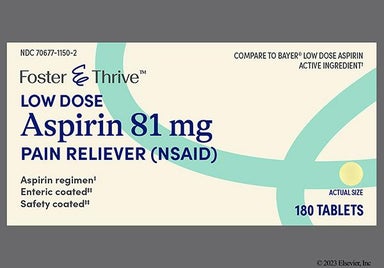
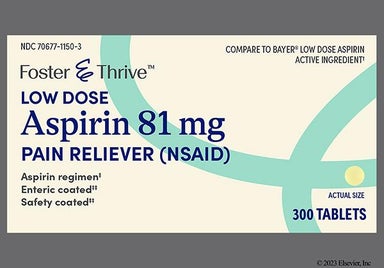
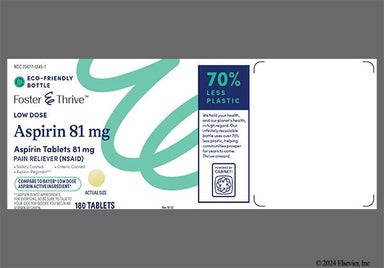
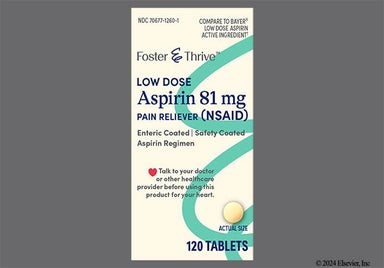
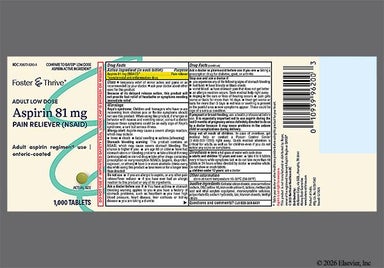
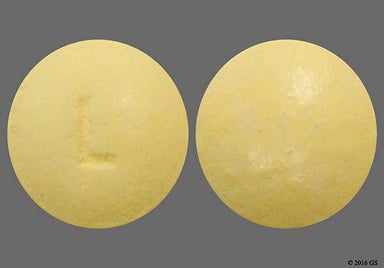
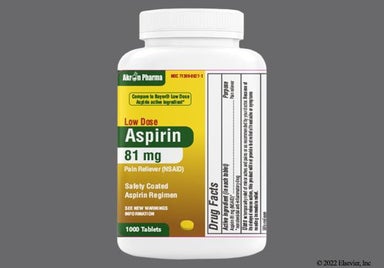
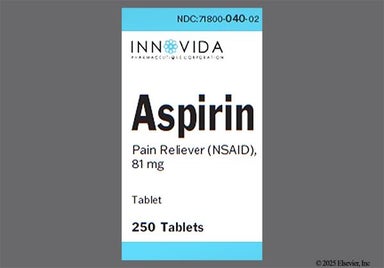
At lower doses (81 mg per day), aspirin works as a blood thinner by blocking COX-1 more so than COX-2. This helps keep your platelets from clumping together in the blood and forming clots that can potentially lead to a heart attack or stroke. By preventing your platelets from sticking together and forming dangerous blood clots, low-dose aspirin might lower the risk of heart attack or stroke in certain adults.
| Common Brands | Aspir-Low, Bayer Aspirin, Bufferin, Ecotrin, Vazalore |
|---|---|
| Drug Class | NSAID |
| Controlled Substance Classification | Not a controlled medication |
| Generic Status | Lower-cost generic available |
| Availability | Over-the-counter |

The following side effects may get better over time as your body gets used to the medication. Let your healthcare provider know immediately if you continue to experience these symptoms or if they worsen over time.
Contact your healthcare provider immediately if you experience any of the following.
Side effects that you should report to your care team as soon as possible:
Side effects that usually do not require medical attention (report these to your care team if they continue or are bothersome):




Aspirin can cause some serious health issues. This risk may be even higher for certain groups. If this worries you, talk to your doctor or pharmacist about other options.
Aspirin can irritate your stomach, which can cause stomach pain or heartburn. It can also lead to serious problems, including bleeding and ulcers in the stomach. The risk of stomach bleeding is higher if you're taking aspirin along with blood thinners or oral corticosteroids because these medications can also cause bleeding. Let your provider know right away if you have stomach pain that doesn't get better; vomit blood or bits that look like coffee grounds; or have bloody or black, tarry stools. These might be signs of stomach bleeding or a stomach ulcer.
At doses of 325 mg or greater, aspirin can lower blood flow in the kidneys, which can sometimes cause damage to the kidneys. The risk is higher if you already have kidney problems, liver problems, or heart failure. You're also at higher risk if you're taking other medications that might harm the kidneys, such as blood pressure medications like lisinopril (Zestril) and losartan (Cozaar). Stop taking aspirin and let your provider know if you're not urinating as often as usual or if you have fever, muscle weakness, numbness in your arms or legs, or a fast heartbeat. These can be signs of kidney damage.
Aspirin use in children is linked to a rare, but serious and life-threatening condition called Reye's syndrome. Children recovering from flu-like symptoms or other viruses who take aspirin are at high risk for this dangerous condition. Early symptoms of Reye's syndrome include vomiting, sleepiness, confusion, nightmares, aggressiveness, and fast breathing and heart rate. But if left untreated, it can lead to coma and seizures. Get medical help as quickly as possible if any of these symptoms occur.
To avoid Reye's syndrome in children, don't give aspirin or any medications that contain aspirin to a child with chicken pox or flu-like symptoms. Ask your healthcare provider for recommendations for children who are sick.
If you're at least 20 weeks along in your pregnancy, don't take aspirin doses that are 325 mg or higher. This can cause problems with your baby's growth and development; it can harm your unborn baby's kidneys and heart. Ask your healthcare provider about alternative medications that are safer to help with pain and fever during pregnancy.
Although rare, it's possible to have a severe and life-threatening allergic reaction to aspirin. These allergic reactions can include hives, facial swelling, and wheezing. Aspirin can also cause severe skin reactions, such as reddening or peeling of the skin, painful rash, and fluid-filled blisters. Stop taking aspirin and go to the emergency room right away if you experience any of these symptoms.
If your provider has recommended that you take low-dose aspirin (81 mg per day), make sure you're taking the correct strength and not strengths or doses that are 325 mg or greater. Higher doses of aspirin don't work the same way as the lower dose. And accidentally taking a higher dose of aspirin than prescribed can raise your risk for side effects.

Adults and children 12 years or older
Children under 12 years: Aspirin isn't recommended for children in this age group. Ask your child's healthcare provider to see what other pain and fever medications your child can take.


Contraindications are specific health conditions or situations in which a person should not take a medication due to safety concerns. If you have any of the following conditions or if any of the following apply to you, let your healthcare provider know because Aspirin will not be safe for you to take.
















Prescription savings
Stop paying too much for your prescriptions. Compare prices, get pharmacy coupons, and save up to 80%. Find expert answers to your health questions so you can make the best decisions for yourself and your family.
Health conditions
Medications & treatment
Access & affordability
Medication discounts

Clinical guidelines recommend taking low-dose Aspirin (81 mg per day) to prevent another heart attack or stroke if you've had one before. But guidelines are less clear about taking low-dose Aspirin to prevent heart attack or stroke from happening for the first time. Low-dose Aspirin might be beneficial for some people who are at high risk of a first-time heart attack or stroke, but more studies are needed to confirm whether the benefits outweigh the risk of bleeding. Talk to your provider about the risks and benefits of taking low-dose Aspirin based on your individual risk factors.
Yes, Aspirin is an NSAID (also known as a nonsteroidal anti-inflammatory drug). It works similarly to other NSAIDs, like ibuprofen (Motrin, Advil) and naproxen (Aleve).
At lower doses (81 mg per day), Aspirin works as a blood thinner by blocking a protein called cyclooxygenase-1 (COX-1). This protein normally helps your platelets clump together and make clots to help stop any bleeding. When low-dose Aspirin blocks this protein, it prevents your platelets from sticking together. This helps prevent the formation of blood clots that could potentially block blood flow and lead to a heart attack or stroke. This is why low-dose Aspirin is commonly used to protect the heart and lower the risk for heart attacks or strokes in certain adults.
Studies haven't shown that Aspirin consistently lowers blood pressure. Speak with your healthcare provider about blood pressure medications that are right for you. Keep in mind that Aspirin might cause some blood pressure medications, such as lisinopril (Zestril) and losartan (Cozaar), to work less well.
It's generally safe to take Aspirin and acetaminophen (Tylenol) together since there aren't any known interactions between the two medications. They work differently inside the body, and they don't have the same safety risks. It's important to note that acetaminophen (Tylenol) carries its own risks, so be sure to ask a provider if you're not sure whether acetaminophen (Tylenol) is safe for you to take.
It's generally not recommended to take Aspirin and ibuprofen (Motrin, Advil) together. In general, taking Aspirin and ibuprofen together can raise your risk for side effects, such as stomach upset, bleeding, and ulcers. This is because the two medications are both NSAIDs that work similarly and share similar risks for stomach irritation. Ask your provider or pharmacist about how to choose between the two medications to help relieve minor aches and pains and fever. You can also ask about what other options you have if taking either medication alone doesn't provide enough relief for you. And if you need to take low-dose Aspirin (81 mg per day) for other reasons (like heart protection), check with your provider or pharmacist about what options they can recommend for pain and fever.
Speak with your healthcare provider first about whether you should take Aspirin during pregnancy. In certain situations, your provider might recommend that you take low-dose Aspirin (81 mg per day) starting in the second trimester to prevent a dangerous complication of high blood pressure during pregnancy called preeclampsia. Typically, providers recommend starting low-dose Aspirin for this purpose between 12 weeks and 28 weeks of pregnancy (preferably before 16 weeks). Don't take Aspirin doses of 325 mg or higher for preeclampsia (or for pain relief and fever), especially after 20 weeks of pregnancy; this can cause serious harm to your unborn baby. Ask your provider about safer options for pain and fever during pregnancy.
Low-dose Aspirin is often called "baby Aspirin," since it's a lower strength (81 mg) than the strength typically used for pain and fever relief (325 mg or greater). Studies show that taking "baby aspirin" every day might be useful for certain health conditions in some adults, such as protecting the heart from another heart attack or stroke. Even though the name might suggest otherwise, low-dose Aspirin or "baby aspirin" (81 mg) shouldn't be used in babies or children 18 years and younger without speaking to a provider first. In children, Aspirin can cause serious side effects like Reye's syndrome or Aspirin toxicity, both of which can be life-threatening if not recognized and treated in time. Ask a provider or pharmacist for recommendations about pain and fever medications that your child can safely take.
