

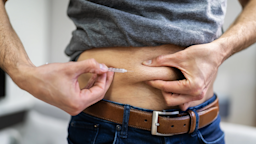
Injectable Testosterone: 3 Options You Should Know About
Testosterone injections can raise testosterone for men with low levels. Learn about the different types of T shots, including info on dosage and side effects.
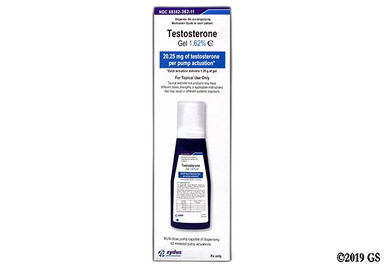
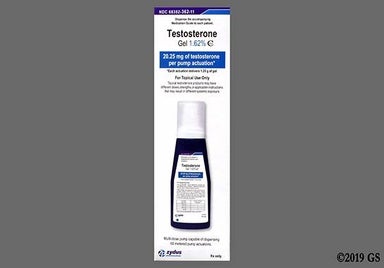
Testosterone gel is a prescription topical medication used to treat men with low testosterone. It helps raise testosterone levels when your body doesn't make enough naturally. You typically apply it once a day to your skin. Depending on the product, the gel comes in packets, pumps, or tubes. Some side effects include skin irritation, mood changes, and headache.
Note: This medication is available under several brand names, including AndroGel, Testim, and Vogelxo as well as in generic versions. Each might have different strengths, application sites, and instructions.

Testosterone gel is a testosterone replacement therapy that acts like the natural hormone testosterone. Testosterone helps support many male traits and functions, such as muscle and bone strength, sex drive, and sperm production.
Testosterone gel works by raising testosterone levels back to a normal and healthy range in men with low testosterone.
| Common Brands | AndroGel, Testim, Vogelxo |
|---|---|
| Drug Class | Testosterone replacement |
| Controlled Substance Classification | Schedule III |
| Generic Status | Lower-cost generic available |
| Availability | Prescription only |

Testosterone gel can cause some serious health issues. This risk may be even higher for certain groups. If this worries you, talk to your doctor or pharmacist about other options.
If testosterone gel gets on someone else’s skin, it can cause unwanted body changes. In children, this might cause larger genitals, early pubic hair, a stronger sex drive, or more aggressive behavior. Women might notice a deeper voice, acne, missed period, or more facial and body hair. If a pregnant woman expecting a baby girl touches testosterone gel, the baby could develop male features. If you or someone else notices these changes, tell your prescriber right away as you might need to stop using the medication until the cause is known.
Follow the directions carefully to prevent any accidental contact. After you apply testosterone gel, let it dry, cover the area with clothing, and wash your hands well with soap and water. If someone touches the area before it’s washed or covered, they should wash their skin with soap and water right away.
Testosterone gel can raise your red blood cell count, which can cause blood clots. Your prescriber will check your red blood cell levels before you start treatment, again 3 to 6 months after starting, and then every year. If your levels get too high, you might have to stop the medication until they return to normal.
Testosterone gel itself can cause life-threatening blood clots in your legs or lungs. If you notice leg pain, swelling, warmth, or redness, tell your prescriber right away, as these could be signs of a blood clot in your leg. If you suddenly have trouble breathing or chest pain, it could mean a clot has moved to your lungs. If this happens, you might have to stop taking the medication.
Taking testosterone gel can worsen certain symptoms if you have an enlarged prostate, also called benign prostatic hyperplasia (BPH). Let your prescriber know if you notice changes in urination, such as going more often at night, feeling like you need to go right away, having trouble starting, leaking, or a weak stream.
Testosterone gel might also raise your risk of prostate cancer. Your prescriber might order blood tests or check your prostate before and during treatment to help keep you safe.
Testosterone gel can raise your blood pressure. Having high blood pressure over time can increase your risk for heart problems, like heart attack or stroke.
Get emergency help right away if you have chest pain, cold sweats, left arm pain, trouble breathing, trouble walking, trouble speaking, or weakness on one side of the body. Your prescriber should check your blood pressure often while you’re using this medication, especially if you already have high blood pressure.
Testosterone gel is a controlled substance because it can be misused or cause dependence, especially if you take higher doses than prescribed or combine it with other testosterone products.
Misusing testosterone gel can lead to addiction. This medication is only approved by the FDA to treat low testosterone in men. Taking testosterone gel for other reasons can cause serious heart and mental health problems. Always use it exactly as prescribed.
Testosterone gel can lower sperm count, which might make it harder to have a baby. This is more likely with higher doses, and the effect could be permanent. Tell your prescriber if you plan to have children before starting this medication.
Using certain forms of testosterone, such as methyltestosterone or testosterone enanthate intramuscular injection, for a long time can cause serious liver problems. This isn't a known risk of testosterone gel, but it's still important to look out for symptoms of liver damage. Let your prescriber know if you have stomach pain, pale stools, dark urine, or yellowing of your skin or eyes.
Testosterone gel can make your body keep extra salt and water, which might lead to edema, or swelling in your arms and legs. This is more likely if you take other medications that cause swelling, like corticosteroids (e.g., prednisone, methylprednisolone). Swelling can be more serious if you have heart, liver, or kidney problems. Tell your prescriber if you notice these symptoms.
Some people using testosterone gel might develop gynecomastia, which is swelling or enlargement of breast tissue in men. You might also feel soreness or pain in your chest area. Talk to your prescriber if you have questions about this side effect.
Testosterone gel can make sleep apnea, a condition that causes breathing problems during sleep, worse in some people. This is more likely if you have obesity or lung problems. Talk to your prescriber if you or your partner notice loud snoring, pauses in breathing during sleep, or if you feel very tired during the day.
Testosterone treatments like testosterone gel can affect your cholesterol levels. Your prescriber might need to adjust your dose or stop the medication if these changes happen. They will check your cholesterol regularly, especially when you first start using the medication.
Testosterone gel can raise calcium levels in your blood and urine, especially in people with cancer. High calcium levels can cause symptoms such as muscle weakness, frequent urination, thirst, stomach pain, and blood in the urine. Your prescriber might check your blood regularly during treatment to make sure your calcium levels stay normal.

The following side effects may get better over time as your body gets used to the medication. Let your healthcare provider know immediately if you continue to experience these symptoms or if they worsen over time.
AndroGel 1.62%
AndroGel 1%
Testim
Vogelxo
AndroGel 1.62%
AndroGel 1%
Testim
Vogelxo
Contact your healthcare provider immediately if you experience any of the following.
Along with its needed effects, a medicine may cause some unwanted effects. Although not all of these side effects may occur, if they do occur they may need medical attention.
Check with your doctor immediately if any of the following side effects occur:
Less common
Bloating or swelling of the face, arms, hands, lower legs, or feet
blurred vision
feeling faint, dizzy, or lightheaded
feeling of warmth or heat
flushing or redness of the skin, especially on the face and neck
frequent strong or increased urge to urinate
headache
nervousness
pain, redness, or swelling in the arm or leg
pounding in the ears
slow or fast heartbeat
sweating
swelling of the breasts or breast soreness in both females and males
tingling of the hands or feet
unusual weight gain or loss
waking to urinate at night
Incidence not known
Aggressive behavior
bluish lips or skin
decrease in testicle size
development of pubic hair
difficult or labored breathing
dizziness or lightheadedness
enlargement of the clitoris or penis
fainting
fast heartbeat
not breathing
pain, redness, or swelling in the arm or leg
painful or prolonged erection of the penis
tightness in the chest
troubled breathing
Some side effects may occur that usually do not need medical attention. These side effects may go away during treatment as your body adjusts to the medicine. Also, your health care professional may be able to tell you about ways to prevent or reduce some of these side effects. Check with your health care professional if any of the following side effects continue or are bothersome or if you have any questions about them:
More common
Blemishes on the skin
burning, itching, redness, skin rash, swelling, or soreness at the application site
Less common
Burning, crawling, itching, numbness, prickling, "pins and needles", or tingling feelings
crying
decreased interest in sexual intercourse
discoloration of the hair
false or unusual sense of well-being
inability to have or keep an erection
lack or loss of strength
loss in sexual ability, desire, drive, or performance
loss of memory
paranoia
problems with memory
quick to react or overreact emotionally
rapidly changing moods
thinning of the hair
Incidence not known
Increased in sexual ability, desire, drive, or performance
trouble sleeping
Other side effects not listed may also occur in some patients. If you notice any other effects, check with your healthcare professional.
Call your doctor for medical advice about side effects. You may report side effects to the FDA at 1-800-FDA-1088.




 Bottle of topical solution
| Dosage | Quantity | Price as low as | Price per unit |
|---|---|---|---|
| 90ml of 30mg/1.5ml | 1 bottle | $54.75 | $54.75 |
| 110ml of 30mg/1.5ml | 1 bottle | $60.57 | $60.57 |
 Gel pump
| Dosage | Quantity | Price as low as | Price per unit |
|---|---|---|---|
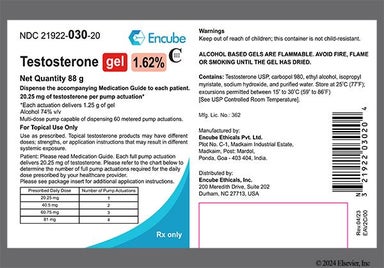
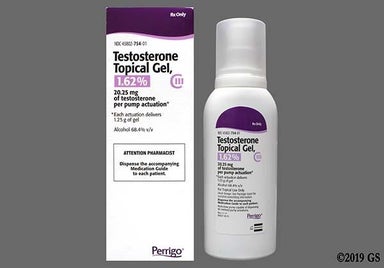
| 88g of 12.5mg per actuation | 2 pumps | $71.17 | $35.59 |
| 60g of 10mg per actuation | 1 pump | $174.66 | $174.66 |
| 88g of 1.62% | 1 pump | $39.81 | $39.81 |
 Packet of gel
| Dosage | Quantity | Price as low as | Price per unit |
|---|---|---|---|
| 2.5g of 1% | 30 packets | $90.65 | $3.02 |
| 5g of 1% | 30 packets | $82.88 | $2.76 |
| 1.25g of 1.62% | 30 packets | $152.70 | $5.09 |
| 2.5g of 1.62% | 30 packets | $147.97 | $4.93 |
 Tube of gel
| Dosage | Quantity | Price as low as | Price per unit |
|---|---|---|---|
| 5g of 1% | 30 tubes | $92.79 | $3.09 |

Although certain medicines should not be used together at all, in other cases two different medicines may be used together even if an interaction might occur. In these cases, your doctor may want to change the dose, or other precautions may be necessary. When you are taking this medicine, it is especially important that your healthcare professional know if you are taking any of the medicines listed below. The following interactions have been selected on the basis of their potential significance and are not necessarily all-inclusive.
Using this medicine with any of the following medicines is usually not recommended, but may be required in some cases. If both medicines are prescribed together, your doctor may change the dose or how often you use one or both of the medicines.
Using this medicine with any of the following medicines may cause an increased risk of certain side effects, but using both drugs may be the best treatment for you. If both medicines are prescribed together, your doctor may change the dose or how often you use one or both of the medicines.


Contraindications are specific health conditions or situations in which a person should not take a medication due to safety concerns. If you have any of the following conditions or if any of the following apply to you, let your healthcare provider know because Testosterone gel will not be safe for you to take.









Prescription savings
Stop paying too much for your prescriptions. Compare prices, get pharmacy coupons, and save up to 80%. Find expert answers to your health questions so you can make the best decisions for yourself and your family.
Health conditions
Medications & treatment
Access & affordability
Medication discounts

Where you apply [EDITOR|DRUG_DISPLAY_NAME]] depends on the brand you’re using. For example, you can put AndroGel 1% on your shoulders, upper arms, or stomach. But brands like AndroGel 1.62%, Testim, and Vogelxo should only go on your shoulders and/or upper arms. If you have the 2% testosterone gel, you apply it to the front or inner parts of your thighs. Always apply the gel to clean, dry skin, and then be sure to wash your hands right away. Let the area dry completely before you get dressed so the medication doesn't accidentally rub off on other people.
You should only apply AndroGel 1.62% to your shoulders and upper arms. These are the only spots the FDA has approved for safe and effective use. Even though a small study found that applying the gel to the stomach still raised testosterone levels, the absorption was lower compared to applying it to the shoulders and arms. Talk to your prescriber about the best place for you to apply the gel.
Although your testosterone levels might start to rise soon after starting Testosterone, it takes a bit longer for you to notice changes in how you feel. Improved mood or better sex drive usually show up in 3 to 4 weeks. Bigger changes, such as stronger muscles or healthier bones, typically take 2 or 3 months or more to appear. Your prescriber will monitor your hormone levels and how you’re feeling to make sure you’re getting the right dose.
Even after Testosterone dries on your skin, there's still a small chance that it could rub off onto someone else if they touch the area. To prevent this, always cover the application site by wearing clothing once the gel is dry. You should also wash your hands thoroughly with soap and water right after applying the gel. These steps help protect others from accidentally getting the medication on their skin, which could lead to unwanted side effects.
You can technically apply Testosterone at night, but it's generally recommended that you apply it in the morning. That’s because your body naturally makes more testosterone in the morning, and applying it then helps mimic your body’s normal rhythm. Talk to your prescriber if you have questions about when to apply this medication.
The number of days of treatment you get from a Testosterone pump depends on the brand, pump size, and your dose. If you're using AndroGel 1.62%, the pump usually lasts 30 days if you use two pumps a day. Both AndroGel 1% and Vogelxo come packaged as 2 pumps, with each pump lasting about 15 days (or 30 days total) if you use four pumps a day. The Testosterone 2% pump typically lasts about 30 days when using four pumps a day. The exact number of days might vary depending on how many pumps you're prescribed.
Testosterone can raise your testosterone levels, which might help you gain muscle mass and make your skin look tighter or fuller in some areas. But this medication isn't meant to treat or fix loose skin. If you’re concerned about loose skin, talk to your prescriber about the best ways to address it.
It takes on average about 4 to 5 hours for Testosterone to fully leave your system after one dose. This estimate is based on the medication's half-life, which is how long it takes for half of it to be cleared from your body. Keep in mind that everyone’s body works differently, so this timing can vary. If you have questions about how long this medication stays in your system, talk to your prescriber.

