


How Much Is Metrogel Without Insurance?
Generic Metrogel can cost over $100 without insurance or savings. Read on to learn more about how much Metrogel is without insurance and ways to save.
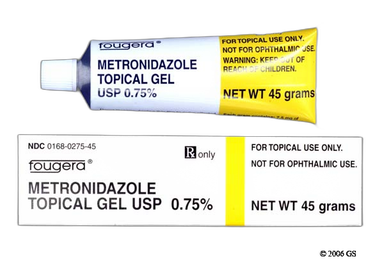
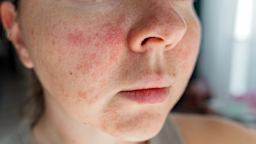
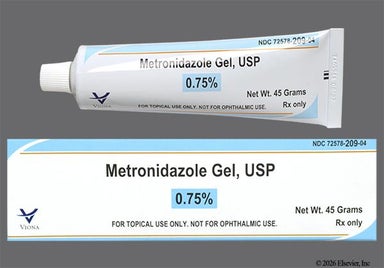
Topical metronidazole is a prescription nitroimidazole antibiotic used to treat the red, inflamed bumps and pimples caused by rosacea. It comes as a gel, cream, and lotion. The medication is typically applied to affected areas of your face once or twice a day. Side effects aren't common, but can include skin irritation and dryness.

Topical metronidazole is a nitroimidazole antibiotic. It isn't fully understood how it treats rosacea, but it's thought to reduce inflammation in the skin. This helps improve the red, inflamed bumps and pimples caused by rosacea.
| Common Brands | Metrogel |
|---|---|
| Drug Class | Nitroimidazole antibiotic |
| Controlled Substance Classification | Not a controlled medication |
| Generic Status | Lower-cost generic available |
| Availability | Prescription only |

The following side effects may get better over time as your body gets used to the medication. Let your healthcare provider know immediately if you continue to experience these symptoms or if they worsen over time.
Metronidazole gel:
Metronidazole cream:
Metronidazole lotion:
Metronidazole gel:
Metronidazole cream:
Metronidazole lotion:
Along with its needed effects, a medicine may cause some unwanted effects. Although not all of these side effects may occur, if they do occur they may need medical attention.
Some side effects may occur that usually do not need medical attention. These side effects may go away during treatment as your body adjusts to the medicine. Also, your health care professional may be able to tell you about ways to prevent or reduce some of these side effects. Check with your health care professional if any of the following side effects continue or are bothersome or if you have any questions about them:
Less common
redness or other signs of skin irritation not present before use of this medicine
stinging or burning of the skin
watering of eyes
Other side effects not listed may also occur in some patients. If you notice any other effects, check with your healthcare professional.
Call your doctor for medical advice about side effects. You may report side effects to the FDA at 1-800-FDA-1088.



How to use Topical metronidazole

Topical metronidazole can cause some serious health issues. This risk may be even higher for certain groups. If this worries you, talk to your doctor or pharmacist about other options.
Topical metronidazole can rarely cause nerve problems, such as peripheral neuropathy. Symptoms can include numbness, tingling, burning, or unusual sensations in your hands, arms, feet, or legs. Although it's more common with other forms of metronidazole, it has been seen with Topical metronidazole. Contact your prescriber right away if you develop new or worsening nerve symptoms so they can decide if you should continue treatment.
Topical metronidazole should be used with caution if you have a blood condition. Tell your prescriber about any history of blood cell problems before starting treatment.
Topical metronidazole can cause skin irritation or an allergic skin reaction where it's applied. Symptoms can include redness, itching, burning, swelling, or a rash. Contact your prescriber if you develop a bothersome skin reaction, since you might need to stop using the medication.
Topical metronidazole can cause your eyes to water or become irritated. Avoid applying the medication in or near your eyes. If you accidentally get it in your eyes, rinse them thoroughly with water.

 Gel pump
| Dosage | Quantity | Price as low as | Price per unit |
|---|---|---|---|
| 55g of 1% | 1 pump | $34.06 | $34.06 |

Although certain medicines should not be used together at all, in other cases two different medicines may be used together even if an interaction might occur. In these cases, your doctor may want to change the dose, or other precautions may be necessary. When you are taking this medicine, it is especially important that your healthcare professional know if you are taking any of the medicines listed below. The following interactions have been selected on the basis of their potential significance and are not necessarily all-inclusive.
Using this medicine with any of the following medicines is not recommended. Your doctor may decide not to treat you with this medication or change some of the other medicines you take.
Using this medicine with any of the following medicines is usually not recommended, but may be required in some cases. If both medicines are prescribed together, your doctor may change the dose or how often you use one or both of the medicines.
Using this medicine with any of the following medicines may cause an increased risk of certain side effects, but using both drugs may be the best treatment for you. If both medicines are prescribed together, your doctor may change the dose or how often you use one or both of the medicines.











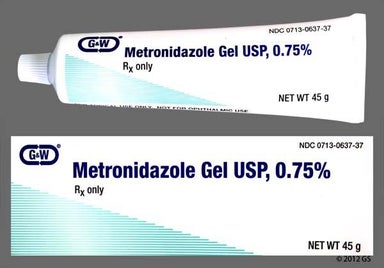
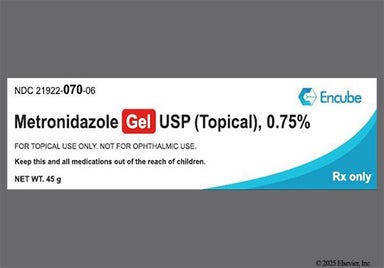
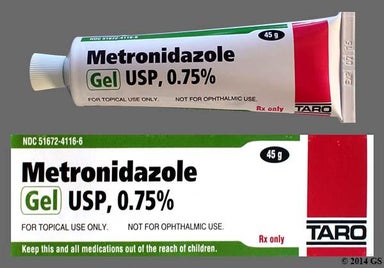
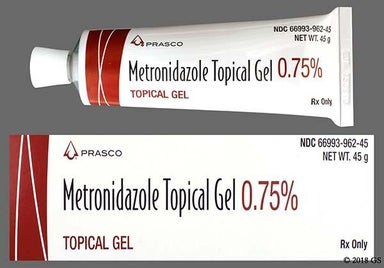
Prescription savings
Stop paying too much for your prescriptions. Compare prices, get pharmacy coupons, and save up to 80%. Find expert answers to your health questions so you can make the best decisions for yourself and your family.
Health conditions
Medications & treatment
Access & affordability
Medication discounts


No. Topical metronidazole is only available with a prescription from a healthcare professional.
Rosacea is a long-term condition with no permanent cure. Your prescriber will decide how long you should use topical metronidazole based on how well it works for you. Many people use it as a long-term, daily treatment to keep symptoms under control and help prevent flare-ups.
While oral antibiotics can sometimes cause vaginal yeast infections, topical metronidazole is applied to the skin and very little enters your bloodstream. Because of this, it's unlikely to cause a yeast infection. Contact your prescriber if you develop symptoms of a yeast infection.
You might notice significant improvement in your rosacea symptoms within about 3 to 4 weeks of starting topical metronidazole. But it can take a few months to see the full benefits.
Because you apply topical metronidazole to your skin instead of taking it by mouth, only a small amount is absorbed into your bloodstream. The amount that does enter your system is typically cleared within a couple of days after your last dose. Exactly how long this takes can vary from person to person.
There isn't enough information to know whether topical metronidazole is safe to use during pregnancy. Since it's applied to the skin, only a small amount is expected to reach your bloodstream. Talk to your healthcare professional about the risks and benefits of using this medication during pregnancy.
Yes, topical metronidazole can help reduce redness caused by inflamed rosacea bumps and pimples.
