



Modafinil Dosages: Your GoodRx Guide
The typical dose of Modafinil (Provigil) is 200 mg to 400 mg daily, though dosage recommendations vary depending on the condition you’re treating.
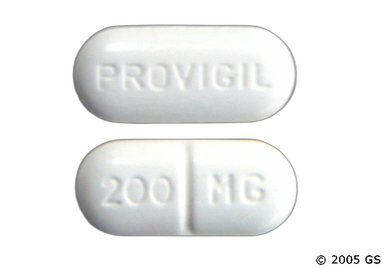
Modafinil (Provigil) helps improve wakefulness in adults with narcolepsy, obstructive sleep apnea, or shift work disorder. This wake-promoting medication comes as a tablet that’s taken by mouth. For adults with narcolepsy or sleep apnea, you take a dosage once daily in the morning. And for those with shift work disorder, you take your dosage 1 hour before the start of your work shift. Common side effects include headache and nausea. Modafinil (Provigil) is a controlled substance because of its potential for misuse.

Modafinil (Provigil) is a wake-promoting medication. Researchers don't know exactly how it works. But it appears to work in areas of the brain that play a role in controlling wakefulness.
| Common Brands | Provigil |
|---|---|
| Drug Class | Wakefulness-promoting agent |
| Controlled Substance Classification | Schedule IV |
| Generic Status | Lower-cost generic available |
| Availability | Prescription only |

Modafinil (Provigil) can cause some serious health issues. This risk may be even higher for certain groups. If this worries you, talk to your doctor or pharmacist about other options.
It’s rare, but some people can have a serious allergic reaction to modafinil (Provigil). This can look like swelling of the face, eyes, lips, tongue, or throat. It can also include other signs of anaphylaxis, like trouble breathing, trouble swallowing, or a rash.
Another kind of allergic reaction can also cause fever, rash, itching, weakness, and yellow skin or eyes. This type of reaction has happened from a few days to a month after starting modafinil (Provigil).
Get medical help right away if you think you’re having an allergic reaction while taking modafinil (Provigil).
Some people who took modafinil (Provigil) have had a serious rash. Although rare, this can include severe skin reactions that could be fatal. Examples are Stevens-Johnson syndrome (SJS) and Drug Reaction with Eosinophilia and Systemic Symptoms (DRESS) syndrome.
These serious rashes have happened within weeks after starting modafinil (Provigil). But it can also happen after months of treatment.
Serious rashes can look like sores or blisters on your skin, lips, or inside your mouth. Reactions can also cause fever or vomiting. Look out for a new rash, blisters, peeling skin, or other changes that worry you. If this happens, stop taking modafinil (Provigil) and get medical help right away.
Some people might still have a hard time staying awake while taking modafinil (Provigil). This might be more likely to happen several hours after taking the medication. Modafinil (Provigil) can also change how well you can pay attention, think, and react to things.
To be safe, be careful and don’t do anything that needs your full attention until you know how modafinil (Provigil) affects you. This includes driving a car and using heavy machines. Talk to your care team if these side effects make it hard to do things every day.
It’s not very common, but some people who take modafinil (Provigil) can have changes in mood or behavior. In studies, some people felt depressed, anxious, or confused. Rarely, people had hallucinations (seeing or hearing things that aren't there), mania, or suicidal thoughts.
Tell your prescriber if you have mental health problems like depression, psychosis, or mania. They can make sure modafinil (Provigil) is safe for you.
Watch for worsening depression or any unusual changes in mood or behavior while taking modafinil (Provigil). If this happens, let your care team know. And if you ever think about hurting yourself, call 911 right away.
In studies, a few people had chest pain, irregular heartbeat, and shortness of breath while taking modafinil (Provigil). This happened in people who had problems with the structure of their heart.
Before starting modafinil (Provigil), tell your prescriber if you have any heart problems. This is especially important if you’ve had a recent heart attack or have chest pain. Modafinil (Provigil) isn't recommended for people who have thicker walls on the left side of their heart. It’s also not recommended for those who have problems with their heart valves. Your prescriber can check that modafinil (Provigil) is safe for you.
Your prescriber might tell you to check your blood pressure and heart rate while you take modafinil (Provigil). It’s not clear if the medication can change these vital signs by much. But studies found that more people who took modafinil (Provigil) needed blood pressure medication than people who didn’t.

The following side effects may get better over time as your body gets used to the medication. Let your healthcare provider know immediately if you continue to experience these symptoms or if they worsen over time.
Contact your healthcare provider immediately if you experience any of the following.
Along with its needed effects, a medicine may cause some unwanted effects. Although not all of these side effects may occur, if they do occur they may need medical attention.
Check with your doctor immediately if any of the following side effects occur:
Less common
Black, tarry stools
blurred vision or other vision changes
chills or fever
clumsiness or unsteadiness
confusion
dizziness or fainting
increased thirst and urination
mental depression
problems with memory
rapidly changing moods
shortness of breath
trembling or shaking
trouble in urinating
uncontrolled movements of the face, mouth, or tongue
unusual bleeding or bruising
unusual tiredness or weakness
Get emergency help immediately if any of the following symptoms of overdose occur:
Symptoms of overdose
Agitation or excitement
fast or pounding heartbeat
increased blood pressure
trouble with sleeping
Some side effects may occur that usually do not need medical attention. These side effects may go away during treatment as your body adjusts to the medicine. Also, your health care professional may be able to tell you about ways to prevent or reduce some of these side effects. Check with your health care professional if any of the following side effects continue or are bothersome or if you have any questions about them:
Less common
Back pain
belching
decrease in appetite
difficulty having a bowel movement
dryness of the mouth
dryness of the skin
feeling of constant movement of self or surroundings
flushing or redness of the skin
indigestion
muscle stiffness
sores, ulcers, or white spots on the lips or in the mouth
sour stomach
stomach discomfort upset or pain
stuffy or runny nose
swelling
tingling, burning, or prickling sensations in the skin
vomiting
Other side effects not listed may also occur in some patients. If you notice any other effects, check with your healthcare professional.
Call your doctor for medical advice about side effects. You may report side effects to the FDA at 1-800-FDA-1088.




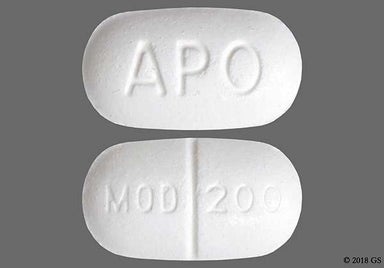
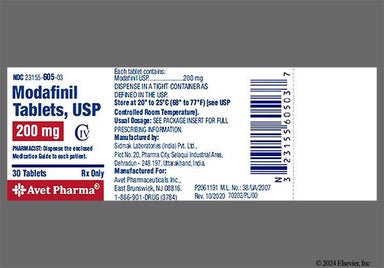
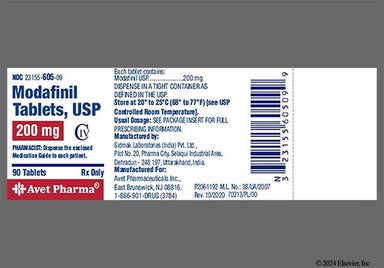
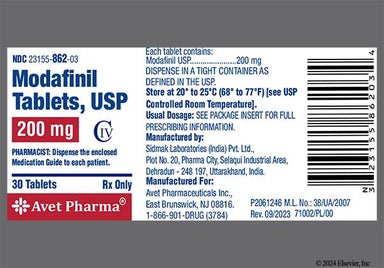
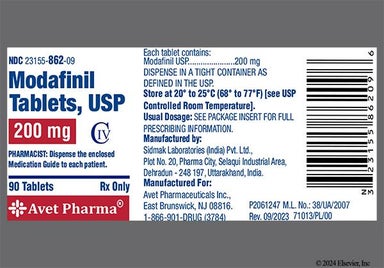
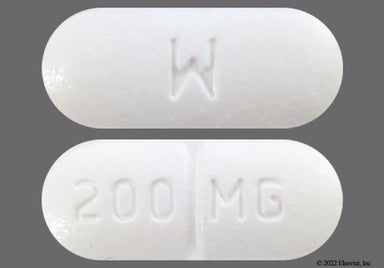
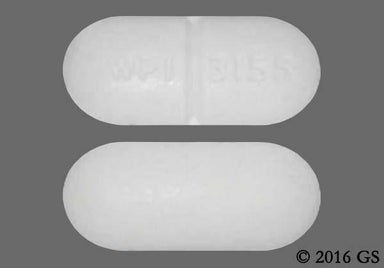
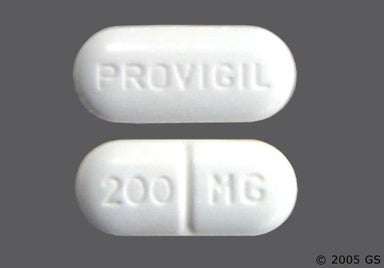
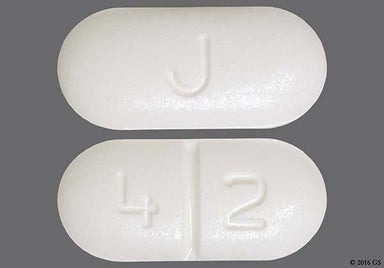
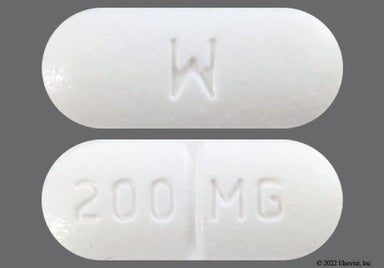
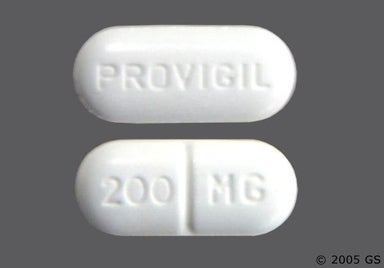
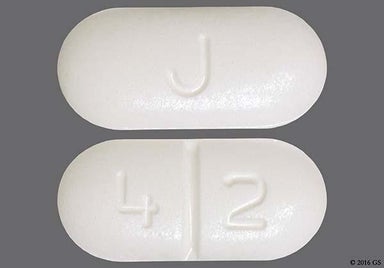
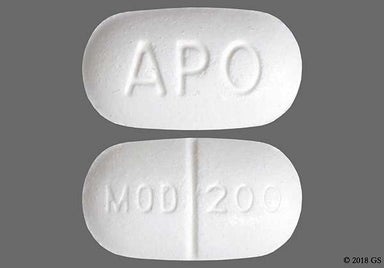
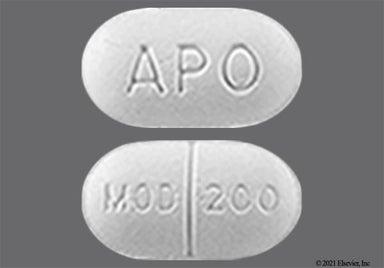
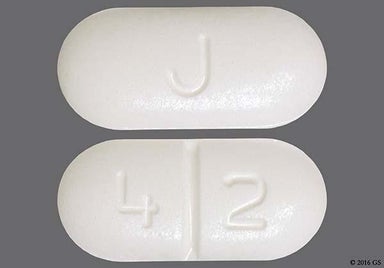
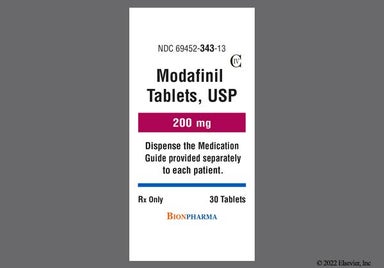
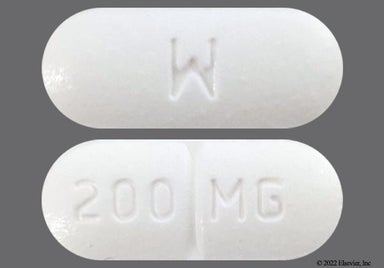
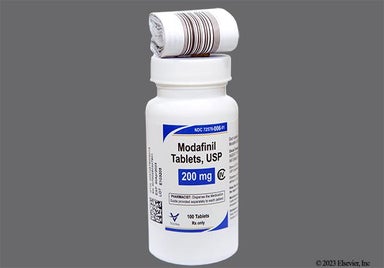
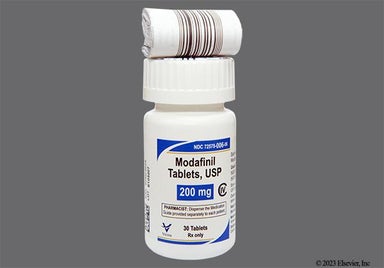
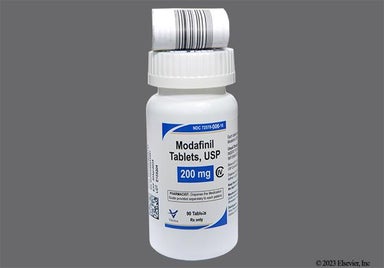
 Tablet
| Dosage | Quantity | Price as low as | Price per unit |
|---|---|---|---|
| 100mg | 30 tablets | $18.89 | $0.63 |
| 200mg | 30 tablets | $22.28 | $0.74 |
Your dose might differ if you're an older adult or if you have severe liver problems.

Although certain medicines should not be used together at all, in other cases two different medicines may be used together even if an interaction might occur. In these cases, your doctor may want to change the dose, or other precautions may be necessary. When you are taking this medicine, it is especially important that your healthcare professional know if you are taking any of the medicines listed below. The following interactions have been selected on the basis of their potential significance and are not necessarily all-inclusive.
Using this medicine with any of the following medicines is usually not recommended, but may be required in some cases. If both medicines are prescribed together, your doctor may change the dose or how often you use one or both of the medicines.
Using this medicine with any of the following medicines may cause an increased risk of certain side effects, but using both drugs may be the best treatment for you. If both medicines are prescribed together, your doctor may change the dose or how often you use one or both of the medicines.


Contraindications are specific health conditions or situations in which a person should not take a medication due to safety concerns. If you have any of the following conditions or if any of the following apply to you, let your healthcare provider know because Modafinil (Provigil) will not be safe for you to take.







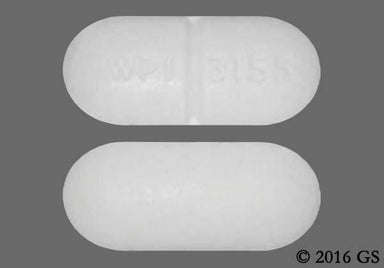
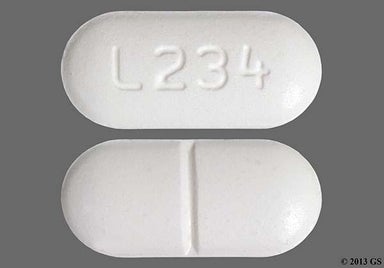
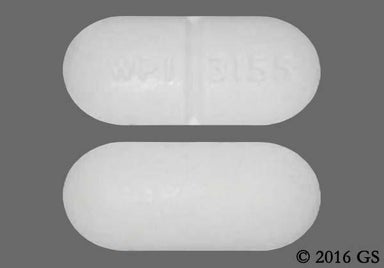

Prescription savings
Stop paying too much for your prescriptions. Compare prices, get pharmacy coupons, and save up to 80%. Find expert answers to your health questions so you can make the best decisions for yourself and your family.
Health conditions
Medications & treatment
Access & affordability
Medication discounts

Yes. Modafinil is a schedule IV controlled substance. This is because it has a potential risk of misuse and dependence. These risks can be harmful. So to help keep you safe, the federal and state governments have placed rules about how this medication is prescribed and dispensed. For example, there could be limits to how much medication you can get in a given period of time. Always take Modafinil exactly as prescribed. Make sure you store it in a safe place away from others.
Modafinil isn’t called a typical stimulant like Adderall. Instead, it’s called a wake-promoting agent. Modafinil works in a slightly different way than typical stimulants to keep you awake. Also, both have risks of misuse and dependence. But Modafinil tends to have a lower potential for these problems. Talk to your prescriber if you’re worried about taking Modafinil.
Modafinil stays in your system for a few days after your last dose. How long it takes for the medication to leave your body is estimated from the medication’s half-life. If you have questions about how long Modafinil stays in your system, reach out to your prescriber or pharmacist.
In general, Modafinil has a lower potential for addiction than some other medications used for narcolepsy. Tell your prescriber if you have a history of substance use disorder. They can help you decide if this medication is safe for you. Talk to your prescriber if you’re worried about taking Modafinil.
Modafinil can start working in about 1 to 1.5 hours. If you take Modafinil for narcolepsy or sleep apnea, take the medication in the morning. And if you take it for shift work disorder, take it 1 hour before the start of your work shift. This way, the medication can start working to help you feel less sleepy when you need to be alert (during the day or during your work shift). If you have questions about how long it takes the medication to kick in, talk to your prescriber.
A study showed that the wakeful effects of Modafinil can last up to 11 hours. Remember, you should only take Modafinil once a day. Don’t take the medication because it could raise your risk of side effects. If you need more help staying awake during the day or during your work shift, reach out to your care team. They can see what other options are available to help you.
Weight loss isn't a known side effect of Modafinil. But there could be some side effects related to appetite. Some people might not feel as hungry, and others might have stomach upset. These problems could lead people to eat less, which could possibly contribute to changes in weight. If you notice an unusual change in how hungry you feel or in your weight, contact your prescriber. They can help figure out what’s causing it and provide guidance.
Modafinil and Adderall (dextroamphetamine / amphetamine salts) are both medications that can help people with narcolepsy. Modafinil is only for adults. But Adderall is for adults as well as children 6 years and older. Unlike Modafinil, Adderall is also approved for attention-deficit hyperactivity disorder (ADHD). And, Modafinil might be less likely to cause some side effects than Adderall. They can include anxiety, nervousness, jitteriness, and trouble falling asleep. Talk to your prescriber to compare the two medications. They can help see which one is best for you.

