



Comparing 3 Types of Pataday Eye Drops for Allergies
Learn about the differences between the three types of Pataday eye drops for allergy symptoms.
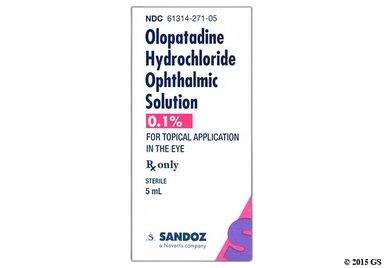
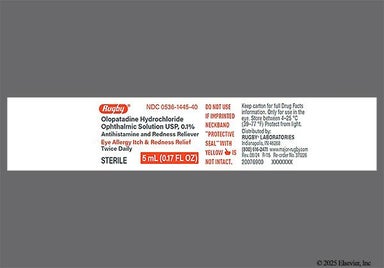
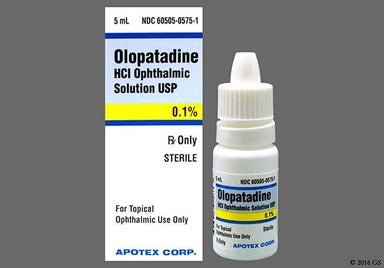
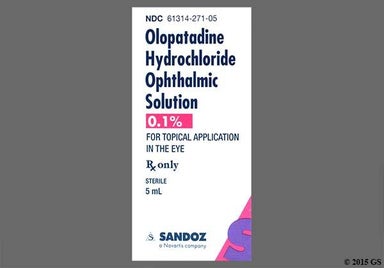
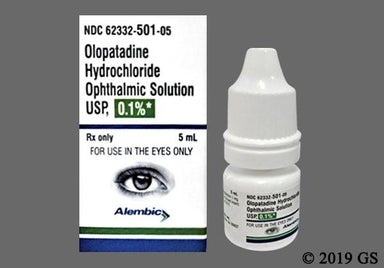
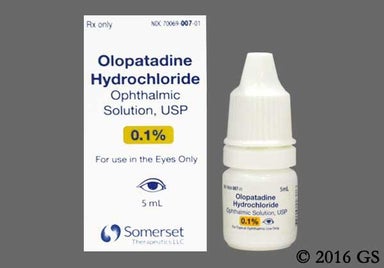
Olopatadine (Pataday) is an over-the-counter (OTC) allergy eye drop for adults and children 2 years and up. It works as an antihistamine to help relieve itchy and red eyes from allergies. There are 3 types of olopatadine eye drops (Pataday). There's a lower-strength version that's used twice a day. Regular-strength and extra-strength versions that are used once a day are also available. Some side effects include blurry vision and dry eye.

Olopatadine (Pataday) is an antihistamine. It blocks histamine, a chemical that causes allergy symptoms like itchy and red eyes.
By blocking histamine, this medication helps relieve eye allergy symptoms.
| Common Brands | Pataday |
|---|---|
| Drug Class | Antihistamine |
| Controlled Substance Classification | Not a controlled medication |
| Generic Status | Lower-cost generic available |
| Availability | Over-the-counter |

The following side effects may get better over time as your body gets used to the medication. Let your healthcare provider know immediately if you continue to experience these symptoms or if they worsen over time.
Along with its needed effects, a medicine may cause some unwanted effects. Although not all of these side effects may occur, if they do occur they may need medical attention.
Check with your doctor immediately if any of the following side effects occur:
Less common
Blurred vision
burning, dryness, stinging of the eye
eye redness, irritation, or pain
swelling of the eyelid, face, lips, or feet
trouble breathing
Some side effects may occur that usually do not need medical attention. These side effects may go away during treatment as your body adjusts to the medicine. Also, your health care professional may be able to tell you about ways to prevent or reduce some of these side effects. Check with your health care professional if any of the following side effects continue or are bothersome or if you have any questions about them:
Less common
Back pain
body or muscle aches or pain
change in taste
chills
feeling of something in the eye
general feeling of discomfort or illness
increased cough
lack or loss of strength
loss of appetite
pain or tenderness around the eyes and cheekbones
redness of the eye or inside of the eyelid
sensitivity of the eyes to light
shivering
sweating
tender, swollen glands in the neck
trouble sleeping
trouble swallowing
unusual tiredness or weakness
voice changes
vomiting
Other side effects not listed may also occur in some patients. If you notice any other effects, check with your healthcare professional.
Call your doctor for medical advice about side effects. You may report side effects to the FDA at 1-800-FDA-1088.




Olopatadine (Pataday) can cause some serious health issues. This risk may be even higher for certain groups. If this worries you, talk to your doctor or pharmacist about other options.
Only use olopatadine (Pataday) in your eye(s). Don't put the drops into your ear, nose, or mouth. If you or someone else swallows the medication, get medical help right away or contact a Poison Control Center at 1-800-222-1222.
If you wear contact lenses, take them out before using olopatadine (Pataday). The eye drops contain a preservative that can damage your contacts. Wait at least 10 minutes after using olopatadine (Pataday) before putting your contacts back in.


Although certain medicines should not be used together at all, in other cases two different medicines may be used together even if an interaction might occur. In these cases, your doctor may want to change the dose, or other precautions may be necessary. When you are taking this medicine, it is especially important that your healthcare professional know if you are taking any of the medicines listed below. The following interactions have been selected on the basis of their potential significance and are not necessarily all-inclusive.
Using this medicine with any of the following medicines is usually not recommended, but may be required in some cases. If both medicines are prescribed together, your doctor may change the dose or how often you use one or both of the medicines.






Prescription savings
Stop paying too much for your prescriptions. Compare prices, get pharmacy coupons, and save up to 80%. Find expert answers to your health questions so you can make the best decisions for yourself and your family.
Health conditions
Medications & treatment
Access & affordability
 Our monthly healthcare membership can help you save thousands on your prescription costs.
Resources

Yes. Generic olopatadine eye drops and the brand-name version Pataday are available over the counter. This eye drop comes in three different strengths. There's a 0.1% strength used twice daily, a 0.2% regular strength used once daily, and a 0.7% extra strength used once daily. If you need help finding Olopatadine in the store, ask a staff member.
No, Olopatadine isn't a steroid. It's an allergy eye drop that works as an antihistamine. It blocks the effects of histamine to help relieve allergy symptoms like itchy and red eye. Unlike steroid allergy eye drops, it doesn't help reduce swelling or pain in and around the eyes.
How often you can use Olopatadine every day depends on the strength of the medication. The 0.1% strength can be used twice a day, about 6 to 8 hours apart. The 0.2% strength is used once a day. The 0.7% extra-strength version is also used once a day. Follow the directions on the Olopatadine box. If you're not sure how often you can use the eye drops, ask a healthcare professional.
Olopatadine is generally safe to use long term. But if your eye symptoms get worse or last more than 3 days of using the drops, talk to a healthcare professional. They might try to find a different allergy eye drop that could work better for you. Or, they might send you to an eye specialist to check for other eye problems.
It depends on what's causing your pink eye. If it's from allergies, Olopatadine can help with the eye itchiness and redness. But if the pink eye is from a bacterial or viral infection, Olopatadine won't help. This is because it doesn't work to get rid of the germs causing the infection. You might need other eye drops, like antibiotic eye drops for bacterial pink eye. If you're not sure what's causing your eye symptoms, talk to a healthcare professional. They can make sure you get the right treatment.
No. Olopatadine doesn't usually make people drowsy. If you often feel more tired than usual, talk to a healthcare professional or your primary care provider. They can help figure out what might be going on.
No. Be sure to remove your contact lenses before using Olopatadine. Then, wait at least 10 minutes before putting them back in. This is because the eye drops contain a preservative that can damage your contact lenses. Note that Olopatadine isn't for relieving eye redness from contact lens irritation. If you think that's the case, talk with your optometrist about your contact lenses.
Olopatadine can start to work within minutes of placing a drop in the eye. It works quite fast to help relieve itchy and red eyes from allergies.
