

8 Antihistamine Interactions: Alcohol, Sleep Aids, and More
Learn about common antihistamine interactions — including interactions with medications, foods, and alcohol — with this guide from GoodRx.
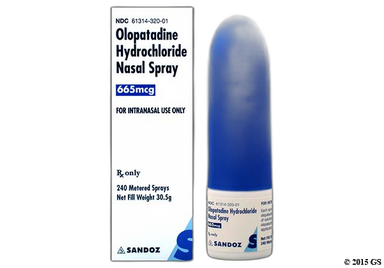
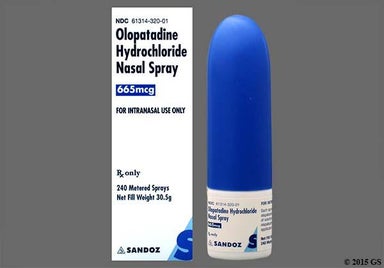
Olopatadine (Patanase) is a prescription nasal spray used to treat seasonal allergies in people 6 years and older. It works quickly and can relieve allergy symptoms for up to 12 hours. And most people experience few to no side effects while using olopatadine (Patanase).

Olopatadine (Patanase) is an antihistamine. It blocks a natural chemical called histamine, which is responsible for symptoms of seasonal allergies, such as itchy nose, watery eyes, and congestion.
| Common Brands | Patanase |
|---|---|
| Drug Class | Antihistamine |
| Controlled Substance Classification | Not a controlled medication |
| Generic Status | Lower-cost generic available |
| Availability | Prescription only |

The following side effects may get better over time as your body gets used to the medication. Let your healthcare provider know immediately if you continue to experience these symptoms or if they worsen over time.
Along with its needed effects, a medicine may cause some unwanted effects. Although not all of these side effects may occur, if they do occur they may need medical attention.
Check with your doctor immediately if any of the following side effects occur:
Less common
Blurred vision
burning, dryness, stinging of the eye
eye redness, irritation, or pain
swelling of the eyelid, face, lips, or feet
trouble breathing
Some side effects may occur that usually do not need medical attention. These side effects may go away during treatment as your body adjusts to the medicine. Also, your health care professional may be able to tell you about ways to prevent or reduce some of these side effects. Check with your health care professional if any of the following side effects continue or are bothersome or if you have any questions about them:
Less common
Back pain
body or muscle aches or pain
change in taste
chills
feeling of something in the eye
general feeling of discomfort or illness
increased cough
lack or loss of strength
loss of appetite
pain or tenderness around the eyes and cheekbones
redness of the eye or inside of the eyelid
sensitivity of the eyes to light
shivering
sweating
tender, swollen glands in the neck
trouble sleeping
trouble swallowing
unusual tiredness or weakness
voice changes
vomiting
Other side effects not listed may also occur in some patients. If you notice any other effects, check with your healthcare professional.
Call your doctor for medical advice about side effects. You may report side effects to the FDA at 1-800-FDA-1088.




Olopatadine (Patanase) can cause some serious health issues. This risk may be even higher for certain groups. If this worries you, talk to your doctor or pharmacist about other options.
Since olopatadine (Patanase) is used directly in the nose, it can raise the risk of side effects such as nosebleeds or ulcers (sores) in the nose. Let your provider know if you have a history of nasal ulcers, long-term nosebleeds, or nasal injury. Your provider will examine your nose to make sure this medication is safe for you before starting. If you experience frequent or heavy nosebleeds, sores in your nose, nose pain, or a whistling sound when you breathe while using olopatadine (Patanase), speak to your provider right away because you might need to stop using the medication.
Olopatadine (Patanase) can sometimes cause you to feel drowsy. Using this medication with alcohol or medications that also cause drowsiness (e.g., benzodiazepines, sleep medications, muscle relaxers, or opioids) can slow down brain activity and lead to severe sleepiness. Talk to a provider right away if you have symptoms of severe drowsiness, dizziness, muscle weakness, or confusion. Make sure you know how olopatadine (Patanase) affects you before driving a car or doing activities that require concentration.

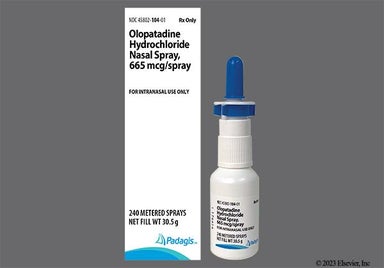
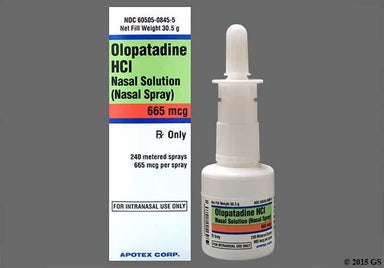
 Nasal spray
| Dosage | Quantity | Price as low as | Price per unit |
|---|---|---|---|
| 30.5g of 665mcg | 1 nasal spray | $30.11 | $30.11 |

Although certain medicines should not be used together at all, in other cases two different medicines may be used together even if an interaction might occur. In these cases, your doctor may want to change the dose, or other precautions may be necessary. When you are taking this medicine, it is especially important that your healthcare professional know if you are taking any of the medicines listed below. The following interactions have been selected on the basis of their potential significance and are not necessarily all-inclusive.
Using this medicine with any of the following medicines is usually not recommended, but may be required in some cases. If both medicines are prescribed together, your doctor may change the dose or how often you use one or both of the medicines.




Prescription savings
Stop paying too much for your prescriptions. Compare prices, get pharmacy coupons, and save up to 80%. Find expert answers to your health questions so you can make the best decisions for yourself and your family.
Health conditions
Medications & treatment
Access & affordability
Medication discounts


Patanase and Ryaltris (olopatadine / mometasone) are both nasal sprays that contain the active ingredient olopatadine. But Ryaltris also contains mometasone. Mometasone is a corticosteroid that can lower swelling and inflammation. Patanase can be used in people 6 years and older, while Ryaltris can only be used in people 12 years and older. Another difference is that Ryaltris is only available as a brand-name product, which might be expensive. Patanase is available as both brand-name and generic, which might be less expensive. Talk with your provider to see which medication is a better option for you.
Most people who use Patanase will have relief from allergy symptoms (sneezing, runny, itchy, and stuffy nose) within 30 minutes and for up to 12 hours. Tell your provider if your allergy symptoms aren't relieved or have gotten worse after starting this medication. Your provider can make sure there are no other serious medical conditions going on.
Maybe. Always check with your provider or pharmacist first before taking allergy medications with Patanase. This is because some allergy medications, such as diphenhydramine (Benadryl), can make people sleepy. Taking diphenhydramine (Benadryl) while using Patanase can raise your risk of feeling excessively drowsy and being less alert.
No. It's not recommended to drink alcohol while you are taking Patanase. Drowsiness is a common side effect of Patanase, and alcohol can make it worse. Combining Patanase and alcohol can raise your risk of drowsiness and lower your alertness. For your safety, it's best to avoid alcohol while taking this medication.
Patanase shouldn't be used to treat symptoms of a sinus infection. It blocks a natural chemical called histamine, which is responsible for symptoms of seasonal allergies. Patanase only works for allergy-related nasal irritations. Don't use it to treat a sinus infection even if you already have it at home. Doing so can make your infection worse since it can prevent you from receiving the right medication in the meantime.
