



11 Trazodone Side Effects You Should Know About
Trazodone may cause drowsiness, dry mouth, and dizziness for some people. Learn about common and rare trazodone side effects and which ones might be serious.
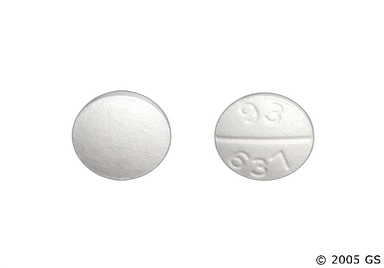
Trazodone is an atypical antidepressant. It's FDA-approved to treat depression in adults, but it isn't a first-choice option. In addition, trazodone is sometimes prescribed off-label for difficulty sleeping (insomnia). This medication is taken by mouth, typically once or a few times a day, depending on your condition. Common side effects of this medication include sleepiness, dry mouth, and dizziness. Brand name Desyrel has been discontinued.

Trazodone is classified as an atypical antidepressant. More specifically, it's considered a serotonin antagonist and reuptake inhibitor (SARI). The exact way it works to improve your mood isn't well-understood. But it's thought to affect the levels of serotonin in the brain, which are chemicals involved in regulating your mood.
| Common Brands | Desyrel |
|---|---|
| Drug Class | Atypical antidepressant |
| Controlled Substance Classification | Not a controlled medication |
| Generic Status | Lower-cost generic available |
| Availability | Prescription only |

The following side effects may get better over time as your body gets used to the medication. Let your healthcare provider know immediately if you continue to experience these symptoms or if they worsen over time.
Contact your healthcare provider immediately if you experience any of the following.
Along with its needed effects, a medicine may cause some unwanted effects. Although not all of these side effects may occur, if they do occur they may need medical attention.
Check with your doctor immediately if any of the following side effects occur:
More common
Blurred vision
confusion
dizziness
dizziness, faintness, or lightheadedness when getting up suddenly from a lying or sitting position
lightheadedness
sweating
unusual tiredness or weakness
Less common
Burning, crawling, itching, numbness, prickling, "pins and needles", or tingling feelings
confusion about identity, place, and time
decreased concentration
fainting
general feeling of discomfort or illness
headache
lack of coordination
muscle tremors
nervousness
pounding in the ears
shortness of breath
slow or fast heartbeat
swelling
Rare
Skin rash
unusual excitement
Some side effects may occur that usually do not need medical attention. These side effects may go away during treatment as your body adjusts to the medicine. Also, your health care professional may be able to tell you about ways to prevent or reduce some of these side effects. Check with your health care professional if any of the following side effects continue or are bothersome or if you have any questions about them:
More common
Dry mouth (usually mild)
muscle or bone pain
trouble sleeping
trouble with remembering
unpleasant taste
Less common
continuing ringing or buzzing or other unexplained noise in the ears
hearing loss
muscle aches or pains
Other side effects not listed may also occur in some patients. If you notice any other effects, check with your healthcare professional.
Call your doctor for medical advice about side effects. You may report side effects to the FDA at 1-800-FDA-1088.




Trazodone can cause some serious health issues. This risk may be even higher for certain groups. If this worries you, talk to your doctor or pharmacist about other options.
 Taking antidepressants, like trazodone, might sometimes worsen depression and raise thoughts of suicide or self-harm. The risk is highest for people who are 24 years of age or younger, during the first few months of treatment, and whenever there's a dose change. If you or anyone around you notice that you have suicidal thoughts or unusual behavior (e.g., anxiety, panic attacks, difficulty sleeping, feeling angry or irritated, restlessness) while taking trazodone, get medical help right away.
Some people taking trazodone have developed a rare, but potentially life-threatening condition called serotonin syndrome. This condition happens where there's too much serotonin in the brain. Your risk for serotonin syndrome is higher if you use trazodone with other medications that can raise your serotonin levels, such as certain antidepressants, mental health medications, and migraine medications. Let your psychiatrist know about all the medications you take before starting trazodone. Symptoms of serotonin syndrome include fast heart rate, sweating, muscle stiffness or spasms, fever, and confusion. Get medical help right away if you have any of these symptoms.
Trazodone can affect your heart rhythm, which can be serious and life-threatening. One example includes lengthening the time period from when the heart pumps and then relaxes. This is known as QT prolongation. Your risk is higher if you have certain factors, including abnormal electrolyte levels, heart rhythm problems, or are taking other medications that cause heart rhythm problems, such as amiodarone (Pacerone) and ciprofloxacin (Cipro), among others. To lower your risk, your psychiatrist or primary care provider might periodically monitor your heart and perform electrocardiograms (EKGs) to make sure your heart rhythm is normal. If you feel your chest pounding, have shortness of breath, have chest pain, or feel faint or lightheaded while taking trazodone, call 911 right away.
Trazodone can cause extreme sleepiness and lower your ability to think, react, and focus. Your risk is higher if you're also taking other medications that can make you feel sleepy or dizzy. Make sure you know how this medication affects you before driving or doing activities that require your concentration. Talk to your psychiatrist right away if you feel too sleepy from taking trazodone.
Trazodone can cause extremely low blood pressure, including a drop in blood pressure when you stand from a sitting or lying down position. This can lead to dizziness and fainting. To avoid falling, get up slowly if you've been sitting or lying down. If dizziness or lightheadedness doesn't go away, talk to your psychiatrist.
Trazodone can raise your risk of severe bleeding or bruising, especially if you're also taking antiplatelets (e.g., aspirin, clopidogrel (Plavix)) or anticoagulants (e.g., warfarin (Coumadin), apixaban (Eliquis), or rivaroxaban (Xarelto)). Get medical help if you get bruising that doesn't improve, black-colored stools, pink or red-colored urine, coughing up or vomiting blood, or unusual bleeding from the nose or gums.
Though rare, trazodone can cause prolonged and painful erections, which sometimes require surgery to treat. If you develop a prolonged erection that lasts longer than 4 hours, stop taking trazodone and get medical attention right away.
Trazodone can lead to or worsen angle-closure glaucoma. You might need to see your optometrist regularly and get eye exams to check your eyes and make sure your vision isn't worsening. Contact your psychiatrist or optometrist if you notice changes in your vision after starting trazodone.
Trazodone might cause low sodium levels in your blood. Get medical help right away if you experience weakness, confusion, difficulty concentrating, headache, or memory problems because these could be signs of low blood sodium levels, which is a medical emergency.
If you've been taking trazodone regularly, don't suddenly stop taking this medication without checking with your psychiatrist first. If you do, you're at risk for withdrawal symptoms, such as tremor, anxiety, confusion, and seizures. Your psychiatrist can help you stop trazodone safely by slowly lowering your dose over time.

 Tablet
| Dosage | Quantity | Price as low as | Price per unit |
|---|---|---|---|
| 50mg | 30 tablets | $9.00 | $0.30 |
| 100mg | 30 tablets | $9.00 | $0.30 |
| 150mg | 30 tablets | $9.00 | $0.30 |
| 300mg | 30 tablets | $29.88 | $1.00 |

Although certain medicines should not be used together at all, in other cases two different medicines may be used together even if an interaction might occur. In these cases, your doctor may want to change the dose, or other precautions may be necessary. When you are taking this medicine, it is especially important that your healthcare professional know if you are taking any of the medicines listed below. The following interactions have been selected on the basis of their potential significance and are not necessarily all-inclusive.
Using this medicine with any of the following medicines is not recommended. Your doctor may decide not to treat you with this medication or change some of the other medicines you take.
Using this medicine with any of the following medicines is usually not recommended, but may be required in some cases. If both medicines are prescribed together, your doctor may change the dose or how often you use one or both of the medicines.
Using this medicine with any of the following medicines may cause an increased risk of certain side effects, but using both drugs may be the best treatment for you. If both medicines are prescribed together, your doctor may change the dose or how often you use one or both of the medicines.


Contraindications are specific health conditions or situations in which a person should not take a medication due to safety concerns. If you have any of the following conditions or if any of the following apply to you, let your healthcare provider know because Trazodone will not be safe for you to take.










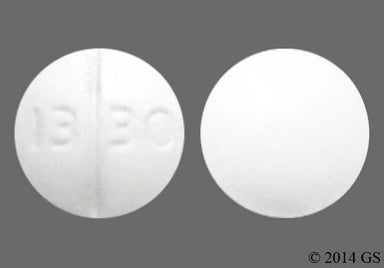
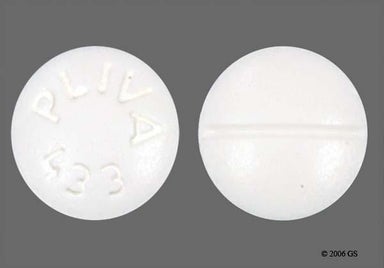
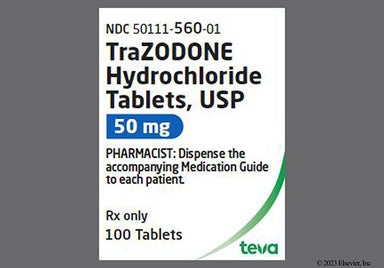
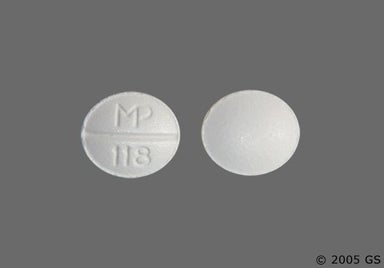
Prescription savings
Stop paying too much for your prescriptions. Compare prices, get pharmacy coupons, and save up to 80%.Resources
About GoodRx
 Find expert answers to your health questions so you can make the best decisions for yourself and your family.
Health conditions
Medications & treatment
Access & affordability
Well-being
Medication discounts

No, Trazodone isn't a controlled substance because it doesn't have a risk of addiction, misuse, or dependence.
Trazodone isn't a selective serotonin reuptake inhibitors (SSRI). It's considered an atypical antidepressant, and more specifically a serotonin antagonist and reuptake inhibitor (SARI). Trazodone is similar to an SSRI in that it also affects serotonin levels in the brain. But unlike SSRIs, Trazodone isn't a first-choice medication for depression.
Currently, Trazodone is only FDA-approved for depression. But healthcare professionals (HCPs) sometimes prescribe this medication off-label in lower dose to help with sleep. The typical dose for sleep ranges from 25 to 100 mg by mouth, taken about 30 minutes before bedtime. But keep in mind that there's limited research on whether Trazodone works well or is safe to take for insomnia, especially in people who don't have depression. Current guidelines don't recommend Trazodone for sleep. If you have insomnia, let your HCP know. They can recommend lifestyle changes or talk with you about medication options that are appropriate for you.
Trazodone isn't FDA-approved to treat anxiety. A small study suggests Trazodone might help with anxiety, but more research is needed in this area. Let your psychiatrist know if you're having anxiety problems. They can talk with you about lifestyle changes and medication or therapy options to ease your symptoms.
Typically, it takes about 1-2 months before you experience the maximum benefit from Trazodone for depression. But some people might notice their moods improving about a week after starting treatment. Keep in mind that your HCP will have you start with a lower dose first to lower your risk of side effects. They'll slowly raise your dose over time until you reach a dose that works best for you. Contact your HCP if you're not sure if Trazodone is working.
Only take Trazodone as directed by your HCP. If you're taking Trazodone for depression, your HCP will typically have you start with 150 mg by mouth daily, but split up and taken in 2-3 smaller doses throughout the day. The maximum recommended dose for depression is 400 mg per day. But if your HCP prescribes Trazodone to you off-label for sleep, the dose ranges from 25 to 100 mg by mouth, taken about 30 minutes before bedtime. Ask your HCP if you're not sure how much Trazodone you should take.
No, it's best not to drink alcohol while taking Trazodone because doing so can worsen certain side effects, like sleepiness and dizziness. Additionally, drinking alcohol can worsen your depression symptoms and ability to sleep. Talk with your HCP if you've more questions about Trazodone and alcohol.
Though rare, both weight gain and weight loss were reported by people who took Trazodone in clinical trials. If you're concerned about changes in body weight, talk to your HCP. They can give you recommendations on how to plan meals that are nutritious and nourishing. They can also give you tips on building a regular exercise routine that's appropriate for you. But let your HCP know if you experience significant weight changes while taking Trazodone so they can check to see whether you have any other conditions that needs more medical attention.
