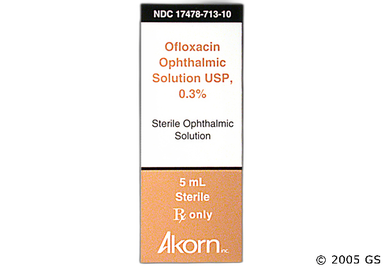
ofloxacin
Ofloxacin (Ocuflox) is an eye drop medication that's approved for use in people ages 1 year and older. It's a fluoroquinolone antibiotic that treats conjunctivitis (pink eye) and corneal ulcers caused by bacterial infections. Ofloxacin (Ocuflox) is typically used multiple times per day, depending on the reason you need the eye drops and what day of treatment you're on. Side effects aren't common but can include a temporary burning sensation or discomfort in the eye.


What is Ofloxacin (Ocuflox)?
What is Ofloxacin (Ocuflox) used for?
How Ofloxacin (Ocuflox) works
Ofloxacin (Ocuflox) is a fluoroquinolone (or "quinolone") antibiotic. It works by blocking certain proteins that bacteria use to grow, repair their genetic material (DNA), and survive. By blocking this process, ofloxacin (Ocuflox) kills bacteria.
Drug facts

Side effects of Ofloxacin (Ocuflox)
The following side effects may get better over time as your body gets used to the medication. Let your healthcare provider know immediately if you continue to experience these symptoms or if they worsen over time.
Common Side Effects
- Temporary burning sensation in the eye
- Temporary eye discomfort
Less Common Side Effects
- Eye stinging
- Redness in the eye
- Dry eye
- Itchy eye
- Watery eyes
- Eye pain
- Feeling like there's something in your eye
- Swelling in and around the eyes or face
- Sensitivity to the sun or bright lights
- Blurry vision
- Dizziness
- Nausea
Ofloxacin (Ocuflox) serious side effects
Contact your healthcare provider immediately if you experience any of the following.
- Severe allergic reaction: hives; rash; trouble breathing; swelling in the face, tongue, or throat
The following Ofloxacin (Ocuflox) side effects have also been reported
Along with its needed effects, a medicine may cause some unwanted effects. Although not all of these side effects may occur, if they do occur they may need medical attention.
Check with your doctor immediately if any of the following side effects occur:
Rare
Puffiness or swelling of eyes
signs of an allergic reaction, such as hives, itching, rash, swelling of face or lips, tightness in chest, troubled breathing, or wheezing
Check with your doctor as soon as possible if any of the following side effects occur:
Rare
Dizziness
Some side effects may occur that usually do not need medical attention. These side effects may go away during treatment as your body adjusts to the medicine. Also, your health care professional may be able to tell you about ways to prevent or reduce some of these side effects. Check with your health care professional if any of the following side effects continue or are bothersome or if you have any questions about them:
More common
Burning of eye
Other side effects not listed may also occur in some patients. If you notice any other effects, check with your healthcare professional.
Call your doctor for medical advice about side effects. You may report side effects to the FDA at 1-800-FDA-1088.

Get your GoodRx coupon

Pros and cons of Ofloxacin (Ocuflox)
Pros
- Directly treats where the bacterial infection is (in the eye)
- Lower risk of corneal deposits than ciprofloxacin eye drops (Ciloxan)
- Available as a lower-cost generic
Cons
- Must follow specific instructions and use multiple times a day
- Can take days before you get symptom relief
- Need to wake up in the middle of the night to use the eye drops for the first 2 days of treatment for corneal ulcers

Pharmacist tips for Ofloxacin (Ocuflox)

- Make sure to use ofloxacin (Ocuflox) for the full amount of time your prescriber told you to, even if your eye starts to get better. Stopping the antibiotic eye drop too soon can cause your infection to come back and be harder to treat.
- Wash your hands before and after putting ofloxacin (Ocuflox) drops in your eyes. Don't let the dropper tip touch your eye or any other surface. Also don't touch the dropper tip with your hands. This will help you avoid contaminating the solution.
- How to use ofloxacin (Ocuflox): To use the antibiotic eye drops, tilt your head backward and look up. Gently pull your lower eyelid down to form a small pocket and squeeze one drop of medication into this pocket. Don't blink or wipe your eye. Close your eye while pressing a finger against the inside corner of your eye for about 1 minute to help keep the medication in your eye.
- If you're using ofloxacin (Ocuflox) at the same time as other eye drop medications, wait 5 to 15 minutes between each medication to give your eyes time to absorb each medication.
- Don't wear contacts while you're using ofloxacin (Ocuflox). It's usually best not to wear contacts while you have an eye infection since this can affect how quickly your symptoms improve. Be sure to discard the contacts you were wearing before you started using ofloxacin (Ocuflox); they most likely have bacteria on them. Use a new pair of contacts once your infection clears up.
- Keep the ofloxacin (Ocuflox) bottle at room temperature. Don't put it in the refrigerator or freezer.

Common questions about Ocuflox
Yes, Ocuflox is an antibiotic eye drop. It's used to treat pink eye and corneal ulcers that are caused by bacterial infections.
No, Ocuflox is a fluoroquinolone (or "quinolone") antibiotic. Penicillin belongs to a different class of antibiotics called beta-lactam antibiotics. Since Ocuflox and penicillin are two completely different antibiotics, it's generally safe to use Ocuflox if you have a penicillin allergy.
Yes, it's possible for your healthcare professional (HCP) to prescribe ofloxacin eye drops (Ocuflox), instead of ofloxacin ear drops, for an ear infection. HCPs sometimes do this because some eye drops, such as ofloxacin, are safe to use in the ear and are generally at a lower cost than the ear drops. Keep in mind that it's not safe to put ear drops in the eyes. Make sure to carefully follow your HCP's instructions on how to use Ocuflox for your infection. Ask your HCP or pharmacist if you're not sure whether you should use Ocuflox for the eyes or ears.
Yes, Ocuflox can expire. There should be an expiration date that's written on the medication box or bottle. Don't use Ocuflox past the written expiration date because it might not work well to help treat your eye infection. Using expired Ocuflox can also lead to new infections if the medication got contaminated with germs.
For pink eye, your symptoms should start to improve in a couple of days of using Ocuflox. But corneal ulcers tend to take longer to heal; studies show that ulcers went away after about 11 days of treatment. Talk to your primary care provider or prescriber if you're concerned with how well Ocuflox is working for your eye infection.
Yes, a common side effect of Ocuflox is feeling a burning sensation or discomfort in the eye after you place the drops into the eye. But this side effect shouldn't last too long and might go away as you continue to use the medication. Let your prescriber know if the burning is too bothersome for you. They might recommend another medication.
Yes, dry eyes is a possible side effect of Ocuflox, but it doesn't appear to be very common. If you have dry eyes from Ocuflox, ask your primary care provider or optometrist about using artificial tears to help hydrate your eyes while you're using Ocuflox. Just make sure to wait at least 5 minutes in between eye drop medications and products. Using a second eye product too soon might wash out some of the first one.
No, Ocuflox doesn't typically cause diarrhea because most of the medication stays in your eyes rather than getting absorbed into your body. Talk to your primary care provider if you're having diarrhea. They'll ask you some questions to try and identify a cause of the diarrhea and recommend ways to manage your diarrhea.

How to save using GoodRx



Risks and warnings for Ofloxacin (Ocuflox)
Ofloxacin (Ocuflox) can cause some serious health issues. This risk may be even higher for certain groups. If this worries you, talk to your doctor or pharmacist about other options.
For use in the eye only
Ofloxacin (Ocuflox) are eye drops that should only be placed on the surface of the eye. Don't put ofloxacin (Ocuflox) on or into any other place on your body, unless your prescriber specifically instructed you to.
Risk of developing new infection
Using ofloxacin (Ocuflox) for too long can allow any bacteria, fungi, or other germs that the medication can't get rid of to infect the eye. Contact your primary care provider for follow up if your eye infection isn't improving. You might need additional testing and treatment.
Damage to contact lenses (when used in the eye)
Ofloxacin (Ocuflox) contains a preservative called benzalkonium chloride. This preservative can get absorbed into soft contact lenses and damage them. If your prescriber said you can wear contact lenses during treatment, take them out before you use the eye drops. Wait at least 15 minutes after using the medication to put them back into your eye(s).
Severe allergic reactions
- Risk factors: Allergy to other fluoroquinolone antibiotics
Severe allergic reactions to ofloxacin (Ocuflox) are possible, including life-threatening reactions like facial swelling, shock, and anaphylaxis (e.g., closing of the throat). Get medical help right away if you notice hives, rash, swelling of the lips or tongue, or trouble breathing after you use ofloxacin (Ocuflox).

Ofloxacin (Ocuflox) dosage
 Eye dropper
| Dosage | Quantity | Price as low as | Price per unit |
|---|---|---|---|
| 5ml of 0.3% | 1 eye dropper | $9.77 | $9.77 |
| 10ml of 0.3% | 1 eye dropper | $14.30 | $14.30 |
Typical dosage for Ofloxacin (Ocuflox)
-
Pink eye:
- Days 1 and 2: The typical dose is 1 to 2 drops in the affected eye(s) every 2 to 4 hours.
- Days 3 through 7: The typical dose is 1 to 2 drops in the affected eye(s) 4 times a day.
-
Corneal ulcers:
- Days 1 and 2: The typical dose is 1 to 2 drops in the affected eye(s) every 30 minutes during the hours that you're awake. Then, place 1 to 2 drops every 4 to 6 hours overnight (you'll have to wake up in the middle of the night), or as directed by the prescriber.
- Days 3 through 7 to 9: The typical dose is 1 to 2 drops in the affected eye(s) every hour while you're awake.
- Days 7 to 9 until treatment completion: The typical dose is 1 to 2 drops in the affected eye(s) 4 times a day until your prescription is finished.

Interactions between Ofloxacin (Ocuflox) and other drugs
Although certain medicines should not be used together at all, in other cases two different medicines may be used together even if an interaction might occur. In these cases, your doctor may want to change the dose, or other precautions may be necessary. When you are taking this medicine, it is especially important that your healthcare professional know if you are taking any of the medicines listed below. The following interactions have been selected on the basis of their potential significance and are not necessarily all-inclusive.
Using this medicine with any of the following medicines is not recommended. Your doctor may decide not to treat you with this medication or change some of the other medicines you take.
- Bepridil
- Cisapride
- Dronedarone
- Mesoridazine
- Pimozide
- Piperaquine
- Saquinavir
- Sparfloxacin
- Terfenadine
- Thioridazine
- Ziprasidone
Using this medicine with any of the following medicines is usually not recommended, but may be required in some cases. If both medicines are prescribed together, your doctor may change the dose or how often you use one or both of the medicines.
- Acarbose
- Acecainide
- Acetohexamide
- Alfuzosin
- Alogliptin
- Alosetron
- Amiodarone
- Amisulpride
- Amitriptyline
- Amoxapine
- Anagrelide
- Apomorphine
- Aripiprazole
- Aripiprazole Lauroxil
- Arsenic Trioxide
- Asenapine
- Astemizole
- Azimilide
- Azithromycin
- Bedaquiline
- Benfluorex
- Betamethasone
- Bretylium
- Budesonide
- Buprenorphine
- Buserelin
- Canagliflozin
- Ceritinib
- Chloroquine
- Chlorpromazine
- Chlorpropamide
- Cholera Vaccine, Live
- Ciprofloxacin
- Citalopram
- Clarithromycin
- Clofazimine
- Clomipramine
- Clozapine
- Corticotropin
- Cortisone
- Cosyntropin
- Crizotinib
- Cyclobenzaprine
- Dabrafenib
- Dapagliflozin
- Dasatinib
- Deflazacort
- Degarelix
- Delamanid
- Desipramine
- Deslorelin
- Deutetrabenazine
- Dexamethasone
- Disopyramide
- Dofetilide
- Dolasetron
- Domperidone
- Donepezil
- Droperidol
- Efavirenz
- Encorafenib
- Entrectinib
- Ertugliflozin
- Erythromycin
- Escitalopram
- Exenatide
- Fingolimod
- Flecainide
- Fluconazole
- Fludrocortisone
- Fluocortolone
- Formoterol
- Foscarnet
- Fostemsavir
- Gatifloxacin
- Gemifloxacin
- Glasdegib
- Gliclazide
- Glimepiride
- Glipizide
- Gliquidone
- Glyburide
- Gonadorelin
- Goserelin
- Granisetron
- Halofantrine
- Haloperidol
- Histrelin
- Hydrocortisone
- Hydroxychloroquine
- Hydroxyzine
- Ibutilide
- Iloperidone
- Imipramine
- Inotuzumab Ozogamicin
- Insulin
- Insulin Aspart, Recombinant
- Insulin Bovine
- Insulin Degludec
- Insulin Detemir
- Insulin Glargine, Recombinant
- Insulin Glulisine
- Insulin Lispro, Recombinant
- Ivosidenib
- Ketoconazole
- Lapatinib
- Lefamulin
- Lenvatinib
- Levofloxacin
- Linagliptin
- Liraglutide
- Lofexidine
- Lopinavir
- Lumefantrine
- Macimorelin
- Mefloquine
- Metformin
- Methadone
- Methylprednisolone
- Metronidazole
- Mifepristone
- Miglitol
- Mirtazapine
- Moricizine
- Moxifloxacin
- Nafarelin
- Nateglinide
- Nilotinib
- Norfloxacin
- Nortriptyline
- Octreotide
- Ondansetron
- Osilodrostat
- Osimertinib
- Oxaliplatin
- Ozanimod
- Paliperidone
- Panobinostat
- Pasireotide
- Pazopanib
- Pimavanserin
- Pioglitazone
- Pitolisant
- Ponesimod
- Porfimer
- Posaconazole
- Pramlintide
- Prednisolone
- Prednisone
- Procainamide
- Prochlorperazine
- Promethazine
- Protriptyline
- Quetiapine
- Quinidine
- Quinine
- Ranolazine
- Rasagiline
- Repaglinide
- Ribociclib
- Rosiglitazone
- Saxagliptin
- Selpercatinib
- Sematilide
- Sertraline
- Sevoflurane
- Siponimod
- Sitagliptin
- Sodium Phosphate
- Sodium Phosphate, Dibasic
- Sodium Phosphate, Monobasic
- Solifenacin
- Sorafenib
- Sotalol
- Sulpiride
- Sunitinib
- Tacrolimus
- Tedisamil
- Telithromycin
- Tetrabenazine
- Tizanidine
- Tolazamide
- Tolbutamide
- Toremifene
- Trazodone
- Triamcinolone
- Triclabendazole
- Trifluoperazine
- Trimipramine
- Triptorelin
- Vandetanib
- Vardenafil
- Vemurafenib
- Vildagliptin
- Vinflunine
- Voclosporin
- Voriconazole
- Warfarin
- Zuclopenthixol
Using this medicine with any of the following medicines may cause an increased risk of certain side effects, but using both drugs may be the best treatment for you. If both medicines are prescribed together, your doctor may change the dose or how often you use one or both of the medicines.
- Aminolevulinic Acid
- Didanosine
- Lanthanum Carbonate

How much does Ofloxacin (Ocuflox) cost?

Ofloxacin (Ocuflox) contraindications
Contraindications are specific health conditions or situations in which a person should not take a medication due to safety concerns. If you have any of the following conditions or if any of the following apply to you, let your healthcare provider know because Ofloxacin (Ocuflox) will not be safe for you to take.
- Severe allergy to fluoroquinolone antibiotics

What are alternatives to Ofloxacin (Ocuflox)?

News about Ofloxacin (Ocuflox)




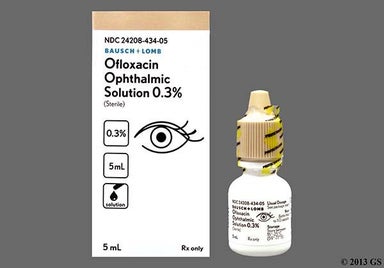
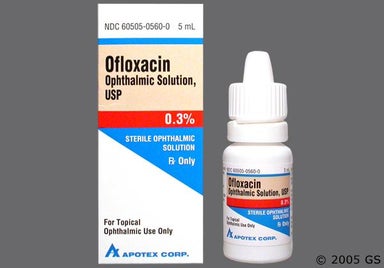
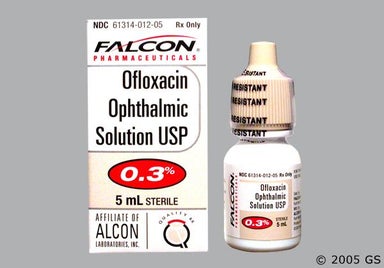
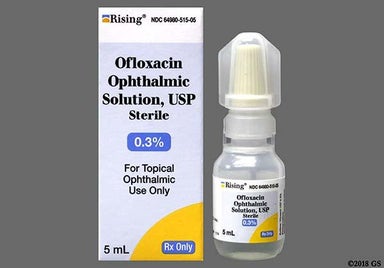
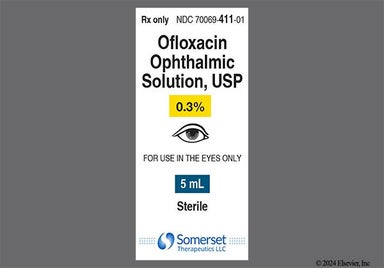
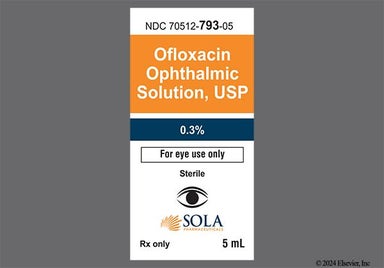
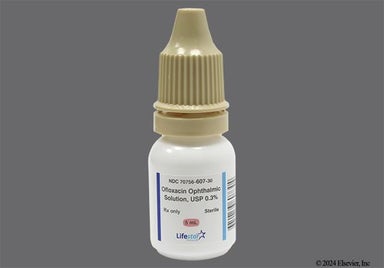
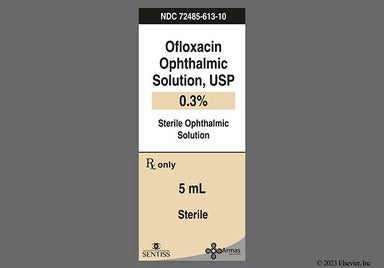
Ofloxacin (Ocuflox) images