






8 Metoprolol Side Effects To Know About
Read on to learn about the side effects of metoprolol, including common, severe, and long-term side effects, and how to manage them.
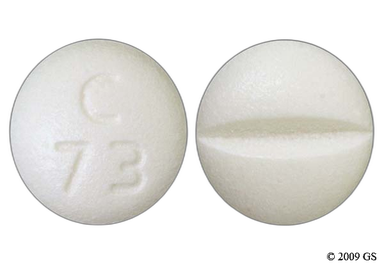
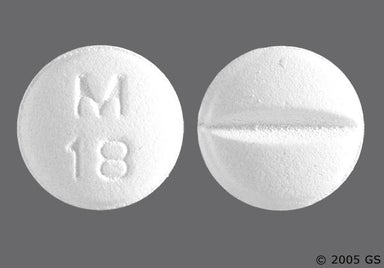
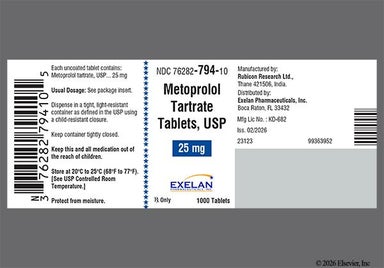
Metoprolol tartrate (Lopressor) is a beta blocker used to treat chest pain and high blood pressure in adults. It can also lower the risk of death after a heart attack. You take it by mouth, typically once or twice a day, but your dose depends on your condition. Side effects include dizziness, shortness of breath, and it can make you tired.

Metoprolol tartrate (Lopressor) is a selective beta blocker. It works by slowing your heart rate so your heart doesn’t have to work as hard. This lowers your blood pressure and helps your heart use less oxygen, which can prevent chest pain and improve recovery after a heart attack.
| Common Brands | Lopressor |
|---|---|
| Drug Class | Beta blocker |
| Controlled Substance Classification | Not a controlled medication |
| Generic Status | Lower-cost generic available |
| Availability | Prescription only |

The following side effects may get better over time as your body gets used to the medication. Let your healthcare provider know immediately if you continue to experience these symptoms or if they worsen over time.
Contact your healthcare provider immediately if you experience any of the following.
Along with its needed effects, a medicine may cause some unwanted effects. Although not all of these side effects may occur, if they do occur they may need medical attention.
Check with your doctor immediately if any of the following side effects occur:
More common
Blurred vision
chest pain or discomfort
confusion
dizziness, faintness, or lightheadedness when getting up suddenly from a lying or sitting position
slow or irregular heartbeat
sweating
unusual tiredness or weakness
Less common
Bloating or swelling of the face, arms, hands, lower legs, or feet
decreased urine output
difficult or labored breathing
difficulty with speaking
dilated neck veins
disturbed color perception
double vision
extreme tiredness or weakness
fast, pounding, or racing heartbeat or pulse
halos around lights
headache
inability to move the arms, legs, or facial muscles
inability to speak
irregular breathing
loss of vision
night blindness
noisy breathing
overbright appearance of lights
pain, tension, and weakness upon walking that subsides during periods of rest
paleness or cold feeling in the fingertips and toes
rapid weight gain
seeing, hearing, or feeling things that are not there
short-term memory loss
slow speech
swelling of the face, fingers, feet, or lower legs
tightness in the chest
tingling of the hands or feet
tingling or pain in the fingers or toes when exposed to cold temperatures
troubled breathing
tunnel vision
unusual weight gain or loss
Rare
Bluish color of the skin of the fingers or toes
chills
clay-colored stools
continuing loss of appetite
continuing or severe abdominal or stomach pain
continuing or severe nausea and vomiting
dark urine
difficulty with moving
general tiredness and weakness
hoarseness
increased frequency of urination
itching skin
light-colored stools
lower back or side pain
muscle pain or stiffness
numbness of the fingers or toes
pain, swelling, or redness in the joints
rash
sores, ulcers, or white spots on the lips or in the mouth
unpleasant breath odor
unusual bleeding or bruising
upper right abdominal or stomach pain
vomiting of blood
weakness
yellow eyes and skin
Get emergency help immediately if any of the following symptoms of overdose occur:
Symptoms of overdose
Bluish color of the fingernails, lips, skin, palms, or nail beds
change in consciousness
loss of consciousness
no blood pressure or pulse
stopping of the heart
very drowsy or sleepy
Some side effects may occur that usually do not need medical attention. These side effects may go away during treatment as your body adjusts to the medicine. Also, your health care professional may be able to tell you about ways to prevent or reduce some of these side effects. Check with your health care professional if any of the following side effects continue or are bothersome or if you have any questions about them:
Less common
Belching
bloated feeling
decreased interest in sexual intercourse
difficulty having a bowel movement
discouragement
excess air or gas in stomach or bowels
feeling of constant movement of self or surroundings
feeling of fullness
feeling of indigestion
feeling sad or empty
inability to have or keep an erection
irritability
loss in sexual ability, desire, drive, or performance
loss of interest or pleasure
nightmares
pain in the chest below the breastbone
passing gas
redness or other discoloration of the skin
sensation of spinning
tiredness
trouble concentrating
trouble sleeping
Rare
Bone pain
continuing ringing or buzzing or other unexplained noise in the ears
hair loss or thinning of the hair
hearing loss
increased sensitivity of the skin to sunlight
pain in the penis on erection
severe sunburn
Incidence not known
Change in taste or bad, unusual, or unpleasant (after) taste
fear or nervousness
hives or welts
Other side effects not listed may also occur in some patients. If you notice any other effects, check with your healthcare professional.
Call your doctor for medical advice about side effects. You may report side effects to the FDA at 1-800-FDA-1088.




Metoprolol tartrate (Lopressor) can cause some serious health issues. This risk may be even higher for certain groups. If this worries you, talk to your doctor or pharmacist about other options.
Don’t stop taking metoprolol tartrate (Lopressor) suddenly. This can raise your risk of chest pain or even a heart attack. Signs of a heart attack include chest pain and tightness, pain that spreads to your arms and neck, trouble breathing, lightheadedness, and tiredness. Tell your care team right away if you have new or worsening chest pain.
If you need to stop metoprolol tartrate (Lopressor), let your prescriber know. They will help you lower your dose slowly over 1 to 2 weeks to keep you safe.
If you have heart failure, unless your symptoms are well controlled. This medication can make heart failure worse. Your cardiologist will decide if it’s safe for you. Tell your prescriber right away if you have symptoms like swelling, shortness of breath, or sudden weight gain.
Metoprolol tartrate (Lopressor) can sometimes make your airways tighten, which can make breathing harder. This is more likely if you have conditions like asthma or COPD. But it’s rare because this medication mainly targets your heart.
Tell your prescriber about your full medical history before starting metoprolol tartrate (Lopressor). You should also keep a rescue inhaler nearby in case your symptoms get worse.
If you're planning to have major surgery, tell your surgeon that you take metoprolol tartrate (Lopressor). Don’t stop taking it before surgery unless your care team tells you to. They will monitor your heart closely during the procedure.
Taking metoprolol tartrate (Lopressor) can make it harder for you to recognize symptoms of low blood sugar, such as fast heartbeat. This can increase your risk of severe or long-lasting low blood sugar, especially if you have diabetes, are fasting, or are sick. If you take medications like glipizide or insulin, you might not feel all the usual warning signs, such as shakiness, irritability, confusion, or a fast heartbeat.
Sweating might be the only symptom not affected by metoprolol tartrate (Lopressor). Talk to your prescriber about how and when to check your blood sugar while taking this medication.
Metoprolol tartrate (Lopressor) can hide signs of an overactive thyroid, such as a fast heartbeat. This can make it harder to know if your thyroid levels are too high.
Don’t stop metoprolol tartrate (Lopressor) suddenly. Stopping it quickly can trigger a serious condition called a thyroid storm with symptoms like high fever, fast heartbeat, and fainting.
If you’ve had a severe allergic reaction in the past, taking metoprolol tartrate (Lopressor) could make your reactions worse. Get medical help right away if you have symptoms like trouble breathing, wheezing, or swelling of the face/tongue/throat. Tell your prescriber about your allergy history before starting this medication.

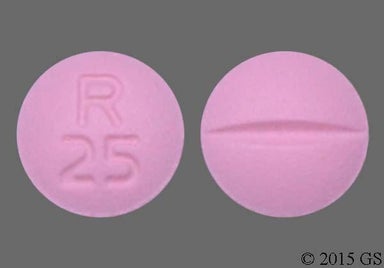
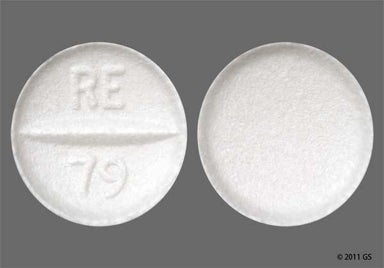
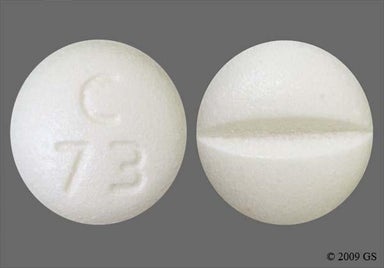
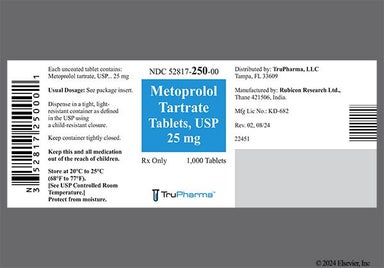
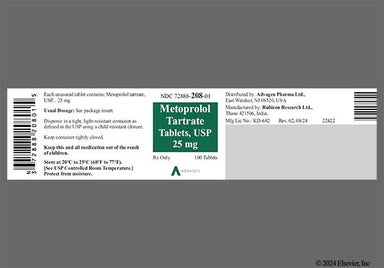
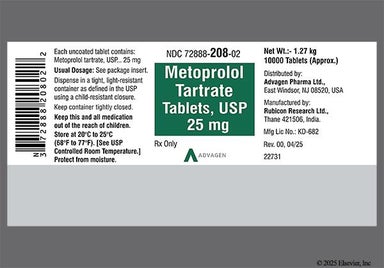
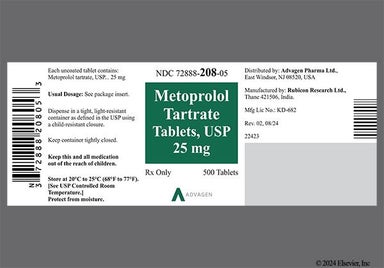
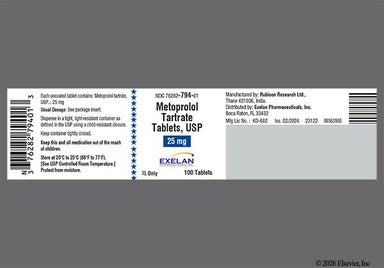
 Tablet
| Dosage | Quantity | Price as low as | Price per unit |
|---|---|---|---|
| 50mg | 180 tablets | $17.90 | $0.10 |
| 25mg | 60 tablets | $9.00 | $0.15 |
| 100mg | 180 tablets | $21.12 | $0.12 |
| 37.5mg | 180 tablets | $29.73 | $0.17 |
| 75mg | 60 tablets | $21.67 | $0.36 |
| 12.5mg | 60 tablets | $96.85 | $1.61 |

Although certain medicines should not be used together at all, in other cases two different medicines may be used together even if an interaction might occur. In these cases, your doctor may want to change the dose, or other precautions may be necessary. When you are taking this medicine, it is especially important that your healthcare professional know if you are taking any of the medicines listed below. The following interactions have been selected on the basis of their potential significance and are not necessarily all-inclusive.
Using this medicine with any of the following medicines is usually not recommended, but may be required in some cases. If both medicines are prescribed together, your doctor may change the dose or how often you use one or both of the medicines.
Using this medicine with any of the following medicines may cause an increased risk of certain side effects, but using both drugs may be the best treatment for you. If both medicines are prescribed together, your doctor may change the dose or how often you use one or both of the medicines.


Contraindications are specific health conditions or situations in which a person should not take a medication due to safety concerns. If you have any of the following conditions or if any of the following apply to you, let your healthcare provider know because Metoprolol tartrate (Lopressor) will not be safe for you to take.











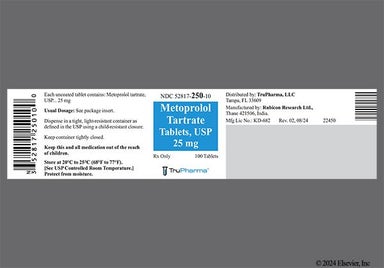
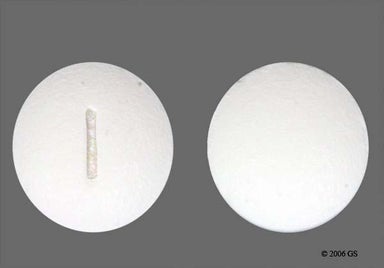
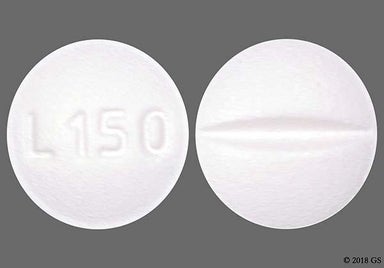
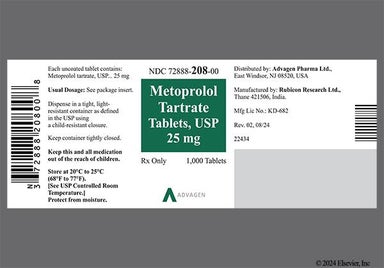
Prescription savings
Stop paying too much for your prescriptions. Compare prices, get pharmacy coupons, and save up to 80%. Find expert answers to your health questions so you can make the best decisions for yourself and your family.
Health conditions
Medications & treatment
Access & affordability
 Our monthly healthcare membership can help you save thousands on your prescription costs.
Resources

You might notice your heart rate slow about an hour after you take Metoprolol. Your blood pressure might start to go down after a few days, but it can take about a week to see the full effect. You'll likely need to check your blood pressure and heart rate regularly, especially when you first start. Your prescriber might adjust your dose in the beginning, so it can take a few weeks to find the right dose for you.
It doesn't matter what time you take Metoprolol, as long as you take it around the same time(s) each day. You’ll likely take it more than once a day with meals, so choose times that fit your routine. When you first start, you might want to take it when you can sit or lie down in case you feel dizzy.
It’s best to avoid or limit alcohol while taking Metoprolol. This medication lowers your heart rate and blood pressure, and alcohol can make your blood pressure drop too low. This can cause dizziness, lightheadedness, or even fainting. Alcohol can also affect how well the medication works. Talk to your prescriber about what’s safe for you.
Weight gain can happen with Metoprolol, but it's not common for everyone. Some people gain about 3 to 8 pounds in the first few months. This might happen because the medication can slow your metabolism or make you feel more tired. But sometimes weight gain can be a sign of fluid buildup from heart failure. Contact your care team right away if you notice swelling in your ankles or feet or a sudden increase in weight.
It takes about half a day to a full day for most of Metoprolol to leave your body. It can take even longer if you have certain liver conditions. This timing is based on the medication’s half-life and can vary from person to person. Talk to your prescriber if you have questions about how long it stays in your body.
Missing a dose of Metoprolol can cause your blood pressure or heart rate to rise suddenly. This "rebound effect" can lead to symptoms like chest pain, a fast heartbeat, or feeling very anxious. For people with heart disease, skipping doses can even raise the risk of a heart attack or serious heart rhythm problems. If you realize you’ve missed a dose, skip it and take your next dose when it's regularly scheduled. You should never take two doses at once to make up for a missed one, and it’s always best to check with your prescriber for specific advice on your schedule.
Metoprolol is often used to treat atrial fibrillation (Afib), though this use is off-label (not FDA-approved). It helps with "rate control," which means it slows your heart rate so your heart doesn’t beat too fast during an Afib episode.
The main difference between metoprolol succinate and metoprolol tartrate is how long they last and how often you take them. Metoprolol tartrate is short-acting, so you usually take it more than once a day. Metoprolol succinate is long-acting and is usually taken once a day. They are also used for slightly different conditions. Both can treat high blood pressure and chest pain. But metoprolol tartrate is also approved after a heart attack, while metoprolol succinate is also approved to treat heart failure. Talk to a healthcare professional if you have questions about how they compare.
