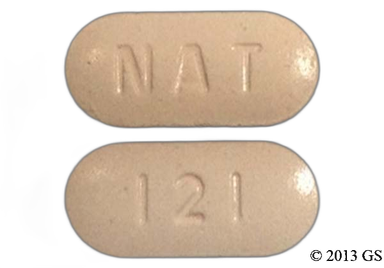
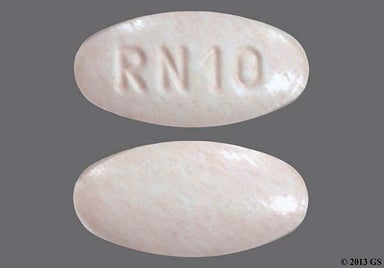
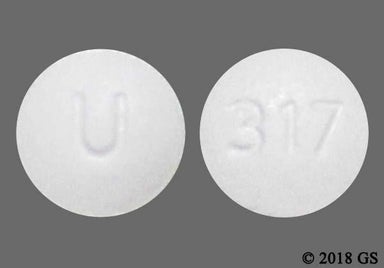
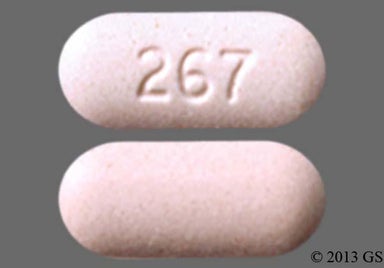
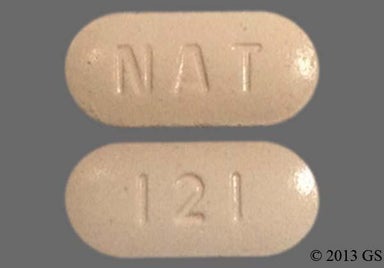
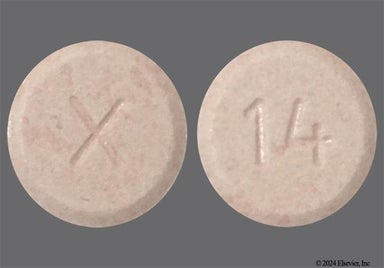
Rizatriptan (Maxalt) is used to treat migraines with or without aura in people ages 6 years and older. Rizatriptan (Maxalt) is available as a lower-cost generic tablet and an orally disintegrating tablet (ODT) that's placed on the tongue. Common side effects include dizziness, headache, and sleepiness. It can interact with antidepressants and other similar migraine medications.
Treatment of migraine attacks with or without aura in people ages 6 years and older
How Rizatriptan (Maxalt) works
Rizatriptan (Maxalt) is a triptan. It works to relieve migraines by attaching to and turning on serotonin receptors in the blood vessels and nerves in your brain. This causes the blood vessels to tighten and lowers the release of proteins that cause inflammation and pain.
The following side effects may get better over time as your body gets used to the medication. Let your healthcare provider know immediately if you continue to experience these symptoms or if they worsen over time.
Common Side Effects
Dizziness (4-9%)
Sleepiness (4-8%)
Tiredness (4-7%)
Nausea (4-6%)
Less Common Side Effects
Pain or pressure in your chest or throat
Dry mouth
Tingling or prickling feeling
Headache
Racing heart
Diarrhea
Rizatriptan (Maxalt) serious side effects
Contact your healthcare provider immediately if you experience any of the following.
Heart problems: heart attack, dangerously high blood pressure, severe headache, chest pain, trouble breathing, irregular heartbeat
Stroke: sudden weakness on one side of your body, headache, changes in your speech or vision, confusion
Serotonin syndrome: fast heart rate, dizziness, sweating, flushing, tremor (shakiness), muscle stiffness or twitching, uncoordinated movement, hallucinations
Narrowing of blood vessels in the body: bloody diarrhea; severe stomach pain; partial or permanent blindness; tightness, weakness, numbness of legs or feet; vision problems
When do Rizatriptan (Maxalt) possible side effects begin and end?
The following Rizatriptan (Maxalt) side effects have also been reported
Along with its needed effects, a medicine may cause some unwanted effects. Although not all of these side effects may occur, if they do occur they may need medical attention.
Check with your doctor immediately if any of the following side effects occur:
heaviness, tightness, or pressure in the chest and/or neck
pounding heartbeat
sensation of burning, warmth, heat, numbness, tightness, or tingling
shortness of breath
Less common
Burning, crawling, itching, numbness, prickling, "pins and needles", or tingling feelings
increased heartbeat
irregular heartbeat
pain, tightness, or pressure in the neck, jaw, or throat
slow heartbeat
Some side effects may occur that usually do not need medical attention. These side effects may go away during treatment as your body adjusts to the medicine. Also, your health care professional may be able to tell you about ways to prevent or reduce some of these side effects. Check with your health care professional if any of the following side effects continue or are bothersome or if you have any questions about them:
Not clear if taking a second dose (adults only) is actually helpful
Your migraines can get worse if you use this medication too often.
Pharmacist tips for Rizatriptan (Maxalt)
You can take rizatriptan (Maxalt) with or without food. If it's hurting your stomach, try taking it with food to help.
Rizatriptan (Maxalt) isn't meant to be used to treat more than 4 migraines per month because it might not be safe to do so. If you have migraines multiple times a month, let your provider know. They can consider other medication options to help with your symptoms. Or they can let you know if you need to start any medications for migraine prevention.
Rizatriptan (Maxalt) interacts with many medications. Depending on the situation, your provider might have to adjust your dose of rizatriptan (Maxalt) or the other medication that you're taking. Make sure to let your provider and pharmacist know about all the medications you're taking (including vitamins and supplements) before starting rizatriptan (Maxalt) so that they can help you check for interactions. If there are many interactions, your provider might even switch you to a different migraine medication.
Rizatriptan (Maxalt) can make you feel very sleepy or dizzy. Don't drive or do anything that requires a lot of attention until you know how this medication affects you.
You might feel tightness, pressure, or pain in the chest, throat, jaw, or neck after taking rizatriptan (Maxalt). This usually doesn't last long and will go away. However, these symptoms are very similar to symptoms of a heart attack or heart problems. If you notice that these symptoms are worsening or don't go away, get medical help right away.
If you're using the dissolvable tablet, make sure your hands are dry before handling the medication. Peel off the foil backing, and remove the tablet from the blister card. Don't try to push the tablet through the foil; this can damage the medication. Place the tablet on the tongue to let it dissolve, and swallow with saliva. You don't need to drink anything.
Risks and warnings for Rizatriptan (Maxalt)
Rizatriptan (Maxalt) can cause some serious health issues. This risk may be even higher for certain groups. If this worries you, talk to your doctor or pharmacist about other options.
Heart problems and high blood pressure
Risk factors: History of heart problems | People ages older than 65 | Diabetes | People who identify as obese | High blood pressure | Smoking tobacco
Although rare, some people have reported serious heart problems, such as heart attack and heart rhythm problems, within a few hours after taking rizatriptan (Maxalt). In addition, rizatriptan (Maxalt) can raise your blood pressure, rarely to dangerously high levels. If you have a history of heart or blood vessel problems, talk to your provider first to make sure rizatriptan (Maxalt) is as safe for you as possible. Make sure to check your blood pressure periodically while you're taking rizatriptan (Maxalt), and let your provider know if it's higher than usual. Get emergency help right away if you experience a heart attack, severe headache, chest pain, or irregular heartbeat.
Stroke or other brain injury
Some people who've taken triptans like rizatriptan (Maxalt) have experienced life-threatening strokes or bleeding in the brain. Symptoms of such brain injury include sudden weakness on one side of the body, bad headaches, drooping face, trouble breathing, or changes in your speech or vision. These symptoms can be similar to migraine symptoms, so strokes can be mistaken for a migraine. Let your provider know if you've had a stroke in the past because you won't be able to take rizatriptan (Maxalt). If you notice symptoms of a stroke, stop taking rizatriptan (Maxalt) and get medical help as soon as possible, especially if you haven't had a migraine before.
Extreme narrowing of blood vessels
Rizatriptan (Maxalt) can cause extreme narrowing of your blood vessels in different parts of your body. Depending on the location, this can lead to serious stomach problems (e.g., stomach pain, bloody diarrhea), vision problems, and changes in sensation of your hands and feet. It can also lead to color changes in your hands and feet (can turn pale or reddish depending on how much blood is flowing through). If you notice these symptoms after taking rizatriptan (Maxalt), don't take any more medication until you see a provider so they can check out what's going on.
Taking too much rizatriptan (Maxalt)
Taking more than the recommended dose of migraine medications can cause them to not work as well. This can lead to more migraine-like headaches or more migraine attacks. If you're taking multiple migraine medications, let your provider know if you're taking them for more than 9 days per month. Also, let your provider know if you're experience more than 4 migraine headaches a month while taking rizatriptan (Maxalt). They can talk with you about better options to help with migraines.
Serotonin syndrome
Risk factors: Taking other medications that raise serotonin levels in your brain
Some people taking rizatriptan (Maxalt) have developed a rare, but potentially life-threatening condition called serotonin syndrome. This condition happens where there's too much serotonin in the brain. Your risk for serotonin syndrome goes up if you use rizatriptan (Maxalt) with other medications that can raise your serotonin levels, such as certain antidepressants, mental health medications, pain medications, and migraine medications.
Let your provider know about all the medications you take before starting rizatriptan (Maxalt), as well as any medications you plan to take. Symptoms of serotonin syndrome include fast heart rate, sweating, muscle stiffness or spasms, fever, and confusion. Get medical help right away if you have any of these symptoms.
Caution use in people with phenylketonuria (PKU) - orally disintegrating tablets only
The rizatriptan (Maxalt) orally disintegrating tablets (ODTs) contain phenylalanine, a component of the artificial sweetener aspartame. If you have a genetic condition called phenylketonuria (PKU), taking the ODTs can be dangerous for you. Let your provider know if you have PKU so they can prescribe a different formulation of rizatriptan (Maxalt) that might be safer for you.
Rizatriptan (Maxalt) dosage
The average cost for 9 tablets of 10mg of Rizatriptan (Maxalt) is $12.22 with a free GoodRx coupon. This is 67.64% off the average retail price of $37.76.
Adults ages 18 years and older: The typical dose is 5 mg to 10 mg by mouth once when you have a migraine. If your migraine doesn't go away, you can take another dose at least 2 hours later. The maximum dose is 30 mg in a 24-hour period.
Children ages 6 to less than 18 years old: Your child's provider will determine the dose based on your child's body weight.
Weight less than 40 kg (88 lbs): The typical dose is 5 mg by mouth once when your child has a migraine. Don't take more than 5 mg in a 24-hour period.
Weight 40 kg (88 lbs) or more: The typical dose is 10 mg by mouth once when your child has a migraine. Don't take more than 10 mg in a 24-hour period.
Interactions between Rizatriptan (Maxalt) and other drugs
Rizatriptan (Maxalt) may interact with certain medications or supplements. Always let your doctor and pharmacist know about any other medications or supplements (including prescribed and over-the-counter medications, vitamins, and dietary or herbal supplements) that you are currently taking. The list below does not include all possible drug interactions with Rizatriptan (Maxalt). Please note that only the generic name of each medication is listed below.
Although certain medicines should not be used together at all, in other cases two different medicines may be used together even if an interaction might occur. In these cases, your doctor may want to change the dose, or other precautions may be necessary. When you are taking this medicine, it is especially important that your healthcare professional know if you are taking any of the medicines listed below. The following interactions have been selected on the basis of their potential significance and are not necessarily all-inclusive.
Using this medicine with any of the following medicines is not recommended. Your doctor may decide not to treat you with this medication or change some of the other medicines you take.
Using this medicine with any of the following medicines is usually not recommended, but may be required in some cases. If both medicines are prescribed together, your doctor may change the dose or how often you use one or both of the medicines.
Using this medicine with any of the following medicines may cause an increased risk of certain side effects, but using both drugs may be the best treatment for you. If both medicines are prescribed together, your doctor may change the dose or how often you use one or both of the medicines.
Contraindications are specific health conditions or situations in which a person should not take a medication due to safety concerns. If you have any of the following conditions or if any of the following apply to you, let your healthcare provider know because Rizatriptan (Maxalt) will not be safe for you to take.
GoodRx Health has strict sourcing policies and relies on primary sources such as medical organizations, governmental agencies, academic institutions, and peer-reviewed scientific journals. Learn more about how we ensure our content is accurate, thorough, and unbiased by reading our editorial guidelines.
Prescription savings
Stop paying too much for your prescriptions. Compare prices, get pharmacy coupons, and save up to 80%.
Plans start at $9.99/mo. (when paid yearly). Terms apply.
Common questions about Rizatriptan
No, Rizatriptan isn't a narcotic because it's not an opioid or opiate pain medication. Rizatriptan is also not a controlled substance because it doesn't have a risk of addiction, misuse, or dependence.
Talk to your provider about how to take Rizatriptan. In general, adults can take up to two doses of Rizatriptan, at least 2 hours apart, in a 24-hour period. But children (age 6 years and older) should only take one dose of Rizatriptan within a 24-hour period. It's not known whether Rizatriptan is safe to take for more than four times in a 30-day period. If you're experiencing more than four migraines a month, let your provider know. They can talk to you about what other medications you can take to ease the migraines, or see if you need to start any treatment for migraine prevention.
Talk with your provider before you start any new medications for migraines. Rizatriptan, acetaminophen (Tylenol), and ibuprofen (Advil) work differently to relieve migraines and don't interact with each other. In fact, if you have moderate to severe migraines, your provider might recommend that you take Rizatriptan with an NSAID, like ibuprofen (Advil) or naproxen (Naprosyn). But keep in mind that acetaminophen (Tylenol) and ibuprofen (Advil) have their own risks (e.g., liver risks, heart risks, kidney problems). Before using other pain medications with Rizatriptan, speak with your healthcare provider to make sure it's safe for you to do so.
Yes, both Rizatriptan and Nurtec (rimegepant) can be taken together if both are prescribed to you this way. These two medications don't have any known interactions with each other. Talk with your provider if you have questions about your migraine medications.
Both Rizatriptan and sumatriptan (Imitrex) are triptans that work well to treat migraines. A study that compared both medications showed that Rizatriptan might work faster than sumatriptan tablets. One difference between both medications is Rizatriptan can be taken by children ages 6 and older whereas sumatriptan is only for adults. Another difference is Rizatriptan is available as an oral tablet and a fast-melting tablet, whereas sumatriptan is available in several different dosage forms and brand names. Talk with your provider if you have more questions about Rizatriptan and sumatriptan (Imitrex).
Yes, it's possible for Rizatriptan to make you drowsy (sleepy). About 4% to 8% of people taking Rizatriptan reported drowsiness or fatigue as a side effect in clinical studies. Before driving or performing activities where you need to be alert, wait and see how this medication affects you.
Rizatriptan can relieve pain and other migraine symptoms within 30 minutes, but its effects might not last as long as other triptans because it's shorter-acting.
Talk to your provider about using Rizatriptan if you're pregnant. It isn't completely clear how safe Rizatriptan is during pregnancy. There have been some reports of triptan medications raising the risk for miscarriage. Additionally, animal studies showed babies were harmed when born to mothers exposed to Rizatriptan. To be safe, it's best to always discuss the risks and benefits of using Rizatriptan during pregnancy with your provider.