



Joint Pain Relief: Best Arthritis Creams, Gels, Patches, and Natural Methods
There are many solutions, beyond oral medication, for joint pain relief. Learn more about topical creams, patches, and gels that can help relieve joint pain.
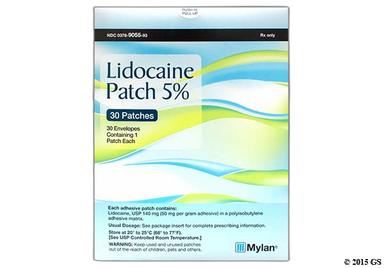
Lidocaine viscous 2% (also known as viscous lidocaine) is commonly used to numb red, swollen, and painful sores in the mouth and throat. It's available by prescription only. The typical dose for adults is to swish and spit (or swallow) 15 mL of lidocaine viscous 2% every 3 hours, as needed. While lidocaine viscous 2% works well, using this medication more often or at higher doses than recommended can cause serious side effects, such as heart rhythm problems, trouble breathing, and coma.

Lidocaine viscous 2% eases pain by numbing the nerves and making them less sensitive to pain. It's a local anesthetic, meaning it only lowers pain in the area of skin closely around or directly in contact with the medication.
| Common Brands | Xylocaine |
|---|---|
| Drug Class | Local anesthetic |
| Controlled Substance Classification | Not a controlled medication |
| Generic Status | Lower-cost generic available |
| Availability | Prescription only |

The following side effects may get better over time as your body gets used to the medication. Let your healthcare provider know immediately if you continue to experience these symptoms or if they worsen over time.
Contact your healthcare provider immediately if you experience any of the following.
Along with its needed effects, a medicine may cause some unwanted effects. Although not all of these side effects may occur, if they do occur they may need medical attention.
Check with your doctor or nurse immediately if any of the following side effects occur:
More common
Blurred vision or other changes in vision
burning feeling at site of application
redness of the white part of eyes or inside of eyelids
Some side effects may occur that usually do not need medical attention. These side effects may go away during treatment as your body adjusts to the medicine. Also, your health care professional may be able to tell you about ways to prevent or reduce some of these side effects. Check with your health care professional if any of the following side effects continue or are bothersome or if you have any questions about them:
More common
Headache
Other side effects not listed may also occur in some patients. If you notice any other effects, check with your healthcare professional.
Call your doctor for medical advice about side effects. You may report side effects to the FDA at 1-800-FDA-1088.




Lidocaine viscous 2% can cause some serious health issues. This risk may be even higher for certain groups. If this worries you, talk to your doctor or pharmacist about other options.
 Lidocaine viscous 2% can cause very serious and sometimes deadly side effects, such as seizures and cardiopulmonary arrest (a condition where the heart and lungs suddenly stop working), in children under 3 years old. This is more likely to happen if a child takes the medication more often or at a higher dose than prescribed. This medication isn't recommended for children under 3 years old, unless safer medications aren't available or haven't worked. It's also not recommended for teething pain. Talk to a healthcare provider to see if this medication is appropriate for your child or loved one. Store lidocaine viscous 2% out of reach of children to prevent them from accidentally using this medication. Make sure the lid is closed tightly. Throw away leftover or unused medication in a safe location. Call 911 and get medical help right away if your child or loved one has a seizure, becomes unconscious, stops breathing, or no longer has a heartbeat or pulse.
Use lidocaine viscous 2% only as directed by your healthcare provider. Using it more often or at a higher dose than recommended can cause this medication to build up in your body. Too much lidocaine can lead to serious side effects, such as seizures, trouble breathing, low blood pressure, slow heart rate, and your heart suddenly stopping. Get medical help right away if you experience these symptoms.
Lidocaine viscous 2% can cause methemoglobinemia, a serious blood problem where your red blood cells cannot bring enough oxygen to your body. Your risk is higher if you have low G6PD, a condition passed down from parent to child, where your red blood cells tend to burst or break apart. Be careful using lidocaine viscous 2% if you're around oxidizing chemicals, such as chlorine and hydrogen peroxide. These chemicals might be present in common household products like cleaning supplies and hair dye. Methemoglobinemia can occur immediately or within hours of using lidocaine viscous 2%. Earliest signs include headache, tiredness, and your skin turning blue. Get medical help right away to avoid more serious and life-threatening side effects like seizures, loss of consciousness, and heart rhythm problems (fast heart beat, dizziness, shortness of breath).


Although certain medicines should not be used together at all, in other cases two different medicines may be used together even if an interaction might occur. In these cases, your doctor may want to change the dose, or other precautions may be necessary. When you are receiving this medicine, it is especially important that your healthcare professional know if you are taking any of the medicines listed below. The following interactions have been selected on the basis of their potential significance and are not necessarily all-inclusive.
Using this medicine with any of the following medicines is not recommended. Your doctor may decide not to treat you with this medication or change some of the other medicines you take.
Using this medicine with any of the following medicines is usually not recommended, but may be required in some cases. If both medicines are prescribed together, your doctor may change the dose or how often you use one or both of the medicines.
Using this medicine with any of the following medicines may cause an increased risk of certain side effects, but using both drugs may be the best treatment for you. If both medicines are prescribed together, your doctor may change the dose or how often you use one or both of the medicines.












Prescription savings
Stop paying too much for your prescriptions. Compare prices, get pharmacy coupons, and save up to 80%.Resources
About GoodRx
 Find expert answers to your health questions so you can make the best decisions for yourself and your family.
Health conditions
Medications & treatment
Access & affordability
Well-being
Medication discounts

Lidocaine is only meant to give short-term pain relief for mouth or throat pain. For adults, each dose (15 mL of Lidocaine) can provide pain relief for at least 3 hours. Don't take more than one dose every 3 hours, and don't take more than 8 doses in 24 hours. Using Lidocaine more often or at a higher dose than recommended can cause your body to absorb too much medication and lead to rare, but serious side effects, such as seizures, trouble breathing, and low blood pressure.
No, Lidocaine isn't a narcotic; it's a local anesthetic. While both narcotic medications and Lidocaine can bring pain relief, they work in very different ways. Narcotic medications eases pain by affecting certain receptors in your brain to block pain. But Lidocaine works by making the skin less sensitive to pain. Narcotic medications are known to carry a risk for addiction, while Lidocaine doesn't.
No, Lidocaine is only available with a prescription from your provider. But there are other lidocaine products that are available over the counter, such as lidocaine (Lidoderm) 4% patches.
You can swallow Lidocaine only if you're using it to ease redness, swelling, and skin irritations in your throat. Don't swallow more than directed by your provider. Doing so can put you at higher risk of serious side effects, such as seizures, trouble breathing, low blood pressure, slow heart rate, and your heart suddenly stopping. Get medical help right away if you experience these symptoms.
Ask your provider if it's ok for you to mix Lidocaine with water to gargle. The typical adult dose is 15 mL of Lidocaine gargled (or swallowed), undiluted (not mixed with water). But depending on your condition, your provider might recommend that you mix Lidocaine with other ingredients. For example, your provider might prescribe Lidocaine as one of the ingredients in a "magic mouthwash" mixture to ease mouth sores.
You should wait at least 1 hour to eat after you use Lidocaine. This medication can numb your mouth and also cause the muscles in your throat to not work as well, which might cause you to choke. Also, wait until after your mouth is no longer numb to chew your food or gum. This will prevent you from biting and injuring your cheeks and tongue.
If you're pregnant, talk with your provider before using Lidocaine. This medication hasn't been well-studied in human pregnancy, but animal studies suggest it might not cause harm. If you have mouth or throat pain during pregnancy, ask your provider whether Lidocaine is a good option for you.
No, Lidocaine isn't approved for teething pain in babies. Giving it to young children can cause serious side effects that might lead to death, such as seizures, heart problems, and brain injuries. If your baby has teething pain, you can gently rub your baby's gums with your finger to soothe the pain. You can also give your baby a firm, rubber teething ring that has been chilled (not frozen) in the fridge. Ask your baby's healthcare provider what else you can do to ease their teething pain.
