



5 Foods to Avoid When Taking Letrozole
There aren’t any specific foods to avoid while taking letrozole. However, maintaining a nutritious diet and limiting alcohol can minimize the risk of some effects.

Letrozole (Femara) is an aromatase inhibitor, a type of hormonal therapy. It’s FDA-approved to treat or prevent breast cancer in females who’ve already gone through menopause. It’s sometimes prescribed off-label by fertility specialists to help females become pregnant. Letrozole (Femara) is taken by mouth, typically once a day for breast cancer. Common side effects include hot flashes and pain in the bones, muscles, and joints.

Certain types of breast cancer cells grow when there is estrogen present. Aromatase is a protein in the body involved in making estrogen.
Letrozole (Femara) is an aromatase inhibitor that works by blocking aromatase. In doing so, letrozole (Femara) prevents breast cancer cells from getting the estrogen that’s fuel for the cancer to grow and spread.
| Common Brands | Femara |
|---|---|
| Drug Class | Aromatase inhibitor |
| Controlled Substance Classification | Not a controlled medication |
| Generic Status | Lower-cost generic available |
| Availability | Prescription only |

The following side effects may get better over time as your body gets used to the medication. Let your healthcare provider know immediately if you continue to experience these symptoms or if they worsen over time.
Note: Side effects reported by females who took letrozole (Femara) after surgery for early breast cancer.
Along with its needed effects, a medicine may cause some unwanted effects. Although not all of these side effects may occur, if they do occur they may need medical attention.
Check with your doctor immediately if any of the following side effects occur:
Less common
Bone fracture
breast pain
chills, fever, or flu-like symptoms
mental depression
swelling of the feet or lower legs
Rare
Continuing or severe nervousness
dizziness or lightheadedness
fainting
fast heartbeat
increased sweating
pain in the chest, groin, or legs, especially the calves
severe and sudden, unexplained troubled breathing
severe, sudden headache
slurred speech
sudden loss of coordination
sudden, severe weakness or numbness in the arm or leg
swollen glands
vaginal bleeding
vision changes
Incidence not known
Black, tarry stools
blindness
blurred vision
burning, crawling, itching, numbness, prickling, "pins and needles", or tingling feelings
chest discomfort
dark urine
decreased vision
dilated neck veins
extreme tiredness or weakness
general tiredness or weakness
increased need to urinate
irregular breathing
irregular heartbeat
light-colored stools
painful or difficult urination
passing urine more often
sores, ulcers, or white spots on the lips or in the mouth
unusual bleeding or bruising
unusual tiredness or weakness
upper right abdominal pain
white or brownish vaginal discharge
yellow eyes and skin
Some side effects may occur that usually do not need medical attention. These side effects may go away during treatment as your body adjusts to the medicine. Also, your health care professional may be able to tell you about ways to prevent or reduce some of these side effects. Check with your health care professional if any of the following side effects continue or are bothersome or if you have any questions about them:
Less common
confusion
headache
increased thirst
loss of appetite or weight loss
metallic taste
skin rash or itching
sleepiness
spinning or whirling sensation causing loss of balance
stomach pain or upset
trouble sleeping
vomiting
weakness
Other side effects not listed may also occur in some patients. If you notice any other effects, check with your healthcare professional.
Call your doctor for medical advice about side effects. You may report side effects to the FDA at 1-800-FDA-1088.




Letrozole (Femara) can cause some serious health issues. This risk may be even higher for certain groups. If this worries you, talk to your doctor or pharmacist about other options.
- Risk factors: Ages 65 years and older Taking letrozole (Femara) for longer periods of time (2 years or longer) can lower bone mineral density (BMD), raising the risk for fractures. This risk is higher if you take letrozole (Femara) or other medications that can lower BMD for a long time, or if you have other factors that raise your risk for brittle bones (osteoporosis). Before starting treatment, your provider will likely have you do a scan to check on your bones, and repeat those scans every couple years during treatment. They might also recommend medications to prevent bone loss, such as zoledronic acid (Zometa) or denosumab (Xgeva).
One of the more common side effects of letrozole (Femara) is higher levels of cholesterol in the blood. Over time, this can raise the risk for heart attacks and strokes. To lower this risk, your oncology care team will help you plan nutritious meals and exercise routines that you can do regularly. Your oncologist will check on your cholesterol levels before you start letrozole (Femara) and periodically during treatment. If they notice your cholesterol levels rising, they might have you start medications to lower your cholesterol levels.
The liver is responsible for breaking down letrozole (Femara) in your body. If there is a problem with your liver, it can lead to high levels of letrozole (Femara) in your body and raise your risk of side effects. Let your oncology care team know if you have an existing liver problem, because your oncologist might have to lower your dose of letrozole (Femara).
Letrozole (Femara) can cause sleepiness, which can lower your ability to think, react, and focus. Your risk might be higher if you're taking other medications that can cause you to feel sleepy (e.g., benzodiazepines, muscle relaxants, sleep medications). Make sure you know how this medication affects you before driving a car or doing activities that require your concentration. Talk to your healthcare provider right away if you feel too sleepy from taking letrozole (Femara).
It's unlikely that pregnancy can happen after menopause, but if you think you could be pregnant, let your oncology care team know. Letrozole (Femara) can cause harm to an unborn baby. If there's a chance that you still have the ability to get pregnant, use an effective birth control while taking letrozole (Femara) and for at least 3 weeks after your last dose.

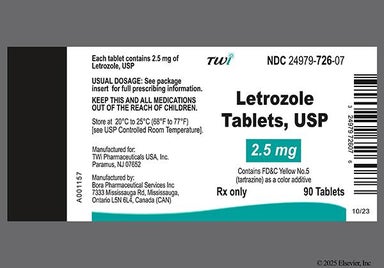
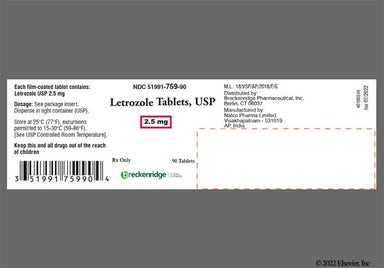
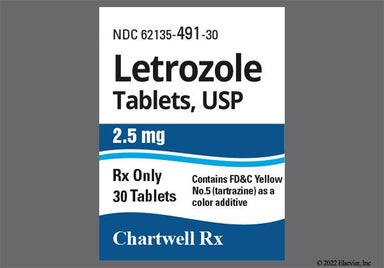
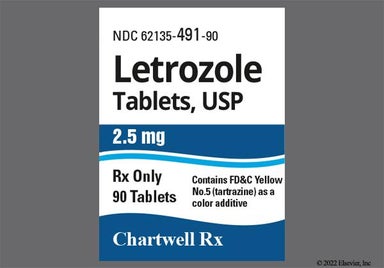
 Tablet
| Dosage | Quantity | Price as low as | Price per unit |
|---|---|---|---|
| 2.5mg | 10 tablets | $8.91 | $0.89 |
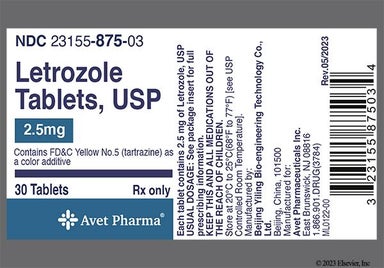
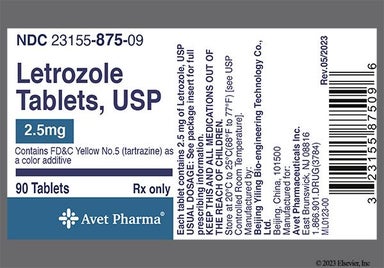
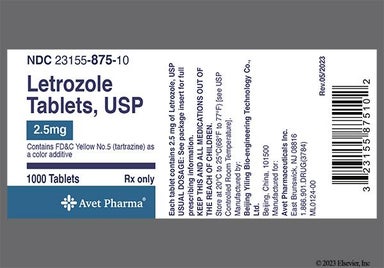
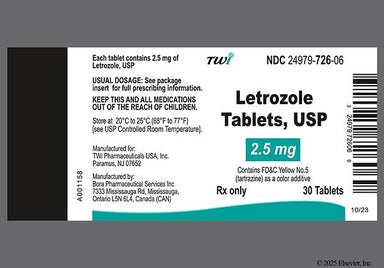
The typical dose is 2.5 mg by mouth daily. Your oncology care team will determine how long your treatment should last.
Your oncologist might lower your dose if you have a history of liver problems.

Although certain medicines should not be used together at all, in other cases two different medicines may be used together even if an interaction might occur. In these cases, your doctor may want to change the dose, or other precautions may be necessary. When you are taking this medicine, it is especially important that your healthcare professional know if you are taking any of the medicines listed below. The following interactions have been selected on the basis of their potential significance and are not necessarily all-inclusive.
Using this medicine with any of the following medicines is usually not recommended, but may be required in some cases. If both medicines are prescribed together, your doctor may change the dose or how often you use one or both of the medicines.



















Prescription savings
Stop paying too much for your prescriptions. Compare prices, get pharmacy coupons, and save up to 80%. Find expert answers to your health questions so you can make the best decisions for yourself and your family.
Health conditions
Medications & treatment
Access & affordability
 Our monthly healthcare membership can help you save thousands on your prescription costs.
Resources

No, Letrozole isn’t chemotherapy. Rather, it’s a type of hormonal therapy called an aromatase inhibitor. It works by blocking production of estrogen, a hormone that some breast cancer cells need to grow. In doing so, Letrozole prevents tumors needing estrogen from spreading. Your oncology care team might consider Letrozole as part of breast cancer treatment plans that also include other treatment options, like surgery, targeted therapy, or chemotherapy.
Letrozole isn’t FDA-approved for fertility. But the American College of Obstetricians and Gynecologists (ACOG) lists Letrozole as an off-label option for fertility treatment in females who have polycystic ovary syndrome (PCOS). Many people who have PCOS don’t ovulate regularly, which can make it difficult to get pregnant. Letrozole can help stimulate ovulation to raise the likelihood of pregnancy.
Not everyone will have the same side effect experience with Letrozole, so the "worst side effects" might differ from person to person. Research shows that the most common side effect that causes people to stop taking Letrozole or other aromatase inhibitors is muscle or joint pain. If you experience joint or muscle pain while taking Letrozole, ask your healthcare team whether you can try taking OTC pain relievers like ibuprofen (Advil, Motrin) or acetaminophen (Tylenol) to help with your symptoms. It’s also a good idea to let your oncologist know if Letrozole side effects are disrupting your daily routine. They might recommend other treatments to help relieve your symptoms.
Some long-term side effects of Letrozole include high cholesterol and weakened bones. Your oncologist will check your cholesterol levels before you start Letrozole and periodically during treatment to make sure your level is within a safe range. If needed, your healthcare team might recommend you start a cholesterol-lowering medication because having high cholesterol levels over time can raise the risk for heart attacks or strokes. In addition, your healthcare team might also order tests or scans to check your bone strength before you start treatment and while you’re taking Letrozole. This is because over time, taking Letrozole can lead to weakened bones, raising your risk for bone fractures. If needed, your care team might also recommend a calcium and vitamin D supplement, or other medications for bone health while you’re taking Letrozole.
Ask your oncology team whether you can drink alcohol while taking Letrozole. While Letrozole isn’t known to have any direct interactions with alcohol, your care team might recommend that you avoid drinking while receiving treatment. This is because alcohol might worsen some Letrozole side effects, like dizziness, tiredness, and hot flashes. Also, drinking large amounts of alcohol can raise the risk of liver problems, which can make it more difficult for your body to process Letrozole and also put you at higher risk for side effects.
Letrozole can cause hair thinning, but it’s unlikely to cause complete hair loss. It’s important to remember that other cancer treatments you’ve taken before starting Letrozole or during Letrozole treatment could also affect your hair. Talk with your oncologist if you’ve concerns about hair loss with cancer treatment. They can provide hair care tips and resources for free or low-cost wigs.
Letrozole can cause weight changes, but the specific change can vary from person to person. In studies, some people taking Letrozole reported gaining weight, but others reported losing weight. Daily exercise and a healthy diet can help you manage your weight during cancer treatment. If you’ve concerns about weight changes with Letrozole treatment, let your care team know so they can make recommendations to help.
Letrozole can cause tiredness as a side effect. For this reason, use caution when driving or engaging in activities that require intense focus until you know how the medication affects you. If you do become tired after your Letrozole dose, you can also try taking the dose at bedtime. Talk with your oncologist if fatigue with Letrozole treatment is disrupting your daily routine.
