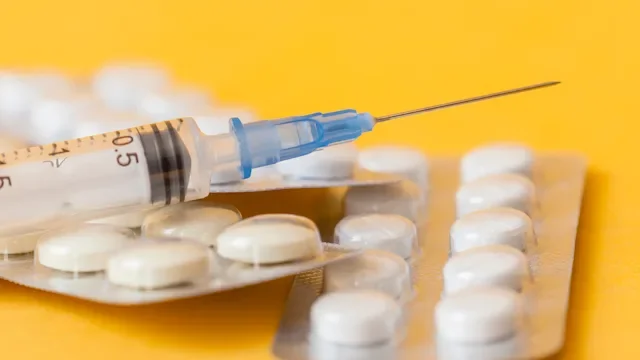
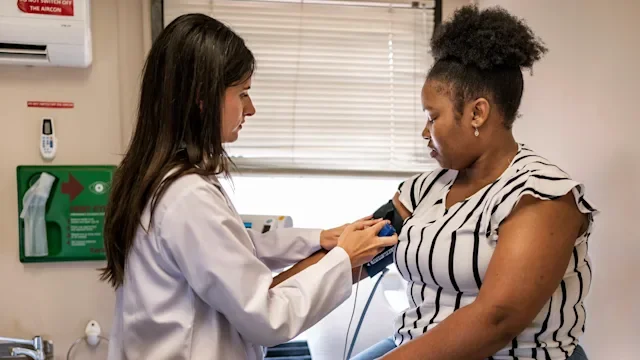
High cholesterol occurs when there is too much “bad” fat in the blood. It can be treated with medication, but not everybody with elevated cholesterol needs drugs to lower cholesterol, especially at first, says Michelle Weisfelner Bloom, MD, a cardiologist at Stony Brook University Medical Center. “Depending on the level and depending on your risk factors, sometimes we can have a patient change their lifestyle.”
Whether or not you take cholesterol-lowering medication, leading a heart-healthy life is key for healthier cholesterol numbers.
Dr. Bloom is a Cardiologist, an Associate Professor of Medicine at Stony Brook University Medical Center, a fellow of the American College of Cardiology and the Heart Failure Society of America.
Dr. Knoepflmacher is a Clinical Instructor of Medicine at The Mount Sinai Hospital in New York City, where he also maintains a private practice.
Frances Largeman-Roth is a nutritionist and cookbook author in New York City.
Antonella Apicella is a registered dietitian at the Lenox Hill Hospital Outpatient Nutrition Program.
References
American Heart Association. (2020). Cholesterol medicines.
American Heart Association. (2020). Prevention and treatment of high cholesterol (hyperlipidemia).
American Heart Association. (2020). The skinny on fats.
National Heart, Lung, and Blood Institute. (2005). Your guide to lowering your cholesterol with TLC.
Rimm, E.B., et al. (1996). Vegetable, fruit, and cereal fiber intake and risk of coronary heart disease among men. JAMA.

Why trust our experts?