










11 Causes of Loss of Smell and Taste Besides COVID
Loss of smell or taste is a nuisance. While it may happen after COVID-19, there are other causes too. Here’s what can cause loss of taste and smell.
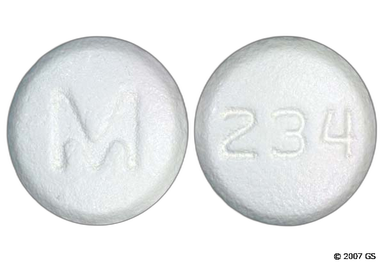
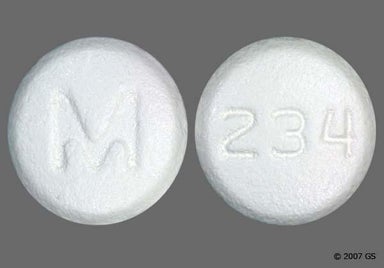
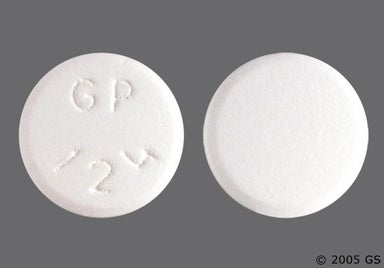
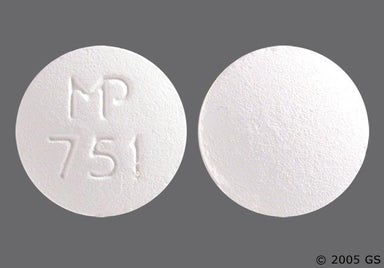
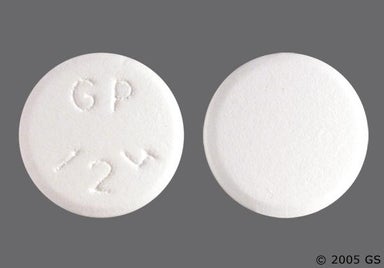
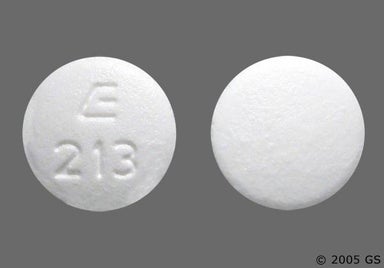
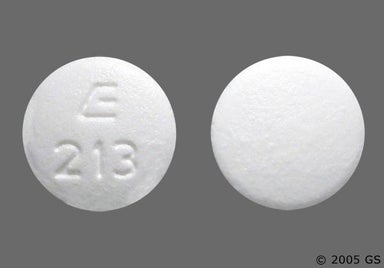
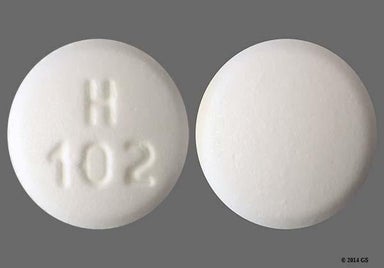
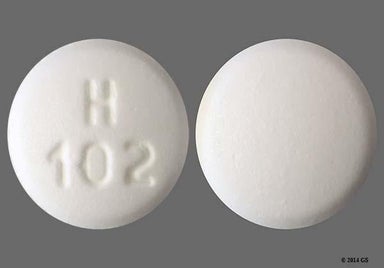
Immediate-release metformin is an oral diabetes medication. It's approved for people 10 years of age and older with Type 2 diabetes. The medication belongs to the drug class called biguanides. It works best to lower blood sugar levels with a diabetes-friendly diet and exercise plan. Immediate-release metformin comes as a tablet and an oral solution. You take this medication by mouth usually two to three times a day. It's recommended to take each dosage with food to help lessen side effects like diarrhea and nausea.

Metformin is a type of diabetes medication called a biguanide. It helps lower blood sugar in a few ways.
| Common Brands | Glucophage, Riomet |
|---|---|
| Drug Class | Biguanide |
| Controlled Substance Classification | Not a controlled medication |
| Generic Status | Lower-cost generic available |
| Availability | Prescription only |

The following side effects may get better over time as your body gets used to the medication. Let your healthcare provider know immediately if you continue to experience these symptoms or if they worsen over time.
Contact your healthcare provider immediately if you experience any of the following.
Along with its needed effects, a medicine may cause some unwanted effects. Although not all of these side effects may occur, if they do occur they may need medical attention.
Check with your doctor immediately if any of the following side effects occur:
More common
Abdominal or stomach discomfort
cough or hoarseness
decreased appetite
fast or shallow breathing
fever or chills
general feeling of discomfort
lower back or side pain
muscle pain or cramping
painful or difficult urination
sleepiness
Less common
blurred vision
chest discomfort
cold sweats
coma
confusion
cool, pale skin
difficult or labored breathing
dizziness
fast, irregular, pounding, or racing heartbeat or pulse
feeling of warmth
headache
increased hunger
increased sweating
nervousness
nightmares
redness of the face, neck, arms, and occasionally, upper chest
seizures
shakiness
slurred speech
tightness in the chest
unusual tiredness or weakness
Rare
Behavior change similar to being drunk
difficulty with concentrating
drowsiness
lack or loss of strength
restless sleep
unusual sleepiness
Some side effects may occur that usually do not need medical attention. These side effects may go away during treatment as your body adjusts to the medicine. Also, your health care professional may be able to tell you about ways to prevent or reduce some of these side effects. Check with your health care professional if any of the following side effects continue or are bothersome or if you have any questions about them:
More common
Acid or sour stomach
belching
bloated
excess air or gas in the stomach or intestines
full feeling
indigestion
loss of appetite
metallic taste in the mouth
passing of gas
stomachache
stomach upset or pain
vomiting
Less common
Abnormal stools
bad, unusual, or unpleasant (after) taste
change in taste
difficulty with moving
discoloration of the fingernails or toenails
flu-like symptoms
joint pain
rash
stuffy or runny nose
swollen joints
Other side effects not listed may also occur in some patients. If you notice any other effects, check with your healthcare professional.
Call your doctor for medical advice about side effects. You may report side effects to the FDA at 1-800-FDA-1088.



Tips for the metformin liquid:

Metformin can cause some serious health issues. This risk may be even higher for certain groups. If this worries you, talk to your doctor or pharmacist about other options.
Although it's rare, metformin can cause a serious condition called lactic acidosis (too much lactic acid in the blood). This can be serious and life-threatening. Tell your prescriber about your health problems and all the medications you take before starting metformin. They can check if you're at risk of lactic acidosis.
Call your care team right away if you have fast breathing, shortness of breath, an irregular heartbeat, a very upset stomach, or muscle pain. Also call if you feel very sleepy, tired, weak, dizzy, or cold. These could be signs of lactic acidosis. Your care team can help manage and treat this condition.
Metformin can cause low vitamin B12 levels. This can lead to anemia (a low red blood cell count). Your prescriber might ask for blood tests every few years during treatment to check for low vitamin B12 and anemia.
Reach out to your care team if you feel tired, short of breath, dizzy, or "pins and needles" in your hands or feet. These might be signs of vitamin B12 deficiency. If blood tests show that your levels are low, your prescriber might recommend a vitamin B12 supplement to get your levels back up.
Your low blood sugar can drop too low if you take metformin with certain other diabetes medications. Particular examples include insulin and sulfonylureas like glipizide. Very low blood sugar can be dangerous.
If you need insulin or a sulfonylurea with metformin, talk to your prescriber about how to lower your risk of very low blood sugar. They might need to adjust the dose of your diabetes medications.
To be safe, be sure you know how to spot and treat low blood sugar. Look out for shakiness, hunger, confusion, or weakness. You also might be nervous or anxious, have a fast heartbeat, or sweat. Carry fast-acting sugars with you to get your blood sugar back up and let your care team know if this happens. Talk to your care team if you're worried about low blood sugar while taking metformin.

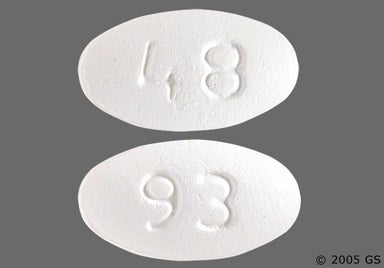
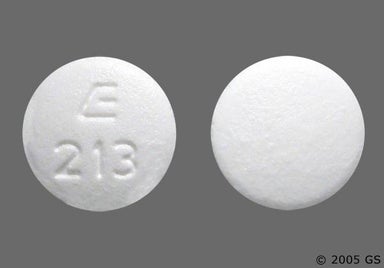
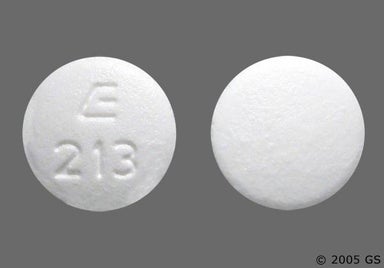
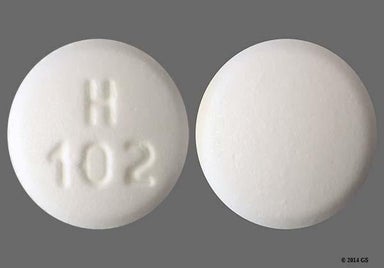
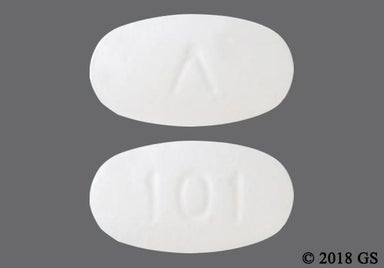
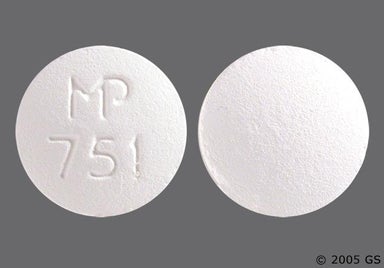
Metformin is available as an immediate-release tablet and a 100 mg/mL liquid.

Although certain medicines should not be used together at all, in other cases two different medicines may be used together even if an interaction might occur. In these cases, your doctor may want to change the dose, or other precautions may be necessary. When you are taking this medicine, it is especially important that your healthcare professional know if you are taking any of the medicines listed below. The following interactions have been selected on the basis of their potential significance and are not necessarily all-inclusive.
Using this medicine with any of the following medicines is not recommended. Your doctor may decide not to treat you with this medication or change some of the other medicines you take.
Using this medicine with any of the following medicines is usually not recommended, but may be required in some cases. If both medicines are prescribed together, your doctor may change the dose or how often you use one or both of the medicines.
Using this medicine with any of the following medicines may cause an increased risk of certain side effects, but using both drugs may be the best treatment for you. If both medicines are prescribed together, your doctor may change the dose or how often you use one or both of the medicines.


Contraindications are specific health conditions or situations in which a person should not take a medication due to safety concerns. If you have any of the following conditions or if any of the following apply to you, let your healthcare provider know because Metformin will not be safe for you to take.




























Prescription savings
Stop paying too much for your prescriptions. Compare prices, get pharmacy coupons, and save up to 80%. Find expert answers to your health questions so you can make the best decisions for yourself and your family.
Health conditions
Medications & treatment
Access & affordability
Medication discounts


Metformin can start to work within a week to help lower your blood sugar. But it can take about 2 or 3 months to see the full effects of the medication on your A1C. Your A1C is a measure of your average blood sugar levels over 3 months and is measured by a blood test. Check your blood sugar and get your A1C checked as instructed. This can help you and your care team see how long it's taking for Metformin to work for you.
You can take Metformin at any time of day. But keep in mind that you should take the medication with a meal each time. This helps lessen stomach upset like diarrhea, nausea, stomach pain, and gas. It's recommended to be consistent and take Metformin at the same time(s) every day. Talk to your pharmacist if you have questions about when to best take Metformin during the day.
Some people might lose a small amount of weight while taking Metformin. Studies show that people have lost an average of 4 lbs to 6 lbs after taking the medication over several years. Keep in mind that Metformin isn't a weight loss medication and shouldn't be used just for this purpose. Talk to your prescriber to learn more about how Metformin might affect your weight. Also speak with your care team about healthy ways to manage weight.
Yes. Diarrhea is the most common side effect of Metformin. If you have diarrhea while taking this medication, make sure to drink plenty of fluids. This can help prevent dehydration. Also talk to your prescriber if you have diarrhea that gets bothersome. They can discuss options with you. They might suggest over-the-counter medications to help manage diarrhea. Another option might be to switch to extended-release metformin, which is less likely to cause diarrhea.
It's best not to drink alcohol while taking Metformin. Alcohol and Metformin can both be hard on the stomach. Drinking while taking the medication can make stomach upset worse. Also, alcohol and Metformin can both raise the amount of lactic acid in your body. This can raise your risk of a serious problem called lactic acidosis. Let your prescriber know about your drinking habits. They can discuss with you about how to take Metformin in a safe way and recommend ways to quit drinking, if needed.
Metformin can interact with some medications. Other diabetes medications like insulin and glipizide can make your blood sugar drop too low when taken with Metformin. And some medications, such as corticosteroids and beta blockers, can make Metformin not work as well to lower blood sugar. Tell your healthcare team about all the medications you take and plan to take. They can make sure they're safe to take with Metformin. They might also follow up with you more closely.
Metformin is sometimes used off-label for people with polycystic ovary syndrome (PCOS). It helps the body use insulin better and lowers blood sugar. This is helpful for people with PCOS because they often have insulin resistance. This means the body doesn't respond well to insulin, which can lead to high blood sugar and Type 2 diabetes. Metformin can also help lower androgen hormone levels. This can help improve PCOS symptoms like acne, irregular periods, or excess hair growth. If you have PCOS, talk to your prescriber to see if Metformin is right for you.
Possibly. Talk to your prescriber if you can take Metformin while pregnant. Usually, it's recommended to try changes in diet and exercise first. As for medications, insulin is usually the first choice during pregnancy. But Metformin might be an okay option if you can't use insulin. Some studies suggest that there might be benefits to taking Metformin for diabetes during pregnancy. But it's not clear if there could be a risk of low birth weight in the baby. More studies are needed to confirm this risk. Ask your prescriber or obstetrician-gynecologist (OB-GYN) if you have more questions.
