



10 Medications That May Raise Your Risk of Kidney Damage
Diuretics and nonsteroidal anti-inflammatory drugs, like ibuprofen, could harm your kidneys. Here are common medications that may cause kidney damage.
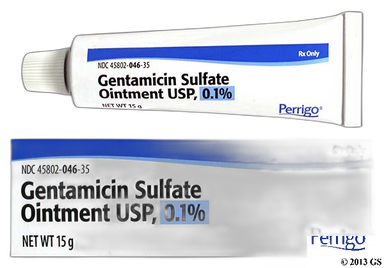
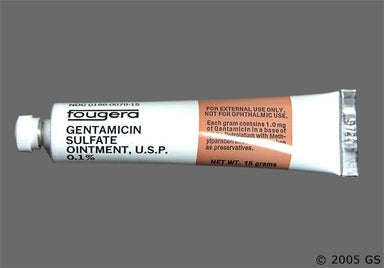
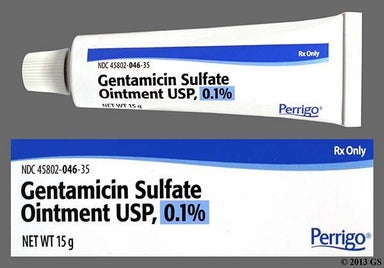
Gentamicin is a topical antibiotic that treats bacterial skin infections, such as impetigo. It comes as a cream that's useful for wet, oozing, or greasy skin infections. There's also a topical ointment for infections on dry skin. Both forms are applied on the skin 3 to 4 times a day. Gentamicin can be used on adults and children over 1 year of age. Most people don't have many side effects when used as directed. But it's possible to have mild skin irritation, like redness and itching.

Gentamicin is an aminoglycoside antibiotic. It kills bacteria by stopping them from making proteins they need to survive.
| Common Brands | Gentak |
|---|---|
| Drug Class | Aminoglycoside antibiotic |
| Controlled Substance Classification | Not a controlled medication |
| Generic Status | Lower-cost generic available |
| Availability | Prescription only |

The following side effects may get better over time as your body gets used to the medication. Let your healthcare provider know immediately if you continue to experience these symptoms or if they worsen over time.
Along with its needed effects, a medicine may cause some unwanted effects. Although not all of these side effects may occur, if they do occur they may need medical attention.
Check with your doctor immediately if any of the following side effects occur:
Less common
Itching, redness, swelling, or other sign of irritation not present before use of this medicine
Other side effects not listed may also occur in some patients. If you notice any other effects, check with your healthcare professional.
Call your doctor for medical advice about side effects. You may report side effects to the FDA at 1-800-FDA-1088.




Gentamicin can cause some serious health issues. This risk may be even higher for certain groups. If this worries you, talk to your doctor or pharmacist about other options.
Although it's rare, using gentamicin for a long time can raise the risk of other skin infections, like fungal infections. Talk to a healthcare professional if you notice signs of a new infection. Look out for a rash or itching that doesn't go away or gets worse.
Like with all medications, gentamicin can cause an allergic reaction in some people. Tell your prescriber if you've ever had a reaction to other aminoglycoside antibiotics like Neosporin. You might be more likely to have an allergic reaction to gentamicin.
Call your care team if you have hives, skin pain, rash, or skin redness that's severe, doesn't go away, or gets worse. This could be signs of an allergic reaction.


Although certain medicines should not be used together at all, in other cases two different medicines may be used together even if an interaction might occur. In these cases, your doctor may want to change the dose, or other precautions may be necessary. Tell your healthcare professional if you are taking any other prescription or nonprescription (over-the-counter [OTC]) medicine.






Prescription savings
Stop paying too much for your prescriptions. Compare prices, get pharmacy coupons, and save up to 80%. Find expert answers to your health questions so you can make the best decisions for yourself and your family.
Health conditions
Medications & treatment
Access & affordability
Medication discounts


No. You can't buy Gentamicin over the counter because it's not available like that. You need a prescription from a healthcare professional to get it from a pharmacy.
Yes. If you're allergic to penicillin antibiotics, Gentamicin is safe to use. It doesn't have a penicillin in it. But always tell your prescriber about any allergies to antibiotics before using Gentamicin. If you're allergic to antibiotics like neomycin (found in Neosporin), you could have a reaction to Gentamicin. Stop using the medication and talk to your care team if you have really bad itching, skin rash, redness, or swelling. These could be signs of a serious skin reaction.
It's very important to keep applying Gentamicin for as long as your prescriber told you to. This is even if your skin starts looking better. If you stop too early, your infection can become even harder to treat. Other antibiotics might not work as well to treat it in the future. Ask your care team about how long you should use Gentamicin and when to stop.
No, Gentamicin isn't a topical steroid. Topical steroids help lessen skin inflammation, which can be a symptom of a skin infection. But steroids don't treat the infection itself. Gentamicin is a topical antibiotic. It kills the bacteria causing a skin infection. Ask a healthcare professional which medications are best for your skin problem.
Gentamicin and Neosporin are both topical antibiotics used for bacterial skin infections. They each have a type of antibiotic called an aminoglycoside antibiotic. Gentamicin is in one and neomycin is in Neosporin. One study showed that Neosporin works just as well as Gentamicin at preventing skin infections after a surgery. Both usually have few side effects. Note that you can buy Neosporin over the counter, but you need a prescription for Gentamicin. Also keep in mind that some Neosporin medications might have other antibiotics in them. This is because Neosporin is a branded line of products. Talk to a healthcare professional about which product is best for you.
