felbamate
Felbamate (Felbatol) helps treat partial (or focal) seizures in adults with epilepsy and in children with Lennox-Gastaut syndrome (LGS). It's typically taken by mouth 3 or 4 times a day, and the dose is adjusted based on your response to the medication. Common side effects include vomiting, stomach upset, and trouble sleeping. Felbamate (Felbatol) isn't a first-choice option because it can cause very serious side effects, like liver and blood problems. This medication is available as a tablet and an oral suspension, which are both sold as brand-name and generic versions.


What is Felbamate (Felbatol)?
What is Felbamate (Felbatol) used for?
- Partial seizures in adults with epilepsy
- Seizures linked to Lennox-Gastaut syndrome (LGS) in children - add-on treatment
How Felbamate (Felbatol) works
Felbamate (Felbatol) is an antiepileptic (anti-seizure) medication. It's not entirely clear how this medication works. But it's thought that felbamate (Felbatol) helps block signals in the brain that cause seizures.
Drug facts
| Common Brands | Felbatol |
|---|---|
| Drug Class | Antiepileptic |
| Controlled Substance Classification | Not a controlled medication |
| Generic Status | Lower-cost generic available |
| Availability | Prescription only |

Side effects of Felbamate (Felbatol)
The following side effects may get better over time as your body gets used to the medication. Let your healthcare provider know immediately if you continue to experience these symptoms or if they worsen over time.
Common Side Effects
The following side effects were reported in adults taking this medication in addition to other antiepileptics.
- Headache (37%)
- Nausea (34%)
- Drowsiness (19%)
- Low appetite (19%)
- Dizziness (18%)
- Difficulty sleeping (18%)
- Tiredness (17%)
- Vomiting (17%)
- Indigestion (12%)
- Constipation (11%)
Side effects might be different for children or for adults taking this medication by itself.
Less Common Side Effects
- Diarrhea
- Stomach pain
- Uncontrollable shaking
- Difficulty walking
- Difficulty with movement or coordination
- Nervousness
- Anxiety
- Depression
- Double or changes in vision
- Change in how food tastes
Felbamate (Felbatol) serious side effects
Contact your healthcare provider immediately if you experience any of the following.
- Low blood cell counts: getting infections more than usual, unusual bruising or bleeding (or red or purple spots on your body), feeling very tired or weak
- Liver injury: severe nausea, vomiting, right-sided stomach pain, fatigue, low or no appetite, yellowing of the skin or eyes
- Thoughts of hurting yourself or of suicide
The following Felbamate (Felbatol) side effects have also been reported
Along with its needed effects, a medicine may cause some unwanted effects. Although not all of these side effects may occur, if they do occur they may need medical attention.
Check with your doctor immediately if any of the following side effects occur:
More common
Black, tarry stools
chills
confusion
delusions
loss of bladder control
painful or difficult urination
purple or red spots on the skin
shakiness in the legs, arms, hands, or feet
shortness of breath
sores, ulcers, or white spots on the lips or in the mouth
swollen glands
trembling or shaking of the hands or feet
unusual bleeding or bruising
unusual tiredness or weakness
Less common
Agitation, aggression, or other mood or mental changes
bladder pain
bloody or cloudy urine
bone pain
burning, crawling, itching, numbness, prickling, "pins and needles", or tingling feelings
clumsiness or unsteadiness
frequent urge to urinate
loss of appetite
lower back or side pain
skin rash
swelling or puffiness of the face
trouble with breathing
unsteadiness, trembling, or other problems with muscle control or coordination
Rare
Continuing headache
continuing stomach pain
continuing vomiting
dark-colored urine
general feeling of tiredness or weakness
light-colored stools
muscle cramps
nosebleeds or other unusual bruising or bleeding
sensitivity of the skin to sunlight
swollen or painful glands
tightness in the chest
yellow eyes or skin
Some side effects may occur that usually do not need medical attention. These side effects may go away during treatment as your body adjusts to the medicine. Also, your health care professional may be able to tell you about ways to prevent or reduce some of these side effects. Check with your health care professional if any of the following side effects continue or are bothersome or if you have any questions about them:
More common
Acid or sour stomach
bad, unusual, or unpleasant (after) taste
belching
body aches or pain
change in taste
change in walking and balance
constricted, pinpoint, or small pupils (black part of the eye)
crying
depersonalization
difficulty having a bowel movement (stool)
difficulty with sleeping
dizziness
double vision
dysphoria
ear congestion
euphoria
headache
hiccup
indigestion
loss of appetite
loss of voice
paranoia
quick to react or overreact emotionally
rapidly changing moods
seeing double
sleepiness or unusual drowsiness
stomach discomfort, upset, or pain
trouble sleeping
unable to sleep
Less common
Blemishes on the skin
blurred vision
decreased awareness or responsiveness
decreased weight
difficulty with moving
hoarseness
joint pain
muscle aching or cramping
muscle pains or stiffness
pain or tenderness around the eyes and cheekbones
redness or swelling in the ear
severe sleepiness
swollen joints
tender, swollen glands in the neck
trouble with swallowing
voice changes
Other side effects not listed may also occur in some patients. If you notice any other effects, check with your healthcare professional.
Call your doctor for medical advice about side effects. You may report side effects to the FDA at 1-800-FDA-1088.

Get your GoodRx coupon

Pros and cons of Felbamate (Felbatol)
Pros
- Can use by itself or with other medications to control seizures in adults
- Less likely to cause sedation when used alone than some other antiseizure medications
- Available as a suspension if you have trouble swallowing pills
- Available as a lower-cost generic
- Not a controlled substance, so it doesn't have strict regulations from the government
Cons
- Not a first-choice antiepileptic because of risk of serious side effects; only take if other medications haven't worked well enough
- Taken 3 to 4 times a day
- Interacts with some other antiepileptics, so your provider might have to adjust your doses
- Dose adjustment needed if you have kidney problems because of higher risk of side effects
- Unknown if safe for pregnant or breastfeeding women

Pharmacist tips for Felbamate (Felbatol)

- Before starting felbamate (Felbatol), you should have a conversation with your provider about the serious side effects that this medication can cause. You and your provider should both agree that this is the best option for you because other medications weren't working well enough.
- Take felbamate (Felbatol) with or without food. If it upsets your stomach, you can try taking it with food to help.
- If you're taking the suspension form of felbamate (Felbatol), ask your pharmacist for a measuring device to measure out your doses. Don't use household kitchen or measuring spoons since they might not be accurate. Keep the suspension at room temperature (don't refrigerate it), and shake the bottle well before preparing each dose.
- Make sure to get blood work regularly so your provider can check for side effects like low blood cell counts and liver injury.
- Felbamate (Felbatol) can cause dizziness, drowsiness, tiredness, or difficulty with movement and coordination. Be careful doing anything that requires concentration, such as riding a bike or operating machinery, until you know how this medication affects you. Let your provider know if these side effects don't go away or are too bothersome.
- If you notice a change in your mood, thoughts, or feelings, or if your child is behaving unusually after taking felbamate (Felbatol), let your provider know. If you have thoughts of hurting yourself, call 911 or get medical help right away.
- Don't stop taking felbamate (Felbatol) without talking to your provider first. Stopping it too suddenly can cause seizures due to withdrawal.

Risks and warnings for Felbamate (Felbatol)
Felbamate (Felbatol) can cause some serious health issues. This risk may be even higher for certain groups. If this worries you, talk to your doctor or pharmacist about other options.
Low blood cell counts (aplastic anemia)
 Felbamate (Felbatol) can cause aplastic anemia, a condition that causes dangerously low blood cell counts. This side effect is rare, but can be life-threatening because it makes you more likely to have serious infections and bleeding problems. It can happen after you've been taking felbamate (Felbatol) for many months, and it might take a while to go away after you stop taking this medication. Don't take felbamate (Felbatol) if you have a history of low blood cell counts. Your provider will order blood tests regularly to check your blood cell counts. Let your provider know right away if you're getting infections more often than usual, bruise or bleed more easily (or have red or purple spots on your body), or feel very tired or weak.
Liver failure
Felbamate (Felbatol) can raise your risk of serious liver damage. This side effect is life-threatening and has required some people to get a liver transplant. Don't take this medication if you have a history of liver problems. Your provider will order blood tests regularly to check the health of your liver and make sure this doesn't become a serious problem. Let your provider know right away if you experience right-sided stomach pain, low appetite, dark urine, nausea, vomiting, or yellowing of the skin or eyes. You'll probably need to stop the medication if this happens.
Suicidal thoughts or behavior
Antiepileptic (anti-seizure) medications like felbamate (Felbatol) can raise your risk of suicide or thoughts of suicide. Watch for new or worsening depression and any unusual changes in mood, especially during the first few months of taking this medication or if your dose changes. Report anything concerning to your provider. If you have thoughts of hurting yourself, call 911 or get medical attention right away.
Interactions with other antiepileptics
Felbamate (Felbatol) can raise the levels of other common anti-seizure medications, such as phenytoin (Dilantin), valproic acid (Depakene), divalproex (Depakote), carbamazepine (Tegretol), and phenobarbital. If their levels in the body become too high, you're at a higher risk for side effects from these medications. On the other hand, some of these medications can also lower the levels of felbamate (Felbatol) in the body and cause felbamate (Felbatol) to not work as well. If you're already taking one of these other medications, your provider will lower their dose(s) when you start felbamate (Felbatol) to make sure your medications are safe for you to take. Let your provider and pharmacist know about all the medications you take so they can help you watch out for potentially dangerous interactions with felbamate (Felbatol).

Felbamate (Felbatol) dosage
 Ml of oral suspension
| Dosage | Quantity | Price as low as | Price per unit |
|---|---|---|---|
| 600mg/5ml | 237 ml | $50.45 | $0.21 |


Interactions between Felbamate (Felbatol) and other drugs
Although certain medicines should not be used together at all, in other cases two different medicines may be used together even if an interaction might occur. In these cases, your doctor may want to change the dose, or other precautions may be necessary. When you are taking this medicine, it is especially important that your healthcare professional know if you are taking any of the medicines listed below. The following interactions have been selected on the basis of their potential significance and are not necessarily all-inclusive.
Using this medicine with any of the following medicines is not recommended. Your doctor may decide not to treat you with this medication or change some of the other medicines you take.
- Bepridil
- Cisapride
- Dronedarone
- Mesoridazine
- Pimozide
- Piperaquine
- Saquinavir
- Sparfloxacin
- Terfenadine
- Thioridazine
- Ziprasidone
Using this medicine with any of the following medicines is usually not recommended, but may be required in some cases. If both medicines are prescribed together, your doctor may change the dose or how often you use one or both of the medicines.
- Amiodarone
- Amisulpride
- Anagrelide
- Apomorphine
- Aripiprazole
- Aripiprazole Lauroxil
- Arsenic Trioxide
- Buprenorphine
- Buserelin
- Calcifediol
- Ceritinib
- Chloroquine
- Citalopram
- Clarithromycin
- Clofazimine
- Clopidogrel
- Clozapine
- Crizotinib
- Dabrafenib
- Dasatinib
- Degarelix
- Delamanid
- Deslorelin
- Deutetrabenazine
- Domperidone
- Donepezil
- Efavirenz
- Encorafenib
- Entrectinib
- Escitalopram
- Fingolimod
- Fluconazole
- Fluoxetine
- Formoterol
- Foscarnet
- Fostemsavir
- Gestodene
- Glasdegib
- Gonadorelin
- Goserelin
- Histrelin
- Hydroxychloroquine
- Hydroxyzine
- Inotuzumab Ozogamicin
- Ivabradine
- Ivosidenib
- Ketoconazole
- Lefamulin
- Lenvatinib
- Levofloxacin
- Lofexidine
- Macimorelin
- Methadone
- Metronidazole
- Mirtazapine
- Moxifloxacin
- Nafarelin
- Nilotinib
- Ondansetron
- Orlistat
- Osilodrostat
- Osimertinib
- Oxaliplatin
- Ozanimod
- Panobinostat
- Pasireotide
- Pazopanib
- Pexidartinib
- Pimavanserin
- Pitolisant
- Ponesimod
- Posaconazole
- Quetiapine
- Ribociclib
- Selpercatinib
- Sertraline
- Sevoflurane
- Siponimod
- Solifenacin
- Sotalol
- Sulpiride
- Sunitinib
- Tacrolimus
- Trazodone
- Triclabendazole
- Triptorelin
- Vandetanib
- Vemurafenib
- Vinflunine
- Voclosporin
- Zuclopenthixol
Using this medicine with any of the following medicines may cause an increased risk of certain side effects, but using both drugs may be the best treatment for you. If both medicines are prescribed together, your doctor may change the dose or how often you use one or both of the medicines.

How much does Felbamate (Felbatol) cost?

Felbamate (Felbatol) contraindications
Contraindications are specific health conditions or situations in which a person should not take a medication due to safety concerns. If you have any of the following conditions or if any of the following apply to you, let your healthcare provider know because Felbamate (Felbatol) will not be safe for you to take.
- History of low blood cell counts
- History of liver problems

What are alternatives to Felbamate (Felbatol)?

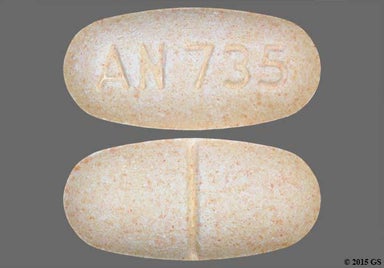
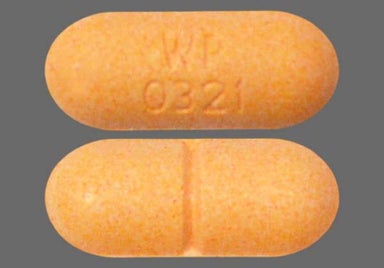
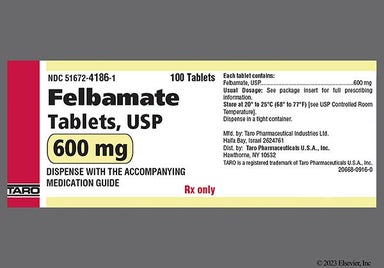
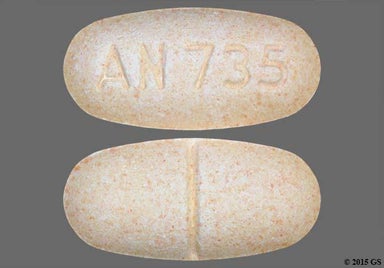
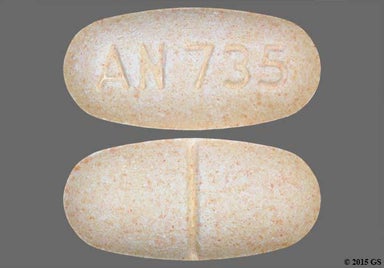
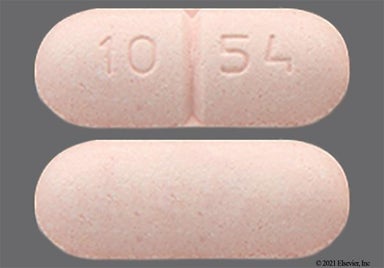
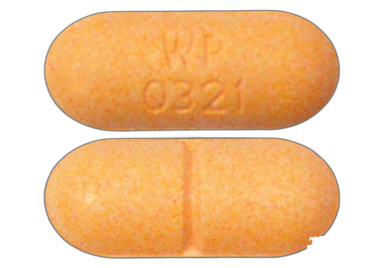
Felbamate (Felbatol) images