

Diovan HCT Dosages for High Blood Pressure: Your GoodRx Guide
Diovan HCT is a combination medication for hypertension. A typical Diovan HCT dosage starts at 160/12.5 mg once daily and increases over the course of treatment.
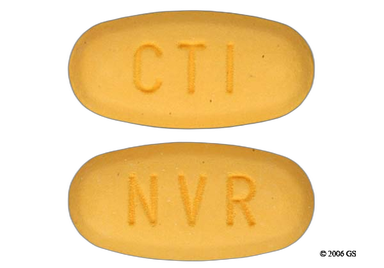
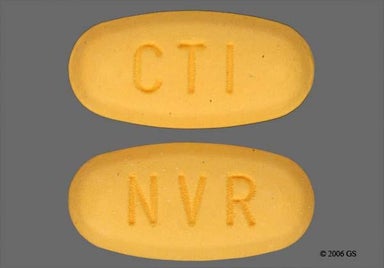
Diovan HCT (valsartan / hydrochlorothiazide) is a combination of two blood pressure medications. It's typically used when one medication alone doesn't lower your blood pressure enough. Diovan HCT (valsartan / hydrochlorothiazide) is taken by mouth, usually once daily. Keep in mind that it can take 1 to 2 weeks before you start to notice the effects of this medication on you blood pressure. The most common side effect of Diovan HCT (valsartan / hydrochlorothiazide) is dizziness, especially when you first start taking this medication or when your provider adjusts your dose.

Diovan HCT (valsartan / hydrochlorothiazide) is a combination of two medications that help lower blood pressure.
| Common Brands | Diovan HCT |
|---|---|
| Drug Class | ARB / Diuretic (water pill) |
| Controlled Substance Classification | Not a controlled medication |
| Generic Status | Lower-cost generic available |
| Availability | Prescription only |

The following side effects may get better over time as your body gets used to the medication. Let your healthcare provider know immediately if you continue to experience these symptoms or if they worsen over time.
Contact your healthcare provider immediately if you experience any of the following.
Along with its needed effects, a medicine may cause some unwanted effects. Although not all of these side effects may occur, if they do occur they may need medical attention.
Check with your doctor immediately if any of the following side effects occur:
Less common
difficulty with swallowing
tender or swollen lymph nodes in the neck
unusual tiredness or weakness
Rare
blurred vision
chills
fainting
flushing
itching, pain, redness, or swelling of the eye or eyelid
joint stiffness or swelling, especially if sudden
skin rash or hives
trouble breathing
vomiting
watering of the eyes
yellow eyes or skin
Incidence not known
Confusion
dark urine
decreased urine output
dizziness
drowsiness
fast or irregular heartbeat
large, hive-like swelling on the face, eyelids, lips, tongue, throat, hands, legs, feet, or sex organs
light-colored stools
lightheadedness
muscle cramps, spasms, pain, or stiffness
nervousness
numbness or tingling in the hands, feet, or lips
persistent non-healing sore
pink growth
reddish patch or irritated area
seizures
shiny bump
thirst
weakness or heaviness of the legs
white, yellow or waxy scar-like area
Some side effects may occur that usually do not need medical attention. These side effects may go away during treatment as your body adjusts to the medicine. Also, your health care professional may be able to tell you about ways to prevent or reduce some of these side effects. Check with your health care professional if any of the following side effects continue or are bothersome or if you have any questions about them:
Rare
increased sensitivity to sunlight
increased sweating
redness of the face or neck
reduced sexual performance or drive
Incidence not known
Hair loss or thinning of the hair
Other side effects not listed may also occur in some patients. If you notice any other effects, check with your healthcare professional.
Call your doctor for medical advice about side effects. You may report side effects to the FDA at 1-800-FDA-1088.




Diovan HCT (valsartan / hydrochlorothiazide) can cause some serious health issues. This risk may be even higher for certain groups. If this worries you, talk to your doctor or pharmacist about other options.
 Pregnant females shouldn't take Diovan HCT (valsartan / hydrochlorothiazide) because it can cause severe, and sometimes life-threatening, harm to unborn babies. Some problems include low blood pressure, kidney problems, low platelets, jaundice, and death. Speak to your provider about safer options to lower your blood pressure if you're pregnant or thinking of becoming pregnant. If you find out that you're pregnant while taking Diovan HCT (valsartan / hydrochlorothiazide), stop the medication and call your provider right away.
Diovan HCT (valsartan / hydrochlorothiazide) can lower your blood pressure, which can make you feel lightheaded or dizzy. Be careful when getting up from either a seated or lying down position to prevent falls. This is more likely to happen if you're also taking other medications that lower your blood pressure. If you feel dizzy, talk to your provider. They can make sure your dose is appropriate or prescribe a different blood pressure medication.
In some people, Diovan HCT (valsartan / hydrochlorothiazide) can affect the kidneys and cause them to not work as well. Your risk is higher if you have very severe heart failure, serious kidney problems, or if you're taking medications that can worsen kidney function. Your provider might order lab work to make sure your kidneys are working properly. If you're urinating less often than usual or if you notice swelling, call your provider. These could be signs that your kidneys aren't working as well as they should be.
In some rare cases, Diovan HCT (valsartan / hydrochlorothiazide) can cause a severe or life-threatening allergic reaction. If you experience swelling in your lips, tongue, face, or throat or have trouble breathing, get medical help right away.
Diovan HCT (valsartan / hydrochlorothiazide) can change the levels of your electrolytes, including sodium, potassium, and magnesium. Your provider might have you get blood work done so they can check these electrolytes before you start the medication, and regularly while you're taking it. If you feel any nausea, irregular heartbeats, cramps, or excessive thirst while taking this medication, call your provider. These can be signs that your electrolytes are too high or too low.
Vision changes and/or eye pain can occur within hours to weeks of starting Diovan HCT (valsartan / hydrochlorothiazide). If you experience any vision changes or eye pain, stop the medication right away and contact your provider. In some cases, this can lead to permanent blindness if not treated away.
Hydrochlorothiazide, an ingredient in Diovan HCT (valsartan / hydrochlorothiazide), might cause lupus to flare up. If you have a history of lupus, speak with your provider about the risks and benefits of taking Diovan HCT (valsartan / hydrochlorothiazide).
Some medications interact with Diovan HCT (valsartan / hydrochlorothiazide), which could change the way it works. On the other hand, Diovan HCT (valsartan / hydrochlorothiazide) can change the way certain medications work in your body. Tell your provider all of the prescription and over-the-counter medications you're taking, especially if you're taking medications such as, lithium (Lithobid), non-steroidal anti-inflammatory drugs (NSAIDs), or carbamazepine (Tegretol).

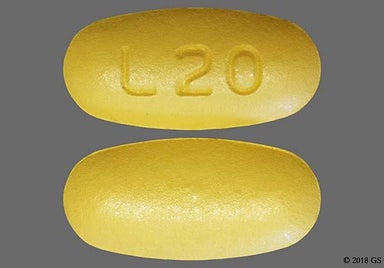
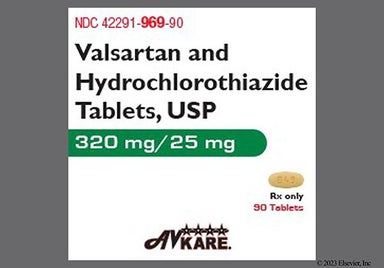
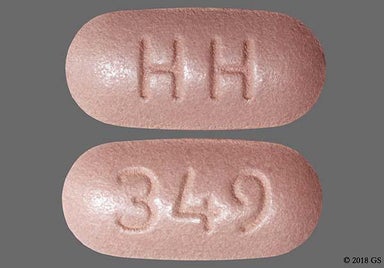
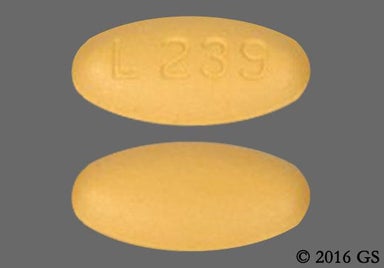
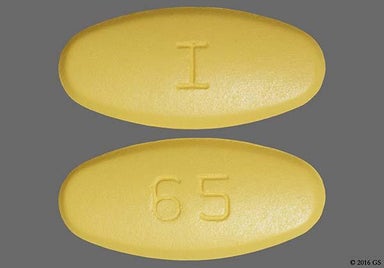
 Tablet
| Dosage | Quantity | Price as low as | Price per unit |
|---|---|---|---|
| 80mg/12.5mg | 90 tablets | $26.88 | $0.30 |
| 160mg/12.5mg | 90 tablets | $25.94 | $0.29 |
| 160mg/25mg | 90 tablets | $27.30 | $0.30 |
| 320mg/12.5mg | 90 tablets | $33.47 | $0.37 |
| 320mg/25mg | 30 tablets | $18.91 | $0.63 |
The usual starting dose is 160 mg/12.5 mg (valsartan/hydrochlorothiazide) by mouth once daily. If needed, your provider might raise your dose over time to a maximum dose of 320 mg/25 mg (valsartan/hydrochlorothiazide) once daily.

Although certain medicines should not be used together at all, in other cases two different medicines may be used together even if an interaction might occur. In these cases, your doctor may want to change the dose, or other precautions may be necessary. When you are taking this medicine, it is especially important that your healthcare professional know if you are taking any of the medicines listed below. The following interactions have been selected on the basis of their potential significance and are not necessarily all-inclusive.
Using this medicine with any of the following medicines is not recommended. Your doctor may decide not to treat you with this medication or change some of the other medicines you take.
Using this medicine with any of the following medicines is usually not recommended, but may be required in some cases. If both medicines are prescribed together, your doctor may change the dose or how often you use one or both of the medicines.
Using this medicine with any of the following medicines may cause an increased risk of certain side effects, but using both drugs may be the best treatment for you. If both medicines are prescribed together, your doctor may change the dose or how often you use one or both of the medicines.


Contraindications are specific health conditions or situations in which a person should not take a medication due to safety concerns. If you have any of the following conditions or if any of the following apply to you, let your healthcare provider know because Diovan HCT (valsartan / hydrochlorothiazide) will not be safe for you to take.




Prescription savings
Stop paying too much for your prescriptions. Compare prices, get pharmacy coupons, and save up to 80%. Find expert answers to your health questions so you can make the best decisions for yourself and your family.
Health conditions
Medications & treatment
Access & affordability
 Our monthly healthcare membership can help you save thousands on your prescription costs.
Resources

Typically, you should expect to see improvements in your blood pressure in about 1 to 2 weeks after starting Diovan HCT. But it could take up to a month before you to see the full benefits of this medication. If you're just starting Diovan HCT, your provider might need to adjust your dose over time before finding a dose that works best for you.
It's best to avoid or limit alcohol when you're taking Diovan HCT. If you drink alcohol, especially if you drink a larger amount within a shorter period of time, you can experience a temporary drop in your blood pressure. This can lead to dizziness and falls, especially when you sit up or stand up. If you drink alcohol regularly, let your provider know. They can talk with you about limiting alcohol to help you avoid dangerous side effects with Diovan HCT.
Weight loss isn't a side effect reported by people who took Diovan HCT during clinical trials. The hydrochlorothiazide (water pill) that's in this combination medication causes you to urinate more to get rid of extra fluid in your body. But this most likely won't cause any noticeable effects on weight.
Because Diovan HCT contains a diuretic (water pill), it's usually better to take it during the day to avoid waking up in the middle of the night to use the bathroom. Choose a time to take your medication and stay consistent. Taking Diovan HCT at the same time every day will help keep the levels of medication the same in your body.
You're recommended to avoid taking non-steroidal anti-inflammatory drugs (NSAIDs), like ibuprofen (Advil), together with Diovan HCT because the combination can cause harm to your kidneys. Ask your provider about other options to help with pain and fever, such as acetaminophen (Tylenol).
