


Lupus Rash in Pictures: How to Recognize and Treat It
Unusual rashes can be some of the most common early signs of lupus. Here’s what you need to know about skin lupus, including pictures and treatment.
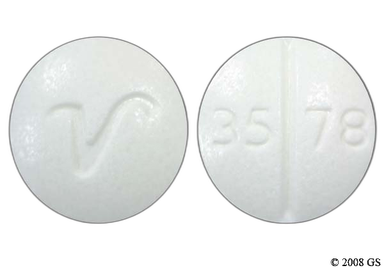
Oral hydrocortisone (Cortef) is a corticosteroid. It's taken by adults and children to treat health conditions related to inflammation or an overactive immune system, including rheumatoid arthritis and certain skin conditions. Hydrocortisone (Cortef) comes as a tablet that you take by mouth daily, though dosing can also differ depending on your condition. There's a separate intravenous or IV form called Solu-Cortef. Some side effects of hydrocortisone (Cortef) include adrenal insufficiency and weight gain. Hydrocortisone (Cortef) is available as both a brand-name and generic medication.

Hydrocortisone (Cortef) is used for many different conditions. Generally, it's used for autoimmune or inflammatory conditions. Some examples include:
Hydrocortisone (Cortef) is a corticosteroid. It's a man-made version of cortisol, a natural hormone your body makes. It works by lowering certain chemicals in your body that normally cause itching, redness, swelling, or pain.
| Common Brands | Cortef |
|---|---|
| Drug Class | Corticosteroid |
| Controlled Substance Classification | Not a controlled medication |
| Generic Status | Lower-cost generic available |
| Availability | Prescription only |

The following side effects may get better over time as your body gets used to the medication. Let your healthcare provider know immediately if you continue to experience these symptoms or if they worsen over time.
Contact your healthcare provider immediately if you experience any of the following.
Along with its needed effects, a medicine may cause some unwanted effects. Although not all of these side effects may occur, if they do occur they may need medical attention.
Check with your doctor immediately if any of the following side effects occur:
Incidence not known
Blistering, burning, crusting, dryness, or flaking of the skin
irritation
itching, scaling, severe redness, soreness, or swelling of the skin
redness and scaling around the mouth
thinning of the skin with easy bruising, especially when used on the face or where the skin folds together (e.g. between the fingers)
thinning, weakness, or wasting away of the skin
Some side effects may occur that usually do not need medical attention. These side effects may go away during treatment as your body adjusts to the medicine. Also, your health care professional may be able to tell you about ways to prevent or reduce some of these side effects. Check with your health care professional if any of the following side effects continue or are bothersome or if you have any questions about them:
Incidence not known
burning and itching of the skin with pinhead-sized red blisters
burning, itching, and pain in hairy areas, or pus at the root of the hair
increased hair growth on the forehead, back, arms, and legs
lightening of normal skin color
lightening of treated areas of dark skin
reddish purple lines on the arms, face, legs, trunk, or groin
softening of the skin
Other side effects not listed may also occur in some patients. If you notice any other effects, check with your healthcare professional.
Call your doctor for medical advice about side effects. You may report side effects to the FDA at 1-800-FDA-1088.




Hydrocortisone (Cortef) can cause some serious health issues. This risk may be even higher for certain groups. If this worries you, talk to your doctor or pharmacist about other options.
Your adrenal gland makes certain hormones for your body. Taking hydrocortisone (Cortef) for a long time can cause adrenal suppression. This is when your adrenal glands stop making your own natural hormones as your body gets used to hydrocortisone (Cortef). This is more likely to happen if you're using the medication over a long period of time. Lowering the dose or stopping it suddenly can lead to steroid withdrawal because your adrenal glands need some time to start working again. These withdrawal symptoms include tiredness, joint or muscle pain, and low energy. Talk to your HCP or pharmacist before making any sudden changes to how you take hydrocortisone (Cortef).
Taking hydrocortisone (Cortef) for a long time or at high doses can raise your risk of getting an infection. This medication can also hide some signs of infection so it might be hard to recognize if you're sick. Avoid contact with anyone who has chickenpox or measles. If you had tuberculosis (TB) in the past, your healthcare professional (HCP) will need to follow up with you while you're taking hydrocortisone (Cortef) to check if the infection has come back. You might need to take antibiotics to prevent or treat TB. Also, talk to your HCP first before getting vaccines while you're taking hydrocortisone (Cortef). Depending on the vaccine and your treatment plan, they might not work as well or be safe for you during treatment. Let your HCP know if you feel sick while you're taking hydrocortisone (Cortef).
Long-term use of hydrocortisone (Cortef) leads to a higher risk of cataracts, glaucoma, and certain eye infections. Don't take hydrocortisone (Cortef) if you have herpes simplex of the eye. Let your healthcare professional know if you have blurry vision, eye pain, or any vision changes. If you're on this medication for a long time, you might need to get regular eye exams.
Like most corticosteroid medications, hydrocortisone (Cortef) can cause changes in your mood or behavior. Tell your HCP right away if you feel depressed, have mood swings, trouble sleeping, develop anxiety, or hallucinations (hearing or seeing things that aren't there) while taking this medication. If you need to make any changes or slowly lower your dose, talk to your prescriber or pharmacist first.
Long-term use of hydrocortisone (Cortef) can raise your risk of having weakened bones (osteoporosis) and bone fractures. This medication can also slow the growth in infants and children. This is more likely to happen if the medication is used for a long period of time. If your child needs to take hydrocortisone (Cortef) for a long time, their pediatrician will closely keep track of their growth during treatment. Discuss with a healthcare professional about any concerns you have about hydrocortisone (Cortef) and possible bone problems.
Taking hydrocortisone (Cortef) raises the risk of damage to your stomach. You should avoid drinking alcohol while taking this medication because it can worsen stomach irritation. Tell your HCP right away if you experience stomach pain that doesn't go away or you get bloody/dark stools. You might need to take an additional medication to protect your stomach if your prescriber told you to take hydrocortisone (Cortef) for a long period of time.
Hydrocortisone (Cortef) can cause high blood pressure, water buildup in the body, and other changes in the way your kidneys work. These changes can worsen certain medical conditions, like high blood pressure, heart failure, and kidney problems. If you currently have or have had any of these medical conditions, talk to your HCP first before using hydrocortisone (Cortef) to make sure it's safe for you to take.

 Tablet
| Dosage | Quantity | Price as low as | Price per unit |
|---|---|---|---|
| 20mg | 30 tablets | $19.47 | $0.65 |
| 5mg | 90 tablets | $13.02 | $0.14 |
| 10mg | 90 tablets | $24.68 | $0.27 |
The typical dose of hydrocortisone (Cortef) can range from 20 mg to 240 mg by mouth per day. This depends on your condition and how severe it is. Your healthcare professional (HCP) will raise or lower your dose based on how you respond and if you have any side effects.

Although certain medicines should not be used together at all, in other cases two different medicines may be used together even if an interaction might occur. In these cases, your doctor may want to change the dose, or other precautions may be necessary. Tell your healthcare professional if you are taking any other prescription or nonprescription (over-the-counter [OTC]) medicine.


Contraindications are specific health conditions or situations in which a person should not take a medication due to safety concerns. If you have any of the following conditions or if any of the following apply to you, let your healthcare provider know because Hydrocortisone (Cortef) will not be safe for you to take.

Hydrocortisone (Cortef) is used for many different conditions. Generally, it's used for autoimmune or inflammatory conditions. Some examples include:
This medication is used for many different conditions. Generally, it's used for autoimmune problems, conditions related to swelling, or cancer. Some examples include:
Methylprednisolone (Medrol) is used for many different medical conditions, including:











Prescription savings
Stop paying too much for your prescriptions. Compare prices, get pharmacy coupons, and save up to 80%. Find expert answers to your health questions so you can make the best decisions for yourself and your family.
Health conditions
Medications & treatment
Access & affordability
 Our monthly healthcare membership can help you save thousands on your prescription costs.
Resources

Yes, Cortef is a short-acting, low-potency corticosteroid. It's less "strong" and shorter acting than a similar oral steroid, prednisone.
Cortef is considered a "short-acting" steroid. It leaves your body about 8 hours after a dose. But this can depend on your health conditions and other medications you're taking.
No, Cortef isn't an antibiotic. In fact, steroids like Cortef can actually raise the risk for an infection. If you have an infection that needs treatment with an antibiotic, go see your healthcare professional (HCP).
If you suddenly stop taking Cortef after taking it regularly for a while, there's a chance that you'll experience steroid withdrawal symptoms, including body aches and dizziness. This happens because when you take a corticosteroid for a longer period of time, your body will stop making its own cortisol hormone. And when you stop Cortef too quickly, your body isn't able to start making cortisol quickly enough to meet your needs. If you need to stop treatment, your healthcare team will help lower your dose of Cortef slowly over time (taper) to help you avoid symptoms of steroid withdrawal.
There's limited information on how taking Cortef during pregnancy might affect mothers and unborn babies. For this reason, you'll need to weigh the benefits and risks to you and your unborn baby with your obstetrician gynecologist (OB-GYN) and healthcare team.
One of the way corticosteroids, like Cortef, work is to calm the immune system and lessen swelling. But keep in mind that taking Cortef can cause swelling because it can cause your body to hold on to more fluids. If you're concerned about swelling after starting Cortef, talk with your healthcare team.
Hair loss (alopecia) isn't a commonly reported side effect of Cortef. If you're experiencing hair loss, speak with your healthcare professional (HCP) about potential causes.
You're recommended to avoid drinking alcohol while taking Cortef. Doing so can raise the risk of side effects like headache, heartburn, and trouble sleeping, or even more serious side effects like bleeding from stomach ulcers. Both alcohol and Cortef can also raise your risk of getting sick from infections.
