Key takeaways:
Dry and chapped lips can be caused by the weather, skin care products, medications, and even some infections.
The best way to treat and prevent dry, chapped lips is to use a fragrance-free, petrolatum-based lip balm with SPF year-round.
Dry or cracking lips can sometimes be a sign of a more serious medical condition. Talk with a healthcare professional if you have persistent dry lips along with cracks, swelling, or ulcers.
Most people experience dry, chapped lips from time to time. Need proof? The lip balm industry brings in nearly $900 million each year in the U.S.
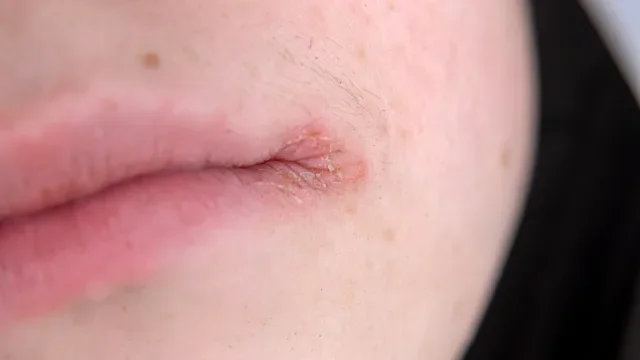
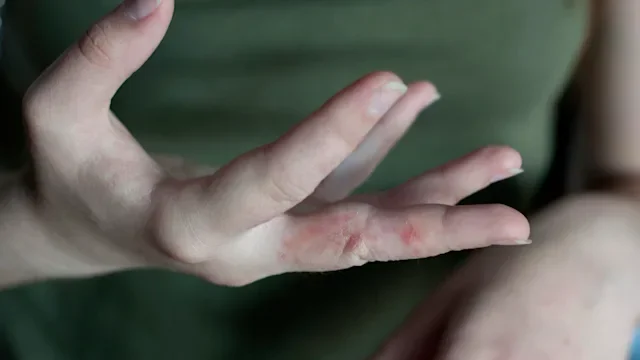
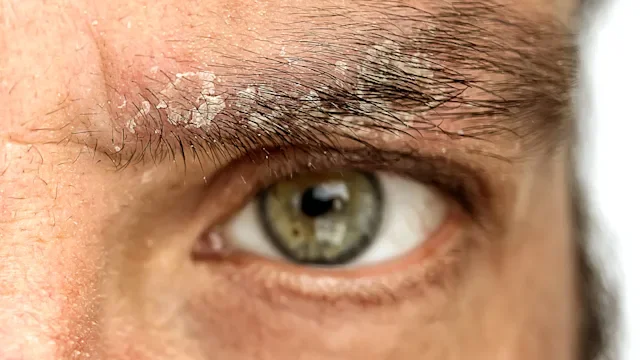
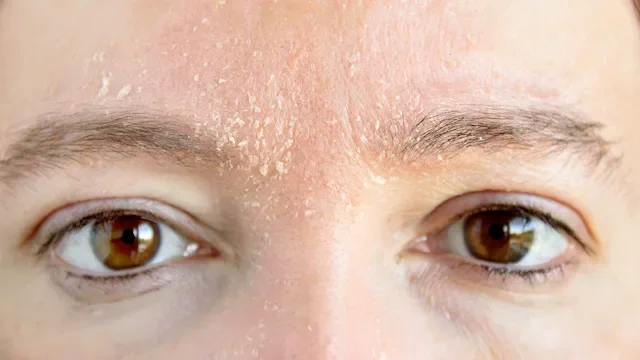
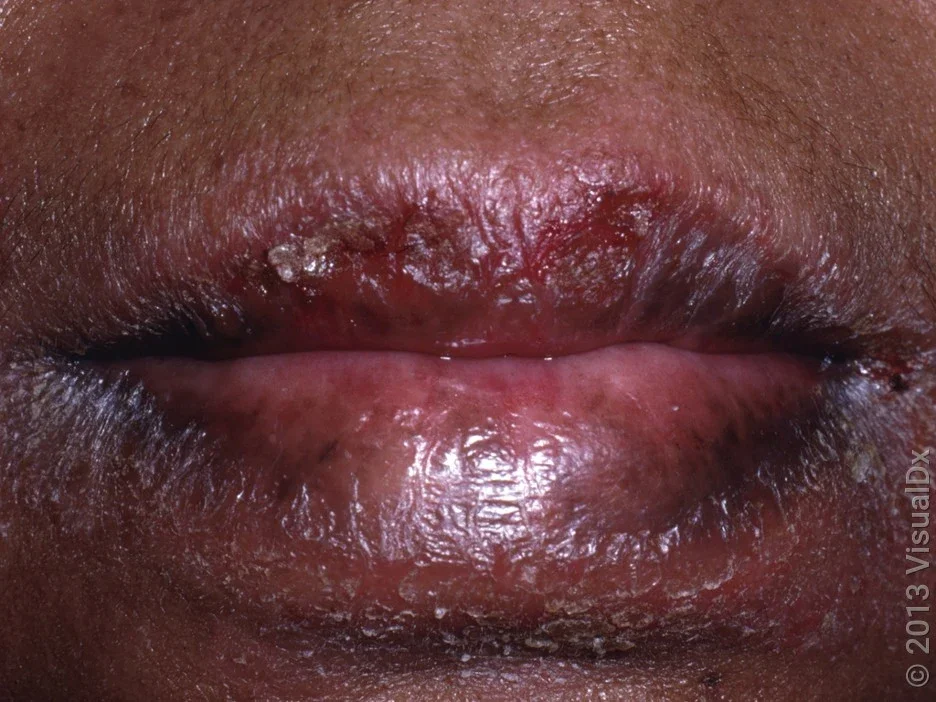
Lip inflammation (officially, cheilitis simplex) can leave you with dry, chapped, peeling, and painful lips. It can also cause red, violet, or brown discoloration on — or around — your lips, as you can see in these pictures.
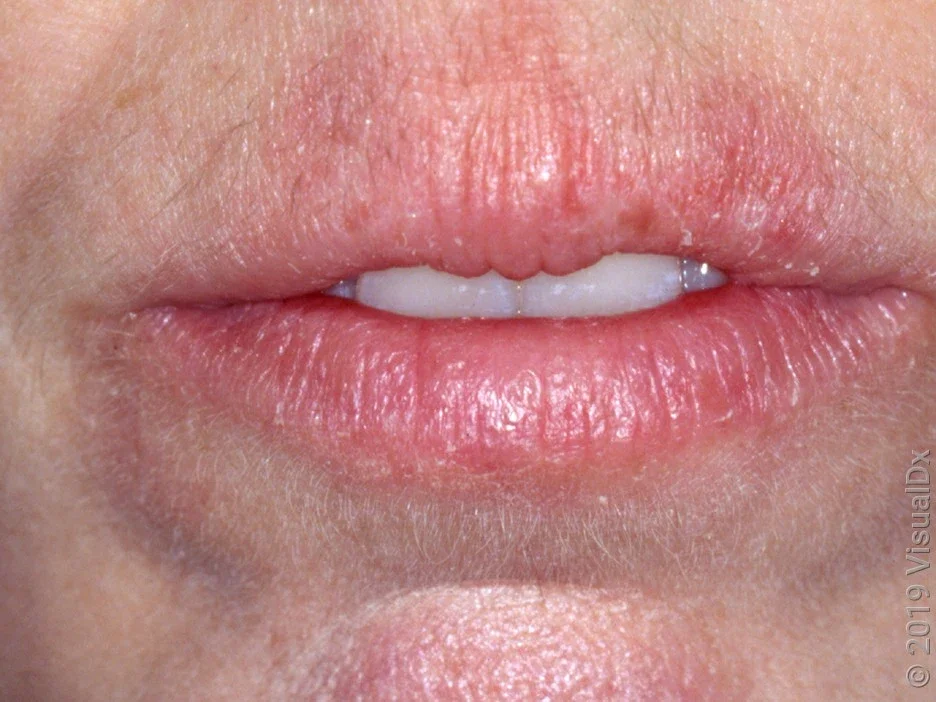
Chapped lips can happen for a variety of reasons. Let’s take a look at 10 common causes of dry, chapped lips and what to do about them.
1. Cold weather
Cold weather is a common cause of dry and chapped lips. It stiffens and dries out keratin. Keratin is a protein found in hair, nails, and skin. It helps protect your skin from irritants and keeps moisture locked in.
Your lips have a lot less keratin than the rest of the skin on your body. That’s why lips are more likely to dry and crack, even while other areas of exposed skin on your face and body don’t seem to be affected by the cold weather.
2. Dry air and wind
Both dry air and wind damage keratin. This makes lips dry and cracked. It can also lead to lip peeling, which is the keratin separating from the top layer of the lip.
So if you’re exposed to dry air, wind, and cold air, your lips are much more likely to take a hit. That’s why it’s so common to develop chapped lips after outdoor activities like skiing or water sports.
3. Lip licking
It’s natural to lick your lips, especially when they feel dry. But too much lip licking is a common cause of dry and chapped lips.
When you lick your lips too often, it leads to a constant wet-dry cycle, which disrupts the skin barrier and causes inflammation. This inflammation then triggers more lip licking, continuing the cycle.

Angular cheilitis: This common condition causes painful, cracked lips. Read about angular cheilitis, what causes it, and what to do about it.
Could you have a cold sore? Here’s all you need to know about cold sores, what they look like, and the best treatments.
Is your medication causing a dry mouth? From antihistamines to antidepressants, learn which medications can cause a dry mouth.
Over time, the skin breakdown from lip licking can result in skin infection and post-inflammatory hyperpigmentation.
4. Allergic reaction
Some people find that despite constantly applying lip balm, their lips may still feel dry. This is because some lip balms have ingredients that can cause an allergic reaction in some people.
A skin allergy to lip balm can cause peeling, irritation, itching, and discoloration.
Here are some common ingredients to look for in your lip balm that may trigger or worsen lip inflammation:
Colophony
Shellac
Sesame oil
Dyes
Fragrances
Flavoring (like citrus or mint)
Mint
Nickel
Preservatives
Avoid these ingredients when choosing a lip balm. You also want to make sure that other things that frequently touch your lips — like lipstick, mouthwash, and toothpaste — don’t contain them either.
5. Metals and irritating ingredients
It’s also worth thinking about other objects that come in contact with your lips, too. For example, some metal objects often contain nickel, such as:
Pen clips
Paper clips
Pins
Jewelry
Hair accessories
If you have a nickel allergy, these habits could be triggering your lip symptoms.
6. Too much sun exposure
Sunlight exposure can boost your mood and your health. But unprotected sun exposure can cause sunburn, even on your lips. This can lead to inflamed, dry, and painful chapped lips. Over time, too much unprotected sun exposure can lead to precancerous spots. On the lips, these are called actinic cheilitis.
Your lips are more vulnerable to ultraviolet (UV) damage from the sun because they’re thinner and less pigmented than surrounding skin. Because pigment provides natural sun protection, less pigmentation makes skin particularly vulnerable.
If not treated, sun damage spots can lead to skin cancer.
7. Tobacco smoke
People who smoke can develop glandular cheilitis. This is a lip condition that causes dryness, swelling, and uneven bumps. Having glandular cheilitis increases your risk of lip infections and lip cancer.
8. Medications
Different medications can lead to dry, peeling, or chapped lips. One class of medications that commonly causes dry lips is retinoids. These medications derived from vitamin A include isotretinoin (a pill used to treat severe acne) and retinol skin creams.
In pill form, retinoids can significantly dry out your skin and lips. Dry lips are less likely with retinol creams. But it can be a side effect if the cream comes into contact with the lips.
Other medications that can dry out your lips (and mouth) include:
Antihistamines (like Benadryl and chlorpheniramine)
Benzodiazepines (like alprazolam and lorazepam)
9. Infections
Angular cheilitis is a type of lip infection that develops when bacteria, yeast, or fungus infects already dry, chapped lips. It leads to painful cracks in the corners of the lips and peeling.
People who get cold sores (oral herpes) also develop dry, chapped lips, although this is less common.
10. Medical conditions
Most of the time, dry lips aren’t a sign of anything serious. But they can sometimes be a sign of a new or underlying medical condition. Here are some conditions that can cause dry or chapped lips:
Lupus (systemic lupus erythematosus)
What is the best treatment for dry, chapped lips?
Most dry lips can be treated at home with a good moisturizing routine. But there are some situations where prescription medications may be needed.
Lip balms
Occlusive moisturizers, like lip balms or petrolatum (Vaseline or Aquaphor), are the best treatment for dry, chapped lips. They provide instant relief by creating a protective layer over the lips and trapping in moisture.
But be sure to pick a lip balm that won’t worsen inflammation. Choose one that’s free from fragrances, dyes, and preservatives. Instead, look for a lip moisturizer that contains any of the following ingredients:
Hydrating emollients, like ceramides and dimethicone
Sun-protective ingredients, like titanium oxide or zinc oxide
Nourishing oils, like shea butter, hemp seed, or castor oil
Medications
If your dry lips are due to an infection, like angular cheilitis or herpes, you may need prescription medications to treat it.
These treatments may be:
Antifungals, like ketoconazole cream
Antibacterials, like mupirocin ointment
Antivirals, like acyclovir pills
How can you prevent dry lips?
Here are some things you can do to prevent dry lips:
Wear lip balm with SPF. Apply lip balm or a petrolatum lip product regularly, especially if you’re going to be exposed to cold, dry, and windy weather. A product that’s at least SPF 15 will do double duty by protecting your lips from UV rays.
Avoid licking or picking your lips. This will dry out your lips and lead to irritation. If it’s hard for you to stop licking or picking at your lips, talk with a healthcare professional about treatment options. Cognitive behavioral therapy (CBT), for example, can help redirect your focus away from these kinds of habits.
Use a humidifier. Humidifiers add moisture to the air. This moisture keeps the keratin on your lips soft and healthy. As a bonus, humidifiers protect the rest of your skin and keep your hair from drying out, too.
Protect your lips from the elements. If you’ll be spending a lot of time outdoors in the winter or other windy conditions, consider using a face or mouth covering in addition to lip balm.
Avoid irritating ingredients. Take a look at the ingredients in your current skin care products, toothpaste, makeup, and lip balms. When in doubt, switch to products without potentially irritating ingredients.
When should you see a doctor for chapped lips?
If you’ve taken the steps mentioned above for 2 to 3 weeks, but you still have dry, chapped lips, it’s a good time to get medical attention. You can start with your primary care provider or dermatologist (skin specialist) if you have one. They will help you get to the bottom of things in a few steps:
Reviewing your medical history
Checking the rest of your skin
Possibly performing a biopsy to look at the tissue under a microscope
Possibly referring you for patch testing to check for allergies
Frequently asked questions
Most of the time, dry lips aren’t a symptom of any underlying health problem. They’re usually caused by the weather.
If dry lips don’t improve with moisturization and lip balm, then it could be a sign of an infection or an allergy. In this situation, your primary care provider or a dermatologist can help you get the right diagnosis and treatment.
Nutrient deficiencies — such as zinc or B vitamins — are more likely to cause angular cheilitis than dry or chapped lips. They usually also cause additional symptoms. Be sure to talk with your healthcare team if you’re concerned about vitamin deficiency and before starting any new supplements.
There could be a few different reasons your lips aren’t holding moisture. The most common cause is a dry, windy, or cold environment. If this is the case, you may need to help your lips by moisturizing them regularly throughout the day. Using a humidifier in your home can also help by adding moisture to the air.
If your lips remain dry despite these approaches, you could be dealing with an underlying health or skin condition.
No, not necessarily. Mild dehydration in the body doesn’t show up as dry skin (or lips). Only severe dehydration would show up on your skin or lips. As a result, drinking more water doesn’t usually add more moisture to your skin. The best way to hydrate your lips is by using a hydrating balm regularly.
Most of the time, dry lips aren’t a symptom of any underlying health problem. They’re usually caused by the weather.
If dry lips don’t improve with moisturization and lip balm, then it could be a sign of an infection or an allergy. In this situation, your primary care provider or a dermatologist can help you get the right diagnosis and treatment.
Nutrient deficiencies — such as zinc or B vitamins — are more likely to cause angular cheilitis than dry or chapped lips. They usually also cause additional symptoms. Be sure to talk with your healthcare team if you’re concerned about vitamin deficiency and before starting any new supplements.
There could be a few different reasons your lips aren’t holding moisture. The most common cause is a dry, windy, or cold environment. If this is the case, you may need to help your lips by moisturizing them regularly throughout the day. Using a humidifier in your home can also help by adding moisture to the air.
If your lips remain dry despite these approaches, you could be dealing with an underlying health or skin condition.
No, not necessarily. Mild dehydration in the body doesn’t show up as dry skin (or lips). Only severe dehydration would show up on your skin or lips. As a result, drinking more water doesn’t usually add more moisture to your skin. The best way to hydrate your lips is by using a hydrating balm regularly.
The bottom line
The most common reasons for dry lips are extremes of weather, allergies, irritants, excessive licking, and medications. Consider these if you have dry, cracked, or peeling lips. In most cases, you can soothe dry lips with a petrolatum lip product or a lip balm that’s free of fragrances and dyes. But keep in mind: Health conditions that cause dry skin can also affect your lips. So if things don’t improve, check in with a healthcare professional to see what’s going on.

Why trust our experts?




Images used with permission from VisualDx (www.visualdx.com)
References
American Academy of Dermatology Association. (n.d.). 7 dermatologists’ tips for healing dry, chapped lips.
Bhutta, B. S., et al. (2023). Cheilitis. StatPearls.
Chen, J., et al. (2023). Lichen planus. DermNet.
Dos Santos Figueiredo, A., et al. (2024). Pigmented contact cheilitis: A systematic review. Medicina Oral, Patologia Oral y Cirugia Bucal.
Duffill, M., et al. (2015). Actinic cheilitis. DermNet.
Enweasor, C., et al. (2020). Lip licker’s dermatitis. DermNet.
Fonseca, A., et al. (2020). Art of prevention: Practical interventions in lip-licking dermatitis. International Journal of Women's Dermatology.
Griggs, J., et al. (2019). ‘Fresh breath’ on toothpaste: Peppermint as cause of cheilitis. Dermatitis.
Lugović-Mihić, L., et al. (2020). Diagnostic management of cheilitis: An approach based on a recent proposal for cheilitis classification. Acta Dermatovenerologica.
Maximize Market Research. (2025). Lip balm market – Global industry analysis and forecast (2024-2030) by product, type, usage, application, and region.
MedlinePlus. (2025). Sun’s effect on skin.
Narayanan, D., et al. (2024). Cheilitis: A diagnostic algorithm and review of underlying etiologies. Dermatitis.
Oakley, A. (2017). Glandular cheilitis. DermNet.
Silverberg, J. I., et al. (2024). Prevalence and trend of allergen sensitization in patients with cheilitis referred for patch testing, North American Contact Dermatitis Group data, 2001–2018. Contact Dermatitis.