Key takeaways:
Common causes of dry skin include weather, hot showers, harsh cleansers, aging, medications, and health conditions.
Dry skin develops when your skin barrier is damaged and can’t hold onto enough moisture.
You can manage dryness by moisturizing consistently, protecting your skin from harsh environments, and using gentle skin care products. You can also eat a nutritious, balanced diet that includes plenty of antioxidants and healthy fats.
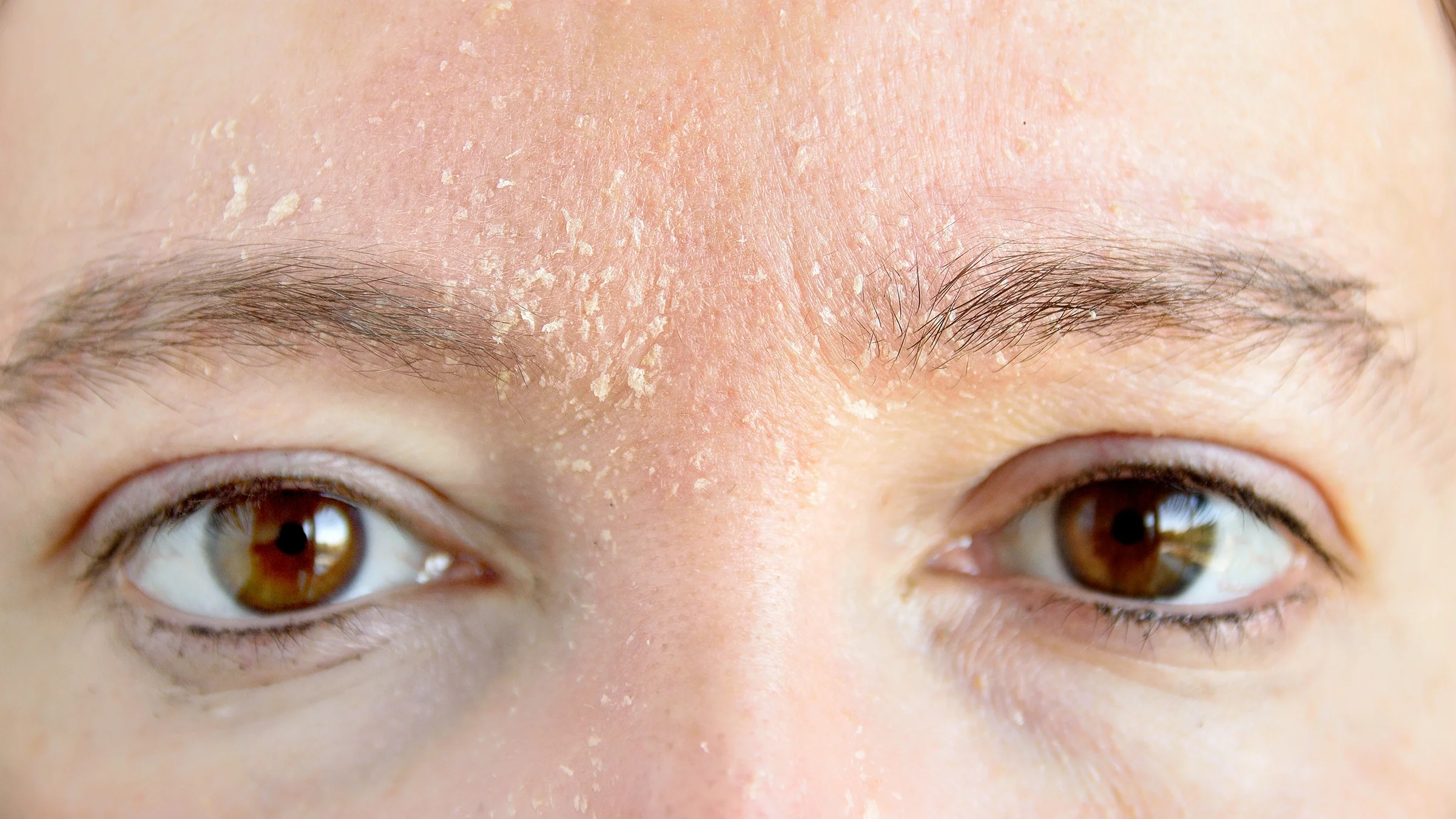
Dry skin is uncomfortable. It can feel tight, rough, flaky, or itchy. And it may seem like no amount of lotion is ever enough.
Most of the time, dry skin is a sign that the protective outermost layer of your skin isn’t able to hold onto enough moisture. And there are several different reasons this can happen. Let’s take a look at some of the common causes of dry skin, along with some effective ways to treat it.
Why is my skin so dry?
Dry skin happens when your skin barrier is damaged. The skin barrier is the outermost layer of your skin, and it has two main jobs:
To protect your body from toxins and irritants
To keep your skin hydrated by holding in moisture
Search and compare options
But when this barrier is weakened or damaged, water escapes more easily. This causes your skin to feel tight and dry.
Damage to the skin barrier can be caused by internal factors, like aging or health conditions. It can also be a result of external factors, such as cold weather, harsh skincare products, or too much sun. In many cases, the cause of dry skin is a combination of internal and external causes.
Here are some of the most common causes of dry skin.
Aging skin
As we age, our skin naturally becomes drier and more sensitive. There are a few reasons for this:
Reduced oil production: Sebum secretion can decrease with age — sometimes by as much as 60% — especially in women. This makes it harder for the skin to stay naturally moisturized.
Less resilient skin barrier: Aging skin often loses vital fats and proteins, like filaggrin, that help keep the skin barrier intact. When the barrier is weakened, it can’t lock in moisture as well. This can lead to dry skin.
Structural changes within the skin: Over time, the deeper layers of skin lose important proteins like collagen and elastin. These proteins play a role in the skin’s thickness and elasticity. This makes the skin thinner, less stretchy, and more prone to dryness and damage.
Harsh skin care products
Using skin cleansers that are too strong strips away natural oils that help keep your skin hydrated. Ingredients like alcohol, strong acids (like glycolic acid), and sulfates can be especially drying.
Fragrance can also irritate and weaken your skin barrier over time. Both synthetic and natural fragrance can contribute to contact dermatitis. This skin condition can cause itching, crusting, and redness, among other symptoms.
Cleansing too frequently
Washing your skin too frequently can also strip skin of the natural oils it needs. It can irritate and inflame the skin. This leads to dryness, especially if you're not moisturizing afterward.
Hot showers and baths
Many people love to relax by taking hot showers and baths, but hot water can be harsh on your skin. Research suggests that immersing skin in water at temperatures around 111°F can damage the skin’s protective barrier by:
Increasing transepidermal water loss (TEWL), the amount of water that evaporates from your skin
Raising skin’s pH
Triggering redness
If you’re taking a hot shower or soak, it’s best to keep it as short as possible.
Sun exposure
You may already know that spending too much time outdoors without proper sun protection can harm your health. It contributes to skin cancer, premature skin aging, and sunburn.
But sun exposure can also strip your skin of its natural oils. This damages the skin barrier, leading to dryness. Ultraviolet (UV) rays also break down collagen and elastin. Over time, this reduces your skin’s ability to hold onto moisture.
Weather
The weather can also impact your skin. Changes in temperature and humidity can affect your skin’s ability to hold onto moisture.
In winter, the shift between harsh outdoor conditions and dry, heated indoor environments can draw moisture from your skin. Over time, this can lead to dryness, flaking, and increased sensitivity.
Low humidity can also damage the skin barrier by speeding up water evaporation from the skin’s surface. This can make even well-moisturized skin feel dry and tight.
Medical conditions
Certain health conditions can damage the skin barrier, reduce oil production, and/or affect how your body holds onto moisture. Each of these things can make dry skin more likely.
Examples of health conditions that can cause dry skin include:
Medications
Certain medications can also reduce skin hydration and lead to dry skin, such as:
Acne treatments, like isotretinoin (Accutane)
Chemotherapy drugs
Diabetes medications (SGLT2 inhibitors)
How do you fix dry skin?
To treat dry skin, you’ll need to repair your skin barrier. This will allow it to hold onto moisture more effectively. Here are some things you can try:
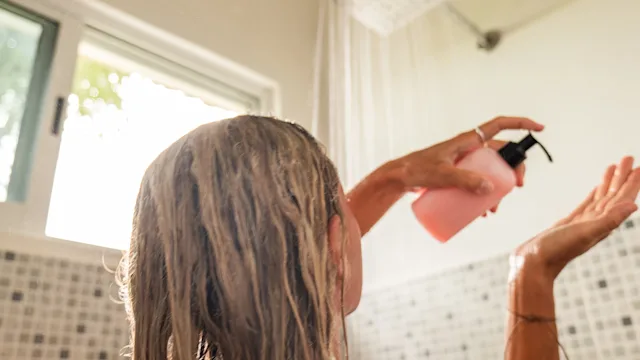
Switch to a gentle, hydrating cleanser. Avoid foaming or sulfate-based cleansers (usually, these are cleansers that lather). These can strip oils. Instead, look for cream or oil-based formulas.
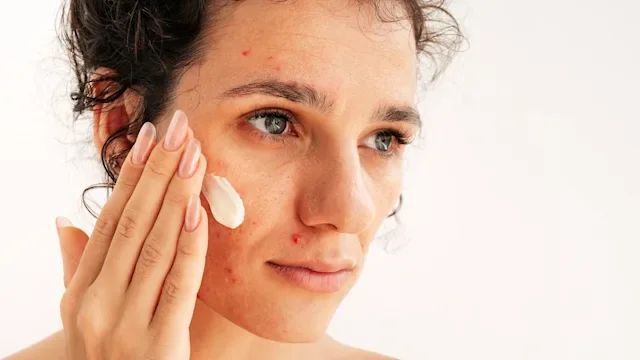
Apply moisturizer to damp skin. Immediately after cleansing, pat (don’t rub) your skin dry with a towel. Then apply a rich cream or lotion while your skin is still slightly damp. This helps lock in water.
Use cleansers and moisturizers with barrier-repairing ingredients. Ingredients to look for include ceramides, glycerin, hyaluronic acid, and squalane.
Use thicker creams or ointments at night. Your skin loses more water overnight than it does during the day. So using heavier moisturizers at night may help reduce the amount of water that evaporates from your skin. You can also try slugging, which involves applying an ointment over your moisturizer at night.
Use a humidifier. A humidifier adds moisture to the air, which can help you keep your skin hydrated.
Exfoliate. Using a mild chemical exfoliant (like lactic acid) can remove dead cells that block your skin’s ability to absorb moisturizers. Just make sure not to exfoliate too often. Building up to 1 to 3 times a week is usually right, depending on your skin type.
Can you prevent dry skin?
You may not be able to completely prevent dry skin, especially as you age or the seasons change. But you can reduce your risk by doing these things:
Dress for the elements. In cold or windy weather, wear gloves, scarves, and hats to cover exposed skin and protect it from moisture loss.
Wear sunscreen daily. Even if you don't get visible sunburns, you should wear sunscreen every day.
Avoid using hot water on your skin. Keep showers lukewarm and under 10 minutes.
Avoid prolonged exposure to dry environments. Limit time in overly heated or air-conditioned spaces. In dry environments or seasons, use a humidifier.
Rinse your skin after swimming. Chlorine and salt water can strip your skin of natural oils. Try to rinse off and moisturize soon after swimming.
Eat foods that boost your skin health. Certain foods — like those with omega-3 fats and antioxidants — can improve the health of your skin. They can support the skin barrier, reduce inflammation, and help your skin hold onto moisture. Examples are salmon (and other fatty fish), broccoli, and berries.
Frequently asked questions
Highly processed foods, excessive sugar, and too much alcohol can all contribute to dry skin. And not getting enough healthy fats — such as omega-3 fatty acids — can contribute to dry skin. These dietary fats are needed to help keep your skin barrier strong.
Vitamin E is especially beneficial for dry skin. Vitamin E, which is found in the skin’s natural sebum, helps skin retain moisture. Vitamin C, vitamin D, and some B vitamins also have important roles to play in keeping skin hydrated and healthy.
Hydration isn’t just about how much water you drink: Your skin also needs a healthy barrier to hold moisture in. Harsh cleansers, low humidity, and/or nutrient deficiencies can all lead to dryness, even if you’re drinking plenty of water.
It’s a good idea to see a dermatologist if your dryness:
Doesn’t improve with at-home care
Is accompanied by severe itching, redness, or cracks that bleed
Persistent dry skin can signal an underlying condition that needs more targeted treatment.
Highly processed foods, excessive sugar, and too much alcohol can all contribute to dry skin. And not getting enough healthy fats — such as omega-3 fatty acids — can contribute to dry skin. These dietary fats are needed to help keep your skin barrier strong.
Vitamin E is especially beneficial for dry skin. Vitamin E, which is found in the skin’s natural sebum, helps skin retain moisture. Vitamin C, vitamin D, and some B vitamins also have important roles to play in keeping skin hydrated and healthy.
Hydration isn’t just about how much water you drink: Your skin also needs a healthy barrier to hold moisture in. Harsh cleansers, low humidity, and/or nutrient deficiencies can all lead to dryness, even if you’re drinking plenty of water.
It’s a good idea to see a dermatologist if your dryness:
Doesn’t improve with at-home care
Is accompanied by severe itching, redness, or cracks that bleed
Persistent dry skin can signal an underlying condition that needs more targeted treatment.
The bottom line
Dry skin is often the result of a damaged skin barrier that’s struggling to retain moisture. Dry skin can be caused by internal factors, like aging or certain health conditions. External factors — like weather, over-cleansing, or medications — can also cause dry skin. But there are ways to prevent dry skin from happening in the first place. Try following a gentle skin care routine, protecting your skin from harsh climates, and eating a balanced diet rich in healthy fats.

Why trust our experts?




References
Ananthapadmanabhan, K. P., et al. (2004). Cleansing without compromise: The impact of cleansers on the skin barrier and the technology of mild cleansing. Dermatologic Therapy.
Bernatchez, S. F., et al. (2023). The science of skin: Measuring damage and assessing risk. Advances in Wound Care.
Chicharro-Luna, E., et al. (2024). Age-related variations in stratum corneum hydration in the foot. Maturitas.
Engebretson, K. A., et al. (2016). The effect of environmental humidity and temperature on skin barrier function and dermatitis. Journal of the European Academy of Dermatology and Venereology.
Farage, M. A., et al. (2013). Characteristics of the aging skin. Advances in Wound Care.
Gromkowska‐Kępka, K. J., et al. (2021). The impact of ultraviolet radiation on skin photoaging — review of in vitro studies. Journal of Cosmetic Dermatology.
Herrero-Fernandez, M., et al. (2022). Impact of water exposure and temperature changes on skin barrier function. Journal of Clinical Medicine.
Joshi, M., et al. (2023). Modulatory role of vitamins A, B3, C, D, and E on skin health, immunity, microbiome, and diseases. Pharmacological Report.
O’Connor, C., et al. (2023). Pooling the evidence: A review of swimming and atopic dermatitis. Pediatric Dermatology.
Parke, M. A., et al. (2021). Diet and skin barrier: The role of dietary interventions on skin barrier function. Dermatology Practical & Conceptual.
Park, E. H., et al. (2023). Effects of winter indoor environment on the skin: Unveiling skin condition changes in Korea. Skin Research and Technology.
Pastor-Nieto, M., et al. (2021). Ubiquity, hazardous effects, and risk assessment of fragrances in consumer products. Current Treatment Options in Allergy.
Sharma, N., et al. (2024). Dietary influences on skin health in common dermatological disorders. Cureus.
Ueda, Y., et al. (2021). Optimal application method of a moisturizer on the basis of skin physiological functions. Journal of Cosmetic Dermatology.
Yosipotvich, G., et al. (1998). Time-dependent variations of the skin barrier function in humans: transepidermal water loss, stratum corneum hydration, skin surface pH, and skin temperature. The Journal of Investigative Dermatology.