Key takeaways:
Beef tallow can moisturize dry or irritated skin. It supports the skin barrier because it has fatty acids and fat-soluble vitamins.
People with oily or acne-prone skin may find beef tallow too heavy. It can clog pores for some skin types.
Think of tallow as a nourishing add-on, not a replacement for proven skin care ingredients like retinoids, exfoliants, or sunscreen.
Beef tallow has quickly become a favorite with health influencers. Supporters say it can do everything from fixing the skin barrier to clearing acne. But does slathering beef fat on your face actually improve the health of your skin? Or is it just hype? Let’s take a look at what the science says about the benefits and drawbacks of using beef tallow for skin.
What is beef tallow?
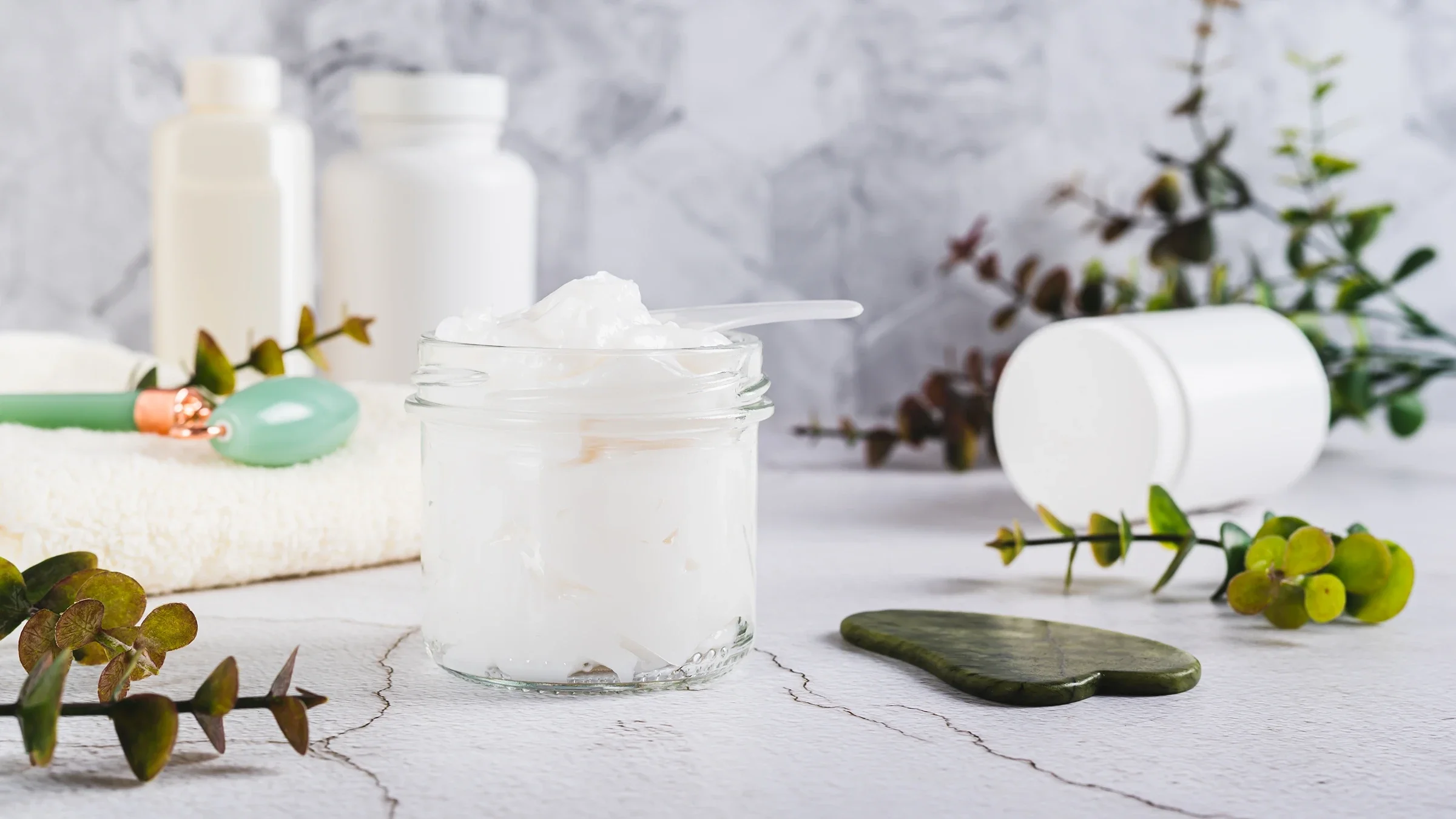
Beef tallow is fat that comes from cattle. It’s made by heating the fat and separating it from the tissue in a process called rendering. Like lard, beef tallow is solid at room temperature and has a smooth, creamy texture. For this reason, it has long been a staple ingredient in cooking, candles, and soaps. More recently, it has started showing up in skin care products, from face creams to lip treatments.
Tallow has a fatty acid profile that is similar to human sebum — the natural oil substance made by the sebaceous glands in your skin. Because of this, some health influencers promote beef tallow as a natural moisturizer that’s more nourishing than traditional moisturizers. They claim it absorbs easily and helps lock in moisture without feeling overly greasy.
Search and compare options
Most tallow products for skin are sold as a solid balm or lotion. Some are whipped for a smoother texture. You can buy pure beef tallow or blends that mix tallow with skin-friendly oils, like jojoba or coconut oil, for added benefits. And in case you’re wondering, properly rendered beef tallow doesn’t smell like beef. It has little to no smell.
Is beef tallow good for skin?
The short answer is yes. Beef tallow can offer some skin benefits, especially for people with dry skin or skin irritation. But even though early results are promising, there isn’t much research on its effectiveness. Here’s what scientists know so far about the main benefits of beef tallow for skin.
1. It’s deeply moisturizing
One of the biggest reasons people use beef tallow is its ability to hydrate dry or irritated skin. Tallow is rich in fatty acids, such as oleic acid and stearic acid. These fatty acids help your skin by acting as:
Emollients: Emollients smooth and soften the surface of your skin. They fill in the tiny cracks and rough spots that make skin feel dry or flaky.
Occlusives: Occlusives create a protective seal over your skin. This seal helps stop water from escaping, similar to putting a lid on a pot to keep steam in. Occlusives like petroleum jelly are often used in the skin care technique called “slugging.”
If your skin feels dehydrated, a fatty acid-rich moisturizer like beef tallow can make a noticeable difference, especially in cold or dry climates.
2. It supports your skin barrier
When your skin can’t hold onto moisture, it’s often a sign of a damaged skin barrier. Your skin barrier is the outermost protective layer that keeps good things (like moisture) in and bad things (like irritants and bacteria) out.
But this barrier can get damaged by things like over-exfoliating, harsh cleansers, or dry weather. When that happens, your skin can feel tight, flaky, or irritated. It may also be more prone to inflammation and breakouts.
Since the fatty acids in tallow are similar to those found naturally in human sebum, they may absorb more easily into your skin than some traditional lotions. This can help repair the barrier and improve how well it functions.
Over time, this can make your skin softer and more resilient, with less flakiness and irritation.
3. It provides nutrients to your skin
Beef tallow contains many vitamins that can support skin health:
Vitamin A helps smooth skin and support healthy cell turnover. (Vitamin A is in the same family as retinoids but is much gentler and far less concentrated.)
Vitamin D plays a role in calming inflammation. It may also help protect your skin from the effects of the sun.
Vitamin E is a powerful antioxidant that helps defend skin from environmental stressors like pollution and ultra violet (UV) damage.
Vitamin K can support skin and wound healing.
Keep in mind that tallow has only small amounts of these nutrients. They may provide some skin benefits, but they aren’t the same as proven skin care “actives.” Actives are ingredients shown to directly treat concerns like wrinkles or acne. Examples include retinol for wrinkles, salicylic acid for acne, or vitamin C for dark spots.
You can think of tallow as a nourishing moisturizer with a few bonus nutrients. But it isn’t a replacement for active treatments.
What are the disadvantages of tallow for skin?
While beef tallow has some skin benefits, there are also some disadvantages. Here are some important drawbacks to note:
It may clog pores: Beef tallow can clog pores, especially if you have oily or acne-prone skin. This can lead to breakouts.
It can feel heavy: Occlusive moisturizers like tallow are great if your skin is dry or irritated. But it can feel greasy or heavy if your skin already makes a lot of oil.
Quality varies: Not all tallow is purified or processed the same way. Homemade or poorly refined versions may have impurities or contaminants that could irritate sensitive skin or even lead to an infection.
It’s an animal-based ingredient: Since tallow is a cattle byproduct, it isn’t considered cruelty-free.
Who shouldn’t use beef tallow for skin?
Beef tallow isn’t a fit for every skin type or every lifestyle. Some people may do better with a different moisturizer, including those:
With oily or acne-prone skin
Whose skin reacts easily to heavier products
Who are prone to clogged pores or fungal acne
Who prefer plant-based or vegan skincare
Who are immunocompromised and need sterile products
How to use beef tallow for skin
If you do decide to try beef tallow, here are some tips to help you get the most out of it:
Use high-quality beef tallow made for cosmetic use. Check the label for words like “refined,” “skin,” or “cosmetic grade.” Avoid products intended for cooking, since they may be less purified and not suitable for skin care.
Use a pea-sized amount. Rub the product between clean fingers to soften it, then gently massage it into areas that need extra moisture.
Pair it with other hydrating ingredients. Layer beef tallow over a hydrating serum or lightweight moisturizer to lock in moisture. It works best when your skin is still damp from your moisturizer or serum, rather than fully dry. This helps trap in more hydration.
Start slowly. Test beef tallow for a few nights to see how your skin responds before using it daily. If you have dry skin, you may want to apply it twice a day (morning and night). If you have oily or combination skin, using tallow at night or every other night may be better for you.
Frequently asked questions
Tallow and retinol do very different things. Retinol is an active ingredient that speeds up cell turnover, the process where your skin sheds old cells and replaces them with new ones. This helps reduce the appearance of wrinkles, acne, and dark spots. Tallow, on the other hand, moisturizes your skin and calms irritation. Tallow can be soothing, but it isn’t a replacement for evidence-backed active ingredients like retinol.
Whether tallow clogs pores depends on your skin type. People with dry skin tend to tolerate it well. But it may contribute to clogged pores for people with oily or acne-prone skin.
Some dermatologists recommend beef tallow for skin. The fatty acids in beef tallow can be a helpful moisturizer for people with dry skin or compromised skin barriers. But most experts caution that it shouldn’t replace evidence-based treatments. These treatments can include prescription creams or moisturizers with ingredients like ceramides or hyaluronic acid. If you’re curious about trying beef tallow for skin, a dermatologist can help you decide if it fits your skin type.
Tallow and retinol do very different things. Retinol is an active ingredient that speeds up cell turnover, the process where your skin sheds old cells and replaces them with new ones. This helps reduce the appearance of wrinkles, acne, and dark spots. Tallow, on the other hand, moisturizes your skin and calms irritation. Tallow can be soothing, but it isn’t a replacement for evidence-backed active ingredients like retinol.
Whether tallow clogs pores depends on your skin type. People with dry skin tend to tolerate it well. But it may contribute to clogged pores for people with oily or acne-prone skin.
Some dermatologists recommend beef tallow for skin. The fatty acids in beef tallow can be a helpful moisturizer for people with dry skin or compromised skin barriers. But most experts caution that it shouldn’t replace evidence-based treatments. These treatments can include prescription creams or moisturizers with ingredients like ceramides or hyaluronic acid. If you’re curious about trying beef tallow for skin, a dermatologist can help you decide if it fits your skin type.
The bottom line
Beef tallow isn’t just a passing skin care trend. It can be a genuinely nourishing moisturizer, especially if you struggle with dryness or a weakened skin barrier. Its fatty acids and vitamins may help your skin feel softer, calmer, and better protected. But beef tallow isn’t a one-size-fits-all solution. People with oily or acne-prone skin may find it too heavy. And it can’t replace targeted skin treatments for concerns like wrinkles, dark spots, or breakouts.

Why trust our experts?




References
Bocheva, G., et al. (2021). The impact of vitamin D on skin aging. International Journal of Molecular Sciences.
Keen, M. A., et al. (2016). Vitamin E in dermatology. Indian Dermatology Online Journal.
Ludmann, P. (2025). What is National Healthy Skin month? American Academy of Dermatology Association.
Pazyar, N., et al. (2019). Wound healing effects of topical vitamin K: A randomized controlled trial. Indian Journal of Pharmacology.
Russell, M. F., et al. (2024). Tallow, rendered animal fat, and its biocompatibility with skin: A scoping review. Cureus.
Sataray-Rodriguez, A., et al. (2025). Rethinking sustainability in skincare: A comparative analysis of beef tallow and plant-based oils. Dermis.
VanBuren, C. A., et al. (2022). Vitamin A in skin and hair: An update. Nutrients.