Key takeaways:
Facials can improve the health of your skin. A basic facial provides deeper cleansing, exfoliation, and hydration than your daily skin care routine.
Think of facials as a complement to your regular, at-home skin care routine. They aren’t meant to replace consistent skin care habits or medical treatments (when needed).
Getting facials too often can irritate your skin. It’s best to space them out by at least 4 to 6 weeks. How often you should get a facial depends on your budget, schedule, skin goals, and skin type.
Facials may seem like the ultimate skin care splurge. Are they just an expensive way to relax for an hour? Or do they actually achieve results?
Since facials are an investment of both time and money, it’s fair to wonder whether they’re worth it. Let’s take a look at what facials can (and can’t) do, plus how to make the most of your appointment if you decide to book one.
What is a facial?
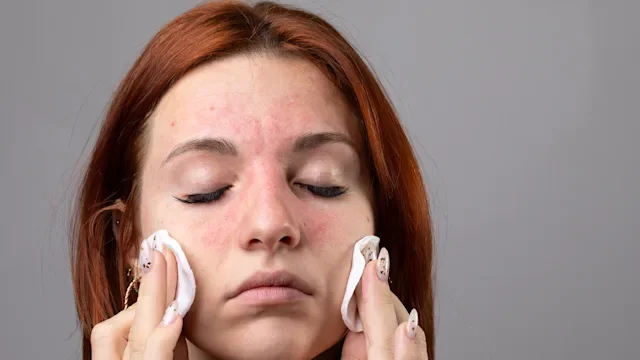
A facial is a professional skin treatment designed to improve the health of your skin. Most basic facials follow a similar structure:
Cleansing: Your face is gently washed to remove dirt and excess oil.
Exfoliation: This process uses a physical scrub or a chemical solution to remove dull, dead skin cells from the surface of your skin.
Extractions: After prepping your skin with steam, your practitioner may use sterile instruments to remove blackheads and whiteheads.
Mask: A mask is applied to soothe your skin.
Hydration: Your practitioner will apply moisturizer to keep your skin soft and hydrated.
Search and compare options
Your practitioner will likely also do facial massage throughout the treatment.
Facials are usually performed by licensed estheticians or dermatologists. The experience can (and should!) feel luxurious. At their core, though, facials are a form of professional skin care.
Are facials worth it?
Most skin care professionals recommend facials. For many people, facials are worth the time and investment. A facial can give your skin a much-needed reset. It clears the pores of dirt and excess oil, boosts hydration, and leaves you looking more refreshed.
But it’s important to think of facials as one piece of your overall skin care puzzle. A facial should complement your regular skin care habits, not replace them.
6 benefits of facials
Facials can be very effective at:
Deep cleaning your skin: The steam, exfoliants, and extractions help loosen buildup — such as oil, dead skin, or leftover makeup or sunscreen — that lead to congested pores and breakouts.
Revealing smoother, fresher-looking skin: Exfoliation removes dead skin cells to reveal newer, softer skin underneath. It may also stimulate collagen production. The result is a smoother skin texture and a more even skin tone. Facial massage can also contribute to smoother-looking skin by promoting circulation.
Hydrating your skin: Facials use moisturizers that provide deep hydration.
Providing targeted treatment: Facials aren’t one-size-fits-all. A skilled practitioner can tailor a facial to your skin's needs, adjusting products and techniques to your specific skin concerns.
Giving you expert insight: Your practitioner can give you feedback about your skin. They can also recommend the right products for you to use at home.
Offering a moment of self-care: The dim lights, gentle touch, and warm steam offer a level of relaxation that’s hard to replicate at home. Stress relief may improve your skin's health — and your overall health.
What facials can’t fix
But as effective as facials can be, keep in mind that they aren’t a magic bullet. For example, facials can’t do the following:
Erase wrinkles or stop aging: Facials can temporarily leave your skin looking firmer and more refreshed. But long-term anti-aging results usually come from more advanced treatments like lasers, microneedling, and/or prescription skin care.
Treat medical skin conditions: Facials can help calm irritation or reduce surface-level breakouts. But chronic issues like acne, rosacea, or melasma are best managed with a dermatologist’s help.
Deliver long-term results in one session: A single facial can provide a useful “tune-up” for your skin. But real results come from consistent maintenance over time.
What are the different types of facials?
If you’re new to facials or just want standard maintenance, a basic facial is a good place to start. But there are many types of facials. If you want a facial that goes beyond the standard model, here’s a breakdown of some common variations.
Keep in mind that more intensive treatments aren’t part of most facials, such as:
Microneedling
Strong chemical peels
But they’re sometimes offered alongside them as add-ons.
Hydrating facial
The goal: to restore moisture and soothe dry, sensitive skin
With this type of facial, you can expect:
Gentle exfoliation
Rich serums or masks that help bring hydration to dry, flaky, or sensitive skin
This type of facial is especially helpful after travel, cold weather, or any time your skin feels tight, flaky, or irritated.
Acne facial
The goal: to clear pores and calm inflammation on acne-prone skin
An acne facial focuses on:
Deep cleansing
Extractions
Ingredients like salicylic acid, tea tree oil, or sulfur
Sometimes, it includes high-frequency tools (such as wands) or LED light therapy to reduce bacteria on the skin’s surface.
Anti-aging facial
The goal: to improve firmness and reduce fine lines
These facials focus on stimulating collagen production and boosting skin elasticity. They may include:
Facial massage
Microcurrent (a low-level electrical current that helps stimulate facial muscles and improve tone)
LED light
Antioxidant-rich serums like vitamin C or peptides
Brightening or ‘glow’ facial
The goal: to make your skin look brighter and more even in tone
This facial usually includes:
Gentle exfoliating acids (like glycolic or lactic acid)
Brightening agents like vitamin C or niacinamide
It sometimes includes resurfacing, which is a more intense form of exfoliation.
How often should you get a facial?
There's no one-size-fits-all answer for how often you should get a facial. It’s a good idea to always wait at least 4 to 6 weeks between facials. This ensures you don’t irritate the skin. But the right frequency will vary from person to person.
You’ll want to consider the following:
Your daily routine: If you’re consistent with a daily skin care regimen (including sunscreen use), you may not need facials as frequently.
Skin concerns or goals: If you’re dealing with acne, hyperpigmentation, or texture issues, you might benefit from more frequent visits.
Skin type: Oily or acne-prone skin may respond well to regular deep-cleaning facials. Sensitive or dry skin types might need gentler, less frequent care.
Your budget: Facials typically cost anywhere from $75 to over $300. Depending on your budget, an occasional facial paired with solid home care may be more sustainable.
Facial do’s and don’ts
If you’re new to facials, here are a few tips to keep in mind.
Do’s
Here are some things you should do:
Go to a licensed esthetician or dermatologist. Experience and training matter. This is especially true when it comes to extractions and using active ingredients (those that target specific skin issues).
Communicate with your practitioner. Let your practitioner know if you recently used active ingredients at home, such as retinoids, acids, or acne treatments. You should also mention if you’ve recently had a peel, laser treatment, or even a lot of sun exposure. These factors can affect which ingredients are safe to use during your facial.
Arrive with a clean, bare face. Arriving with makeup-free, moisturized skin sets the stage for a better facial.
Don'ts
And here are some things you shouldn’t do:
Get a facial right before a big event. It’s common to experience redness or a breakout after a facial, especially if extractions were part of the treatment.
Use exfoliants or other active ingredients in the days before and after your facial. Using certain ingredients too close to your appointment can increase skin sensitivity. Stick to a very basic skin routine (cleansing and a gentle moisturizer) before and after your facial.
Frequently asked questions
Facials are generally safe if they’re performed by a licensed esthetician or dermatologist. But they can occasionally cause breakouts, redness, or irritation, especially if your skin is sensitive. Over-exfoliation or aggressive extractions can also do more harm than good.
This is why working with a skin care professional is important. They’ll determine the best — and safest — products for your skin type.
It can be, especially if you enjoy facials and they fit into your skin care goals and budget. But a monthly visit isn’t always realistic. Occasional facials combined with a consistent at-home routine can still benefit skin health.
Some at-home facials (like gentle masks or steam treatments) are generally safe. But trying to replicate professional-level treatments at home isn’t a good idea. Leave extractions and strong peels in the hands of a professional. If you're not sure what your skin needs, it’s best to consult a dermatologist or esthetician.
Facials are generally safe if they’re performed by a licensed esthetician or dermatologist. But they can occasionally cause breakouts, redness, or irritation, especially if your skin is sensitive. Over-exfoliation or aggressive extractions can also do more harm than good.
This is why working with a skin care professional is important. They’ll determine the best — and safest — products for your skin type.
It can be, especially if you enjoy facials and they fit into your skin care goals and budget. But a monthly visit isn’t always realistic. Occasional facials combined with a consistent at-home routine can still benefit skin health.
Some at-home facials (like gentle masks or steam treatments) are generally safe. But trying to replicate professional-level treatments at home isn’t a good idea. Leave extractions and strong peels in the hands of a professional. If you're not sure what your skin needs, it’s best to consult a dermatologist or esthetician.
The bottom line
Facials aren’t just an indulgent treat. They can be a valuable part of your skin care regimen, especially when they’re tailored to your specific needs. A professional facial can cleanse and hydrate your skin more thoroughly than your own daily routine can. But facials aren’t a magic fix. They work best as a “partner” with your daily skin care, which should include daily sunscreen use.

Why trust our experts?




References
American Academy of Dermatology Association. (n.d.). Microdermabrasion: Overview.
Grajqevci-Kotori, M., et al. (2015). Exfoliative skin-peeling, benefits from this procedure and our experience. Medical Archives.
Lyu, F., et al. (2023). Stress and its impairment of skin barrier function. International Journal of Dermatology.