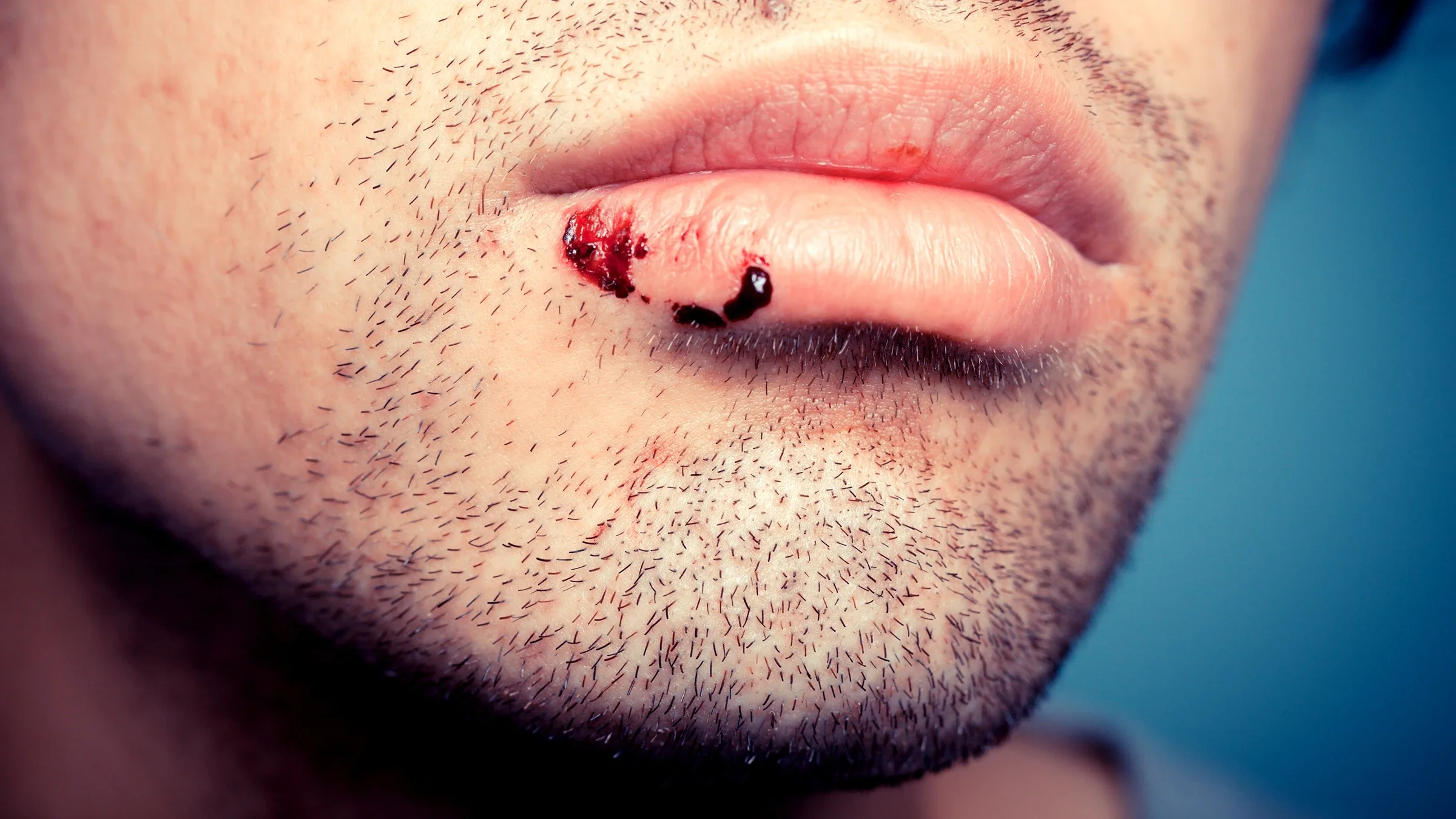
Key takeaways:
A cold sore (or fever blister) is another name for oral herpes. The herpes simplex virus (HSV) causes cold sores.
Canker sores (or aphthous ulcers) aren’t caused by herpes. They have several triggers, and recurring or severe sores may sometimes be linked to an underlying condition.
Both canker sores and cold sores tend to show up again and again over time. But you can usually tell them apart based on when and how they appear.
Mouth sores can make it hard to eat, drink, brush your teeth, and sometimes even talk. They can also be embarrassing, especially when they show up on the outside of your lips. But are they really a serious problem?
Most mouth sores are either cold sores or canker sores. While these names might sound pretty similar, they’re not the same thing. Let’s take a closer look at the differences between canker sores and cold sores, as well as what to do if you think you have one.
What are canker sores?
Canker sores are painful but non-contagious sores. They usually appear on the:
Inside of the lips and cheeks
Tongue
Soft tissues of the mouth
Search and compare options
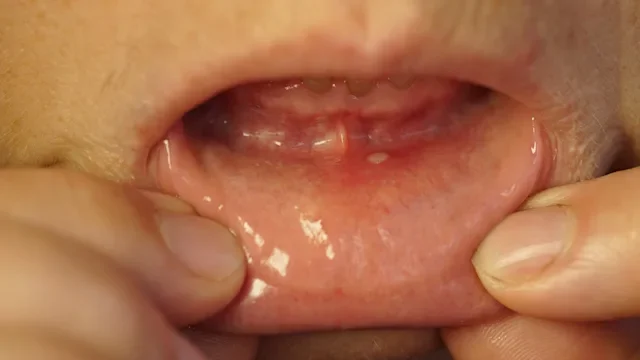
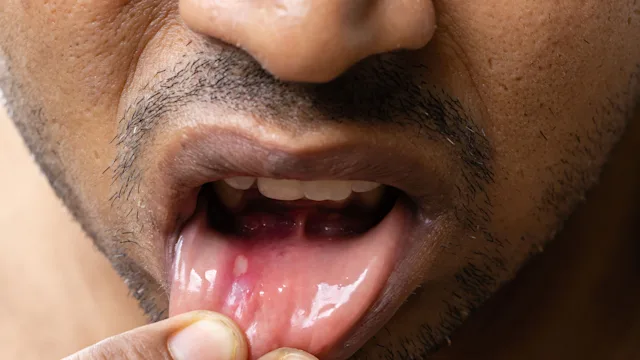
Canker sores usually start out as small bumps that develop into round, open sores. They often have a white or yellow center and a red border, but they can turn gray as they heal.
The main symptom of canker sores is pain at the site of the sore.
What are cold sores?
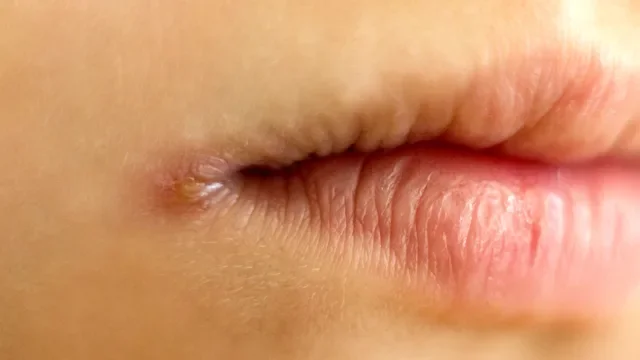
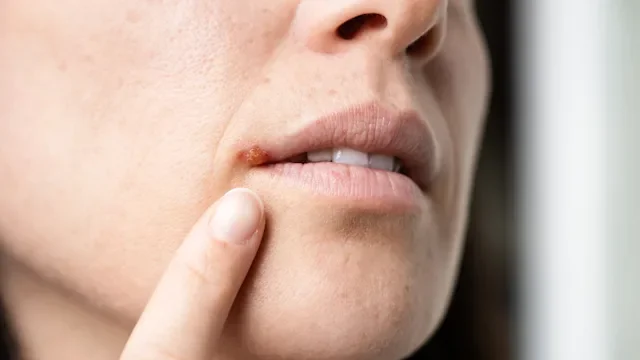
Cold sores (also called fever blisters or oral herpes) are contagious blisters caused by the herpes simplex virus (HSV). They usually appear on or around the lips, but they can sometimes happen inside the mouth and on the tongue. They often show up as a cluster of fluid-filled blisters that break open and crust over.
Common symptoms of cold sores can include:
Burning, tingling, or itching skin
Fever, tiredness, or muscle aches (especially with the first outbreak)
Pictures of canker sores vs. cold sores
The following images show some of the differences between canker sores and cold sores.
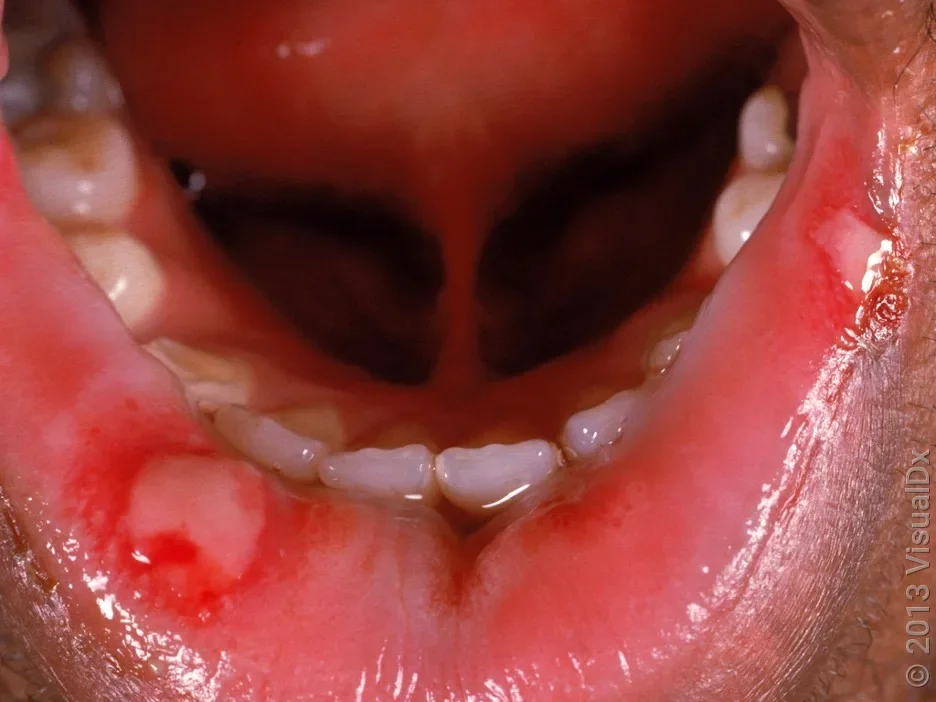
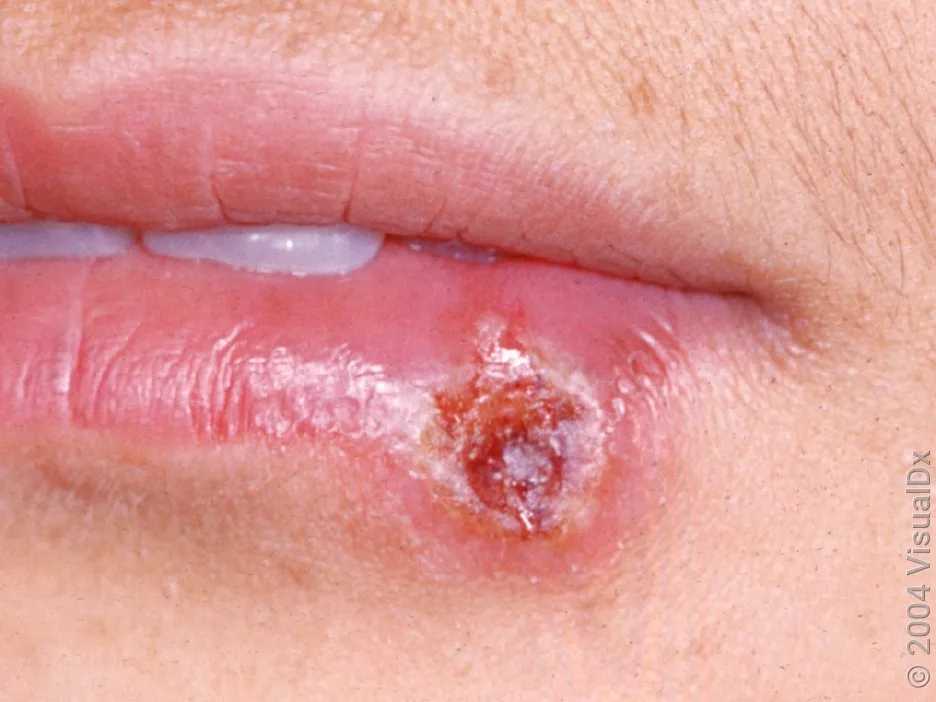
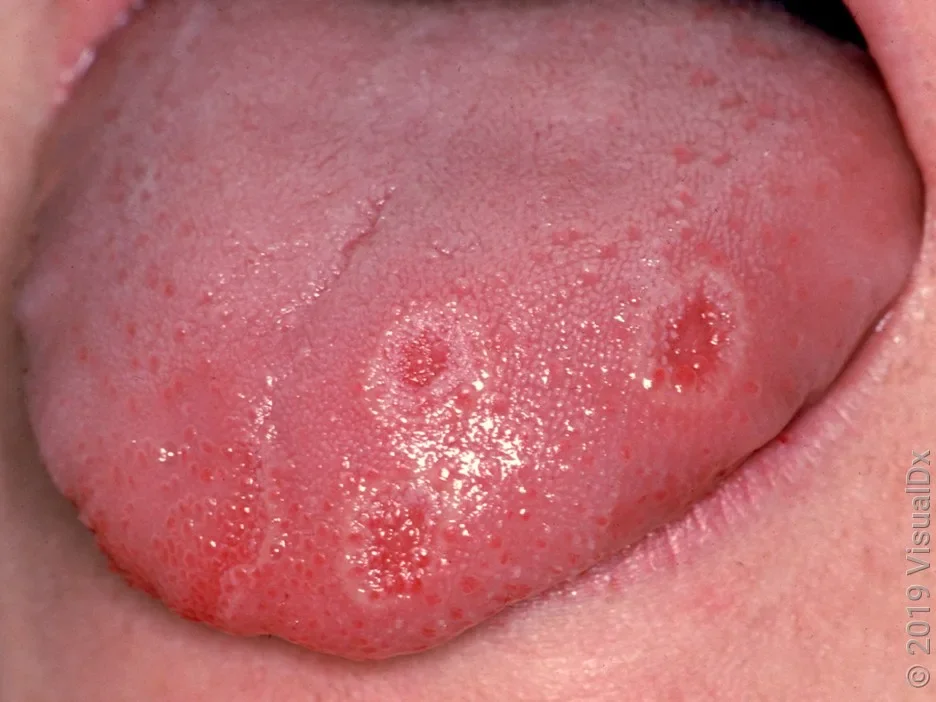
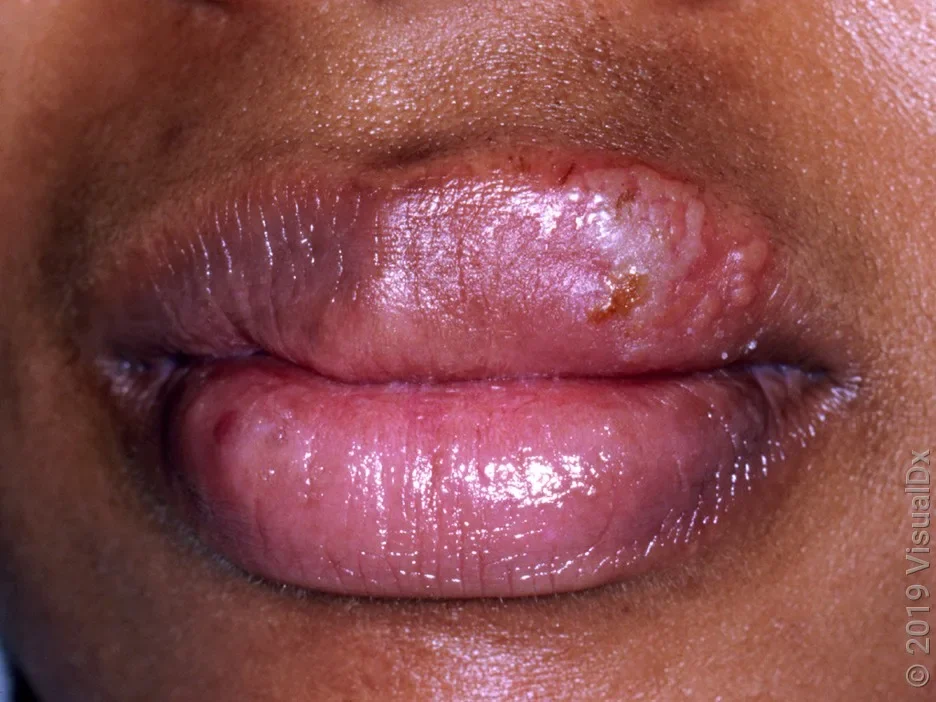
Appearance | Location | Contagious? | Typical healing timeline | |
|---|---|---|---|---|
Canker sores | Usually one round or oval white sore surrounded by a red border | Inside the mouth, including the inner lips | No | Within 2 weeks |
Cold sores | A cluster of small, fluid-filled blisters that break open and then crust over | Usually on or around the outer lips | Yes |
Differences between canker sores and cold sores
Canker sores and cold sores can look and feel similar, but let’s take a look at some of the ways they differ.
1. Causes
Canker sores and cold sores are caused by different things.
Canker sore causes
Canker sores can have several triggers, including:
Stress, or feeling run down
Injury to the mouth, such as biting the inside of your cheek — or, for babies, during teething
Autoimmune disorders such as celiac disease or systemic lupus erythematosus
Nutritional deficiencies like low levels of iron, B vitamins, or vitamin C
Viral infections
Hormonal changes such as those related to your menstrual cycle
Canker sores are common — and, most of the time, their exact cause isn’t clear.

Read more like this
Explore these related articles, suggested for readers like you.

Cold sore causes
Most cold sores are caused by the HSV-1 virus, the most common cause of oral herpes. Cold sores are a symptom of oral herpes. That can sound alarming, but oral herpes is different from genital herpes. More than half of adults worldwide under age 50 carry the HSV-1 virus.
2. Location
You can often tell the difference between canker sores and cold sores based on where they show up.
Typical canker sore location
A canker sore can show up on the soft tissues inside your mouth. It’ll often start out as a single small sore, although this depends on the cause. Over a few hours or days, it can grow larger and more painful, and more sores may appear nearby.
Typical cold sore location
Cold sores usually start as a group of blisters on the outside surface of your lip. Over a couple of days, they grow larger, break, and turn into open sores. Then they crust over and heal.
But there’s one important note: If you’ve never had HSV-1, you might have a different experience when you get it for the first time. A new infection with HSV-1 can sometimes cause herpes gingivostomatitis or herpes pharyngitis. This is a condition that comes with a fever and dozens of painful sores inside the mouth, across the tongue, and on the gums.
3. Timing and frequency
Depending on the kind of mouth sore, it may tend to pop up at certain times.
When do canker sores appear?
Anyone can get an occasional canker sore or even a group of canker sores that appears and then goes away. This is the case for most people.
But some people get recurring canker sores. This can happen with certain medical conditions, such as:
Rare blood disorders
Autoinflammatory disorders
Recurring canker sores often come with other symptoms, like fevers, joint pain, or rashes.
If you tend to get mouth sores over and over again, it’s worth talking with a healthcare professional. Sometimes, blood work or other tests can help determine the cause.
When do cold sores appear?
If you get cold sores, you may notice that they tend to appear when your body is under strain. Common triggers include emotional stress, illness, and ultraviolet (UV) light exposure.
That’s because HSV never leaves the body. Instead, it remains in nerve cells and can reactivate when your body’s defenses are lowered.
4. Contagiousness
When you have a mouth sore, the last thing you want to do is spread it to others — especially if it can cause health problems.
Are canker sores contagious?
Canker sores aren’t contagious and can’t spread from one person to another.
Are cold sores contagious?
HSV, the virus that causes cold sores, can spread between people very easily. It’s most contagious when blisters are open and leaking fluid. But it can spread any time you have symptoms, even before the blisters develop.
Although HSV isn’t usually dangerous for healthy adults, it can cause life-threatening infections in the following people:
Newborns
Pregnant women and the developing fetus
People who have a weakened immune system
Treatment for canker sores vs. cold sores
Treatment for canker sores and cold sores isn’t the same.
Canker sore treatment
Treatment is mostly about easing discomfort until the sore heals on its own.
OTC options for canker sores
Over-the-counter (OTC) options for treating canker sores include:
Pain relievers, like acetaminophen (Tylenol), ibuprofen (Advil or Motrin), or naproxen (Aleve)
Benzocaine oral gels (Anbesol, Orajel, Zilactin-B)
Hydrogen peroxide rinses (Orajel, Peroxyl)
Home remedies for canker sores
Natural home remedies for treating canker sores might include:
Alum (potassium sulfate) powder, used as a paste
Saltwater or baking soda rinses
Honey or milk of magnesia applied with a cotton swab
Prescription options for canker sores
In severe or persistent cases, prescription treatments like topical or even oral steroids may help reduce pain and inflammation.
Cold sore treatment
Many people feel a tingling or burning on the lip before a cold sore appears. That early warning matters, since some cold sore treatments work best if you start them right away.
OTC options for cold sores
OTC choices for treating a cold sore include:
Docosanol (Abreva), an OTC cream applied 5 times a day at the first sign of symptoms
Benzocaine (Orajel), which can numb pain but won't treat the virus itself
Lysine supplements, which may help shorten the duration of an outbreak and prevent cold sore outbreaks from coming back (although evidence on lysine’s effect on cold sores is mixed)
Prescription options for cold sores
Certain prescription oral antiviral medications can shorten symptoms and healing time, particularly if you start them early, including:
Acyclovir (Zovirax)
Valacyclovir (Valtrex)
Famciclovir (Famvir)
If you get cold sores often, talk with a healthcare professional about keeping medication on hand — or taking a daily antiviral to prevent cold sores.
When to get medical attention for sores
Most canker sores and cold sores heal on their own. But you should see a healthcare professional if the sore:
Lasts longer than 2 to 3 weeks
Appears to be spreading
Keeps coming back
Makes it difficult to eat, drink, or speak
Causes pain that isn’t controlled by at-home treatment
Occurs with a fever
Spreads near your eye or causes eye pain, vision changes, or light sensitivity
It’s particularly important to get medical attention if you have a weakened immune system or are pregnant. Depending on the type of sore you have, it may require prescription treatment.
Frequently asked questions
No, having a cold sore doesn’t mean you have a sexually transmitted infection (STI). Cold sores are usually caused by herpes simplex virus 1 (HSV-1), which is commonly acquired through nonsexual contact, often earlier in life. HSV-2 commonly causes genital sores, and it’s sexually transmitted. But it’s possible to have cold sores due to either HSV-1 or HSV-2.
Yes, both canker sores and cold sores can get infected, but it’s not common. Anytime there’s a break in the skin, bacteria can get in and cause an infection. To minimize the chance of this happening, avoid scratching or picking at your sore. Contact a healthcare professional if you experience signs of infection like:
Thick, yellow pus
Redness that’s spreading around the sore
Significant pain that doesn’t improve
Fever
Yes, certain foods are more likely to irritate canker sores, including foods that are:
Spicy, salty, acidic (like citrus fruits)
Hard (like pretzels)
Instead, choose bland, soft, and cool foods (like oatmeal, yogurt, and rice) until your canker sores heal.
No, having a cold sore doesn’t mean you have a sexually transmitted infection (STI). Cold sores are usually caused by herpes simplex virus 1 (HSV-1), which is commonly acquired through nonsexual contact, often earlier in life. HSV-2 commonly causes genital sores, and it’s sexually transmitted. But it’s possible to have cold sores due to either HSV-1 or HSV-2.
Yes, both canker sores and cold sores can get infected, but it’s not common. Anytime there’s a break in the skin, bacteria can get in and cause an infection. To minimize the chance of this happening, avoid scratching or picking at your sore. Contact a healthcare professional if you experience signs of infection like:
Thick, yellow pus
Redness that’s spreading around the sore
Significant pain that doesn’t improve
Fever
Yes, certain foods are more likely to irritate canker sores, including foods that are:
Spicy, salty, acidic (like citrus fruits)
Hard (like pretzels)
Instead, choose bland, soft, and cool foods (like oatmeal, yogurt, and rice) until your canker sores heal.
The bottom line
Canker sores and cold sores are easy to mix up, but they’re not the same thing. Canker sores aren’t contagious, often have no clear cause, and usually heal on their own with time and pain relief. Cold sores are caused by the herpes virus, are contagious, and respond best to early antiviral treatment. Knowing the difference between these two types of mouth sores can help you move forward with the right treatment and find relief sooner.

Why trust our experts?




Images used with permission from VisualDx (www.visualdx.com)
References
American Academy of Dermatology Association. (n.d.). Herpes simplex: Signs and symptoms.
Aslanova, M., et al. (2021). Herpetic gingivostomatitis. StatPearls.
Edgar, N. R., et al. (2017). Recurrent aphthous stomatitis: A review. Journal of Clinical and Aesthetic Dermatology.
MedlinePlus. (2025). Canker sore.
MedlinePlus. (2025). Herpes - oral.
National Institute of Dental and Craniofacial Research. (2024). Fever blisters & canker sores.
Rafieian, N., et al. (2016). Efficacy of alum for treatment of recurrent aphthous stomatitis. Caspian Journal of Internal Medicine.
Yan, C., et al. (2020). Disturbed yin-yang balance: Stress increases the susceptibility to primary and recurrent infections of herpes simplex virus type 1. Acta Pharmaceutica Sinica.
World Health Organization. (2025). Herpes simplex virus.