


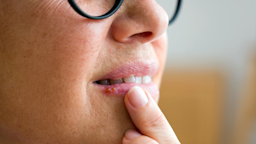
5 Home Remedies for Cold Sores That Really Help
Home remedies for cold sores include using a cold compress and topical treatments. Some over-the-counter medications may also help treat a cold sore faster.

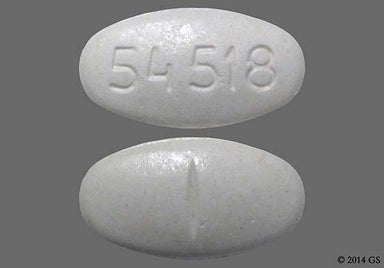
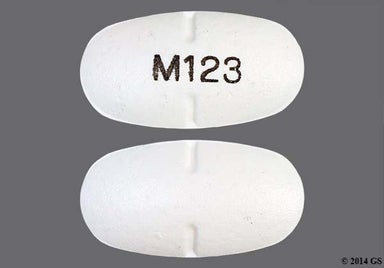
Valacyclovir (Valtrex) is an antiviral medication used for treating infections caused by herpes simplex virus and varicella zoster virus, such as cold sores, genital herpes, and shingles, and chickenpox. It's available as a tablet. But it can be made by a compounding pharmacy into a suspension for people having trouble swallowing the tablets. Some more side effects of valacyclovir (Valtrex) include headache, nausea, and stomach pain.

Valacyclovir (Valtrex) is an antiviral medication. When valacyclovir (Valtrex) gets absorbed into your body, it gets converted (changed) to acyclovir, another available antiviral medication.
Valacyclovir (Valtrex) works by preventing an important protein that's used to make genetic material (DNA) from working in the herpes simplex virus and varicella zoster virus. By doing this, valacyclovir (Valtrex) prevents the virus from making copies of itself and spreading.
| Common Brands | Valtrex |
|---|---|
| Drug Class | Antiviral |
| Controlled Substance Classification | Not a controlled medication |
| Generic Status | Lower-cost generic available |
| Availability | Prescription only |

The following side effects may get better over time as your body gets used to the medication. Let your healthcare provider know immediately if you continue to experience these symptoms or if they worsen over time.
Cold sores
Genital herpes
Shingles
Chickenpox
Contact your healthcare provider immediately if you experience any of the following.
Along with its needed effects, a medicine may cause some unwanted effects. Although not all of these side effects may occur, if they do occur they may need medical attention.
Check with your doctor immediately if any of the following side effects occur:
More common
Discouragement
feeling sad or empty
irritability
lack of appetite
loss of interest or pleasure
tiredness
trouble concentrating
trouble sleeping
Rare
Black, tarry stools
chills
decreased frequency or output of urine
flu-like symptoms
headache
lower back or side pain
reduced mental alertness
shortness of breath
yellow eyes or skin
Incidence not known
Actions that are out of control
agitation
back, leg, or stomach pains
bleeding gums
blood in urine or stools
blurred vision
change in consciousness
change in mental status
changes in behavior, especially in interactions with other people
changes in patterns and rhythms of speech
dark or bloody urine
difficult or labored breathing
difficulty speaking
difficulty swallowing
dizziness
drowsiness
fast, pounding, or irregular heartbeat or pulse
feeling that others are watching you or controlling your behavior
feeling that others can hear your thoughts
feeling, seeing, or hearing things that are not there
general tiredness and weakness
hyperventilation
increased thirst
lightheadedness when getting up from a lying or sitting position
light-colored stools
loss of consciousness
mood or mental changes
nervousness
pale color of skin
pinpoint red spots on the skin
pounding in the ears
puffiness or swelling of the eyelids or around the eyes, face, lips, or tongue
redness of the skin
restlessness
seeing, hearing, or feeling things that are not there
seizures
severe mood or mental changes
shakiness and unsteady walk
shakiness in the legs, arms, hands, or feet
skin rash
slurred speech
sores, ulcers, or white spots on the lips or in the mouth
stiff neck
swelling of the face, fingers, or lower legs
swollen or painful glands
talking, feeling, and acting with excitement
tightness in the chest
trembling or shaking of the hands or feet
trouble in speaking
troubled breathing
unsteadiness, trembling, or other problems with muscle control or coordination
unusual behavior
unusual bleeding or bruising
unusual tiredness or weakness
upper right abdominal pain
vomiting
Some side effects may occur that usually do not need medical attention. These side effects may go away during treatment as your body adjusts to the medicine. Also, your health care professional may be able to tell you about ways to prevent or reduce some of these side effects. Check with your health care professional if any of the following side effects continue or are bothersome or if you have any questions about them:
More common
Body aches or pain
cramps
difficulty in moving
ear congestion
loss of voice
muscle aches
muscle pain or stiffness
pain in joints
stuffy or runny nose
Incidence not known
Blistering, peeling, or loosening of the skin
hair loss or thinning of the hair
hives or welts
increased sensitivity of skin to sunlight
red, irritated eyes
redness or other discoloration of the skin
severe sunburn
Other side effects not listed may also occur in some patients. If you notice any other effects, check with your healthcare professional.
Call your doctor for medical advice about side effects. You may report side effects to the FDA at 1-800-FDA-1088.



More tips for valacyclovir (Valtrex) oral suspension:

Valacyclovir (Valtrex) can cause some serious health issues. This risk may be even higher for certain groups. If this worries you, talk to your doctor or pharmacist about other options.
Valacyclovir (Valtrex) can cause rare, life-threatening blood problems called thrombotic thrombocytopenic purpura (TTP) and hemolytic uremic syndrome (HUS). In clinical studies, these problems were seen in people who were infected with HIV and people with weakened immune systems who took more than 8 grams per day. Your provider might order blood tests to check your blood work while you're taking valacyclovir (Valtrex). Talk to your provider right away if you notice stomach pain, fever, bleeding, bruising, tiredness, or blood in your urine.
Very rarely, valacyclovir (Valtrex) can cause serious kidney problems. This can happen to anyone, but the risk is higher for certain people, such as older adults and those taking other medications that can cause kidney problems. Make sure to drink enough fluids while taking valacyclovir (Valtrex). Let your provider know if you have any lower back pain, difficulty urinating, or swelling in your feet, ankles, or hands because these could be signs of kidney problems caused by valacyclovir (Valtrex).
Valacyclovir (Valtrex) can cause agitation, confusion, hallucinations (seeing things that aren't real), or seizures. Talk to your provider if you or your loved ones notice any of these signs or symptoms while taking valacyclovir (Valtrex) because you'll likely need to stop taking the medication.

Cold sores
Genital herpes
Shingles
Chickenpox
Your dose might differ if you have kidney problems.

Although certain medicines should not be used together at all, in other cases two different medicines may be used together even if an interaction might occur. In these cases, your doctor may want to change the dose, or other precautions may be necessary. When you are taking this medicine, it is especially important that your healthcare professional know if you are taking any of the medicines listed below. The following interactions have been selected on the basis of their potential significance and are not necessarily all-inclusive.
Using this medicine with any of the following medicines is usually not recommended, but may be required in some cases. If both medicines are prescribed together, your doctor may change the dose or how often you use one or both of the medicines.
Using this medicine with any of the following medicines may cause an increased risk of certain side effects, but using both drugs may be the best treatment for you. If both medicines are prescribed together, your doctor may change the dose or how often you use one or both of the medicines.







































Prescription savings
Stop paying too much for your prescriptions. Compare prices, get pharmacy coupons, and save up to 80%. Find expert answers to your health questions so you can make the best decisions for yourself and your family.
Health conditions
Medications & treatment
Access & affordability
Medication discounts


Yes, Valacyclovir is a first-choice option for genital herpes, shingles, and cold sores because of how well it works. Based on your age and type of infection you have, your provider will determine if Valacyclovir is right for you.
When you take Valacyclovir, your body changes it into acyclovir (Zovirax), so both medications are similar to each other. Studies suggest both medications work just as well and are just as safe as each other. The major difference between the two medications is dosing. Valacyclovir is typically taken twice daily, whereas acyclovir (Zovirax) might need to be taken up to 5 times daily, depending on the infection.
Yes, you can still be contagious while taking Valacyclovir. Valacyclovir can lower the risk of other people becoming infected, but it doesn't get rid of this risk completely. If you're being treated for genital herpes, you're recommended to not have any sexual contact if you have active lesions, because this is when you're most contagious. Even when you don't have active lesions or an outbreak, safe sex practices, such as condoms, are recommended because you can still spread the virus to your partner.
No, taking Valacyclovir for infections caused by herpes simplex virus or varicella zoster virus will shorten the length of time you're sick or lessen your symptoms. But taking this medication doesn't completely get rid of the virus from inside your body. This means it's possible for you to get another outbreak, or another infection with symptoms or lesions, later on in life. Depending on the infection, your risk factors, and the number of outbreaks you've had, you might need to take Valacyclovir for long periods of time to prevent infections from coming back.
If you're pregnant, thinking of getting pregnant, or breastfeeding, talk to your provider about the risks and benefits of taking Valacyclovir. Based on the data that's available, Valacyclovir doesn't seem to cause major birth defects in babies born to mothers who took this medication during pregnancy. In addition, research show that Valacyclovir can end up in breastmilk (as acyclovir), but it isn't clear how this might affect the nursing baby.
