Key takeaways:
Cold sores usually heal on their own within 1 to 2 weeks, but home remedies may help ease pain and protect the sore while it heals.
Home remedies like cool compresses, medical-grade honey or propolis, petroleum jelly, lip balm with SPF, and hydrocolloid patches may help you feel more comfortable.
You can use home remedies along with prescription cold sore treatments for extra relief.
Save on related medications
Cold sores can be painful and frustrating, and they seem to show up at the worst possible time. While most cold sores heal on their own, there are steps you can take to ease discomfort and help them heal. Let’s take a look at home remedies that may provide relief, as well as over-the-counter (OTC) and prescription treatments that can help manage cold sores.
What are cold sores?
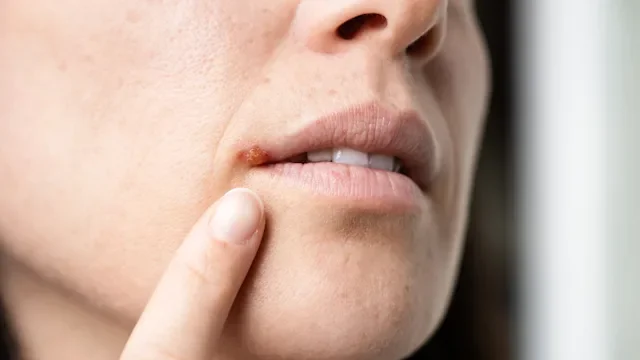
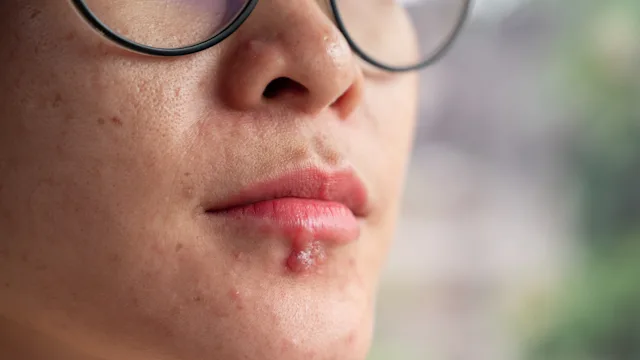
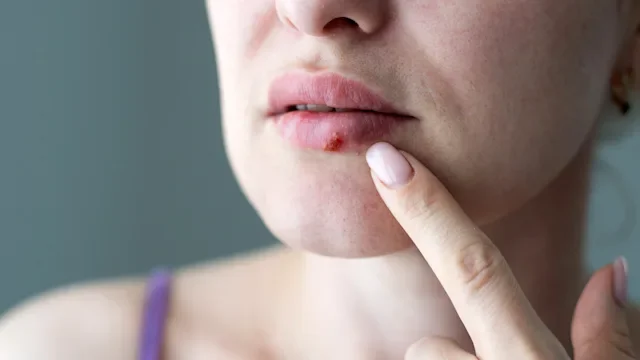
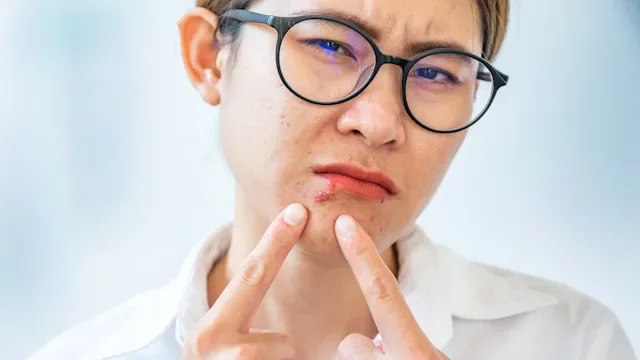
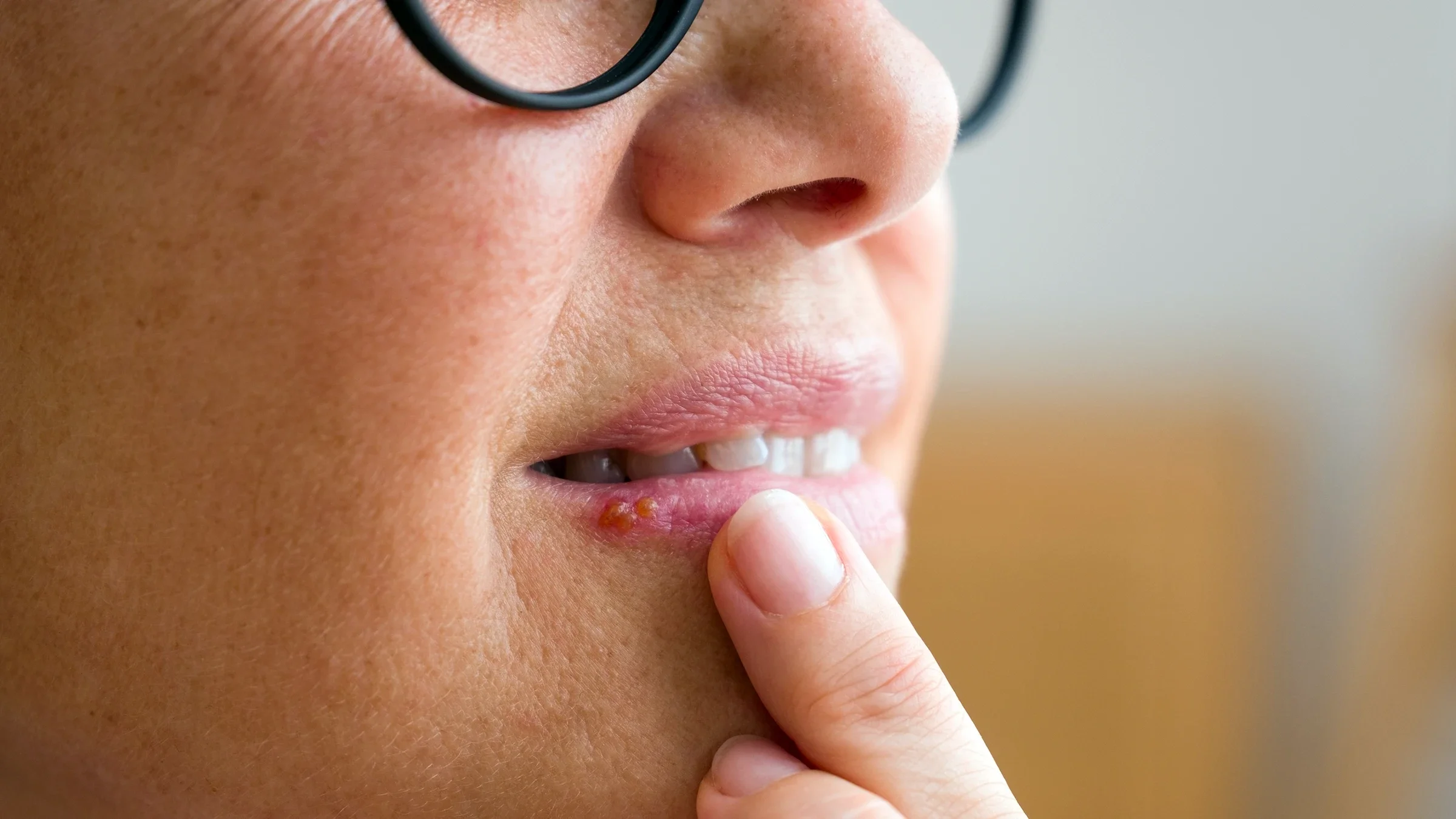
Cold sores are small, fluid-filled blisters that develop on or around your lips. They’re caused by the herpes simplex virus type 1 (HSV-1). HSV-1 stays in your body for life and can become active from time to time.
Before a cold sore appears, many people have symptoms like:
Tingling
Itching
Burning
Pain
Most cold sores heal on their own within 1 to 2 weeks and usually don’t leave a scar.
A cold sore can spread the HSV-1 virus to other people through close contact, like kissing or sharing drinks. Someone who catches the virus may develop cold sores later, but not everyone does.
How do you treat cold sores at home?
Cold sores can be treated at home and will usually heal on their own within 1 to 2 weeks. Prescription antiviral medicines are proven to help cold sores heal faster. But home remedies can also help, especially when used along with prescription treatments.
Home remedies can’t cure a cold sore or make it go away overnight. But they may help ease pain and protect the sore while it heals. Here are five home remedies that may help you feel more comfortable while your cold sore heals.
1. Cool compress
A cold compress may help reduce pain, swelling, and discomfort from a cold sore. They haven’t been studied for cold sores. But they’re safe, inexpensive, and easy to try.
Wrap an ice pack or bag of frozen vegetables in a clean towel. Place it on the cold sore for 10 to 15 minutes at a time, several times a day. Never put ice directly on your skin because it can cause irritation or injury.
2. Honey and propolis
Honey and propolis are two bee products that may help cold sores heal and reduce pain. Studies have found that specially made creams and ointments may shorten healing time by up to 2 days. In these studies, people usually applied the products about 5 times a day.
But don’t use honey or propolis straight from a jar. Instead, choose a medical-grade product like those used in studies. For example:
These products are made to be used on the skin and are less likely to contain bacteria or other contaminants.
3. Lip balm with SPF
Sun exposure is a common trigger for cold sore outbreaks. Using a lip balm with SPF can help protect your lips from the sun and may lower your chance of another cold sore developing.
It can also keep your lips from becoming dry or cracked while a cold sore heals. Choose a lip balm with broad-spectrum SPF 30 or higher, and reapply it often when you’re outdoors.
4. Petroleum jelly
Cold sores often become dry, cracked, and painful as they heal. Applying a thin layer of petroleum jelly can help keep the sore moist, reduce cracking, and protect your skin while it heals.
It may also lower the chance of a bacterial skin infection by protecting the area. Gently wash the sore with a mild soap and warm water before applying petroleum jelly.
5. Hydrocolloid patches
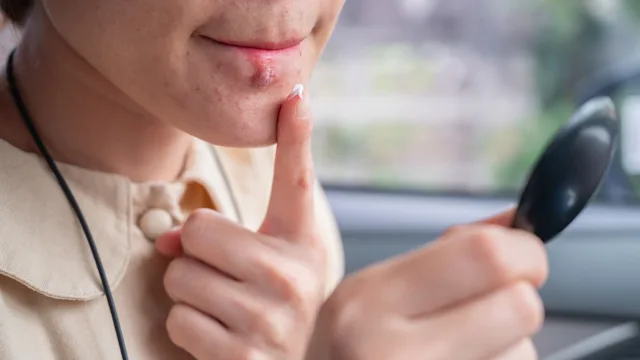
Hydrocolloid patches cover and protect a cold sore while it heals. Some studies found that the Compeed Cold Sore Discreet Healing Patch helped cold sores heal about as quickly as prescription acyclovir cream.
Other hydrocolloid cold sore patches may work in a similar way. But there haven’t been any studies on how well they work.
Apply the patch to clean, dry skin as soon as you notice symptoms. Replace it every 8 to 12 hours or whenever it starts to peel off.
What medications can treat cold sores?
There are many OTC and prescription therapies that can treat cold sores. They work best when you start them as soon as you notice tingling, itching, burning, or the first sign of a blister. These treatments can help cold sores heal faster and ease symptoms, but they can’t cure HSV-1 or remove the virus from your body.
Unlike home remedies, there are many studies showing OTC and prescription treatments work well for most people. Here are some options to consider.
Over-the-counter (OTC) treatments
OTC cold sore treatments may help relieve symptoms and, in some cases, speed up healing. Options include:
Docosanol 10% (Abreva)
Benzocaine (Orajel)
Benzyl alcohol (Zilactin)
Campho-Phenique
Zinc oxide and glycine cream
Prescription treatments
Prescription antiviral medications are the most effective way to help a cold sore heal faster. They include:
These medicines work best when started at the first sign of a cold sore. If you get frequent or severe cold sores, your healthcare team may recommend taking an antiviral medication every day to help prevent future outbreaks.
Frequently asked questions
Yes, all cold sores are caused by the herpes simplex virus (HSV-1). But not every sore or bump on your lips is a cold sore. Other conditions, such as impetigo and angular cheilitis, can look similar to a cold sore. So can contact dermatitis and canker sores. Talk with your healthcare team if you’re not sure what's causing your symptoms.
Most people first notice tingling, itching, burning, or prickling around their lips or mouth. The area may also feel sore, tight, or sensitive. A day or two later, small blisters usually begin to form.
Cold sores are caused by HSV-1 and usually develop on or around your lips. They start as small, fluid-filled blisters.
Canker sores are probably not caused by a virus and aren’t contagious. They develop inside your mouth and look like small, white or yellow sores with a red border. Most canker sores heal on their own within 1 to 2 weeks.
Yes, all cold sores are caused by the herpes simplex virus (HSV-1). But not every sore or bump on your lips is a cold sore. Other conditions, such as impetigo and angular cheilitis, can look similar to a cold sore. So can contact dermatitis and canker sores. Talk with your healthcare team if you’re not sure what's causing your symptoms.
Most people first notice tingling, itching, burning, or prickling around their lips or mouth. The area may also feel sore, tight, or sensitive. A day or two later, small blisters usually begin to form.
Cold sores are caused by HSV-1 and usually develop on or around your lips. They start as small, fluid-filled blisters.
Canker sores are probably not caused by a virus and aren’t contagious. They develop inside your mouth and look like small, white or yellow sores with a red border. Most canker sores heal on their own within 1 to 2 weeks.
The bottom line
Most cold sores get better on their own, but you don’t have to wait it out without relief. Home remedies can help reduce discomfort and protect the sore while it heals. You can also use them along with prescription treatment options, which have the strongest evidence for speeding up recovery. If you get frequent, severe, or painful cold sores, talk with your healthcare team. They can recommend treatments that may shorten outbreaks or help prevent future ones.

Why trust our experts?



References
American Academy of Dermatology. (n.d.). Cold sores: Who gets and causes.
Anheyer, M., et al. (2025). Herbal medicine for treating herpes labialis: A systematic review. Journal of Integrative and Complementary Medicine.
Bankova, V., et al. (2014). Chemical composition of propolis extract ACF® and activity against herpes simplex virus. Phytomedicine.
Demir, S., et al. (2020). Antiviral activity of different extracts of standardized propolis preparations against HSV. Antiviral Therapy.
Karlsmark, T., et al. (2008). Randomized clinical study comparing Compeed cold sore patch to acyclovir cream 5% in the treatment of herpes simplex labialis. Journal of the European Academy of Dermatology and Venereology.
Münstedt K. (2019). Bee products and the treatment of blister-like lesions around the mouth, skin and genitalia caused by herpes viruses-A systematic review. Complementary Therapies in Medicine.
Naik, P. P., et al. (2021). Medical-grade honey outperforms conventional treatments for healing cold sores-a clinical study. Pharmaceutical.
Niode, N. J., et al. (2026). Superiority of propolis and honey over topical acyclovir for herpes simplex: A meta-analysis. International Journal of STD & AIDS.
Rocha, M. P., et al. (2022). Effect of honey and propolis, compared to acyclovir, against herpes simplex virus (HSV)-induced lesions: A systematic review and meta-analysis. Journal of Ethnopharmacology.
Rooney, J. F., et al. (1991). Prevention of ultraviolet-light-induced herpes labialis by sunscreen. Lancet.
Semprini, A., et al. (2019). Kanuka honey versus aciclovir for the topical treatment of herpes simplex labialis: A randomised controlled trial. BMJ Open.