Key takeaways:
Genital herpes is caused by a virus that lives in your body forever. But this does not mean you will have frequent outbreaks.
If you have genital herpes, medications can lessen the chances that you’ll have an outbreak and improve symptoms if you have one.
While not easy, it is important to talk to your partner, since genital herpes can spread even if you don’t have symptoms.
Save on related medications
If you have recently been diagnosed with genital herpes, it’s easy to worry over what this means for your sexual health. But this doesn’t have to be a life-changing diagnosis.
Genital herpes is actually a very common condition that affects around 1 in 6 people. There is no cure, but there are medications that can both treat and prevent outbreaks. What may feel harder is knowing how to talk to sexual partners about the condition. We’ll walk you through the different treatments and provide tips to help with future conversations about genital herpes.
Treatment when you have an outbreak
The virus that causes genital herpes can live inside your body for years. However, this doesn’t mean you always have an active infection. Most of the time, the virus is silent (often referred to as dormant) and not causing any problems. But from time to time, the virus gets activated. And this leads to an outbreak.
Search and compare options
While there is no cure, there are antiviral medications that can help. If you start these medications at the beginning of an outbreak, they can lessen the symptoms and shorten the duration of the outbreak. These medications can be taken as a pill and include:
Acyclovir (Zovirax)
Valacyclovir (Valtrex)
The Centers for Disease Control and Prevention (CDC) recommends that anyone experiencing their first outbreak should receive antiviral treatment. After that, some people take this medication only when they are having an outbreak. Others take it every day to prevent outbreaks and to reduce the likelihood of spreading it to someone else. You can discuss these options with your provider, who can help you make the best decision for you.
Preventing an outbreak
The frequency and duration of outbreaks differ person by person. Some people don’t get them very often. People who have more frequent outbreaks sometimes choose to take a daily low dose of antiviral medication to prevent outbreaks. This is called suppressive therapy, and it can be quite effective. Many people who choose this option have no symptomatic outbreaks at all.
But whether or not you have frequent outbreaks, it may help to be aware of some factors that tend to trigger outbreaks:
Sunlight
Hormonal changes, like the ones that occur with a menstrual cycle
Stress
Illness or surgery
Anything that weakens your immune system
With or without antiviral medications, people’s frequency of outbreaks tends to decrease over time. So if you choose to take suppressive therapy, it does not mean you will have to take it for the rest of your life.
Talking to your current sexual partner about genital herpes
One of the hard things about living with genital herpes is knowing how and when to talk to your sexual partners about the condition. But this is an important step to help prevent the transmission of the infection, because transmission can happen even if you don’t have symptoms or experience an outbreak.
When you are thinking about having this conversation, it can help to keep these tips in mind:
Before talking to your partner, practice what you are going to say.
Don’t feel the need to apologize when you are delivering the news.
Choose a safe, quiet space where you feel comfortable sharing this information.
Be open to any questions they may have.
They may ask if they should get tested. And this is probably a good idea, given that the risk of transmission is never zero. But no matter what you and your partner decide, honest communication will help you both feel more comfortable and stay healthy.
Talking to past sexual partners about genital herpes
If you have recently been diagnosed with genital herpes, you may wonder about whether to tell prior sexual partners about your diagnosis. Navigating this decision is difficult, because it can be impossible to know who you got it from or when you got it. There are no strict rules or guidelines. But if you feel comfortable disclosing your diagnosis to past partners, this may inspire them to get tested, which will in turn help them stay healthy and prevent future transmission.
But, of course, this can seem like a daunting task. So if you don’t feel ready to have this conversation with prior partners face to face, consider using an anonymous online application. They allow you to anonymously alert past partners about a potential exposure. The STI Foundation recommends the following tools in the U.S.:
Talking to your health provider about genital herpes
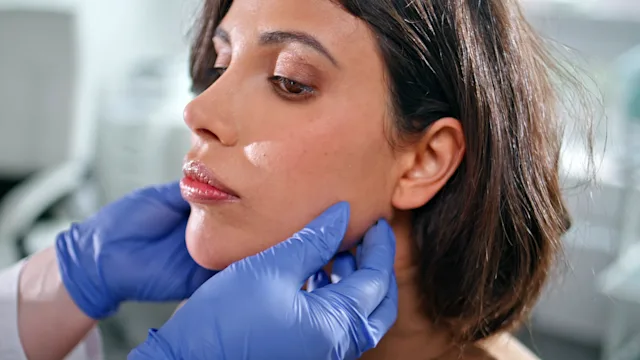
Getting diagnosed with genital herpes can leave you feeling depressed or anxious. You may have a lot of questions. Take steps to make yourself as comfortable as possible discussing your diagnosis and your treatment options with your provider. To prepare for an appointment, consider:
Writing down any questions that you have
Ensuring that you have a space to record answers (notebook, mobile phone, etc.
Never be afraid to ask questions more than once or state that you need clarification. You should feel like you have as much information as you need before leaving your appointment.
How to prevent the spread of genital herpes
Since genital herpes is contagious without symptoms or active sores, it is important to take steps that help prevent the spread. Approaches to preventing the spread of genital herpes include:
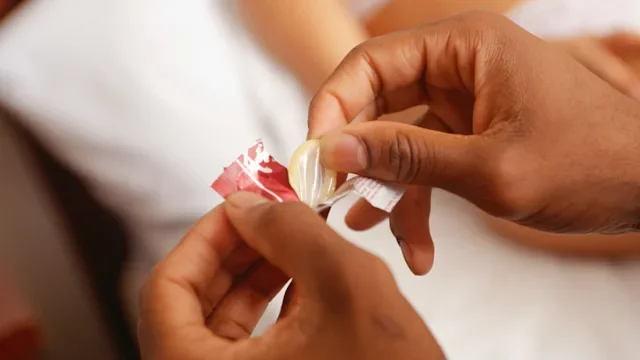
Using condoms
Taking antiviral therapy to suppress outbreaks
Avoiding sexual intercourse if you are experiencing any warning signs of an outbreak
Waiting 7 days after the end of an outbreak (after all of the sores have fully healed) before restarting any sexual activities
The bottom line
A genital herpes diagnosis can make you feel worried and unsettled. It helps to know that it is a very common condition, and it doesn’t have to disrupt your life. There are ways to help prevent outbreaks, which will likely decrease over time. Talking about your diagnosis with sexual partners may feel scary at first, but they will most likely appreciate your honesty — and talking can empower both of you to be open and proactive about your sexual health.

Why trust our experts?



References
Albrecht, M.A. (2021). Patient education: Genital herpes (beyond the basics). UpToDate.
American Academy of Dermatology Association. (2021). Genital herpes: Signs and symptoms.
American Sexual Health Association. (2021). Herpes signs and symptoms.
Arias-Santiago S., et al. (2010). Answer: Can you identify this condition? Canadian Family Physician.
Beth Israel Lahey Hospital. (2018). Talking to your doctor about genital herpes.
Centers for Disease Control and Prevention. (2017). Genital herpes - CDC fact sheet.
Harvard Health Publishing. (2021). Genital herpes: Common but misunderstood.
Johns Hopkins Medicine. (2021). Genital herpes.
Kovarik, C. and Compton, N. (2017). Herpes simplex virus (HSV)/Varicella zoster virus (VZV). Infectious Disease Advisor.
Mayo Clinic. (2021). Genital herpes.
Pierce, J. (2021). Should I tell past partners I have a sexually transmitted infection? The STI Project.
Planned Parenthood. (2011). I was just diagnosed with herpes? How can I have sex and not spread it?