Key takeaways:
Several different viruses can cause hand, foot, and mouth disease (HFMD). All can spread easily from person to person.
HFMD usually brings on a fever, cold symptoms, and a blistering rash around the hands, feet, face, and buttocks.
Mouth sores can be a problem during HFMD because babies who have them might not want to eat or drink. This can lead to dehydration.
Although HFMD is often considered a children’s illness, it can affect people of all ages.
When it comes to hand, foot, and mouth disease (HFMD), the name seems to say it all — or does it? HFMD causes blistering rashes and sores on the hands, feet, and inside of the mouths of people who catch it. But despite its obvious-sounding name, this common childhood illness causes plenty of confusion.
To confuse matters further, several different viruses can cause HFMD. And the symptoms can be slightly different, depending on which virus you get. Plus, like all viruses, the germs that cause HFMD are always changing. In recent years, new HFMD-causing viruses have appeared around the world.
Keep reading to learn the story behind HFMD, what it looks like, and what to do if you think you or your child has been exposed.
What is hand, foot, and mouth disease?
HFMD is a highly contagious disease that causes fever, cold symptoms, painful mouth sores, and a blistering rash.
HFMD is caused by viruses that spread easily in the air and on surfaces. These viruses can pass from one person to another (for example, from feces, as can happen after changing diapers) and through water.
HFMD is most common in babies and children under the age of 3 years. But older children and adults can get it, too, if they haven’t built up immunity to the viruses that cause HFMD.
What causes hand, foot, and mouth disease?
HFMD happens when an HFMD-causing virus enters your body and starts to multiply.
The most common viruses linked to HFMD are:
Enterovirus A71
Coxsackievirus A16
Coxsackievirus A10
Other related viruses, such as coxsackievirus A4, coxsackievirus A9, and echovirus 6, can also cause HFMD. All of these viruses are in the Enterovirus family.
What does HFMD look like?
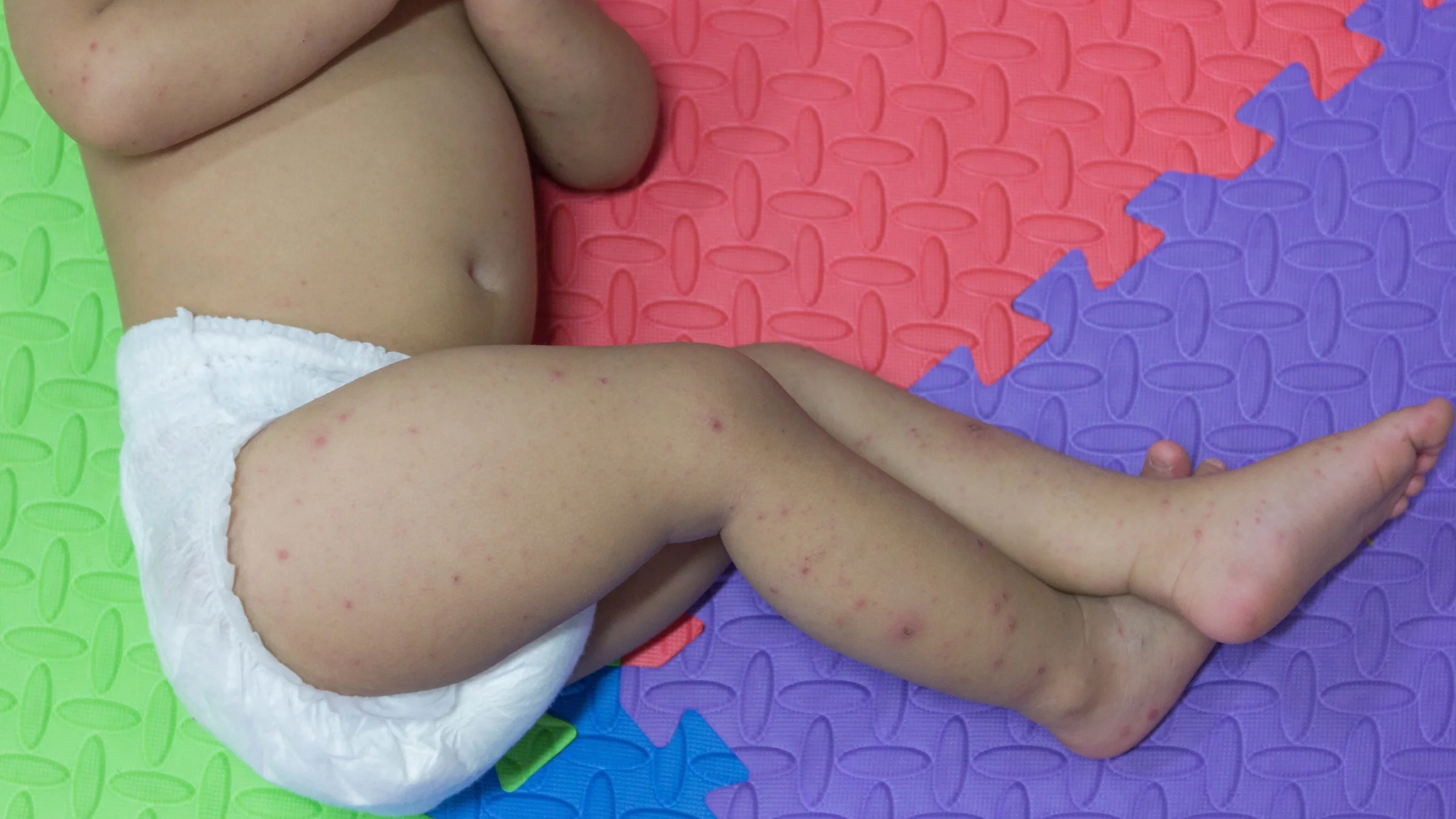
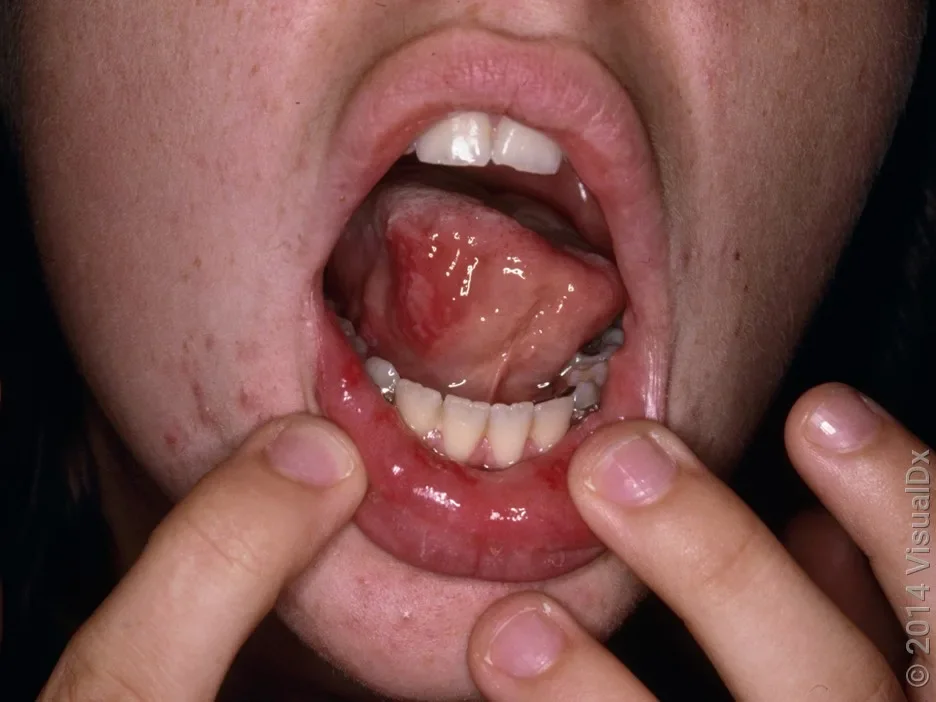
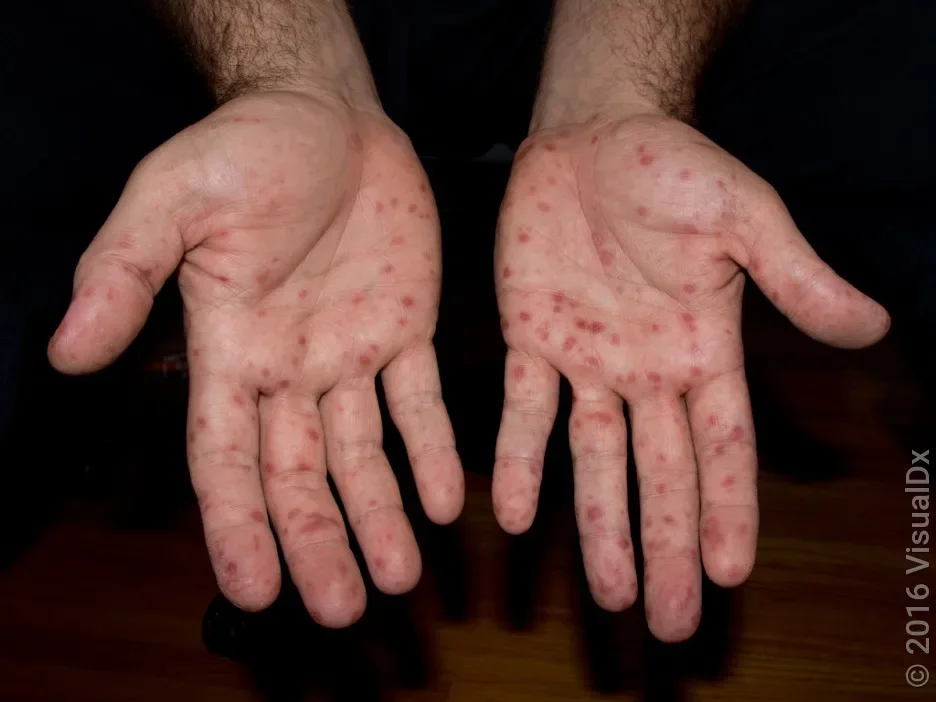
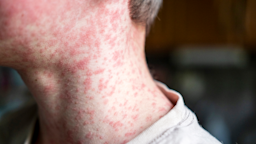
Here are some pictures of HFMD on different body parts.
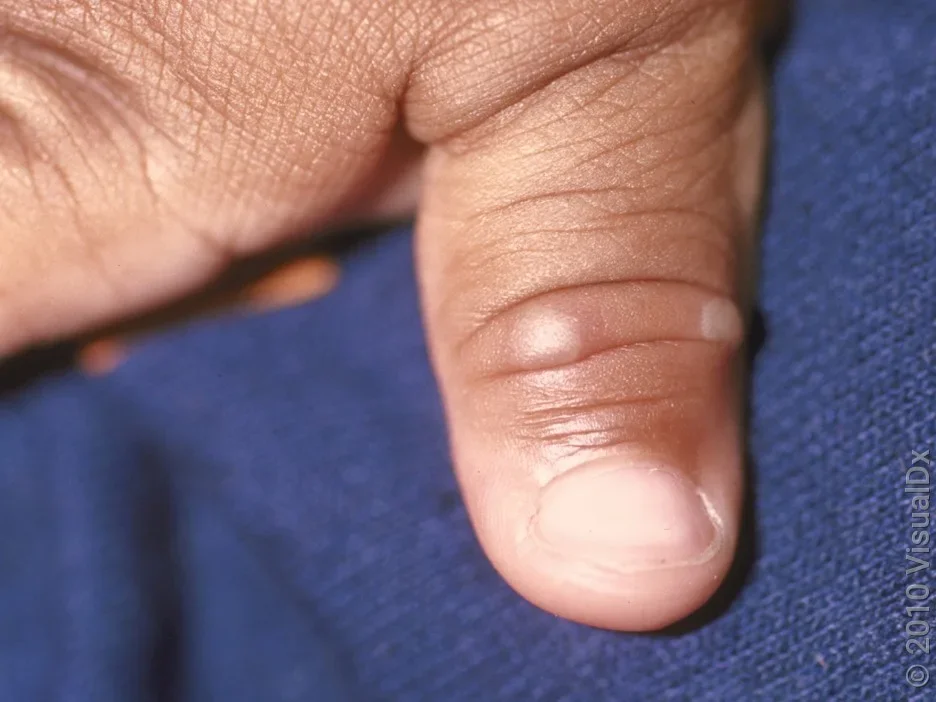
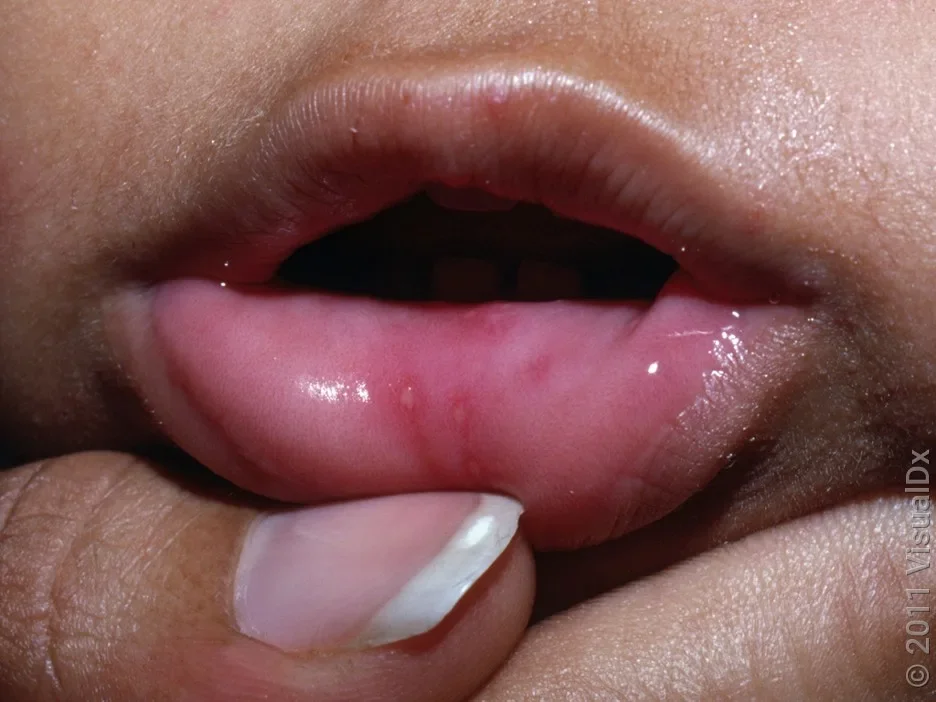
Stages and symptoms of hand, foot, and mouth disease
Symptoms are typically the same in adults and children. While the disease is usually not serious, symptoms can be very uncomfortable while they last.

Read more like this
Explore these related articles, suggested for readers like you.

Incubation stage
Once infected with a virus that causes HFMD, a person can take between 3 and 6 days to develop symptoms. People can shed the virus before they develop the symptoms, which is part of what makes the infection so contagious.
First stage
The first symptoms of HFMD tend to be:
A sore throat, although this may just show up as fussiness or irritability in young children
A fever
A runny nose
Drooling
Not wanting to eat
These symptoms usually last for about 1 to 2 days.
Second stage
A few days later, a rash and mouth sores will start to appear. Here’s what to expect in the second stage:
Painful mouth sores will appear, especially on your tongue, the back of your mouth, and your throat.
Small skin spots or bumps form on your hands and feet, and around your mouth and chin. These can turn into blisters. They can be pink (in lighter skin tones) or violet and skin-colored (in darker skin tones).
Eventually, blisters can break and form open sores.
The rash may also affect your groin area and bottom.
These symptoms usually last about 7 to 10 days.
Later stages
With a newer version of the HFMD virus known as coxsackievirus A6, later symptoms are common and include:
Peeling of the palms of your hands and feet 1 to 3 weeks after the initial illness
Nail damage, including ridges (Beau lines) and nail peeling, which can happen 1 to 2 months after the initial illness
Rare complications
Rarely, HFMD-causing viruses can trigger neurologic symptoms. In these cases, the illness affects your brain (resulting in encephalitis) or the areas around your brain (resulting in meningitis or meningoencephalitis).
Complications in children
Here’s how these life-threatening complications may show up in young children:
Muscle twitching
Acting jumpy when startled
Drowsiness or sleepiness
Feeling floppy or weak
Seizures
These symptoms are most often linked to a certain variant called enterovirus A71. In some parts of the world, especially in East Asia, this is the most common cause of HFMD. It’s less common in the U.S. and Europe.
How is hand, foot, and mouth disease treated?
There’s no specific treatment for HFMD. Over-the-counter (OTC) pain relievers and fever reducers, like acetaminophen (Tylenol) or ibuprofen (Advil or Motrin), can help with symptoms.
If dehydration is a concern, you might benefit from intravenous (IV) fluids in the hospital.
Severe symptoms, including neurologic symptoms, require treatment by a specialist. Antiviral medications or IV immune globulin (IVIG) are sometimes used.
How can I prevent hand, foot, and mouth disease?
The viruses that cause HFMD spread easily from people who are sick. Your best protection is to stay away from anyone who is experiencing symptoms. And if your child is sick, keep them home and away from others.
Preventing infection isn’t always easy. If your young child has HFMD, it might be difficult for you to stay completely clear of their body fluids. Wash your hands often, and make sure you use clean dishes when you serve food. If your child has been sick, don’t eat off the same utensils — especially if you have a weakened immune system.
In the future, a vaccine may be the best way to prevent HFMD. Since 2015, a vaccine against enterovirus A71 has been available in China, and researchers around the world are working to develop a vaccine against the other viruses that cause HFMD.
When to see a healthcare professional
Most of the time, HFMD isn’t dangerous. So you or your child can likely manage symptoms at home. But there are times when you should contact a healthcare professional or get medical attention:
Unclear diagnosis: If you aren’t sure what’s causing the symptoms, visit a healthcare professional to confirm the cause.
Dehydration: Mouth blisters caused by HFMD can make it hard for babies and young children to eat or drink. Severe dehydration is more likely to be a problem in a child who also has a fever.
Lasting fever: Get help if a fever lasts 3 days or more.
Involvement of organs other than the skin: Neurologic symptoms could be a sign of inflammation in the brain or nervous system. Inflammation of the lungs or heart can also occur. These problems suggest severe disease and should be taken very seriously.
Frequently asked questions
The virus that causes HFMD sticks around in your body fluids for several weeks after you catch it. It spreads most easily while you have symptoms. After that, it doesn’t spread as easily.
Children can return to day care or school when their fever is gone, they’re feeling well, and they can eat and drink normally again.
Yes. Having HFMD will give you some immunity against the virus that caused it, but this immunity isn’t perfect. Plus, you can still get infected with other HFMD-causing viruses.
The virus that causes HFMD sticks around in your body fluids for several weeks after you catch it. It spreads most easily while you have symptoms. After that, it doesn’t spread as easily.
Children can return to day care or school when their fever is gone, they’re feeling well, and they can eat and drink normally again.
Yes. Having HFMD will give you some immunity against the virus that caused it, but this immunity isn’t perfect. Plus, you can still get infected with other HFMD-causing viruses.
The bottom line
Hand, foot, and mouth disease (HFMD) is caused by a family of viruses that spread easily from person to person. Although the symptoms are usually pretty mild, there are times when HFMD can cause serious problems. There are many other conditions that cause rashes on the hands and feet — and sores inside the mouth — of babies and young children. That doesn’t mean they’re HFMD, though. Sometimes, it’ll take an expert to tell the difference.

Why trust our experts?


Images used with permission from VisualDx (www.visualdx.com).
References
Anasir, M. I., et al. (2019). Advances in antigenic peptide-based vaccine and neutralizing antibodies against viruses causing hand, foot, and mouth disease. International Journal of Molecular Sciences.
Bian, L., et al. (2019). Hand, foot, and mouth disease associated with coxsackievirus A10: More serious than it seems. Expert Review of Anti-infective Therapy.
Centers for Disease Control and Prevention. (2024). HFMD: Causes and how it spreads.
Centers for Disease Control and Prevention. (2024). HMFD symptoms and causes.
Guerra, A. M., et al. (2023). Hand, foot, and mouth disease. StatPearls.
Healthychildren.org. (2016). Hand, foot & mouth disease: Parent FAQs. American Academy of Pediatrics.
Kimmis, B. D., et al. (2018). Hand-foot-and-mouth disease caused by coxsackievirus A6 on the rise. Cutis.
Long, L., et al. (2016). Risk factors for death in children with severe hand, foot, and mouth disease in Hunan, China. Infectious Diseases.
Mao, Q., et al. (2016). EV71 vaccine, a new tool to control outbreaks of hand, foot and mouth disease (HFMD). Expert Review of Vaccines.
Nebraska Department of Health and Human Services. (2021). Hand, foot, and mouth disease (HFMD): A guide for child care centers, schools, and families.