Key takeaways:
Canker sores are one of the most common conditions affecting the mouth. They’re usually mild and resolve on their own in 1 to 2 weeks.
You can’t get rid of canker sores overnight. But there are home remedies and over-the-counter (OTC) treatments that may reduce pain and may support faster healing.
Canker sores are usually harmless, but frequent or persistent sores can sometimes signal an underlying medical condition. If you get them often, talk to a healthcare professional.
Almost everyone has had a tiny sore in their mouth that made it painful to eat or talk. That annoying little ulcer was most likely a canker sore. Canker sores are one of the most common mouth conditions in the U.S., and most people will experience at least one in their lifetime. And about 1 in 5 people will have them repeatedly over their lifetime.
Because canker sores are quite painful, many people look for quick, at-home remedies to treat them. Let’s take a closer look at what canker sores are and what you can do to get rid of them quickly.
What are canker sores?
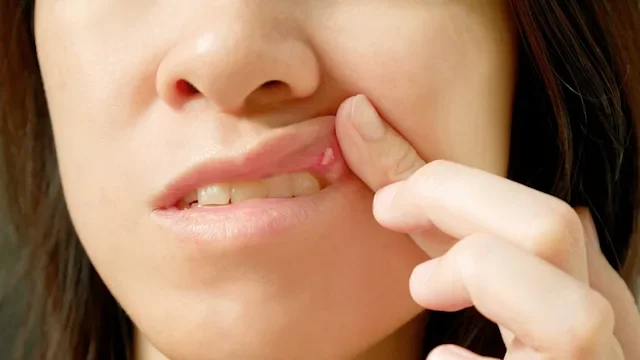
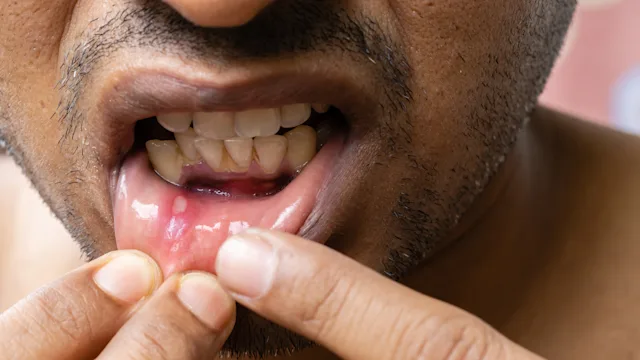
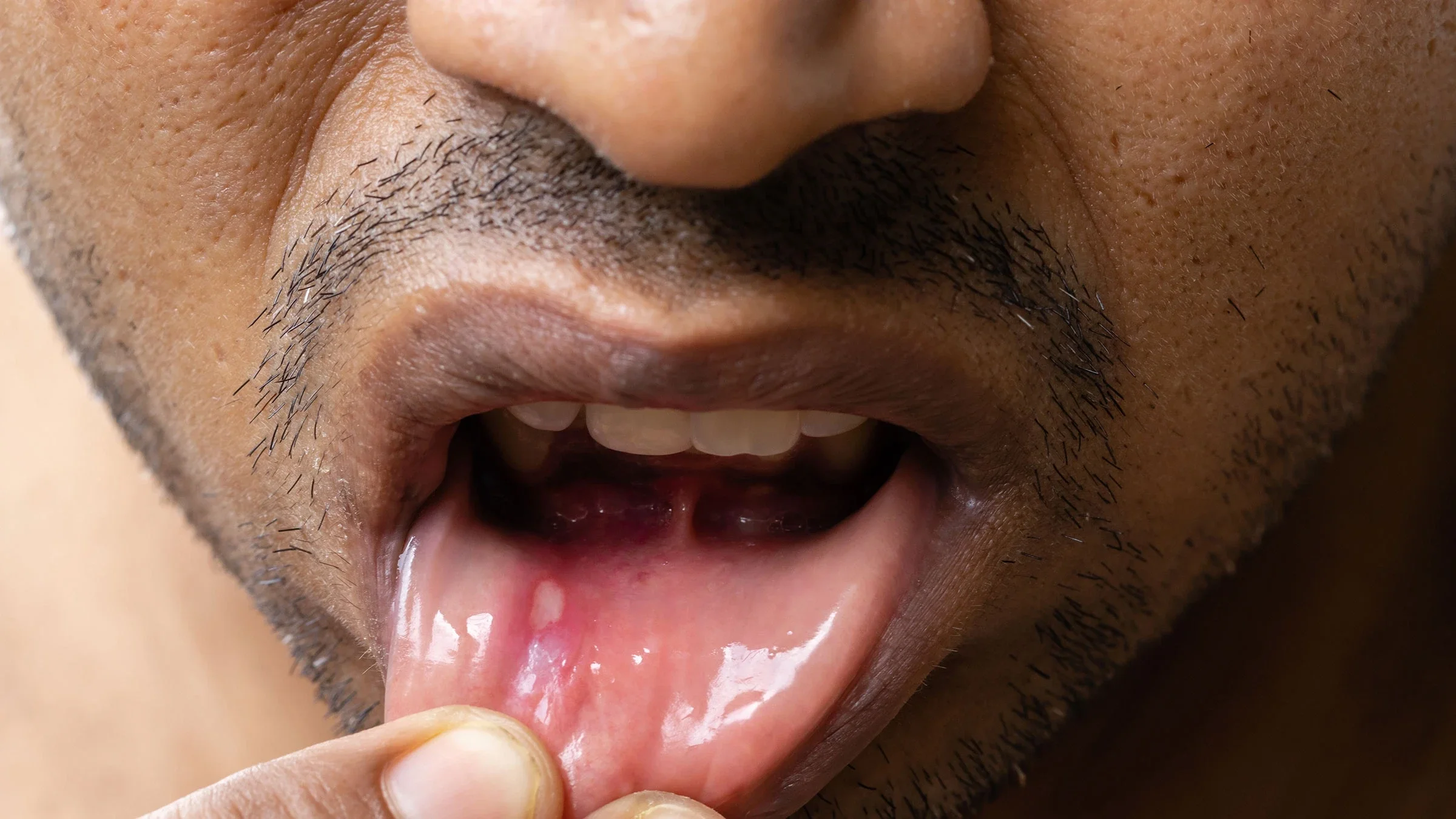
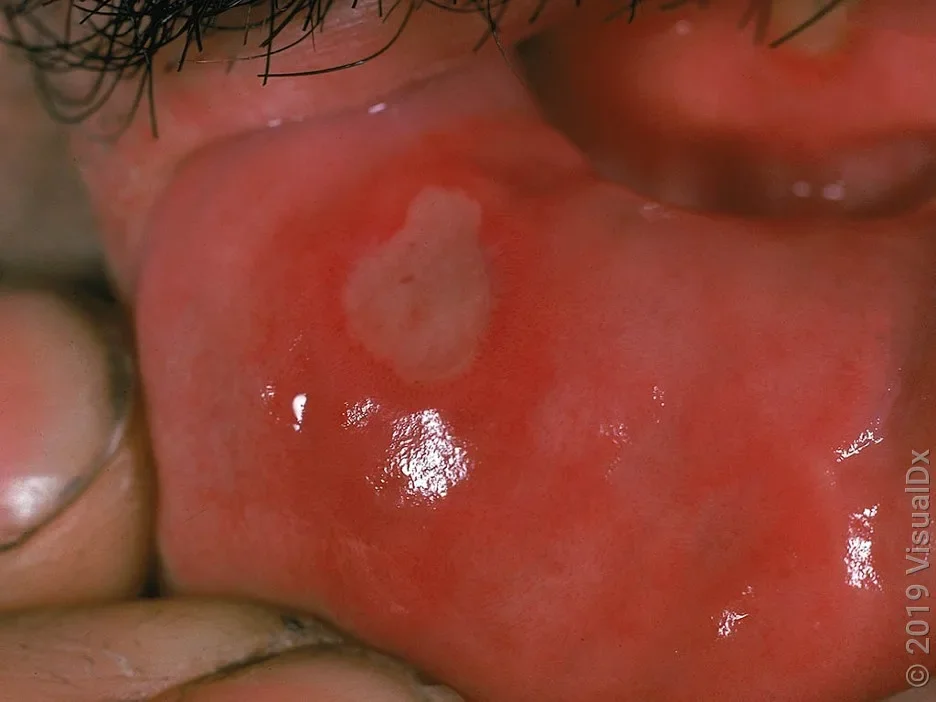
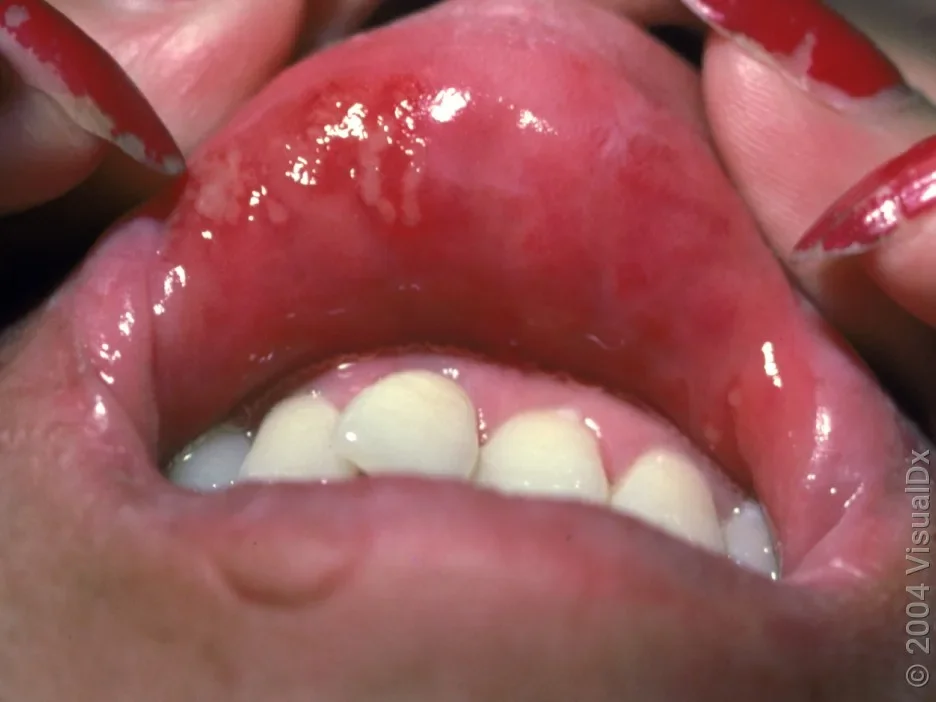
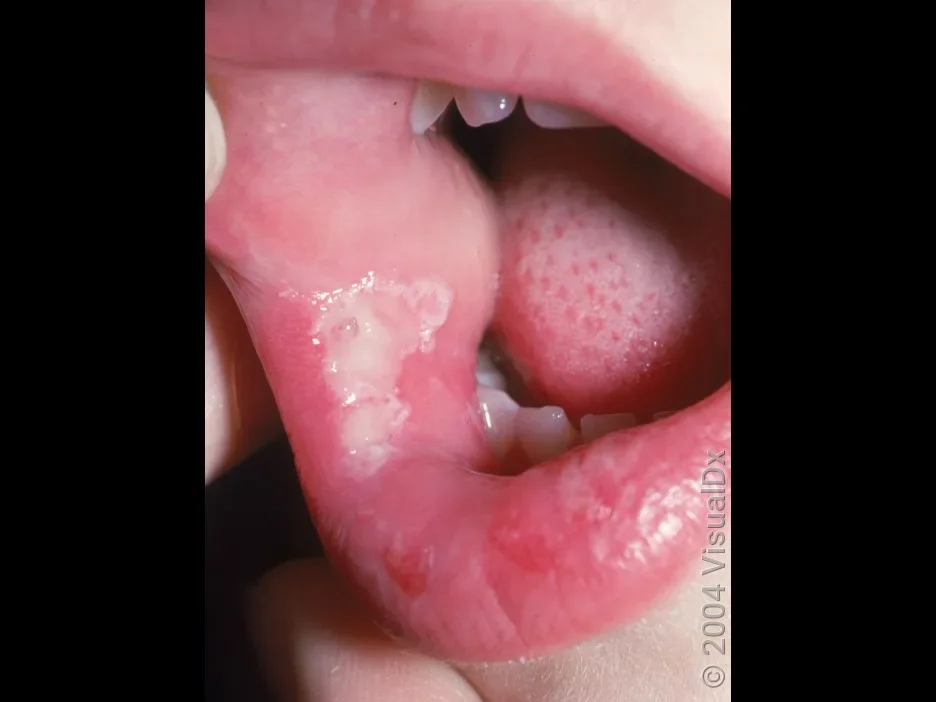
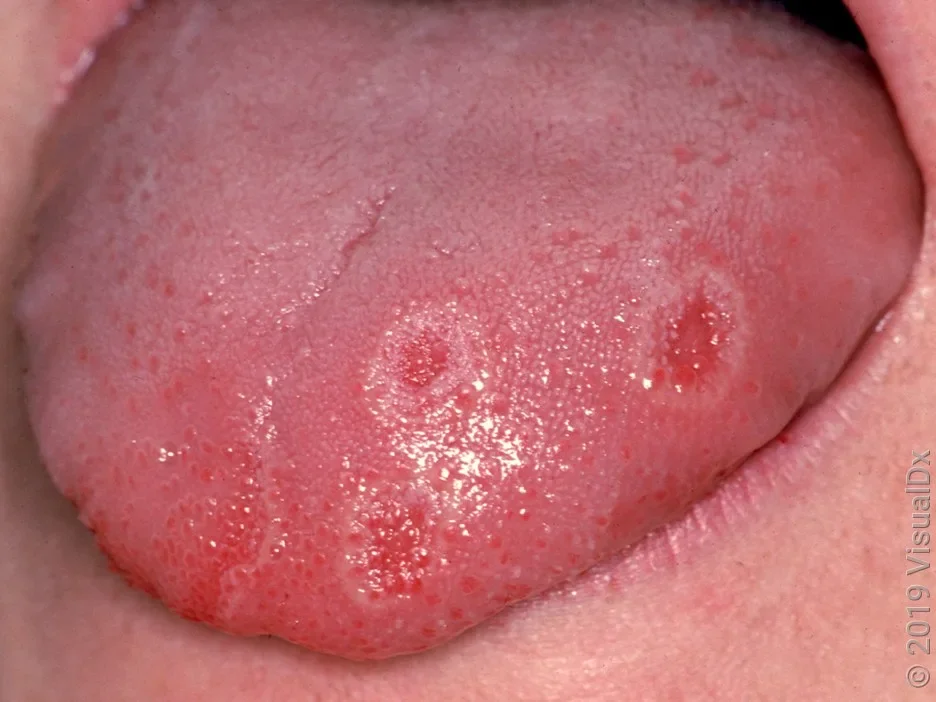
Aphthous ulcers — also known as canker sores — are painful, round, or oval ulcers that develop inside the mouth. They typically have a white or yellow center surrounded by a red border. They can happen inside the cheeks, on the gums, or on the tongue. You can have one sore or several at the same time.
Unlike cold sores (fever blisters), canker sores aren't contagious and only occur inside the mouth.
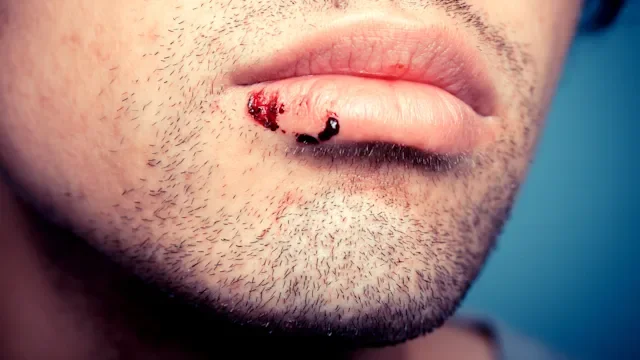
Below are some pictures of canker sores in different locations.
What causes canker sores?
The exact cause of canker sores isn’t known. But some things increase your risk.
Common triggers of canker sores include:
Acidic foods
Mouth injury
Hormonal changes
Recent viral illness
Vitamin deficiency (like a deficiency in B12, folic acid, or iron)
Smoking
How to get rid of canker sores fast
Canker sores usually last 1 to 2 weeks. There’s no treatment that can make them disappear overnight. But simple at-home or over-the-counter (OTC) treatments can help relieve pain, reduce irritation, and protect the sore while it heals.
Natural and home remedies
Some of the most effective treatments for canker sores are already in your home. These remedies can ease discomfort and may help support healing.
Saltwater mouthrinse
A simple saltwater rinse may help soothe a canker sore and keep the area clean. Rinsing can reduce irritation and wash away food particles that might aggravate the sore.
Try dissolving a ½ tsp of salt in a cup of warm water and gently swishing it around your mouth for 15 to 30 seconds before spitting it out.
If you prefer a mouthwash, choose one that doesn't contain alcohol, which can sting and further irritate the sore.
Cold, bland foods
Cold, bland foods may be easier to tolerate and less irritating when trying to get a canker sore to heal. Foods like yogurt, smoothies, applesauce, and ice cream can temporarily soothe the area and make eating less painful.
To help speed up recovery, avoid foods that can irritate a canker sore — such as acidic, spicy, salty, or hard foods. Fizzy drinks or alcohol can also make it worse.
Honey
Honey is known for its antibacterial and anti-inflammatory properties. So, it may help reduce pain and support faster healing. In one study, people who applied honey to a canker sore 4 times daily for 5 days had less pain, redness, and swelling than those who didn't.
Ice
Ice won’t make a canker sore go away faster, but it can offer temporary relief. The cold can numb the area and might reduce inflammation. Try holding an ice chip against the sore or letting it dissolve slowly in your mouth.
Coconut oil
Some people use coconut oil as a home remedy for canker sores because it has anti-bacterial and anti-inflammatory properties. It may also help with overall oral health and dental hygiene.
Chamomile
Chamomile may help relieve pain from canker sores. In addition to pain relief, some research suggests that chamomile helps speed up wound healing in the mouth.
You can use a cooled chamomile tea bag as a compress, or rinse your mouth with chamomile tea several times a day.
Aloe vera
Aloe vera is best known as a soothing treatment for sunburns. But its effects may extend beyond the skin. Aloe vera contains acemannan, a plant-based compound that’s thought to be responsible for the healing properties of aloe vera.
One study found that applying acemannan from aloe vera three times daily helped to lower pain and reduce the size of canker sores.
Baking soda
A baking soda rinse may help neutralize acids in the mouth and reduce irritation. You can either use baking soda as a paste or a rinse:
Baking soda paste: To create a baking soda paste, mix 1 tsp of baking soda with a few drops of water to form a thick paste. Apply it to the canker sore, leave on for several minutes, and then rinse.
Baking soda rinse: You can create a rinse by dissolving 1 tsp of baking soda in ½ cup warm water. Rinse as you would with a saltwater solution.
Over-the-counter (OTC) treatments
If home remedies aren’t enough, several OTC treatments can help relieve pain and may speed up healing.
Hydrogen peroxide
Hydrogen peroxide may help clean the area and reduce bacteria around the sore. You can mix equal parts water and 3% hydrogen peroxide. Then, apply the solution to the sore using a clean cotton swab.
Milk of magnesia
Milk of magnesia is commonly used for constipation. But it may also help with canker sore pain. Some people find that dabbing a small amount directly onto a canker sore helps relieve discomfort. It can also be used after cleansing the area with diluted hydrogen peroxide.
Topical pain reliever
You can try an OTC pain reliever, like benzocaine, which is typically found in products like Orajel or Anbesol. These work as a topical anesthetic. Although they won’t heal the sore, they can provide relief during the most painful stage.
Alum powder
Alum powder is a mineral that’s often used in baking or pickling. Some research in people with recurrent canker sores suggests that applying alum powder to canker sores can reduce pain and help sores heal faster.
When home remedies and OTC treatments aren’t enough
Most canker sores don’t require prescription treatment. But if your sores are severe, recurrent, or make it difficult to eat or drink, a healthcare professional may recommend:
Magic mouthwash: a medicated mouth rinse that can help relieve pain and make eating more comfortable
Viscous lidocaine: a numbing medication that provides temporary pain relief
Topical steroids: a paste, gel, or rinse that can reduce inflammation, ease pain, and speed up healing
Sucralfate: a medication that’s used as a rinse or spot treatment, and may reduce pain and promote healing
How can you prevent canker sores?
There’s no guaranteed way to prevent canker sores. To lower your risk:
Avoid foods that trigger your sores.
Maintain good oral hygiene with regular brushing and flossing.
Protect your mouth from injury by chewing carefully and making sure dental appliances fit properly.
Get checked for vitamin deficiencies if you have frequent canker sores.
When should I see a doctor or dentist about canker sores?
Canker sores usually cause only pain and ulcers. Warning signs that should prompt you to see a healthcare professional include:
Fever
Skin blisters
Eye redness
A weakened immune system
Feeling generally ill
Sores that last more than 2 weeks without improving
Although most canker sores are harmless, sores that are persistent or recurrent can sometimes be a sign of an underlying medical condition.
Frequently asked questions
No, canker sores aren’t caused by herpes. So, they aren’t contagious.
But cold sores (also called fever blisters) are caused by the herpes virus and are contagious. Cold sores can be spread through direct contact (like kissing) or by touching a contaminated object (like a glass).
Having a canker sore on the tongue can be painful, and they’re treated the same as canker sores elsewhere in the mouth. Treatment focuses on relieving pain and avoiding irritation. Treatments like saltwater rinses, honey, and OTC numbing gels (like benzocaine) can help with symptoms. Avoid spicy, acidic, or salty foods while it heals.
No, you can’t pop a canker sore. Canker sores are open sores called ulcers. They aren’t filled with fluid or pus, and they can’t be popped. Squeezing or trying to pop a canker sore can cause more pain and irritation, and it can lead to an infection.
No, canker sores aren’t caused by herpes. So, they aren’t contagious.
But cold sores (also called fever blisters) are caused by the herpes virus and are contagious. Cold sores can be spread through direct contact (like kissing) or by touching a contaminated object (like a glass).
Having a canker sore on the tongue can be painful, and they’re treated the same as canker sores elsewhere in the mouth. Treatment focuses on relieving pain and avoiding irritation. Treatments like saltwater rinses, honey, and OTC numbing gels (like benzocaine) can help with symptoms. Avoid spicy, acidic, or salty foods while it heals.
No, you can’t pop a canker sore. Canker sores are open sores called ulcers. They aren’t filled with fluid or pus, and they can’t be popped. Squeezing or trying to pop a canker sore can cause more pain and irritation, and it can lead to an infection.
The bottom line
Canker sores are common, so you’ll probably have at least one in your lifetime. They’ll usually go away on their own within 2 weeks. But if they’re very painful or interfering with eating, there are treatment options that can help them to go away faster. If you have canker sores that don’t seem to be improving, make sure to have a healthcare professional take a look.

Why trust our experts?




Images used with permission from VisualDx (www.visualdx.com).
References
Bhalang, K., et al. (2013). Acemannan, a polysaccharide extracted from aloe vera is effective in the treatment of oral aphthous ulceration. Journal of Integrative and Complementary Medicine.
Colgate. (n.d.). Can you use hydrogen peroxide on a canker sore?
Colgate. (2023). How salt water mouth rinse benefits oral health.
D’Amario, M., et al. (2025). Treatments for recurrent aphthous stomatitis: A literature review. Dentistry Journal.
El-Haddad, S. A., et al. (2014). Efficacy of honey in comparison to topical corticosteroid for treatment of recurrent minor aphthous ulceration: A randomized, blind, controlled, parallel, double-center clinical trial. Quintessence International.
Gallo, C. B., et al. (2009). Psychological stress and recurrent aphthous stomatitis. Clinics.
Hennessy, B. J. (2024). Mouth sores and inflammation. Merck Manual Consumer Version.
InformedHealth.org. (2025). Canker sores (mouth ulcers): Learn more – What can you do if you have a canker sore? National Library of Medicine.
Liu, C., et al. (2012). Efficacy and safety of dexamethasone ointment on recurrent aphthous ulceration. The American Journal of Medicine.
MouthHealthy. (n.d.). Canker sores. American Dental Association.
Rafieian, N., et al. (2016). Efficacy of alum for treatment of recurrent aphthous stomatitis. Caspian Journal of Internal Medicine.
Ramos-e-Silva, M., et al. (2006). Clinical evaluation of fluid extract of Chamomilla recutita for oral aphthae. Journal of Drugs in Dermatology.
Valmy, J., et al. (2025). Anti-inflammatory effect of chamomile from randomized clinical trials: A systematic review and meta-analyses. Pharmaceutical Biology.
Woolley, J., et al. (2020). The effect of oil pulling with coconut oil to improve dental hygiene and oral health: A systematic review. Heliyon.