atomoxetine
Atomoxetine, also known by its brand name Strattera, is a non-stimulant medication. It's used to treat attention-deficit hyperactivity disorder (ADHD) in adults and children ages 6 years and up. Atomoxetine (Strattera) comes as capsules that are swallowed whole. You take your dosage either once or twice a day. Side effects are stomach upset and low appetite. It's not a controlled substance like some ADHD medications are. But atomoxetine (Strattera) still has a few serious risks like behavioral changes and heart problems.


What is Atomoxetine (Strattera)?
What is Atomoxetine (Strattera) used for?
- Attention-deficit hyperactivity disorder (ADHD) in people 6 years and older
How Atomoxetine (Strattera) works
Atomoxetine (Strattera) is a selective norepinephrine reuptake inhibitor (NRI). It's not exactly known how the medication works to help with ADHD. But it's thought to raise the norepinephrine levels in the brain. This might help improve focus and lessen impulsive behavior.
Drug facts



Side effects of Atomoxetine (Strattera)
The following side effects may get better over time as your body gets used to the medication. Let your healthcare provider know immediately if you continue to experience these symptoms or if they worsen over time.
Common Side Effects
Adults:
- Nausea (26%)
- Dry mouth (20%)
- Low appetite (16%)
- Trouble sleeping (15%)
- Feeling tired (10%)
Children:
- Headache (19%)
- Stomach pain (18%)
- Low appetite (16%)
- Sleepiness (11%)
- Vomiting (11%)
- Nausea (10%)
Less Common Side Effects
Adults:
- Constipation
- Stomach pain
- Dizziness
- Sleepiness
- Feeling irritable
- Problems urinating
- Erectile dysfunction
Children:
- Feeling tired
- Feeling irritable
- Dizziness
Atomoxetine (Strattera) serious side effects
Contact your healthcare provider immediately if you experience any of the following.
- Suicidal behavior or thoughts of self-harm
- Unusual changes in mood, thoughts, or behavior: manic episodes, hallucinations, delusions, depressed mood, anxiety, panic attacks, feeling angry or irritated
- Liver problems: stomach bloating, stomach pain, yellowing of your skin or the whites of your eyes, dark urine, itchiness, unexplained flu-like symptoms
- Heart-related problems: heart attack, stroke, fast heart rate
- Painful and prolonger erection (lasting more than 4 hours)
- Allergic reaction: trouble breathing; rash; hives; swelling of the face, lips, tongue, or throat
More on Atomoxetine (Strattera) side effects
The following Atomoxetine (Strattera) side effects have also been reported
Along with its needed effects, a medicine may cause some unwanted effects. Although not all of these side effects may occur, if they do occur they may need medical attention.
Check with your doctor immediately if any of the following side effects occur:
Less common
Hives or welts
irregular heartbeat
large, hive-like swelling on the face, eyelids, lips, tongue, throat, hands, legs, feet, or sex organs
redness of the skin
skin rash
Rare
Painful, prolonged erection of your penis
Incidence not known
Convulsions
dark colored urine
fainting
flu-like symptoms
loss of bladder control
muscle spasm or jerking of all extremities
pelvic pain in male
right upper belly pain or tenderness
sudden loss of consciousness
yellow eyes or skin
Some side effects may occur that usually do not need medical attention. These side effects may go away during treatment as your body adjusts to the medicine. Also, your health care professional may be able to tell you about ways to prevent or reduce some of these side effects. Check with your health care professional if any of the following side effects continue or are bothersome or if you have any questions about them:
More common
Acid or sour stomach
belching
bleeding between periods
change in amount of bleeding during periods
change in pattern of monthly periods
decrease in the frequency of urination
decrease in urine amount
decreased appetite
decreased interest in sexual intercourse
difficulty having a bowel movement (stool)
difficulty in passing urine (dribbling)
dizziness
headache
inability to have or keep an erection
indigestion
irritability
loss in sexual ability, desire, drive, or performance
pain or tenderness around the eyes and cheekbones
shortness of breath
sleepiness or unusual drowsiness
stomach discomfort, upset, cramps, or pain
stuffy or runny nose
tightness of the chest
trouble sleeping
unusual drowsiness, dullness, tiredness, weakness, or feeling of sluggishness
unusual stopping of menstrual bleeding
unusual tiredness or weakness
vomiting
Less common
Abnormal dreams
abnormal orgasm
back pain
blistering, crusting, irritation, itching, or reddening of the skin
bloated or full feeling
burning, crawling, itching, numbness, prickling, "pins and needles", or tingling feelings
change in hearing
change or problem with discharge of semen
chills
cold sweats
confusion
cracked, dry, or scaly skin
crying
decreased weight
difficulty with moving
dizziness, faintness, or lightheadedness when getting up suddenly from a lying or sitting position
ear drainage
excess air or gas in the stomach or intestines
feeling of warmth, redness of the face, neck, arms, and occasionally, upper chest
feeling unusually cold
general feeling of discomfort or illness
groin pain
increased or sudden sweating
joint pain
loss of appetite
mood swings
muscle aches, cramping, pains, or stiffness
pain or burning with urination
passing gas
shivering
sinus headache
sleep disorder
swelling of the skin
swollen joints
swollen, tender prostate
Other side effects not listed may also occur in some patients. If you notice any other effects, check with your healthcare professional.
Call your doctor for medical advice about side effects. You may report side effects to the FDA at 1-800-FDA-1088.

Get your GoodRx coupon

Pros and cons of Atomoxetine (Strattera)
Pros
- A good non-stimulant option for both adults and children with ADHD
- Can take with or without food
- Not a controlled substance, so there isn't a risk of addiction and it doesn't have special rules when filling a prescription
Cons
- Might not work as well as ADHD stimulant medications
- Can take a few weeks before you notice your ADHD symptoms getting better
- Can have drug interactions with certain antidepressants

Pharmacist tips for Atomoxetine (Strattera)

- There are two different ways to take atomoxetine (Strattera). You can take the full dose in the morning. Or, you can split it into two doses – one in the morning and one later in the day (late afternoon or early evening). Pick the schedule that works best for you and try to take it the same way every day. Ask your prescriber or pharmacist if you need help choosing the right schedule.
- You can take atomoxetine (Strattera) with or without food. If the medication is hurting their stomach, try taking it with food next time to see if that helps.
- Swallow atomoxetine (Strattera) capsules whole. Don't cut, crush, chew, or open the them. It can be irritating if the powder inside the capsule gets accidentally gets into your eye. If this happens, rinse your eye with water right away. If you have trouble swallowing the capsules, talk to your prescriber about other options.
- If you miss a dose of atomoxetine (Strattera), take it as soon as you remember. But never take more than the total daily amount prescribed to you in a 24-hour period. This could cause harmful side effects.
- Atomoxetine (Strattera) can make you sleepy and dizzy. Avoid driving or doing anything that requires your attention until you know how the medication affects you.
- It's best not to drink alcohol while taking atomoxetine (Strattera). Alcohol can make some side effects like sleepiness and dizziness worse.
- Some people might have changes in mood or behavior while taking atomoxetine (Strattera). Tell your prescriber if you or others notice you're acting differently or feeling depressed. Call 911 right away if you have thoughts about hurting yourself.
- Tell your healthcare team about all the medications you take or plan to take. Atomoxetine (Strattera) can interact with some medications. Some antidepressants, like fluoxetine (Prozac), might raise atomoxetine (Strattera) levels in your body. This can raise the risk of side effects. You also shouldn't take this ADHD medication with or within 2 weeks of a monoamine oxidase inhibitor (MAOI). This combination can cause serious side effects like high fever and muscle problems.
- If you're pregnant or think you might be, talk to your prescriber. It's not clear how safe atomoxetine (Strattera) is during pregnancy. Your prescriber can help you weigh the risks and benefits of taking this medication. If you take atomoxetine (Strattera) while pregnant, your prescriber might suggest signing you up in the National Pregnancy Registry for ADHD Medications. This registry helps researchers learn more about how safe ADHD medications are during pregnancy.
- If you plan to breastfeed, talk to your prescriber about the benefits and risks of taking atomoxetine (Strattera). There's not enough information about how safe the medication is while nursing. It's possible for your baby to become sleepy. Talk to your prescriber about your options for your ADHD and for feeding.



Common questions about Atomoxetine (Strattera)
No. Atomoxetine (Strattera) isn't a controlled substance. Controlled substances have a higher risk of misuse, addiction, or physical dependence. But atomoxetine (Strattera) isn't known to have these risks.
No, atomoxetine (Strattera) isn't a stimulant. In fact, it's a non-stimulant medication that can be used to help with ADHD. This medication might be a good choice for people who can't or don't want to take stimulants. Talk to your prescriber about the risks and benefits of taking atomoxetine (Strattera). They can help you decide if this medication is right for you.
Some people might notice small improvements in their ADHD symptoms in as early as 1 week of taking atomoxetine (Strattera). But it can take a month or longer to see the full benefit of the medication. Follow up with your prescriber about how well atomoxetine (Strattera) seems to be working.
After you take atomoxetine (Strattera), its effects usually last for about a day. To make sure it keeps working for you, remember to take the medication every day as prescribed. Talk to your prescriber if you have questions about how long the effects of the medication can last.
Weight loss can happen with atomoxetine (Strattera), but it's not common. A more common side effect is having a low appetite. This can make you eat less, not get enough nutrition, and have unintentional weight loss. In studies, about 3% of people said they lost weight taking this medication. Keep in mind that atomoxetine (Strattera) isn't a weight loss medication and it shouldn't be used for that reason. Try to eat a well-balanced diet while taking this medication. Talk to your prescriber if you notice weight loss that you didn't expect.
A review of studies found that atomoxetine (Strattera) helped improve anxiety in some children who have both ADHD and anxiety. Keep in mind that this medication isn't FDA approved for anxiety. More research is needed to learn about how well it can work for this off-label use. Talk to your psychiatrist or primary care provider about ways to manage and treat anxiety.
Some people might feel more tired while taking atomoxetine (Strattera). It's also possible to have other sleep changes, like trouble sleeping. Take note of how atomoxetine (Strattera) affects your usual sleep patterns. If any changes bother you, let your prescriber know.
If atomoxetine (Strattera) works well to help with your ADHD, you should feel more calm and focused. Remember that this medication can also have some side effects. This can include stomach upset, low appetite, dizziness, and changes in sleepiness. Tell your prescriber if the medication isn't working well. Also let them know if any side effects bother you or if side effects don't go away. They might recommend changing your dose or suggest a different treatment.

How to save using GoodRx



Risks and warnings for Atomoxetine (Strattera)
Atomoxetine (Strattera) can cause some serious health issues. This risk may be even higher for certain groups. If this worries you, talk to your doctor or pharmacist about other options.
Risk of suicidal thoughts
- Risk factors: Children 12 years or younger | First few months of atomoxetine (Strattera) treatment | Changes in dose
 Atomoxetine (Strattera) can raise the risk of suicidal thoughts, especially in children and teens. The risk is highest when starting the medication or changing the dose.
Watch for unusual changes in mood or behavior while you're taking atomoxetine (Strattera). This can include feeling very depressed, anxiety, angry, or restless or having trouble sleeping. If any unusual changes happen, tell your prescriber. Call 911 right away if you have thoughts of hurting yourself.
Severe liver damage
- Risk factors: History of liver problems
In rare cases, atomoxetine (Strattera) can cause severe liver problems. Sometimes, this has led to liver failure. Liver injury can happen a few months after starting the medication. It might also continue for a few weeks after stopping it.
Get medical attention right away if you notice signs of liver problems. Look out for yellowish skin or eyes, dark urine, pain on the upper right side of your stomach, itching, or unexplained flu-like symptoms. You'll probably need to stop taking atomoxetine (Strattera) to protect your liver.
Serious heart problems
- Risk factors: History of heart problems
In rare cases, some adults taking atomoxetine (Strattera) have had stroke, heart attack, or sudden death. Sudden death has also happened in some children with heart problems who took this medication.
Before starting atomoxetine (Strattera), tell your prescriber if you have any heart problems. This includes heart defects, serious heart rhythm issues, or other serious heart problems. Your prescriber can decide if this medication is safe for you.
Call your prescriber right away if you have any signs of a heart problem while taking atomoxetine (Strattera). This can include fainting, chest pain with physical activity, or an uneven heartbeat.
Changes in blood pressure and heart rate
Atomoxetine (Strattera) can make your blood pressure and heart rate go up. Rarely, some people had a drop in blood pressure and felt dizzy when they stood up.
Tell your prescriber if you have high or low blood pressure, fast heart rate, or other heart problems. They can make sure atomoxetine (Strattera) is safe for you. Your prescriber will check your blood pressure and heart rate before you start this medication. They'll also check again if your dose changes and from time to time during follow-up visits. Your prescriber might ask you to check your blood pressure and heart rate at home, too.
Tell your care team if your blood pressure or heart rate stays higher than usual. Call your prescriber right away if you have a severe headache, trouble breathing, chest pain, or chest pounding. These can be signs of very high blood pressure or heart rate.
Aggressive behavior or other changes in behavior
- Risk factors: History of psychotic episodes or mania | Other mental health or mood problems
Some people taking atomoxetine (Strattera) have had changes in thoughts or behavior. This can include hallucinations (seeing things that aren't there), aggressive behavior, delusions, and mania.
Look out for unusual thoughts or behaviors while you're taking atomoxetine (Strattera). If you or your loved ones notice any changes, contact your prescriber right away. You might have to stop taking this medication.
Risk of mania in people with bipolar disorder
- Risk factors: Bipolar disorder | Personal or family history of mania | Personal or family history of depression
Before you start atomoxetine (Strattera), your prescriber will check if you have bipolar disorder or are at risk for it. Tell them if you have this mental health problem or if you or anyone in your family has had depression or mania. You might be at a higher risk of manic episodes or mixed episodes of mania and depression while taking this medication.
Talk to your prescriber right away if you or someone close to you notices unusual changes in your mood or behavior. This can include racing thoughts, risky behavior, or unusual talkativeness. Mood changes can include extreme happiness or sadness and irritability.
Long-lasting and painful erection
In rare cases, some people taking atomoxetine (Strattera) have had long-lasting and painful erections. If this isn't treated in time, it could lead to permanent damage. This can include the inability to have an erection. If you have a painful erection that lasts more than 4 hours, stop taking atomoxetine (Strattera) and get medical help right away.
Slowed growth in children
In studies, children grew more slowly in height and weight during the first 9 to 12 months of taking atomoxetine (Strattera). But growth usually bounced back as they kept taking the medication.
The care team will track your child's growth closely. If growth seems slow, your child's prescriber might pause or stop atomoxetine (Strattera). Talk to your child's prescriber if you have any concerns.

Atomoxetine (Strattera) dosage
 Capsule
| Dosage | Quantity | Price as low as | Price per unit |
|---|---|---|---|
| 10mg | 30 capsules | $22.18 | $0.74 |
| 18mg | 30 capsules | $25.23 | $0.84 |
| 25mg | 30 capsules | $23.07 | $0.77 |
| 40mg | 30 capsules | $27.04 | $0.90 |
| 60mg | 30 capsules | $23.70 | $0.79 |
| 80mg | 30 capsules | $25.21 | $0.84 |
| 100mg | 30 capsules | $25.72 | $0.86 |
Typical dosage for Atomoxetine (Strattera)
Atomoxetine (Strattera) is taken by mouth. You can take your dose once every the morning. Or, you can split the dose evenly and take it twice a day, once in the morning and once later in the day (late afternoon or early evening).
-
Adults and children weighing over 154 lbs (70 kg): The typical starting dose is 40 mg by mouth per day. After about 3 days, the prescriber will raise your dose to 80 mg per day. If needed, the prescriber can adjust your dose depending on your symptoms. The maximum dose is 100 mg per day.
-
Children weighing up to 154 lbs (70 kg): The prescriber will calculate the dose based on your child's weight. The typical starting dose is 0.5 mg/kg of body weight by mouth per day. After about 3 days, the prescriber will raise the dose to 1.2 mg/kg per day. The maximum dose is 1.4 mg/kg per day (or 100 mg per day, whichever is less).
More on Atomoxetine (Strattera) dosage


Interactions between Atomoxetine (Strattera) and other drugs
More on Atomoxetine (Strattera) interactions

Although certain medicines should not be used together at all, in other cases two different medicines may be used together even if an interaction might occur. In these cases, your doctor may want to change the dose, or other precautions may be necessary. When you are taking this medicine, it is especially important that your healthcare professional know if you are taking any of the medicines listed below. The following interactions have been selected on the basis of their potential significance and are not necessarily all-inclusive.
Using this medicine with any of the following medicines is not recommended. Your doctor may decide not to treat you with this medication or change some of the other medicines you take.
- Isocarboxazid
- Linezolid
- Methylene Blue
- Phenelzine
- Procarbazine
- Rasagiline
- Safinamide
- Selegiline
- Tranylcypromine
Using this medicine with any of the following medicines is usually not recommended, but may be required in some cases. If both medicines are prescribed together, your doctor may change the dose or how often you use one or both of the medicines.
- Albuterol
- Bupropion
- Darunavir
- Donepezil
- Givosiran
- Panobinostat
- Paroxetine
Using this medicine with any of the following medicines may cause an increased risk of certain side effects, but using both drugs may be the best treatment for you. If both medicines are prescribed together, your doctor may change the dose or how often you use one or both of the medicines.
- Amitriptyline
- Amoxapine
- Clomipramine
- Desipramine
- Dibenzepin
- Dothiepin
- Imipramine
- Lofepramine
- Nortriptyline
- Opipramol
- Protriptyline
- Trimipramine

How much does Atomoxetine (Strattera) cost?

Atomoxetine (Strattera) contraindications
Contraindications are specific health conditions or situations in which a person should not take a medication due to safety concerns. If you have any of the following conditions or if any of the following apply to you, let your healthcare provider know because Atomoxetine (Strattera) will not be safe for you to take.
- Currently take or have taken a monoamine oxidase inhibitor (MAOI) within the last 14 days
- Narrow-angle glaucoma
- Pheochromocytoma (a type of adrenal gland tumor)
- Certain severe heart or blood vessel problems

What are alternatives to Atomoxetine (Strattera)?

News about Atomoxetine (Strattera)







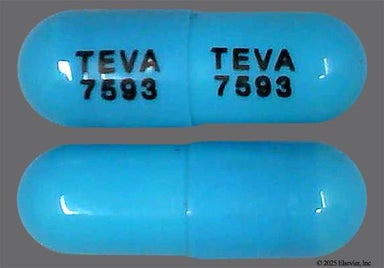
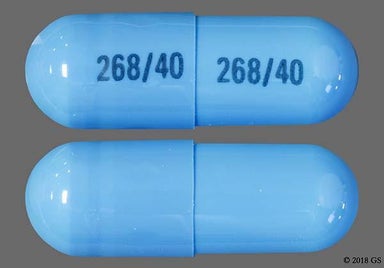
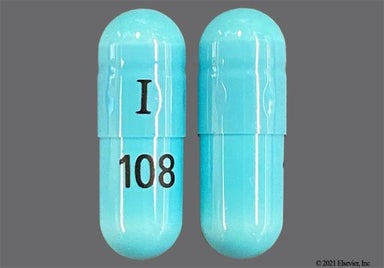
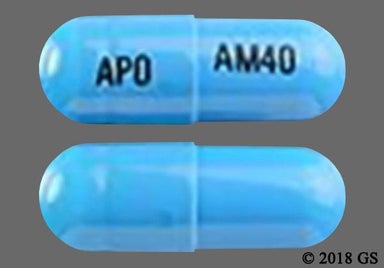
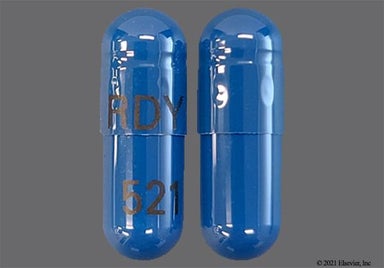
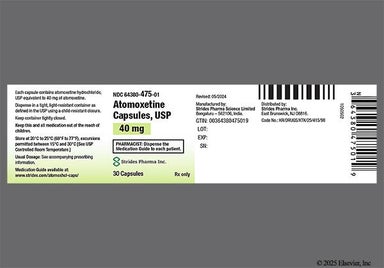
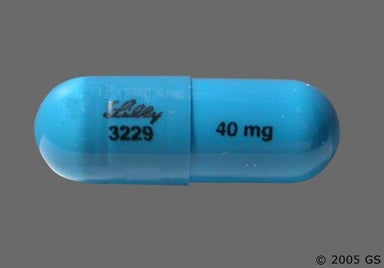
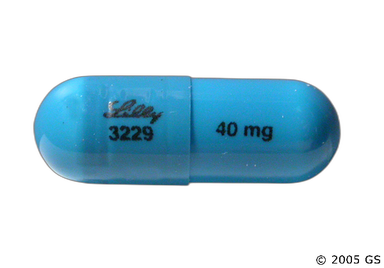
Atomoxetine (Strattera) images