Tivicay
Tivicay (dolutegravir) is a medication that's used as part of an antiretroviral (ARV) regimen for treating human immunodeficiency virus (HIV) infections. Some side effects can include trouble sleeping, tiredness, and headache, but they aren't very common with this medication. Tivicay (dolutegravir) comes as two different formulations: a tablet that you swallow whole and a tablet that you mix in water to make into a liquid solution. Tivicay (dolutegravir) is only available as a brand-name medication; there's no generic at this time.


What is Tivicay (dolutegravir)?
What is Tivicay (dolutegravir) used for?
- Treatment of HIV infection in people aged 4 weeks and older
How Tivicay (dolutegravir) works
Tivicay (dolutegravir) is an integrase inhibitor. Integrase is an enzyme (protein) that HIV uses to insert its genetic information into your cells. Once inserted, HIV uses your cells to make more copies of itself. Tivicay (dolutegravir) works by blocking integrase, which then helps prevent HIV from spreading.
Drug facts

Side effects of Tivicay (dolutegravir)
The following side effects may get better over time as your body gets used to the medication. Let your healthcare provider know immediately if you continue to experience these symptoms or if they worsen over time.
Common Side Effects
The following side effects were reported in adults taking this medication with other HIV ARVs. Side effects might differ in children.
- Higher lipase levels (up to 11%)
- Higher blood sugar levels (up to 9%)
- Higher creatine kinase levels in the blood (up to 7%)
- Abnormal liver labs (up to 5%)
- Trouble sleeping (up to 3%)
- Headache (up to 2%)
- Feeling tired (up to 2%)
Less Common Side Effects
- Dizziness
- Nausea
- Diarrhea
- Rash
- Depression
- Strange dreams
Tivicay (dolutegravir) serious side effects
Contact your healthcare provider immediately if you experience any of the following.
- Severe allergic reactions: fever, rash, extreme tiredness, body aches, mouth sores, blisters, trouble breathing
- Serious liver problems: nausea, vomiting, not feeling hungry, pain in the right side of the stomach, yellowing of the whites of the eyes or skin, dark-colored urine, light-colored stool
More on Tivicay (dolutegravir) side effects

The following Tivicay (dolutegravir) side effects have also been reported
Along with its needed effects, a medicine may cause some unwanted effects. Although not all of these side effects may occur, if they do occur they may need medical attention.
Check with your doctor immediately if any of the following side effects occur:
Less common
Black, tarry stools
blistering or peeling skin
bloody urine
burning, dry, or itching eyes
chills
dark urine
decreased frequency or amount of urine
discharge or excessive tearing
general feeling of discomfort or illness
increased thirst
large, hive-like swelling on the face, eyelids, lips, tongue, throat, hands, legs, feet, or genitals
light-colored stools
loss of appetite
lower back or side pain
muscle or joint aches
painful or difficult urination
rash with fever
redness, pain, swelling of the eye, eyelid, or inner lining of the eyelid
severe rash
sores, ulcers, or white spots on the lips or in the mouth
swelling of the face, fingers, feet, or lower legs
swollen glands
trouble breathing
unusual bleeding or bruising
unusual tiredness or weakness
upper right abdominal or stomach pain
vomiting
yellow eyes and skin
Some side effects may occur that usually do not need medical attention. These side effects may go away during treatment as your body adjusts to the medicine. Also, your health care professional may be able to tell you about ways to prevent or reduce some of these side effects. Check with your health care professional if any of the following side effects continue or are bothersome or if you have any questions about them:
Other side effects not listed may also occur in some patients. If you notice any other effects, check with your healthcare professional.
Call your doctor for medical advice about side effects. You may report side effects to the FDA at 1-800-FDA-1088.

Get your GoodRx coupon

Pros and cons of Tivicay (dolutegravir)
Pros
- Can take with or without food
- Available for adults and children at least 4 weeks old and weighing at least 7 pounds
- Has an oral tablet formulation that can be dissolved in water and taken as a solution (Tivicay PD), so it's convenient if you have trouble swallowing pills
Cons
- Interacts with a lot of medications, such as some other HIV medications, anti-seizure medications (e.g., oxcarbazepine (Trileptal)), and antacids
- Can't take with dofetilide (Tikosyn) because of risk of serious side events
- Not recommended for use if you have severe liver problems

Pharmacist tips for Tivicay (dolutegravir)

- Tivicay oral tablets are not the same as Tivicay PD tablets for oral suspension. If you're just starting or switching to a different formulation of Tivicay (dolutegravir), double check with your provider that the formulation, dose, and directions are appropriate for you.
- Swallow Tivicay or Tivicay PD tablets whole. Don't chew, cut, or crush the tablet. For Tivicay PD tablets, if you need to take more than one tablet, swallow them one at a time so you don't choke on them.
- If you're having trouble swallowing the tablet, ask your provider about using the Tivicay PD tablets to make a liquid solution that you can drink.
- How to make a liquid solution from the Tivicay PD tablets: Mix the Tivicay PD tablets with 5 mL or 10 mL of water in the dosing cup provided. The amount of water you need will depend on the number of tablets for your dose. Swirl the mixture, and make sure there aren't any clumps. Then, drink the mixture within 30 minutes. You can add more water to the dosing cup, swirl, and swallow to make sure you've taken all the medication.
- Make sure to get your routine blood tests done on time while you’re taking Tivicay (dolutegravir). This helps your provider make sure this medication is working for you and not causing side effects.
- Take Tivicay (dolutegravir) 2 hours before or 6 hours after any antacids for heartburn (e.g., Tums) and supplements containing calcium, iron, magnesium, or aluminum. These medications can interfere with how your body absorbs Tivicay (dolutegravir) and cause it to not work as well at treating HIV. Taking Tivicay (dolutegravir) at a different time than these medications can help prevent this interaction from happening.
- Let your provider or pharmacist know what medications you're taking or planning to take, including over-the-counter products and supplements. Tivicay (dolutegravir) can interact with many medications. These interactions can affect how well your medications work or how safe they are for you.
- Tivicay (dolutegravir) can cause life-threatening allergic reactions. If you experience fever, rash, extreme tiredness, body aches, or trouble breathing, get medical attention right away.
- Talk to your provider before stopping Tivicay (dolutegravir) or any of your HIV medications. Doing so can cause the virus to spread and become harder to treat.

Common questions about Tivicay (dolutegravir)
It's not recommended to crush the Tivicay and Tivicay PD tablets. If you have trouble swallowing either tablet formulations, ask your provider about using the Tivicay PD tablets to make a liquid solution that you can drink. Only the Tivicay PD tablets can be made into a mixture with water so it's easier for you to take the medication. Once you've mixed the Tivicay PD tablets with water, you should take the medication within 30 minutes. It's important to note that Tivicay and Tivicay PD are not the same exact medication, so your dose can be different if you're switching from one formulation to another. Talk to your provider about which option is the best for you.
Yes, Tivicay (dolutegravir) can be used for PEP, also known as post-exposure prophylaxis (prevention). PEP is a combination of HIV medications for people who might've been exposed to HIV during sex, through sharing needles, or other way. According to the CDC guidelines, the preferred PEP regimen for healthy people at least 13 years of age is Tivicay (dolutegravir) with Truvada by mouth once daily for 28 days. Remember that these medications need to be taken within 3 days of exposure to greatly lower the risk of HIV infection. Talk to your provider about the best PEP option for you.
Yes, Truvada (emtricitabine / tenofovir disoproxil fumarate) and Tivicay (dolutegravir) can be taken together. In fact, this combination of medications is one of the preferred treatment regimens for people with HIV starting therapy for the first time. This regimen is also the preferred PEP treatment for healthy people who might've been exposed to HIV. This is known as post-exposure prophylaxis and is used to lower the risk of HIV infection. Each medication in this regimen works differently to prevent HIV from spreading. Talk to your provider to see whether a combination of Truvada and Tivicay (dolutegravir) is part of your treatment plan.
Yes, Descovy (emtricitabine / tenofovir alafenamide) and Tivicay (dolutegravir) can be taken together. In fact, this combination of medications is one of the preferred treatment regimens for people with HIV starting therapy for the first time. Each medication in this regimen works differently to prevent HIV from spreading. Talk to your provider to see whether a combination of Descovy and Tivicay (dolutegravir) is part of your treatment plan.
If you're pregnant or thinking of becoming pregnant, let your provider know right away. They can discuss with you about the risks and benefits of taking Tivicay (dolutegravir). They also might consider other HIV treatment options for you. Tivicay (dolutegravir) can raise the risk for neural tube defects in babies when it's taken during the first trimester of pregnancy. But, it might be possible to take the medication during your second and third trimesters of pregnancy. If you're pregnant and you're taking Tivicay (dolutegravir), you’re encouraged to enroll in the Antiretroviral Pregnancy Registry (APR). This registry collects information about your and your baby’s health during treatment with Tivicay (dolutegravir). Learn more about this registry by calling 1-800-258-4263.

How to save using GoodRx



Risks and warnings for Tivicay (dolutegravir)
Tivicay (dolutegravir) can cause some serious health issues. This risk may be even higher for certain groups. If this worries you, talk to your doctor or pharmacist about other options.
Allergic reaction
- Risk factor: History of allergy to dolutegravir
Although rare, Tivicay (dolutegravir) can cause allergic reactions that are sometimes severe and life-threatening. Watch out for allergic reactions, such as severe rash with fever, general discomfort, muscle or joint pain, mouth sores, blisters, facial swelling, or trouble breathing. Stop taking Tivicay (dolutegravir) right away and get medical attention if you experience these symptoms.
If you have a serious allergic reaction, your provider will probably switch you to a different medication to treat HIV. Your provider might also check your liver function through blood work since severe allergic reactions can sometimes lead to liver injury.
Liver problems
- Risk factors: Hepatitis B or C | Severe liver problems
Rarely, people who take medications that contain dolutegravir, such as Tivicay (dolutegravir), can experience serious liver problems. While liver injury can happen to anyone taking these medications, the risk for worsening liver problems might be higher if you also have hepatitis B or hepatitis C. Talk with your provider about your medical history before starting this medication so they can decide how you can safely take Tivicay (dolutegravir). Make sure to get blood tests done during treatment so your provider can check your liver health. If you experience symptoms of liver damage, such as nausea, vomiting, feeling weak, upper right stomach pain, yellowing of the skin or whites of the eyes, or dark urine, talk with your provider right away.
Overactive immune system
Taking combination ARV therapy, such as Tivicay (dolutegravir) with other HIV medications, can cause changes to your immune system called immune reconstitution syndrome. This medical condition happens when your immune system becomes more active after you start combination therapy. Your immune system begins to fight off different infections that it was too weak to fight off before you started treatment. In rare cases, your immune system might improve so much with treatment that it starts to attack normal cells in your body (autoimmune). You can develop immune reconstitution syndrome as early as during the first few weeks of treatment or many months later. Tell your healthcare provider right away if you start having any new symptoms, such as fever, pain, hair loss, bulging eyes, or sweating, after starting Tivicay (dolutegravir).
Interactions with other medications
Some medications can interfere with how your body gets rid of Tivicay (dolutegravir) from your system. This can affect the amount of Tivicay (dolutegravir) in your body, how well it works, and the risk of side effects.
When taken with Tivicay (dolutegravir), certain medications can lower the amount of Tivicay (dolutegravir) in your body and cause it to not work as well at treating HIV. Because of this effect, avoid taking Tivicay (dolutegravir) with certain anti-seizure medications (e.g., carbamazepine (Tegretol), phenytoin (Dilantin)) or certain antibiotics (e.g., rifampin (Rifadin)). And make sure to take Tivicay (dolutegravir) 2 hours before or 6 hours after taking antacids like calcium carbonate (Tums) to prevent this interaction from happening.
Tivicay (dolutegravir) can also affect how your body absorbs other medications. For example, Tivicay (dolutegravir) can cause your body to absorb more dofetilide (Tikosyn), a heart rhythm medication. This can lead to irregular heartbeat that can be dangerous. Because of this risk, avoid taking Tivicay (dolutegravir) with dofetilide (Tikosyn).
Since there's a potential for interactions with Tivicay (dolutegravir) and various medications, tell your provider and pharmacist about all the medications you take or plan to take. They can make sure your medications are safe to take together.
Harm to unborn baby
Taking Tivicay (dolutegravir) during early pregnancy might raise the risk for birth defects called neural tube defects in babies. Because of this potential risk, if you're able to have a child, your provider will ask you to take a pregnancy test to check if it's safe for you to take Tivicay (dolutegravir). They'll also discuss with you about birth control options during your treatment with Tivicay (dolutegravir). It might be possible to take Tivicay (dolutegravir) in the second and third trimesters of pregnancy, but only if the benefit is greater than the risk of harm to the unborn baby. If you're pregnant or are planning to become pregnant, discuss your HIV treatment options with your provider.

Tivicay (dolutegravir) dosage
 Tablet
| Dosage | Quantity | Price as low as | Price per unit |
|---|---|---|---|
| 50mg | 30 tablets | $2,265.15 | $75.51 |
| 10mg | 30 tablets | $415.39 | $13.85 |
| 25mg | 30 tablets | $1,029.07 | $34.30 |
Typical dosage for Tivicay (dolutegravir)
-
Tivicay oral tablets
- Adults: The typical dose is 50 mg by mouth once or twice daily.
- Children 4 weeks and older who weigh at least 30 pounds: The dose will depend on your child’s body weight. The typical dose is 40 mg or 50 mg by mouth once daily.
-
Tivicay PD oral tablets for suspension
- Children 4 weeks and older who weigh at least 7 pounds: The dose will depend on your child’s body weight. The typical dose ranges from 5 mg to 30 mg by mouth once daily. This formulation is preferred for children who weigh less than 44 pounds.
Note: Tivicay oral tablets and Tivicay PD tablets for suspension are not interchangeable, meaning that the doses aren't the same if you switch from one formulation to another. Your provider will give you instructions on how to switch between formulations, if needed.

Interactions between Tivicay (dolutegravir) and other drugs
Although certain medicines should not be used together at all, in other cases two different medicines may be used together even if an interaction might occur. In these cases, your doctor may want to change the dose, or other precautions may be necessary. When you are taking this medicine, it is especially important that your healthcare professional know if you are taking any of the medicines listed below. The following interactions have been selected on the basis of their potential significance and are not necessarily all-inclusive.
Using this medicine with any of the following medicines is not recommended. Your doctor may decide not to treat you with this medication or change some of the other medicines you take.
Using this medicine with any of the following medicines is usually not recommended, but may be required in some cases. If both medicines are prescribed together, your doctor may change the dose or how often you use one or both of the medicines.
- Abametapir
- Aluminum
- Amprenavir
- Cabotegravir
- Calcium
- Carbamazepine
- Dabrafenib
- Dalfampridine
- Dasabuvir
- Efavirenz
- Eslicarbazepine Acetate
- Etravirine
- Fosamprenavir
- Fosphenytoin
- Iron
- Magaldrate
- Magnesium
- Metformin
- Nevirapine
- Oxcarbazepine
- Phenobarbital
- Phenytoin
- Primidone
- Rifampin
- St John's Wort
- Sucralfate
- Tipranavir
- Zinc

How much does Tivicay (dolutegravir) cost?
$415.39

Tivicay (dolutegravir) contraindications
Contraindications are specific health conditions or situations in which a person should not take a medication due to safety concerns. If you have any of the following conditions or if any of the following apply to you, let your healthcare provider know because Tivicay (dolutegravir) will not be safe for you to take.
- Taking dofetilide (Tikosyn) because of higher risk for serious side effects (e.g., irregular heartbeat)

What are alternatives to Tivicay (dolutegravir)?

News about Tivicay (dolutegravir)


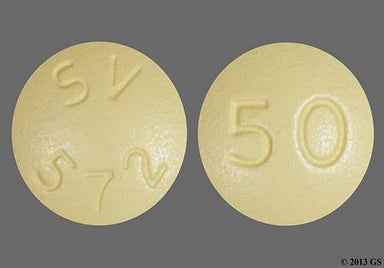
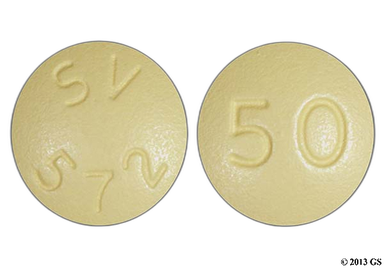
Tivicay (dolutegravir) images