




From Dry Mouth to Heart Problems: 9 Vyvanse Side Effects to Know About
Vyvanse is one of the most commonly prescribed stimulant medications in the U.S. for ADHD. Learn more about Vyvanse side effects and what to look out for.
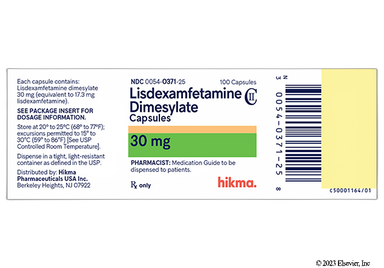
Vyvanse, the brand name for lisdexamfetamine, is a stimulant medication. It's used to treat attention deficit-hyperactivity disorder (ADHD) in people 6 years and older. It can also treat binge eating disorder (BED) in adults. Vyvanse (lisdexamfetamine) comes as capsules and chewable tablets. It's taken once per day in the morning. The dosage starts low and gets adjusted based on how you respond to the medication. Common side effects include trouble sleeping and loss of appetite. Vyvanse (lisdexamfetamine) is a controlled substance because it has a high risk of misuse and dependency.

Vyvanse (lisdexamfetamine) is a stimulant medication. It's not exactly known how the medication works to treat ADHD and binge eating disorder. But researchers think it works by raising the levels of chemicals in your brain called norepinephrine, dopamine, and serotonin. These chemicals are thought to help control how well you focus and how you eat.
| Common Brands | Vyvanse |
|---|---|
| Drug Class | Stimulant |
| Controlled Substance Classification | Schedule II |
| Generic Status | Lower-cost generic available |
| Availability | Prescription only |

Vyvanse (lisdexamfetamine) can cause some serious health issues. This risk may be even higher for certain groups. If this worries you, talk to your doctor or pharmacist about other options.
 Vyvanse (lisdexamfetamine) has a high potential to be misused, which can be dangerous. Misusing this medication can cause serious side effects, like fast heart rate, high blood pressure, aggressive behavior, and even thoughts of hurting yourself or others. It can also lead to addiction or a deadly overdose.
 To stay safe, take Vyvanse (lisdexamfetamine) exactly as prescribed to you. Don't change the dose or how often you take it without asking your prescriber first. Talk to your prescriber if you're worried about this risk.
There have been reports of sudden death in people with heart problems taking stimulants like Vyvanse (lisdexamfetamine). Before starting this medication, tell your prescriber if you have any heart problems. This can include coronary artery disease (CAD). Other issues to note are problems with the structure of your heart or your heart rhythm (arrhythmia). Your prescriber can make sure it's safe for you to take Vyvanse (lisdexamfetamine).
Stimulants including Vyvanse (lisdexamfetamine) can make your blood pressure and heart rate go up. On average, blood pressure can rise by 2 mmHg to 4 mmHg. And, heart rate can go up by 3 to 6 beats per minute.
Let your prescriber know if you have high blood pressure or a history of a fast heart rate. They can check that Vyvanse (lisdexamfetamine) is safe for you. Tell your care team if your blood pressure is higher than usual or if you feel your heart racing.
Stimulants like Vyvanse (lisdexamfetamine) can sometimes change how you think or act. This can include being aggressive, acting recklessly, or having too much energy. Some people might have hallucinations (seeing or hearing things that aren't there) or delusions (believing things that aren't true).
Sometimes, this can happen to people who've never had these problems before. But it's more likely to be worse if you already have a mental health problem like psychosis or bipolar disorder. Your prescriber will check your risk before you start Vyvanse (lisdexamfetamine).
If you start to act unusual or have strange thoughts while taking Vyvanse (lisdexamfetamine), let your prescriber know. You might have to stop the medication.
Stimulants like Vyvanse (lisdexamfetamine) have been linked to weight loss and slow growth (both in height and weight) in children. Your child's primary care provider will check their height and weight often. If your child isn't growing as expected, the primary care provider might suggest taking a break from the medication.
Talk to your child's prescriber or primary care provider if you notice your child has lost a lot of weight. Also, talk to them if you're worried about how much your child is growing.
Stimulants like Vyvanse (lisdexamfetamine) have been linked to problems with blood flow in the arms and legs. This can include Raynaud's phenomenon, which is a problem with blood flow to your fingers and toes.
Raynaud's phenomenon can lead to color changes in your fingers and toes. They can turn pale, blue, or red depending on how much blood gets to them. Your fingers and toes might also feel cold, numb, or painful. If this happens, it's usually mild and happens occasionally. But rarely, it can lead to other problems like sores or tissue damage.
Let your care team know if you have any of these symptoms while taking Vyvanse (lisdexamfetamine). Usually, they get better after your prescriber lowers your dose or after you stop the medication.
Taking Vyvanse (lisdexamfetamine) with some other medications can raise the risk of serotonin syndrome. This is a rare, but serious problem that happens when there's too much serotonin in the brain.
Medications that can make serotonin syndrome more likely are those that raise serotonin levels in the brain. These include antidepressants, MAOIs, and migraine medications called triptans. Tell your prescriber and pharmacist about all the medications you take or plan to take. They can help keep you safe and make changes if needed.
Get medical help right away if you notice signs of serotonin syndrome. These include a fast heart rate, sweating a lot, muscle stiffness, high fever, changes in behavior, and confusion.

The following side effects may get better over time as your body gets used to the medication. Let your healthcare provider know immediately if you continue to experience these symptoms or if they worsen over time.
ADHD
Binge eating disorder
Note: Side effects were reported by adults. Side effects might be slightly different for children with ADHD.
Contact your healthcare provider immediately if you experience any of the following.
Side effects that you should report to your care team as soon as possible:
Side effects that usually do not require medical attention (report these to your care team if they continue or are bothersome):




ADHD
Binge eating disorder
Your dose might differ if you have severe kidney problems.


Contraindications are specific health conditions or situations in which a person should not take a medication due to safety concerns. If you have any of the following conditions or if any of the following apply to you, let your healthcare provider know because Vyvanse (lisdexamfetamine) will not be safe for you to take.










Prescription savings
Stop paying too much for your prescriptions. Compare prices, get pharmacy coupons, and save up to 80%. Find expert answers to your health questions so you can make the best decisions for yourself and your family.
Health conditions
Medications & treatment
Access & affordability
 Our monthly healthcare membership can help you save thousands on your prescription costs.
Resources

For ADHD, Vyvanse starts to work within 2 hours after you take it. It's best to take it right after you wake up in the morning. This can help you focus by the time you start work or school. Keep in mind that it could take a week or more of taking the medication every day to see overall improvements. As for binge-eating disorder, most studies showed that Vyvanse helped people have fewer days of binge eating each week after several weeks of treatment. If you have questions about how long it's taking for the medication to help you, talk to your prescriber.
For ADHD, Vyvanse can help you stay focused for up to 14 hours after you take it.
Yes, Vyvanse is a schedule 2 controlled substance. It has a high risk of being misused and causing dependence. These risks can lead to addiction. Some people might misuse the medication to feel "high" or lose weight. Others misuse it by taking it to focus better even though it's not prescribed for them. And when you take Vyvanse for a long time, you can become dependent on it. This also means you could have withdrawal symptoms if you lower the dose or stop taking it too fast. Withdrawal symptoms can include depression, tiredness, and trouble sleeping. To help lower the risks of misuse, dependence, and addiction, take Vyvanse exactly as prescribed to you. Talk to your prescriber if you're worried about these risks.
If your Vyvanse dose is too low for you, you might notice a few things. If you have ADHD, you might still have trouble focusing or sitting still. If you have binge-eating disorder, you might not feel like you have enough control over your eating. It's also possible to have some side effects from the medication, but they could be mild if the dose is too low. If you think your dose is too low, talk to your prescriber. They can help adjust your dose in a safe way. Don't take a higher dose on your own. Taking too much can make you more likely to have serious side effects, including possible overdose.
Vyvanse might make you feel less hungry, which can sometimes lead to weight loss. Remember, this medication isn't approved or recommended to be used for weight loss. Using Vyvanse on purpose to lose weight is misuse. This can be dangerous and lead to problems like stroke or irregular heart rhythm. If you need help with your weight, talk to a healthcare professional about safe options.
Avoid alcohol while taking Vyvanse. Alcohol can make your ADHD symptoms worse and make you have trouble focusing and jittery. It can also be dangerous and cause serious side effects, including alcohol poisoning and heart problems. Talk to your prescriber about how much alcohol you usually drink. They can point you to resources for quitting alcohol if it's hard for you to stop.
If you're pregnant or thinking about getting pregnant, talk to your prescriber. They can help you understand the risks and benefits of taking Vyvanse. There's some evidence that stimulants might be harmful during pregnancy. From limited data, people who kept taking stimulants during pregnancy might be at risk of delivering early (preterm labor). Their baby might also weigh too little at birth. And, newborns might have withdrawal symptoms, like not eating well and distress. Your prescriber can help you decide what's safest for you. If you take Vyvanse while pregnant, your prescriber can sign you up in a pregnancy registry. This program helps researchers learn more about the risks of stimulants during pregnancy.
Vyvanse and Adderall are stimulants that can help treat ADHD in adults and children. Vyvanse is taken once a day in the morning. Adderall comes in two versions: an immediate-release and a once-daily extended-release (Adderall XR). Vyvanse and Adderall are both considered first-choice options for ADHD. They generally work as well as one another and have similar side effects. But everyone responds to medications in different ways. It's possible that one might work better for you than the other. Talk to your prescriber to compare Vyvanse and Adderall.
