






Common Anxiety Medication Names: Know Your Treatment Options
There are many common anxiety medications that help treat anxiety. Here, we'll look at the different anxiety medication names for generic and brand medications that are available.
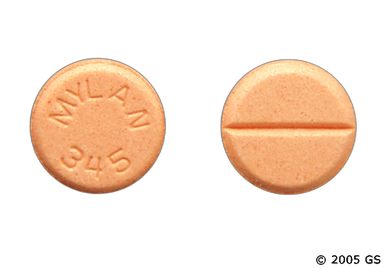
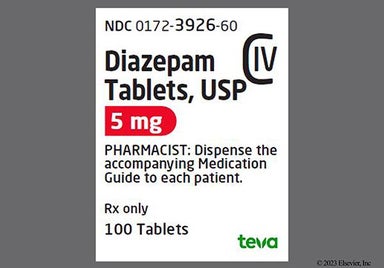
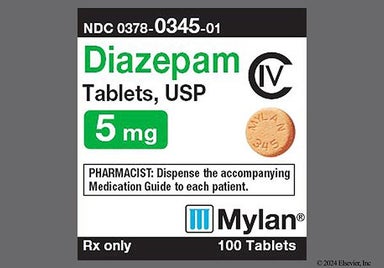
Diazepam (Valium) is a benzodiazepine. It's used to treat symptoms of anxiety and alcohol withdrawal. It can also treat certain types of muscle spasms and seizures. Diazepam (Valium) comes as a tablet and liquid solution. It's taken by mouth, typically 2 to 4 times daily. Some common side effects of diazepam (Valium) include sleepiness, dizziness, and weakness. Additionally, this medication carries a risk for misuse and dependence, so it's classified as a controlled substance.

Diazepam (Valium) is a benzodiazepine. It works by raising the levels of gamma-aminobutyric acid (GABA), a chemical that slows down activity in your brain. This helps control symptoms of anxiety, muscle spasms, and seizures.
| Common Brands | Valium |
|---|---|
| Drug Class | Benzodiazepine |
| Controlled Substance Classification | Schedule IV |
| Generic Status | Lower-cost generic available |
| Availability | Prescription only |

Diazepam (Valium) can cause some serious health issues. This risk may be even higher for certain groups. If this worries you, talk to your doctor or pharmacist about other options.
 Taking diazepam (Valium) with opioid medications can cause severe drowsiness, trouble breathing, and can even result in death. Some people with long-term pain might be already taking opioids when their healthcare professional (HCP) prescribes diazepam (Valium). If this applies to you, have a discussion with your HCP to see if there are safer options for your condition. In the case there aren't safer alternatives, your prescriber will most likely ask you to take the lowest effective doses of both medications for the shortest period of time to minimize your risk of extreme sleepiness and breathing problems. If you develop difficulty breathing or have trouble waking up easily, get medical help right away.
It's possible to misuse medications like diazepam (Valium). This means taking the medication differently than how it's prescribed by your HCP. Misusing a medication, especially if you're taking it with alcohol or other medications, can lead to serious side effects such as dangerous breathing problems, overdose, and even death. Take diazepam (Valium) exactly as prescribed by your HCP and don't start any new medications without first checking with them to see if it's safe.
 Taking diazepam (Valium) for longer periods of time can lead to dependence. Only take this medication as directed by your HCP, and only for the shortest period of time and the lowest dose needed to treat your condition. Ask your HCP if you're not sure about how long you should continue taking this medication.
If you've been taking diazepam (Valium) for a long period of time or at higher doses, suddenly stopping this medication can lead to withdrawal. Symptoms of withdrawals include nausea, vomiting, diarrhea, and shaking. In very serious cases, it can also include seizures, which can be life-threatening.
Typically, withdrawal symptoms show up within the week after you stop taking diazepam (Valium). But in some cases, people still experience withdrawal symptoms weeks or more than a year after they stop this medication. Don't suddenly stop taking diazepam (Valium) without first talking to your HCP. If you want to stop, your prescriber will help you do so safely by lowering your dose slowly over time.
Let your HCP know if you're pregnant, thinking of becoming pregnant, or breastfeeding. The CDC found that babies born to mothers who took diazepam (Valium) or other benzodiazepines during pregnancy are at a slightly higher risk of developing birth defects. But they're also in danger of having a benzodiazepine withdrawal at or within the first month of birth. There is a North American Antiepileptic Drug (NAAED) Pregnancy Registry to monitor the safety of anti-seizure medications during pregnancy. If you're currently pregnant and taking diazepam (Valium), it's encouraged that you enroll in the registry to help researchers learn more about the risks.
In addition, diazepam (Valium) can pass into breastmilk, so it isn't recommended to use it while breastfeeding.
Diazepam (Valium) can interact with other medications. For example, certain medications can cause diazepam (Valium) to reach dangerously high levels in the body, which raises your risk for serious side effects. These include some antifungal medications and some mental health medications, like fluvoxamine (Luvox). Talk to your care team about all the medications you're taking or plan to take, including over-the-counter medications and supplements. They might need to make adjustments to the dose of certain medications or recommend safer alternatives.
Diazepam (Valium) can make depression worse. Sometimes, manic episodes have occurred when people with depression took diazepam (Valium). Watch for new or worsening signs of depression, suicidal thoughts or behavior, or any unusual changes in mood or behavior while taking diazepam (Valium). Get medical help right away if you or a loved one notices any of these changes.

The following side effects may get better over time as your body gets used to the medication. Let your healthcare provider know immediately if you continue to experience these symptoms or if they worsen over time.
Contact your healthcare provider immediately if you experience any of the following.
Along with its needed effects, a medicine may cause some unwanted effects. Although not all of these side effects may occur, if they do occur they may need medical attention.
Check with your doctor immediately if any of the following side effects occur:
More common
Shakiness and unsteady walk
unsteadiness, trembling, or other problems with muscle control or coordination
Incidence not known
Abdominal or stomach pain
agitation
black, tarry stools
blistering, flaking, or peeling of the skin
blurred vision
changes in patterns and rhythms of speech
chills
confusion
dark urine
decrease in the frequency of urination
decrease in urine volume
difficulty in passing urine (dribbling)
discouragement
dizziness, faintness, or lightheadedness when getting up suddenly from a lying or sitting position
false beliefs that cannot be changed by facts
fast heartbeat
fast or irregular breathing
feeling sad or empty
feeling that others are watching you or controlling your behavior
feeling that others can hear your thoughts
feeling, seeing, or hearing things that are not there
headache
hyperexcitability
increased muscle spasms or tone
irritability
itching or rash
lack of memory of what takes place after a certain event
loss of appetite
loss of bladder control
loss of interest or pleasure
lower back or side pain
nightmares
outbursts of anger
painful or difficult urination
pale skin
restlessness
seizures
slurred speech
sweating
trouble concentrating
trouble sleeping
trouble speaking
ulcers, sores, or white spots in the mouth
unpleasant breath odor
unusual behavior
unusual bleeding or bruising
unusual feeling of excitement
unusual tiredness or weakness
vomiting of blood
yellow eyes or skin
Get emergency help immediately if any of the following symptoms of overdose occur:
Symptoms of overdose
Change in consciousness
difficult or troubled breathing
irregular, fast or slow, or shallow breathing
lack of coordination
loss of consciousness
loss of strength or energy
muscle pain or weakness
pale or blue lips, fingernails, or skin
sleepiness
unusual drowsiness, dullness, tiredness, weakness, or feeling of sluggishness
Some side effects may occur that usually do not need medical attention. These side effects may go away during treatment as your body adjusts to the medicine. Also, your health care professional may be able to tell you about ways to prevent or reduce some of these side effects. Check with your health care professional if any of the following side effects continue or are bothersome or if you have any questions about them:
Incidence not known
decreased interest in sexual intercourse
difficulty with swallowing
double vision
feeling of constant movement of self or surroundings
inability to have or keep an erection
increase in sexual ability, desire, drive, or performance
increased interest in sexual intercourse
increased watering of the mouth
indigestion
loss of sexual ability, desire, drive, or performance
passing of gas
seeing double
sensation of spinning
Other side effects not listed may also occur in some patients. If you notice any other effects, check with your healthcare professional.
Call your doctor for medical advice about side effects. You may report side effects to the FDA at 1-800-FDA-1088.



For the diazepam (Valium) 1 mg/mL oral solution:

 Tablet
| Dosage | Quantity | Price as low as | Price per unit |
|---|---|---|---|
| 5mg | 30 tablets | $12.15 | $0.41 |
| 10mg | 30 tablets | $13.12 | $0.44 |
| 2mg | 30 tablets | $11.53 | $0.38 |
Your healthcare professional (HCP) will monitor you closely and will adjust your diazepam (Valium) dose based on how well it's helping the symptoms of your condition and if you're having side effects.
Diazepam (Valium) tablet and diazepam 1 mg/mL oral solution
Children ages 6 months to under 18 years old:
Adults ages 18 to 64 years old:
Age 65 years and older:
Diazepam also comes as an injection that's used for people in the hospital.

Although certain medicines should not be used together at all, in other cases two different medicines may be used together even if an interaction might occur. In these cases, your doctor may want to change the dose, or other precautions may be necessary. When you are taking this medicine, it is especially important that your healthcare professional know if you are taking any of the medicines listed below. The following interactions have been selected on the basis of their potential significance and are not necessarily all-inclusive.
Using this medicine with any of the following medicines is not recommended. Your doctor may decide not to treat you with this medication or change some of the other medicines you take.
Using this medicine with any of the following medicines is usually not recommended, but may be required in some cases. If both medicines are prescribed together, your doctor may change the dose or how often you use one or both of the medicines.
Using this medicine with any of the following medicines may cause an increased risk of certain side effects, but using both drugs may be the best treatment for you. If both medicines are prescribed together, your doctor may change the dose or how often you use one or both of the medicines.


Contraindications are specific health conditions or situations in which a person should not take a medication due to safety concerns. If you have any of the following conditions or if any of the following apply to you, let your healthcare provider know because Diazepam (Valium) will not be safe for you to take.














Prescription savings
Stop paying too much for your prescriptions. Compare prices, get pharmacy coupons, and save up to 80%. Find expert answers to your health questions so you can make the best decisions for yourself and your family.
Health conditions
Medications & treatment
Access & affordability
 Our monthly healthcare membership can help you save thousands on your prescription costs.
Resources

You might notice your symptoms improve about 15 to 30 minutes after a dose of Valium. The effects of this medication might last 12 hours or more, and even longer for people with kidney or liver problems. Typically, healthcare professionals will monitor people with kidney or liver problems more closely for side effects and adjust the dose as needed.
Yes, Valium can be considered a muscle relaxer. But it's only approved to treat muscle spasms or spasticity from certain conditions, such as cerebral palsy and stiff-person syndrome (SPS). Valium isn't a first-choice option as a muscle relaxer because it can be habit-forming.
No, Valium isn't a narcotic. Narcotics typically refer to opioid medications. Valium isn't an opioid pain medication; it's a benzodiazepine.
Yes, Valium has a risk of misuse and dependence, which can lead to addiction. For this reason, Valium is a schedule IV controlled substance. To help lower the risk for addiction, only take Valium as prescribed. Typically, your healthcare professional will prescribe the lowest dose of Valium for the shortest period of time needed to treat your symptoms.
Benzodiazepines, like Valium, can make you sleepy. Let your prescriber and care team know if you're taking other medications that make you sleepy, such as diphenhydramine (Benadryl) or beta blockers. Taking Valium with these types of medications can worsen sleepiness. Make sure to avoid driving or doing anything that requires concentration until you know how Valium affects you.
Some of the most common side effects of Valium include sleepiness, weakness, or dizziness. The medication can also potentially affect your balance and coordination or your memory. These side effects can raise your risk for falls, especially for older adults. Don't drive or do anything that needs a lot of focus until you know how Valium makes you feel. Let your healthcare team know if you're noticing any of these side effects, especially if they're affecting your ability to go about your day. They might need to lower your dose of Valium or recommend an alternative medication for your condition.
Low blood pressure isn't a common side effect of Valium. But, a study showed that older adults who take benzodiazepines regularly are more likely to experience low blood pressure than younger adults. If you feel lightheaded or faint after taking Valium, sit down and call your healthcare professional. They might recommend a lower dose and regular blood pressure checks at home.
Valium isn't FDA-approved for pain. If you have pain, it's best to contact your healthcare professional so they can examine you and come up with a treatment plan that works best for you.
