



11 Trazodone Side Effects You Should Know About
Trazodone may cause drowsiness, dry mouth, and dizziness for some people. Learn about common and rare trazodone side effects and which ones might be serious.
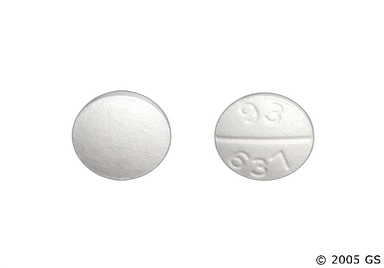
Trazodone is an atypical antidepressant that’s FDA approved to treat depression in people. Your vet might prescribe this medication off-label for your cat or dog to ease separation anxiety or anxiety related to certain situations, like a vet visit, fireworks, or travel. Trazodone is commercially available as tablets, but it can be compounded into a liquid. Both forms of the medication are given to your pet to take by mouth. Trazodone is typically given 1 to 3 hours before the stressful event, or as directed by the vet. Side effects that your pet could have include sleepiness, vomiting, diarrhea, and gagging.

Trazodone is a type of atypical antidepressant called a serotonin antagonist and reuptake inhibitor (SARI). It’s thought to ease anxiety in pets by affecting the amount of serotonin in the brain.
| Common Brands | Desyrel |
|---|---|
| Drug Class | Atypical antidepressant |
| Controlled Substance Classification | Not a controlled medication |
| Generic Status | Lower-cost generic available |
| Availability | Prescription only |

The following side effects might get better over time as your pet gets used to the medication. Let your veterinarian know immediately if your pet continues to experience these symptoms or if they worsen over time.
Contact your veterinarian immediately if your pet experiences any of the following.
Along with its needed effects, a medicine may cause some unwanted effects. Although not all of these side effects may occur, if they do occur they may need medical attention.
Check with your doctor immediately if any of the following side effects occur:
More common
Blurred vision
confusion
dizziness
dizziness, faintness, or lightheadedness when getting up suddenly from a lying or sitting position
lightheadedness
sweating
unusual tiredness or weakness
Less common
Burning, crawling, itching, numbness, prickling, "pins and needles", or tingling feelings
confusion about identity, place, and time
decreased concentration
fainting
general feeling of discomfort or illness
headache
lack of coordination
muscle tremors
nervousness
pounding in the ears
shortness of breath
slow or fast heartbeat
swelling
Rare
Skin rash
unusual excitement
Some side effects may occur that usually do not need medical attention. These side effects may go away during treatment as your body adjusts to the medicine. Also, your health care professional may be able to tell you about ways to prevent or reduce some of these side effects. Check with your health care professional if any of the following side effects continue or are bothersome or if you have any questions about them:
More common
Dry mouth (usually mild)
muscle or bone pain
trouble sleeping
trouble with remembering
unpleasant taste
Less common
continuing ringing or buzzing or other unexplained noise in the ears
hearing loss
muscle aches or pains
Other side effects not listed may also occur in some patients. If you notice any other effects, check with your healthcare professional.
Call your doctor for medical advice about side effects. You may report side effects to the FDA at 1-800-FDA-1088.




Trazodone can cause some serious health issues. This risk might be even higher for certain pets. If this worries you, talk to your veterinarian about other options.
Pets that take trazodone can be at risk of developing a rare, but life-threatening condition called serotonin syndrome. Your pet is more likely to experience this side effect if they accidentally take more trazodone than prescribed (e.g., accidentally eating the medication bottle). In addition, your pet is at higher risk if they’re also taking other medications that raise serotonin levels, like selective serotonin reuptake inhibitors (SSRIs) or tricyclic antidepressants (TCAs).
Symptoms of serotonin syndrome include changes in behavior, diarrhea, shaking, high body temperature (fever), and even seizures. Contact your vet or an emergency vet as soon as possible if you notice that your pet is showing signs of serotonin syndrome.

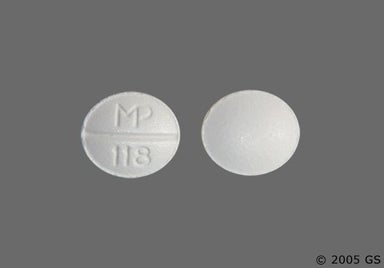
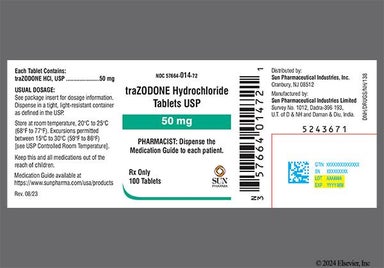
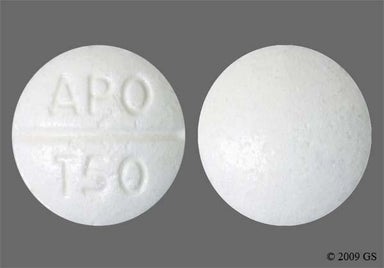
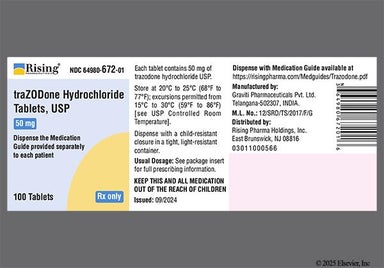
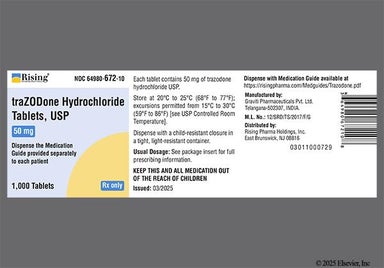
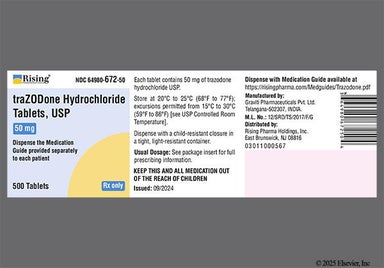
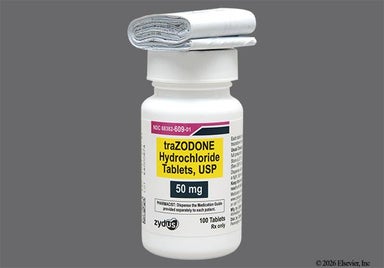
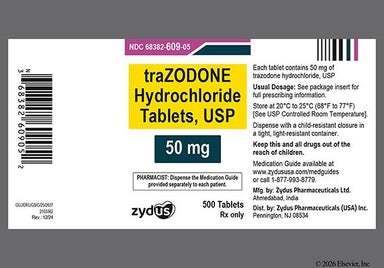
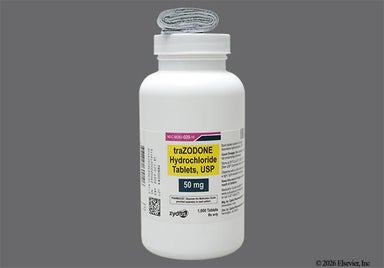
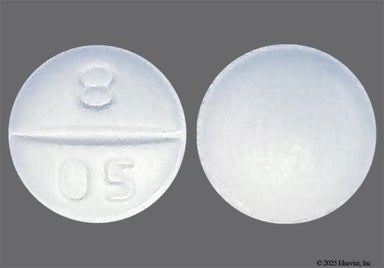
 Tablet
| Dosage | Quantity | Price as low as | Price per unit |
|---|---|---|---|
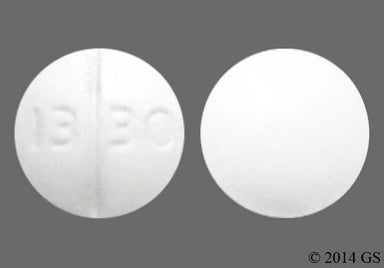
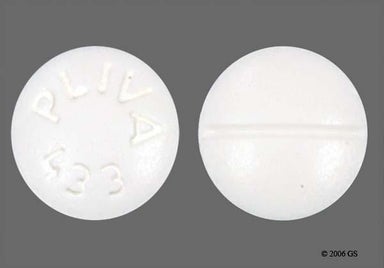
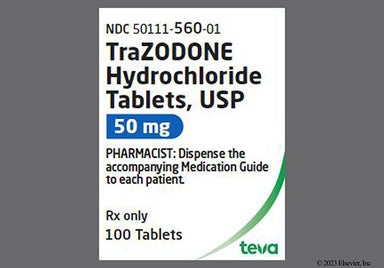
| 50mg | 30 tablets | $9.00 | $0.30 |
| 100mg | 30 tablets | $9.00 | $0.30 |
| 150mg | 30 tablets | $9.00 | $0.30 |
| 300mg | 30 tablets | $29.88 | $1.00 |
The vet will determine the dose of trazodone for your pet based on different factors, like what species they are and how much they weigh.
Examples for trazodone dosing are included below.
Cats
Dogs
Note: Trazodone is commercially available as tablets. But in some cases, the vet will prescribe trazodone as a compounded liquid so that you can measure the dose for your pet more precisely.

Although certain medicines should not be used together at all, in other cases two different medicines may be used together even if an interaction might occur. In these cases, your doctor may want to change the dose, or other precautions may be necessary. When you are taking this medicine, it is especially important that your healthcare professional know if you are taking any of the medicines listed below. The following interactions have been selected on the basis of their potential significance and are not necessarily all-inclusive.
Using this medicine with any of the following medicines is not recommended. Your doctor may decide not to treat you with this medication or change some of the other medicines you take.
Using this medicine with any of the following medicines is usually not recommended, but may be required in some cases. If both medicines are prescribed together, your doctor may change the dose or how often you use one or both of the medicines.
Using this medicine with any of the following medicines may cause an increased risk of certain side effects, but using both drugs may be the best treatment for you. If both medicines are prescribed together, your doctor may change the dose or how often you use one or both of the medicines.


Contraindications are specific health conditions or situations in which a pet should not take a medication due to safety concerns. If your pet has any of the following conditions or if any of the following apply to your pet, let your veterinarian know because Trazodone will not be safe for your pet to take.










Prescription savings
Stop paying too much for your prescriptions. Compare prices, get pharmacy coupons, and save up to 80%.Resources
About GoodRx
 Find expert answers to your health questions so you can make the best decisions for yourself and your family.
Health conditions
Medications & treatment
Access & affordability
Well-being
Medication discounts

If your veterinarian prescribes Trazodone for your dog, it could be the same Trazodone that’s usually given to people. Currently, there are no commercially available forms of Trazodone that are specifically FDA approved for dogs. So this means that Trazodone typically for people gets prescribed off-label for your dog. But never give this medication to a dog unless directed by the veterinarian because the dose for dogs and people aren’t the same.
Trazodone is generally safe for most dogs if it’s taken as prescribed by a vet. It’s a good idea to check with your vet to make sure. This medication can cause some mild side effects, like sleepiness or nausea. But call your vet if your dog has more serious side effects, like agitation or vomiting, so they can talk with you about the next steps. Also, tell your vet about other medications that your dog is taking so they can check for possibly dangerous interactions. Certain medications, like selective serotonin reuptake inhibitors (SSRIs), monoamine oxidase inhibitors (MAOIs), and flea collars containing amitraz, can raise the risk for serotonin syndrome if they’re taken with Trazodone. This is a rare but serious side effect that can lead to seizures and coma. Ask your vet if you have specific safety concerns about Trazodone for your dog.
Dogs might start to feel calmer about an hour after they take Trazodone before a stressful situation, like a vet visit or fireworks. If your dog is taking Trazodone long term to treat behavior problems like separation anxiety, it might take several weeks before you see a more noticeable change in their behavior. Talk with your vet if you have more questions about what to expect after your dog takes Trazodone.
Talk with your veterinarian about whether Trazodone is safe for your cat. Most cats can take the medication without any serious problems. Some cats might get sleepy and others might have nausea or diarrhea after they take it. These side effects are usually mild. But if they become severe, let your vet know. Also, tell your vet about all the medications that your cat takes because Trazodone can have serious drug interactions. For example, giving it together with selective serotonin reuptake inhibitors (SSRIs) like fluoxetine can raise the risk for your cat to have a rare but deadly reaction called serotonin syndrome. Speak with your vet if you have more safety concerns about Trazodone for cats.
Trazodone and gabapentin are both medications FDA approved for people that veterinarians sometimes prescribe off-label to treat anxiety in dogs. But these two medications work in different ways. Trazodone eases anxiety by changing the levels of serotonin in the brain. Gabapentin works by changing the way nerve cells in the brain send out signals related to anxiety. Sometimes, vets might prescribe both medications at the same time if either medication alone isn’t enough to ease anxious behavior.
Yes, you can give Trazodone and gabapentin to your cat if they’re prescribed by the veterinarian. Both medications can help ease anxiety in cats. Keep in mind that giving your cat both medications at the same time will make them more likely to have side effects like sleepiness. Let your vet know if your cat gets too sleepy or has other worrisome side effects. Your vet can talk to you about other options to manage your cat’s anxiety.
Trazodone can make your dog sleepy, which might also help calm them. How long this effect lasts can differ based on certain things, like your dog’s size and dosage. A study showed that the medication had a calming effect on some dogs for at least 4 hours. Keep in mind that your dog might look drowsy or sleepy. But depending on the dose, they might not be asleep the entire time. Talk with your vet if you have more questions on how Trazodone might affect your dog.
Let your vet know if your cat or dog is pregnant and they’re prescribed to take Trazodone. More research is needed to understand whether this medication is safe for pregnant cats and dogs. Your vet can talk with you about the risks and benefits of giving this medication to your pet.
