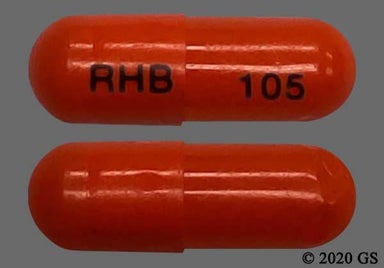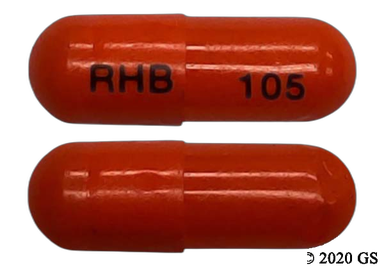
Talicia
Talicia is an all-in-one combination medication made up of three ingredients: omeprazole, amoxicillin, and rifabutin. It consists of a proton pump inhibitor (PPI) and two types of antibiotics, all of which are used to treat adults with a stomach infection caused by a bacteria called H. pylori. Omeprazole lowers the amount of stomach acid, allowing the antibiotics to work better and kill the bacteria. The medication is taken by mouth three times a day for 14 days. Common side effects include diarrhea, nausea, headache, and stomach pain.


What is Talicia?
What is Talicia used for?
- Helicobacter pylori (H. pylori) stomach infection in adults
How Talicia works
Talicia is a combination of three medications that treat stomach infections caused by the bacteria Helicobacter pylori (H. pylori).
- Omeprazole is a proton pump inhibitor (PPI). It lowers the amount of acid in your stomach by blocking stomach acid production. This makes your stomach less acidic, which helps the antibiotics work better.
- Amoxicillin is a penicillin antibiotic. It kills bacteria by preventing them from making an outer covering that protects them from harm.
- Rifabutin is a rifamycin antibiotic. It kills bacteria by blocking an enzyme (protein) they need to eventually make their own proteins, so they can't grow and spread.
Drug facts
| Common Brands | Talicia |
|---|---|
| Drug Class | PPI / Penicillin antibiotic / Rifamycin antibiotic |
| Controlled Substance Classification | Not a controlled medication |
| Generic Status | No lower-cost generic available |
| Availability | Prescription only |

Side effects of Talicia
The following side effects may get better over time as your body gets used to the medication. Let your healthcare provider know immediately if you continue to experience these symptoms or if they worsen over time.
Common Side Effects
- Headache (8-16%)
- Diarrhea (10-14%)
- Urine discoloration (13%)
Less Common Side Effects
- Rash
- Nausea
- Stomach pain
- Heartburn
- Vomiting
- Throat pain
- Vaginal yeast infection
Talicia serious side effects
Contact your healthcare provider immediately if you experience any of the following.
- Serious allergic reaction: trouble breathing, swelling of your face or tongue, swelling in your arms and legs, severe rash or hives, chest pain or tightness, racing heart, dizziness or fainting
- Severe skin reaction: rash, blistering or peeling of skin, hives, fever, painful sores in your mouth or around your eyes
- Severe gut-related reaction: vomiting, paleness, tiredness, low blood pressure, diarrhea
- Infections diarrhea (C. difficile-related diarrhea): loose and watery stools, severe stomach pain or cramps, fever, nausea
- Sudden kidney problems: blood in the urine, changes in how much you urinate, nausea, fever, confusion
The following Talicia side effects have also been reported
Side effects that you should report to your care team as soon as possible:
- Allergic reactions—skin rash, itching, hives, swelling of the face, lips, tongue, or throat
- Kidney injury—decrease in the amount of urine, swelling of the ankles, hands, or feet
- Lupus-like syndrome—joint pain, swelling, or stiffness, butterfly-shaped rash on the face, rashes that get worse in the sun, fever, unusual weakness or fatigue
- Rash, fever, and swollen lymph nodes
- Redness, blistering, peeling, or loosening of the skin, including inside the mouth
- Severe diarrhea, fever
- Severe or prolonged vomiting or diarrhea
- Unusual vaginal discharge, itching, or odor
Side effects that usually do not require medical attention (report these to your care team if they continue or are bothersome):

Pros and cons of Talicia
Pros
- Combines three medications into one capsule
- Only needs to be taken for 14 days
- Good choice for those who have developed resistance to other antibiotics used to treat H. Pylori
Cons
- Can't be used if you have a penicillin allergy because it contains amoxicillin
- Interacts with several medications and herbal supplements
- Can change the color of your skin and body fluids, and stain your contact lenses

Pharmacist tips for Talicia

- A single capsule of Talicia contains 3 different medications. Take your dose (4 capsules at a time) three times a day (at least 4 hours apart) with food and a full glass of water.
- Talicia should be swallowed whole. Don't crush, chew, or open the capsules because doing so affects how the medication works.
- If you miss a dose of Talicia and the next dose is not within 4 hours, take the missed dose as soon as you can. But, if the next dose is due within 4 hours, still take the missed dose right away but delay the upcoming dose to make sure there are at least 4 hours between the two doses.
- Make sure you complete the entire 14-day course even if you start to feel better. Skipping doses or stopping the medication earlier can make Talicia not work as well. This also allows the bacteria to become resistant to the medication, making your infection harder to treat.
- Contact your prescriber you develop severe diarrhea with symptoms such as stomach cramps, fever, and tiredness. This might be a symptom of infectious diarrhea – a rare, but serious side effect of Talicia that needs immediate medical attention. Keep in mind that it's possible for infectious diarrhea to develop a few months after treatment ends.
- Rifabutin (one of the medications in Talicia) can cause your skin and body fluids (urine, stool, sweat, spit, tears) to turn brownish-orange. It can also permanently stain soft contact lenses. Although this generally goes away after you finish treatment, let your prescriber know if it becomes bothersome.
- Talicia interacts with many medications. It's important to tell your prescriber and pharmacist about all the medications you are taking, to avoid any serious interactions. They might have to make the appropriate adjustments.
- If you're taking hormonal birth control pills, Talicia can make them not work as well. You’ll need to use a backup method of birth control while taking this medication, like a condom or vaginal diaphragm, to prevent an unwanted pregnancy.
- Talicia is generally not recommended in pregnancy. There's not enough information about how the medication can affect your unborn baby. Animal studies suggest that it can lead to birth defects. If you're pregnant or think you might become pregnant, talk to your prescriber before taking this medication.
- It's not known whether Talicia can affect your breastfed baby. Studies show that amoxicillin and omeprazole (two medications in Talicia) can pass into human breast milk. If you’re breastfeeding, talk to your prescriber about the risks and benefits of taking this medication.

Risks and warnings for Talicia
Talicia can cause some serious health issues. This risk may be even higher for certain groups. If this worries you, talk to your doctor or pharmacist about other options.
Severe allergic reactions
- Risk factors: History of allergy or sensitivity to omeprazole, amoxicillin (other penicillins or cephalosporin antibiotics), or rifabutin
Talicia can cause severe allergic reactions, some of which are life-threatening (e.g., anaphylaxis). Your risk is higher if you have had a previous reaction to any of the three medications in Talicia. Your risk might also be higher if you have a history of sensitivity to penicillin or cephalosporin antibiotics. If you experience difficulty breathing, swelling of your face or tongue, swelling in your arms and legs, severe rash or hives, or chest pain or tightness, stop taking Talicia and get medical help right away.
Severe skin rash
Talicia can cause severe skin reactions, such as Stevens-Johnson syndrome (SJS) or toxic epidermal necrolysis (TEN). Symptoms of these skin reactions include fever, body aches, cough, peeling skin, and painful blisters all over your body (especially the skin around the eyes, mouth, throat, or genitals). Stop the medication and get medical help right away if you experience these symptoms.
Severe gut-related reaction
- Risk factors: Amoxicillin use | Children
Taking amoxicillin (one of the medications in Talicia) can cause a severe gut-related reaction called drug-induced enterocolitis syndrome (DIES), especially in children. Forceful vomiting happens 1 to 4 hours after taking the medication. Symptoms like paleness, tiredness, low blood pressure, and diarrhea could also occur within one day of taking a dose. Stop the medication and get medical help right away if you experience these symptoms.
Infectious diarrhea
- Risk factors: Use of antibiotics within the past two months | Recent PPI use
Talicia can put you at a higher risk for getting Clostridioides difficile (C. difficile)-associated diarrhea (CDAD), a life-threatening side effect. Like many other bacteria, C. difficile naturally lives in your gut. These bacteria normally don’t cause any problems. But taking Talicia or other antibiotics or PPIs can cause certain bacteria to grow out of control. When C. difficile grows out of control, it can cause infectious diarrhea.
Before starting Talicia, let your prescriber know if you’ve taken any other antibiotics within the past 2 months. Stop taking Talicia and contact your prescriber right away if you experience bloody or watery stool, severe stomach pain or cramps, fever, or nausea.
Kidney damage
- Risk factors: Recent penicillin antibiotic use | PPI use
Talicia can cause a kidney problem called acute tubulointerstitial nephritis. This can occur at any time during treatment. It's normally due to an allergy to PPIs or penicillin antibiotics like amoxicillin, which are both medications in Talicia. If you notice signs of an allergic reaction, blood in the urine, changes in how much you urinate, nausea, fever, or confusion, stop taking Talicia and contact your provider immediately.
Interactions with other medications
Talicia can interact with many medications. For example, taking fluconazole (Diflucan) and itraconazole (Sporanox) can raise the amount of Talicia in your body. This can cause a higher risk of side effects. And taking supplements, such as St. John's Wort, can cause Talicia to not to work as well.
Tell your prescriber about all of the medications you're taking before you start Talicia. Your prescriber can check to see whether you need any dose adjustments to any of your medications or whether you need to stop taking any of them while you take Talicia. Don't start any new medications without talking to your care team first so they can make sure that all your medications are safe for you to take together.
Lupus
- Risk factors: PPI use
Taking PPIs like omeprazole (one of the medications in Talicia) can cause or worsen symptoms linked to lupus. Lupus is a condition where your body’s immune system attacks itself. If you start developing a butterfly-like rash on your face, tiredness, joint pain or swelling, or skin lesions, contact your prescriber and stop taking Talicia.
Swelling in the eye
Although rare, the rifabutin component of Talicia has been shown to cause swelling in the eye (uveitis) if taken with macrolide antibiotics or fluconazole (Diflucan). Make sure you let your prescriber know if you start to have blurry vision or worsening eyesight. You might need an eye exam or have to stop taking Talicia.

Talicia dosage
 Capsule
| Dosage | Quantity | Price as low as | Price per unit |
|---|---|---|---|
| 10mg/250mg/12.5mg | 168 capsules | $832.38 | $4.95 |

How much does Talicia cost?
$832.38

Talicia contraindications
Contraindications are specific health conditions or situations in which a person should not take a medication due to safety concerns. If you have any of the following conditions or if any of the following apply to you, let your healthcare provider know because Talicia will not be safe for you to take.
- Allergy to amoxicillin (or other medications in the penicillin or cephalosporin family), omeprazole or other PPIs, or rifabutin or other rifamycin antibiotics
- Taking rilpivirine (Edurant)
- Taking Rescriptor (delavirdine)
- Taking voriconazole (Vfend)

What are alternatives to Talicia?

Talicia images