




Methocarbamol Dosages: Your GoodRx Guide
Methocarbamol is a muscle relaxer that’s used for short-term treatment of muscle pain. Read about recommended methocarbamol dosages and more.
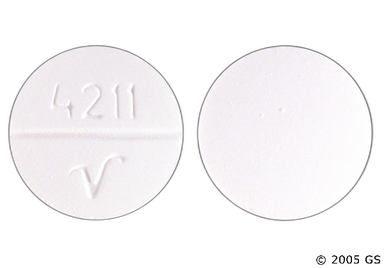
Methocarbamol (Robaxin) is a muscle relaxer. It's used to treat muscle pain and discomfort, like back pain, in people ages 16 years and older. It works best when used along with non-medication treatments, such as rest and physical therapy. Methocarbamol is taken by mouth, typically 3 or 4 times daily. It's also available as an injection that's given into the muscles or through the veins, typically in a hospital setting. Side effects of methocarbamol include dizziness, drowsiness, and blurry vision.

Methocarbamol is a muscle relaxant. The way it works isn't well-understood. Some research suggests it works by relaxing the nerves that make your muscles tighten or cramp up. But other research suggests it relaxes the muscles directly.
| Common Brands | Robaxin |
|---|---|
| Drug Class | Muscle relaxant |
| Controlled Substance Classification | Not a controlled medication |
| Generic Status | Lower-cost generic available |
| Availability | Prescription only |

The following side effects may get better over time as your body gets used to the medication. Let your healthcare provider know immediately if you continue to experience these symptoms or if they worsen over time.
Along with its needed effects, a medicine may cause some unwanted effects. Although not all of these side effects may occur, if they do occur they may need medical attention.
Check with your doctor immediately if any of the following side effects occur:
Incidence not known
Black, tarry stools
changes in skin color
chest pain or discomfort
chills
clay-colored stools
dark urine
difficulty in swallowing
dizziness
fast heartbeat
feeling of warmth
headache
joint or muscle pain
large, hive-like swelling on the face, eyelids, lips, tongue, throat, hands, legs, feet, or sex organs
lightheadedness, dizziness, or fainting
loss of appetite
loss of bladder control
loss or problems with memory
numbness or tingling of face, hands, or feet
pain, tenderness, or swelling of foot or leg
painful or difficult urination
puffiness or swelling of the eyelids or around the eyes, face, lips, or tongue
redness and soreness of the eyes
redness of the face, neck, arms, and occasionally, upper chest
skin rash
sleepiness
slow or irregular heartbeat
sores, ulcers, or white spots on the lips or in the mouth
stomach pain
sweating
swollen glands
tightness in the chest
total body jerking
unpleasant breath odor
unusual bleeding or bruising
unusual tiredness or weakness
vomiting of blood
yellow eyes or skin
Get emergency help immediately if any of the following symptoms of overdose occur:
Symptoms of Overdose
Loss of consciousness
shaking or jerking of one area or side of the body
Some side effects may occur that usually do not need medical attention. These side effects may go away during treatment as your body adjusts to the medicine. Also, your health care professional may be able to tell you about ways to prevent or reduce some of these side effects. Check with your health care professional if any of the following side effects continue or are bothersome or if you have any questions about them:
Other side effects not listed may also occur in some patients. If you notice any other effects, check with your healthcare professional.
Call your doctor for medical advice about side effects. You may report side effects to the FDA at 1-800-FDA-1088.




Methocarbamol can cause some serious health issues. This risk may be even higher for certain groups. If this worries you, talk to your doctor or pharmacist about other options.
Taking methocarbamol can make you feel sleepy and affect your concentration and focus. This effect is more likely to happen if you're over 65 years old or take other medications that cause drowsiness. Don't drink alcohol while taking methocarbamol. Avoid activities that require you to be alert, like driving or operating machinery, until you know how the medication affects you.
Let your prescriber know if you take other medications that cause dizziness or drowsiness, such as opioids, benzodiazepines, or sleep aids. Methocarbamol can cause life-threatening drowsiness or trouble breathing when combined with these other medications.

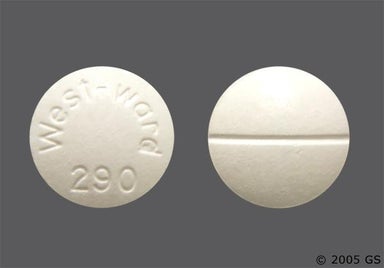
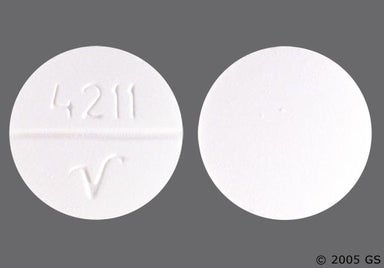
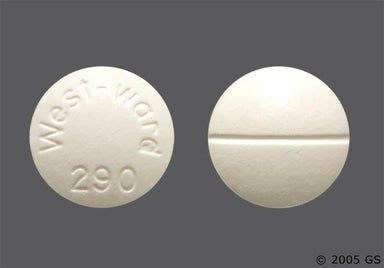
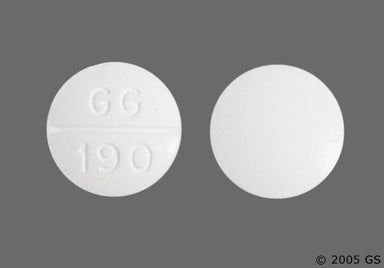
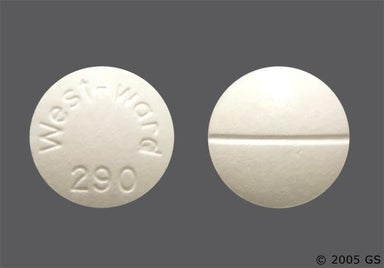
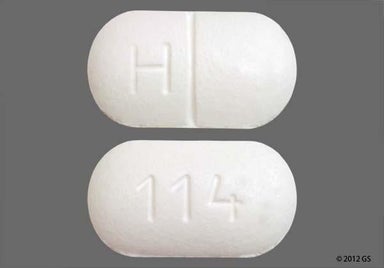
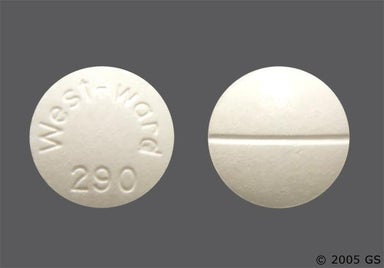
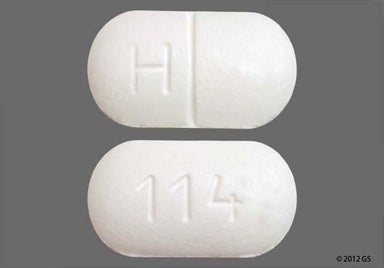
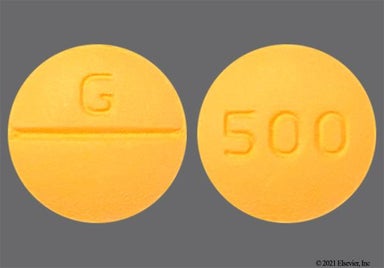
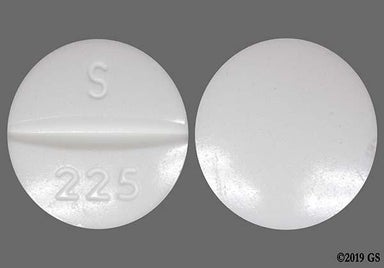
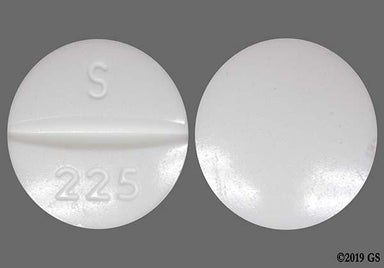
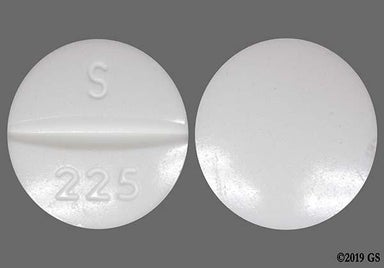
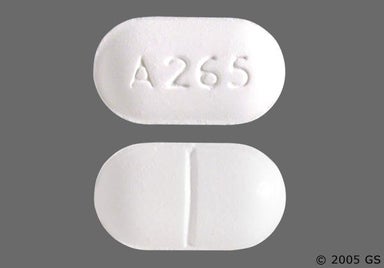
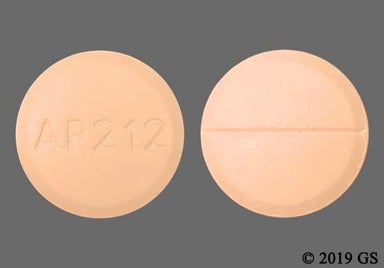
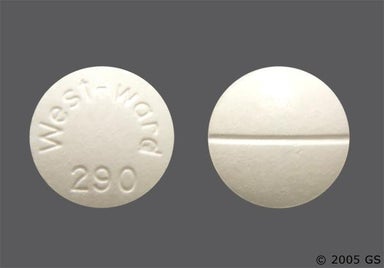
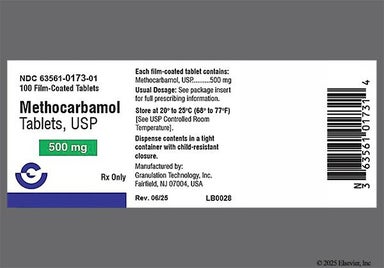
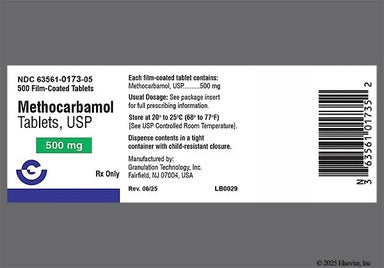
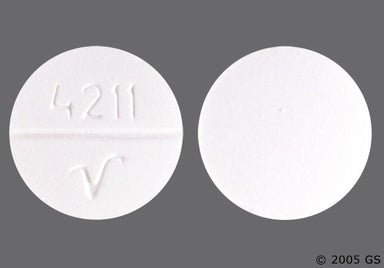
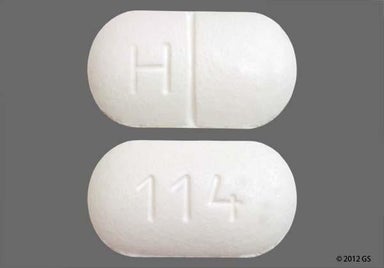
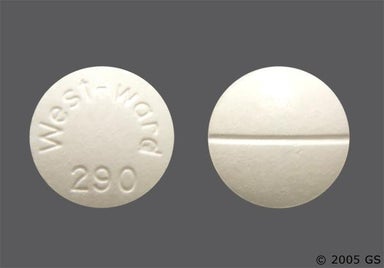
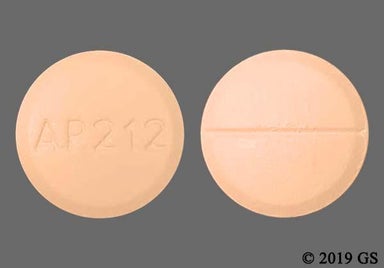
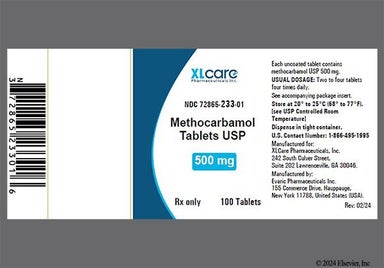
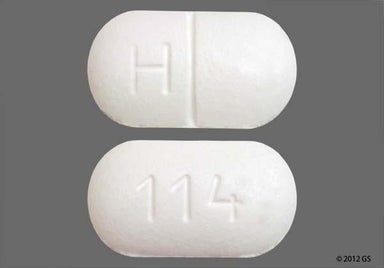
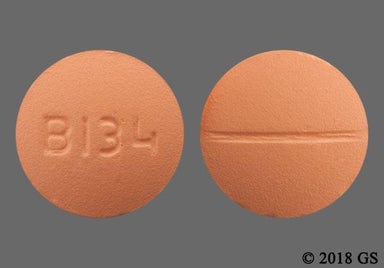
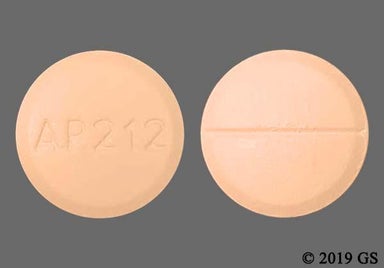
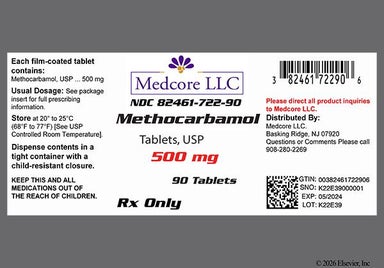
 Tablet
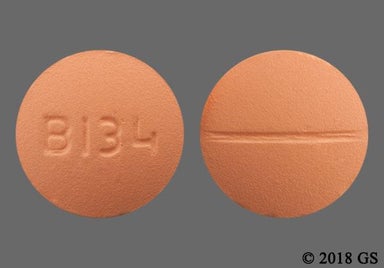
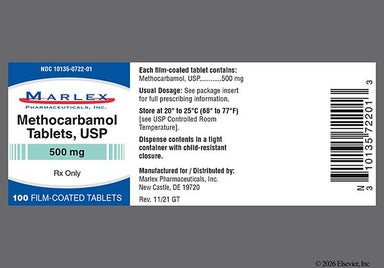
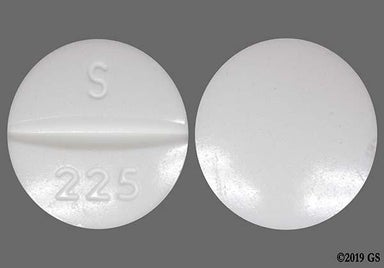
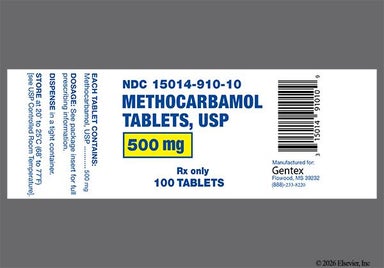
| Dosage | Quantity | Price as low as | Price per unit |
|---|---|---|---|
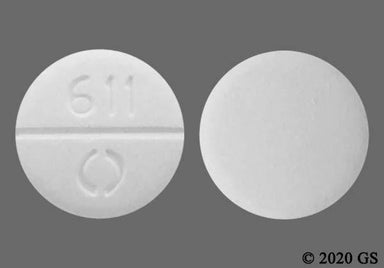
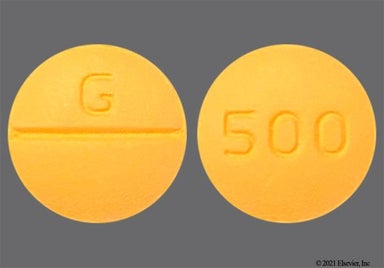
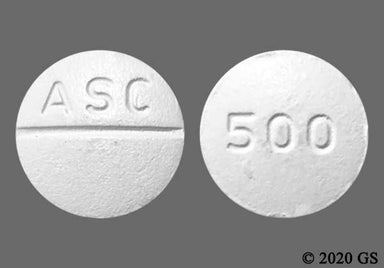
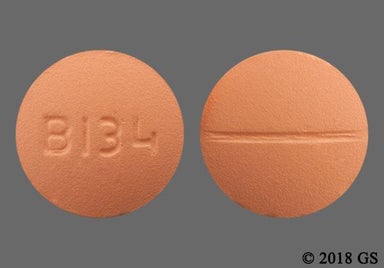
| 500mg | 30 tablets | $10.36 | $0.35 |
| 750mg | 30 tablets | $10.51 | $0.35 |
| 1000mg | 30 tablets | $224.38 | $7.48 |
People ages 16 years and older: The typical starting dose is 1,500 mg by mouth four times a day for 2 to 3 days. After that, your healthcare team might adjust your dose of methocarbamol to a lower maintenance dose. The typical maintenance dose is 4,000 mg daily total, split into smaller doses and taken by mouth three to four times a day.
Methocarbamol (Robaxin) is also available as an injection given through the veins or into the muscle by a trained healthcare professional.

GoodRx has partnered with to provide reviews on the different aspects of Methocarbamol.
Learn more about the effectiveness of Methocarbamol based on real life experiences.
Based on 68 people taking this medication
3.5
2.7
3.8
3.8
3.8
3.8
Severity of side effects
Based on 229 people taking this medication
0%
50%
100%
Drowsiness
8%
Nausea
4%
Dizziness
3%
Sleepiness
3%
Fatigue
3%
Reasons people stopped taking Methocarbamol
Based on 212 people who have taken this medication
Did not seem to work
39%
Doctor's advice
21%
Other
13%
Course of treatment ended
12%
Side effects too severe
10%
Change in health plan coverage
3%
Personal research
3%
Expense
2%
How long people take Methocarbamol
Based on 475 people who have taken this medication
0%
50%
100%

Although certain medicines should not be used together at all, in other cases two different medicines may be used together even if an interaction might occur. In these cases, your doctor may want to change the dose, or other precautions may be necessary. When you are taking this medicine, it is especially important that your healthcare professional know if you are taking any of the medicines listed below. The following interactions have been selected on the basis of their potential significance and are not necessarily all-inclusive.
Using this medicine with any of the following medicines is usually not recommended, but may be required in some cases. If both medicines are prescribed together, your doctor may change the dose or how often you use one or both of the medicines.


Contraindications are specific health conditions or situations in which a person should not take a medication due to safety concerns. If you have any of the following conditions or if any of the following apply to you, let your healthcare provider know because Methocarbamol will not be safe for you to take.










Prescription savings
Stop paying too much for your prescriptions. Compare prices, get pharmacy coupons, and save up to 80%. Find expert answers to your health questions so you can make the best decisions for yourself and your family.
Health conditions
Medications & treatment
Access & affordability
Medication discounts


Research on how well Methocarbamol works as a muscle relaxer showed mixed results. Guidelines from the American College of Physicians (ACP) don't recommend one muscle relaxer over any other for lower back pain. And muscle relaxers, like Methocarbamol, aren't recommended at all for muscle pain that doesn't involve the lower back. In general, Methocarbamol isn't a first-choice option for muscle pain. Usually, your healthcare team will ask you to try non-medication options first, such as exercise or physical therapy, before having you consider medication options. Talk with your care team if you've more questions about how well Methocarbamol works.
Yes, Methocarbamol can make you sleepy. But Methocarbamol is less likely to cause sleepiness compared to some other muscle relaxers. Drowsiness can affect your ability to focus, think, or react. Don't drive or do anything requiring your full attention, especially during the first few days following treatment or a change in your dose, until you know how this medication affects you.
People who take Methocarbamol don't typically report constipation as a side effect. But constipation is a common side effect with some other muscle relaxers, like cyclobenzaprine (Flexeril) and baclofen. To lower the risk of constipation, it's important to drink enough water and eat fiber-rich foods.
It typically takes about 30 minutes to start to feel muscle pain relief from Methocarbamol. The effects should last about 6 or 7 hours.
Methocarbamol doesn't have known interactions with acetaminophen (Tylenol) or ibuprofen (Advil, Motrin). But these medications might not be safe options for everyone, depending on what health conditions you have. For example, ibuprofen (Advil, Motrin) might not be appropriate for people with heart risks or kidney problems, and acetaminophen (Tylenol) might not be safe for people with liver problems. Before taking other pain medications with Methocarbamol, check with your healthcare team.
No, Methocarbamol isn't habit-forming and doesn't have a risk of addiction.
No, Methocarbamol isn't a controlled substance because it doesn't have a risk of misuse, dependence, or addiction.
