Used for Allergic Conjunctivitis, Allergic Rhinitis, Anaphylaxis, Motion Sickness, Nausea, Sedation, Skin Allergy
Used for Allergic Conjunctivitis, Allergic Rhinitis, Anaphylaxis, Motion Sickness, Nausea, Sedation, Skin Allergy
Promethazine is a prescription medication with many uses, such as treatment or prevention of nausea, motion sickness, and allergy symptoms. Promethazine
works by blocking several chemicals, including histamine, dopamine, and acetylcholine. It comes as tablets, an oral solution, rectal suppositories, and an injection. The dose of promethazine and how often you take it depends on your age and what medical condition you're taking it to treat. But it shouldn't be given to children younger than 2 years of age since it can cause serious breathing problems. Common side effects include sleepiness and dizziness.
When promethazine blocks histamine, it relieve symptoms of allergy, such as rash, watery eyes, and runny nose. It can also cause you to feel drowsy and calm before a surgery.
When promethazine blocks acetylcholine and dopamine, it helps to relieve symptoms of nausea, vomiting, and motion sickness.
The following side effects may get better over time as your body gets used to the medication. Let your healthcare provider know immediately if you continue to experience these symptoms or if they worsen over time.
Common Side Effects
Feeling drowsy or tired
Dizziness
Confusion
Dry mouth
Nervousness
Blurry vision
The following side effects are those additionally reported with promethazine injection at the injection site:
Burning
Pain
Rash
Swelling
Less Common Side Effects
Tremors
Nausea
Vomiting
Uncontrollable body movements
Feeling agitated
Changes in heart rate
Sensitivity to light
Hives
Nightmares
Trouble sleeping
Promethazine serious side effects
Contact your healthcare provider immediately if you experience any of the following.
Neuroleptic malignant syndrome (NMS): stiff muscles, high fever, sweating, changes in heartbeat, changes in heart rhythm, confusion
The following Promethazine side effects have also been reported
Along with its needed effects, a medicine may cause some unwanted effects. Although not all of these side effects may occur, if they do occur they may need medical attention.
Stop taking this medicine and get emergency help immediately if any of the following effects occur:
Rare
Symptoms of neuroleptic malignant syndrome; two or more occur together; most of these effects do not require emergency medical attention if they occur alone
pupils of eyes large and not moving or responding to light
redness of the face, neck, arms and occasionally, upper chest
shakiness and unsteady walk
sudden death
trouble concentrating
trouble sleeping
unconsciousness
unsteadiness, trembling, or other problems with muscle control or coordination
unusual paleness
Some side effects may occur that usually do not need medical attention. These side effects may go away during treatment as your body adjusts to the medicine. Also, your health care professional may be able to tell you about ways to prevent or reduce some of these side effects. Check with your health care professional if any of the following side effects continue or are bothersome or if you have any questions about them:
Incidence not known
blistering, crusting, irritation, itching, or reddening of skin
continuing ringing or buzzing or other unexplained noise in ears
Promethazine can cause you to sunburn more easily. To lower your risk, make sure to limit or avoid sun exposure during treatment with promethazine. Wear protective clothing when outside, even on overcast days.
Don't drive a car or operate machinery until you know how promethazine affects you. Avoid taking promethazine with alcohol since this combination can slow down your brain activity, which can lead to slow breathing and excessive sleepiness.
Promethazine might affect the results of certain lab tests, such as glucose or pregnancy tests. Talk with your prescriber if you have concerns about the results of any lab tests while using this medication.
Promethazine injection contains sulfite, which can cause allergic reactions, including shortness of breath, rash, and hives. Let your healthcare team know about your history of allergies before receiving promethazine.
If you're taking promethazine syrup, be sure to use a medication dose cup, spoon, or syringe to measure out your dose. Using household spoons might cause you to take the wrong amount of medication.
Risks and warnings for Promethazine
Promethazine can cause some serious health issues. This risk may be even higher for certain groups. If this worries you, talk to your doctor or pharmacist about other options.
Risk factors: Children under 2 years old | History of breathing problems (e.g., COPD, sleep apnea, asthma) | Taking other medications that slow down breathing
In rare cases, promethazine can significantly slow down breathing, which can be life-threatening. The risk is higher for children under 2 years old, people with a history of breathing problems, or if you're taking other medications that can cause breathing problems. For this reason, promethazine isn't recommended for children if they're under the age of 2. If you regularly take medications that can slow your breathing, discuss alternatives with your healthcare team as there might be safer options to treat your condition. If you notice you or your child has slow and shallow breathing, get medical attention right away.
Serious tissue injury (Injection only)
Risk factor: Injecting promethazine into an artery or under the skin
Promethazine injection can irritate your skin, causing burning, pain, rash, and swelling. In rare cases, promethazine can cause serious tissue injury, such as gangrene (dead tissue caused by not enough blood flow). Your risk of skin injury is higher if promethazine is injected into an artery or under the skin. This is why your healthcare professional typically will inject this medication into the muscle. If you recently received promethazine as an injection, watch your skin for any unusual change in color or darkening. If you experience skin burning, pain, redness, swelling, or a blackening of the skin, seek medical help right away.
Excessive sleepiness
Risk factors: Drinking alcohol | Taking other medications that cause drowsiness
Promethazine can make you feel very sleepy and affect your ability to think. The risk is higher if you drink alcohol or if you take medications that make you drowsy, such as opioids, sleep medications, or certain antidepressants. Don't drive a car or operate machinery right after using this medication. If you experience symptoms such as slurred speech, lightheadedness, confusion, dizziness, or excessive drowsiness, get medical attention right away.
Before taking promethazine, be sure to discuss all of your medical conditions with your primary care provider. Promethazine can make certain problems worse.
Seizures
Risk factors: Taking medications that make seizures more likely | History of seizures
Promethazine can cause people with a history of seizures to have more frequent episodes. Promethazine can also raise the risk of seizures in people who take medications that lower seizure threshold, such as tramadol (Ultram). If you have one of the risk factors, talk to your prescriber before using promethazine. Get medical attention right away if you have symptoms such as uncontrolled body movements, repeated eye blinking, tingling in your body, blurry vision, or feeling confused.
Higher risk of infection (from low white blood cell count)
Risk factor: Taking anticancer medications
In some rare cases, promethazine can lower your levels of white blood cells (WBCs). This is more likely to happen if you are going through chemotherapy or other anticancer treatments. WBCs are responsible for fighting infections in your body. Low levels of WBC can cause you to get sick more easily. Let a member of your healthcare team know if you have symptoms of an infection, such as fever, chills, or cough, and they'll let you know if you need more medical attention.
Risk of serious nerve problems (neuroleptic malignant syndrome)
Risk factor: Taking antipsychotic medications
Promethazine can cause a rare, but serious, medical condition called neuroleptic malignant syndrome (NMS). This condition happens when dopamine (a chemical in your body) is not transported correctly in the brain. Certain medications, such as antipsychotics, can raise your risk of NMS. If you take medications for your mental health, please talk with your prescriber before taking promethazine. Please get medical attention right away if you notice signs and symptoms such as high fever, fast heartbeat, rapid breathing, stiff muscle, excessive sweating, or confusion. Don't use promethazine if you have a history of NMS.
Uncontrollable body movements
Risk factors: Children who are sick and dehydrated | Taking a MAOI
Promethazine can cause involuntary muscle movements, including sticking out your tongue and twisting your neck. This risk is higher if you're taking MAOIs or if the medication is given to children who are sick and dehydrated (low fluids in the body). Notify your or your child's pediatrician right away if any of these symptoms develop while using promethazine.
Promethazine dosage
The average cost for 30 tablets of 25mg of Promethazine is $10.99 with a free GoodRx coupon. This is 32.82% off the average retail price of $16.36.
Adults and children 2 years and older: The typical dose is 25 mg by mouth once daily at bedtime. An alternative dosing is 6.25 mg to 12.5 mg by mouth up to three times daily.
Motion sickness
Adults: The typical dose is 25 mg by mouth 2 times daily. Take your dose 30 to 60 minutes before you travel, and repeat the dose 8 to 12 hours later if needed.
Children 2 years and older: The typical dose is 12.5 mg to 25 mg by mouth 2 times daily.
Nausea and vomiting
Adults: The typical dose is 12.5 mg to 25 mg by mouth every 4 to 6 hours as needed.
Children 2 years and older: Your child's pediatrician will determine the dose for your child based on their body weight. The typical dose is 0.5 mg/lb of body weight by mouth every 4-6 hours as needed.
"Light" sleep before or during a procedure
Adults: The typical dose is 25 mg to 50 mg by mouth once at bedtime the night before the procedure.
Children 2 years and older: The typical dose is 12.5 mg to 25 mg by mouth once at bedtime the night before the procedure.
Pain relief before and after surgery
Adults: Before surgery, the typical dose is 50 mg by mouth in combination with other pain medication(s). After surgery, the typical dose is 25 mg to 50 mg taken together with other pain medication(s).
Children 2 years and older: Your child's pediatrician will determine the dose for your child based on their body weight. The typical dose before surgery is 0.5 mg/lb of body weight, in combination with other pain medication(s). The typical dose after surgery is 12.5 mg to 25 mg by mouth taken together with other pain medication(s).
Promethazine injection is typically injected into the muscles or through the veins by a healthcare professional (HCP). Your HCP will determine the dose of promethazine based on your weight, the condition being treated, your response to the treatment, and your other health conditions.
Promethazine may interact with certain medications or supplements. Always let your doctor and pharmacist know about any other medications or supplements (including prescribed and over-the-counter medications, vitamins, and dietary or herbal supplements) that you are currently taking. The list below does not include all possible drug interactions with Promethazine. Please note that only the generic name of each medication is listed below.
Although certain medicines should not be used together at all, in other cases two different medicines may be used together even if an interaction might occur. In these cases, your doctor may want to change the dose, or other precautions may be necessary. When you are taking this medicine, it is especially important that your healthcare professional know if you are taking any of the medicines listed below. The following interactions have been selected on the basis of their potential significance and are not necessarily all-inclusive.
Using this medicine with any of the following medicines is not recommended. Your doctor may decide not to treat you with this medication or change some of the other medicines you take.
Using this medicine with any of the following medicines is usually not recommended, but may be required in some cases. If both medicines are prescribed together, your doctor may change the dose or how often you use one or both of the medicines.
Using this medicine with any of the following medicines may cause an increased risk of certain side effects, but using both drugs may be the best treatment for you. If both medicines are prescribed together, your doctor may change the dose or how often you use one or both of the medicines.
Contraindications are specific health conditions or situations in which a person should not take a medication due to safety concerns. If you have any of the following conditions or if any of the following apply to you, let your healthcare provider know because Promethazine will not be safe for you to take.
Children younger than 2 years old
People in a coma
Treatment of lower respiratory tract problems, such as asthma
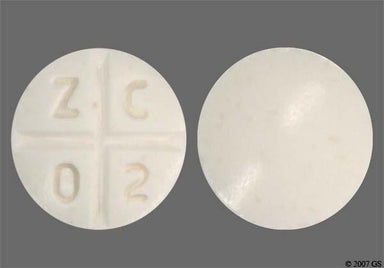
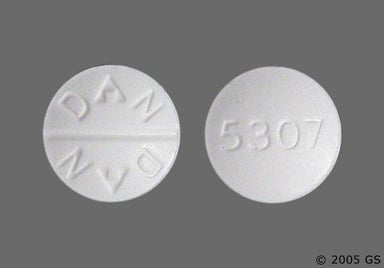
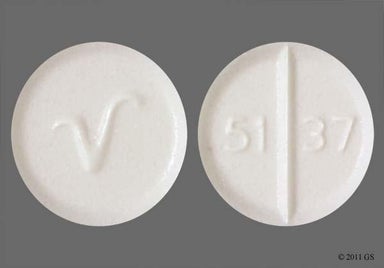
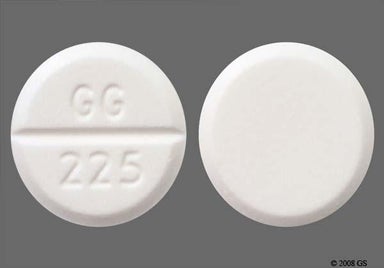
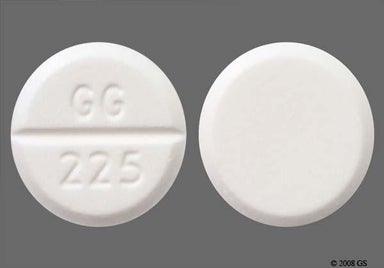
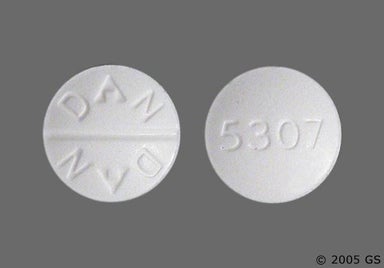
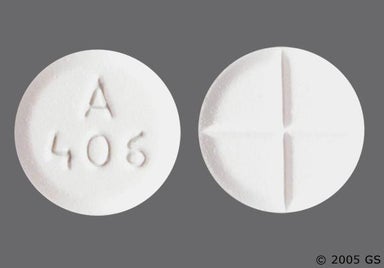
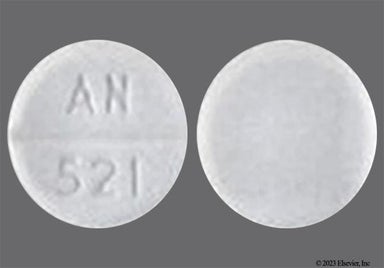
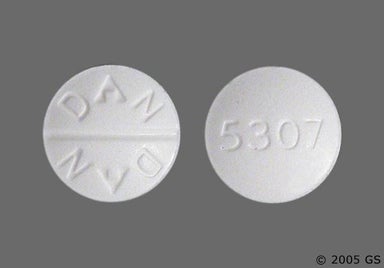
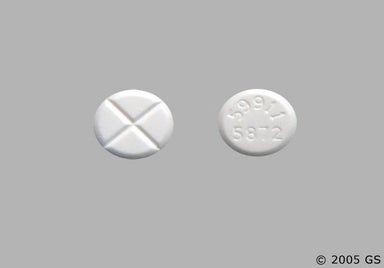
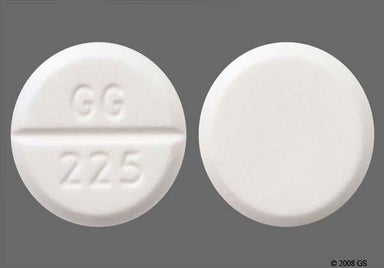
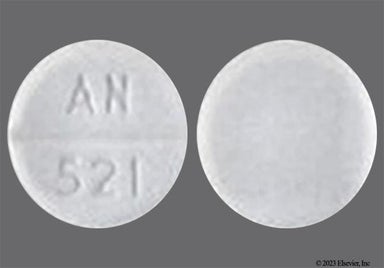
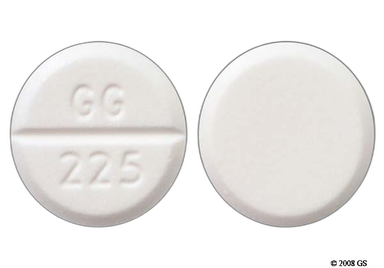
This medicine is White, Round, Multi-Segmented Tablet Imprinted With "Z C 0 2".White Round Z C 0 2 - Promethazine Hydrochloride 25mg TabletThis medicine is White, Round, Scored Tablet Imprinted With "Dan Dan", "5307".White Round DAN DAN - Promethazine Hydrochloride 25mg TabletThis medicine is White, Round, Scored Tablet Imprinted With "V", "51 37".White Round 51 37 - Promethazine Hydrochloride 25mg TabletThis medicine is White, Round, Scored Tablet Imprinted With "Gg 225".White Round GG 225 - Promethazine Hydrochloride 25mg TabletThis medicine is White, Round, Scored Tablet Imprinted With "An 521".White Round AN 521 - Promethazine Hydrochloride 25mg TabletThis medicine is White, Round, Scored Tablet Imprinted With "Gg 225".White Round GG 225 - Promethazine Hydrochloride 25mg TabletThis medicine is White, Round, Scored Tablet Imprinted With "Dan Dan", "5307".White Round DAN DAN - Promethazine Hydrochloride 25mg TabletThis medicine is White, Round, Scored Tablet Imprinted With "An 521".White Round AN 521 - Promethazine Hydrochloride 25mg TabletThis medicine is White, Round, Scored Tablet Imprinted With "An 521".White Round AN 521 - Promethazine Hydrochloride 25mg TabletThis medicine is White, Round, Multi-Segmented Tablet Imprinted With "Z C 0 2".White Round Z C 0 2 - Promethazine Hydrochloride 25mg TabletThis medicine is White, Round, Multi-Segmented Tablet Imprinted With "A406".White Round A406 - Promethazine Hydrochloride 25mg TabletThis medicine is White, Round, Scored Tablet Imprinted With "An 521".White Round AN 521 - Promethazine Hydrochloride 25mg TabletThis medicine is White, Round, Scored Tablet Imprinted With "Dan Dan", "5307".White Round DAN DAN - Promethazine Hydrochloride 25mg TabletThis medicine is White, Round, Scored Tablet Imprinted With "An 521".White Round AN 521 - Promethazine Hydrochloride 25mg TabletThis medicine is White, Round, Multi-Segmented Tablet Imprinted With "59911 5872".White Round 59911 5872 - Promethazine Hydrochloride 25mg TabletThis medicine is White, Round, Scored Tablet Imprinted With "Gg 225".White Round GG 225 - Promethazine Hydrochloride 25mg TabletThis medicine is White, Round, Scored Tablet Imprinted With "An 521".White Round AN 521 - Promethazine Hydrochloride 25mg TabletThis medicine is White, Round, Multi-Segmented Tablet Imprinted With "Z C 0 2".White Round Z C 0 2 - Promethazine Hydrochloride 25mg TabletThis medicine is White, Round, Multi-Segmented Tablet Imprinted With "Z C 0 2".White Round Z C 0 2 - Promethazine Hydrochloride 25mg TabletThis medicine is White, Round, Multi-Segmented Tablet Imprinted With "Z C 0 2".White Round Z C 0 2 - Promethazine Hydrochloride 25mg Tablet
GoodRx Health has strict sourcing policies and relies on primary sources such as medical organizations, governmental agencies, academic institutions, and peer-reviewed scientific journals. Learn more about how we ensure our content is accurate, thorough, and unbiased by reading our editorial guidelines.
Prescription savings
Stop paying too much for your prescriptions. Compare prices, get pharmacy coupons, and save up to 80%.
Plans start at $9.99/mo. (when paid yearly). Terms apply.
Common questions about Promethazine
Yes, Promethazine can make you sleepy, dizzy, and slow your thinking and movement. It's best to avoid driving or doing tasks that require you to be alert while using this medication. Don't drink alcohol with Promethazine since the combination can really slow down your brain activities, which can lead to extreme sleepiness, slow breathing, coma, or possible death.
No. Promethazine isn't a narcotic because it isn't an opioid.
No. Promethazine isn't a controlled substance because it doesn't have a risk of addiction or dependence.
Yes. Before taking Promethazine, check to make sure it isn't expired. The expiration date should be written on your bottle. If you're unsure, contact your pharmacy. Medications that have expired might not work as well to treat your condition.
You can expect Promethazine to start working within 20 minutes after taking a dose. If you feel that Promethazine isn't working well for you, speak to your prescriber.
By itself, Promethazine isn't typically used to treat cough. But it's available in combination with other medications that are sometimes prescribed for cough. Your primary care provider can help you find a treatment for your cough that's safe for you.





 In rare cases, promethazine can significantly slow down breathing, which can be life-threatening. The risk is higher for children under 2 years old, people with a history of breathing problems, or if you're taking other medications that can cause breathing problems. For this reason, promethazine isn't recommended for children if they're under the age of 2. If you regularly take medications that can slow your breathing, discuss alternatives with your healthcare team as there might be safer options to treat your condition. If you notice you or your child has slow and shallow breathing, get medical attention right away.