



How Does Prolia Work? Plus Answers to 8 More FAQs About This Osteoporosis Injection
Prolia (denosumab) is an injection that can treat osteoporosis. Learn how Prolia works, what you should know about side effects, and more.
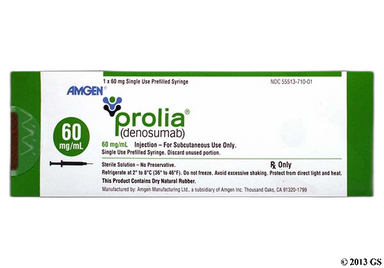
Prolia (denosumab) is an injection that's used to treat osteoporosis in adults at high risk of fracture. It's also for those at high risk of fractures from certain cancer medications. It works as a monoclonal antibody called a RANKL inhibitor to strengthen your bones. Prolia (denosumab) is a convenient option because you only need an injection every 6 months. It's injected under the skin by a healthcare professional at a medical office. Side effects include back and muscle pain. It also has a risk of causing dangerously low calcium levels.

Prolia (denosumab) is a monoclonal antibody known as a RANKL inhibitor. It works by blocking a protein in your body called RANK ligand (RANKL). This protein plays a role in breaking down your bones.
By blocking RANKL, Prolia (denosumab) helps strengthen your bones and prevent bone loss.
| Common Brands | Prolia |
|---|---|
| Drug Class | Monoclonal antibody |
| Controlled Substance Classification | Not a controlled medication |
| Generic Status | No lower-cost generic available |
| Availability | Prescription only |

The following side effects may get better over time as your body gets used to the medication. Let your healthcare provider know immediately if you continue to experience these symptoms or if they worsen over time.
Note: Side effects were reported by postmenopausal women with osteoporosis. Side effects and percentages might differ for other people with osteoporosis or bone loss.
Contact your healthcare provider immediately if you experience any of the following.
Along with its needed effects, a medicine may cause some unwanted effects. Although not all of these side effects may occur, if they do occur they may need medical attention.
Check with your doctor or nurse immediately if any of the following side effects occur:
More common
Back pain
blistering, crusting, irritation, itching, or reddening of the skin
bloody or cloudy urine
cracked, dry, or scaly skin
difficult, burning, or painful urination
frequent urge to urinate
muscle or bone pain
pain in the arms or legs
rash
skin rash, encrusted, scaly, and oozing
swelling
Less common
Arm or jaw pain
bloating or swelling of the face, arms, hands, lower legs, or feet
body aches or pain
chest pain or discomfort
chest tightness or heaviness
chills
confusion
congestion
difficulty with breathing
difficulty with moving
dryness or soreness of the throat
ear congestion
fast or irregular heartbeat
headache
hoarseness
joint pain
loss of voice
muscle cramps in the hands, arms, feet, legs, or face
muscle stiffness
numbness and tingling around the mouth, fingertips, hands, or feet
pain in the lower back, bottom, upper leg, or hips
painful blisters on the trunk of the body
pale skin
rapid weight gain
runny or stuffy nose
seizures
stomach cramps
swollen joints
tender, swollen glands in the neck
trouble swallowing
troubled breathing with exertion
unusual bleeding or bruising
unusual tiredness or weakness
unusual weight gain or loss
voice changes
Rare
Blood in the stool
change in bowel habits
clear or bloody discharge from the nipple
darkened urine
difficulty with eating
dimpling of the breast skin
indigestion
inverted nipple
itching, pain, redness, swelling, tenderness, or warmth on the skin
loss of appetite
lower back or side pain
lump in the breast or under the arm
lump or swelling in the abdomen or stomach
pains in the stomach, side, or abdomen, possibly radiating to the back
persistent crusting or scaling of the nipple
raised, firm, and bright red patches of the skin on the arm or leg
redness or swelling of the breast
sore on the skin of the breast that does not heal
stomach discomfort
unexplained weight loss
vomiting
yellow eyes or skin
Incidence not known
Heavy feeling in the jaw
loose teeth
pain, swelling, or numbness in the mouth or jaw
Some side effects may occur that usually do not need medical attention. These side effects may go away during treatment as your body adjusts to the medicine. Also, your health care professional may be able to tell you about ways to prevent or reduce some of these side effects. Check with your health care professional if any of the following side effects continue or are bothersome or if you have any questions about them:
Less common
Dizziness or lightheadedness
excess air or gas in the stomach or bowels
feeling of constant movement of self or surroundings
feeling of fullness
lack or loss of strength
passing gas
redness, pain, itching, burning, swelling, or a lump under your skin where the shot was given
sensation of spinning
trouble sleeping
upper abdominal or stomach pain
Other side effects not listed may also occur in some patients. If you notice any other effects, check with your healthcare professional.
Call your doctor for medical advice about side effects. You may report side effects to the FDA at 1-800-FDA-1088.




Prolia (denosumab) can cause some serious health issues. This risk may be even higher for certain groups. If this worries you, talk to your doctor or pharmacist about other options.
 Prolia (denosumab) can cause your calcium levels to drop too low, which can be dangerous. This can sometimes last for weeks or even months. The risk is higher if you have serious kidney problems, especially with mineral and bone issues. It's also higher if you take medications that lower calcium levels, like diuretics.
 Before starting Prolia (denosumab), your prescriber might check your calcium levels. If they're too low, you'll need to get that treated first. Then after each Prolia (denosumab) injection, your prescriber will check your calcium and mineral levels within 2 weeks. They'll keep checking your calcium weekly for the first month after the injection, and then monthly.
It's important to take calcium and vitamin D supplements while taking Prolia (denosumab). This helps keep your calcium levels within a safe range. Tell your care team if you notice signs of very low calcium. Look out for confusion; muscle spasms or cramps; or numbness and tingling in the mouth, hands, and feet.
It's possible for people taking Prolia (denosumab) to have unusual fractures in the thigh bone. This can sometimes happen without any falls or injuries to the area. It's not clear if Prolia (denosumab) is the cause of the fractures. Watch for any new or unusual hip, thigh, or groin pain. The pain can feel dull or aching. If this happens, go to urgent care right away. The care team can check for any fractures.
When you stop taking Prolia (denosumab) or miss doses, your risk of breaking a bone goes up. This includes the risk of having spine fractures. Spine fractures can happen as early as 7 months after stopping the medication. To lower your risk, you'll need to start another medication for osteoporosis after you stop Prolia (denosumab).
Make sure your prescriber knows if you've ever fractured your spine. They can help you under the risks and benefits of taking Prolia (denosumab).
Some people taking Prolia (denosumab) have had serious infections. These can include skin, ear, stomach, bladder, or even heart infections (endocarditis). Sometimes, people had to get hospital care.
Your risk is higher if your immune system is weak. It's also higher if you take other medications that affect your immune system, like steroids and transplant medications.
Tell your prescriber if you have signs of an infection while taking Prolia (denosumab). Watch for fever, chills, cough, trouble breathing, red or swollen skin, serious stomach pain, or painful urination.
Although it's rare, some people taking Prolia (denosumab) have had a jawbone problem called osteonecrosis of the jaw (ONJ). This happens when the jawbone breaks down.
Talk to your prescriber about your risk of ONJ with Prolia (denosumab). It's more likely to happen if you've had dental work, poor mouth hygiene, gum problems, or wear dentures that don't fit. Your risk might also be higher if you have cancer, anemia, or blood-clotting problems. Additionally, it could be higher if you take steroids or get chemotherapy. Your prescriber might want you to get a dental exam before starting Prolia (denosumab).
To lower your risk of ONJ, practice good mouth hygiene. Brush and floss your teeth every day. And get dental exams when recommended. Be sure to tell your care team if you plan to have dental work while taking Prolia (denosumab). Also, let your dentist or oral surgeon know you take Prolia (denosumab). They can talk to you about the risks and benefits.
Call your prescriber or dentist right away if you have jaw pain, swelling, or drainage. These can be signs of ONJ.
Some people had a serious allergic or skin reaction while taking Prolia (denosumab). Get medical help if you have a serious rash, itching, or skin irritation. Also call 911 right away if you have swelling in your face or lips, trouble breathing, tight feeling in your throat, or other signs of anaphylaxis.
It's not common, but some people have had severe bone, muscle, or joint pain after starting Prolia (denosumab). This might happen anytime from a day to several months after you've begun treatment. Let your care team know if you have severe pain. They might consider other treatment options for you.
Don't take Prolia (denosumab) if you're also taking Xgeva (denosumab) for bone or calcium problems from cancer. These medications both contain denosumab. Taking both at the same time can raise your risk of side effects.

 Syringe
| Dosage | Quantity | Price as low as | Price per unit |
|---|---|---|---|
| 1ml of 60mg/ml | 1 syringe | $1,870.20 | $1,870.20 |
Prolia (denosumab) is an injection that's given to you by a trained healthcare professional at a medical office.
The typical recommended dose is 60 mg injected under the skin once every 6 months. It's injected either in your upper arm, upper thigh, or stomach.

Although certain medicines should not be used together at all, in other cases two different medicines may be used together even if an interaction might occur. In these cases, your doctor may want to change the dose, or other precautions may be necessary. When you are receiving this medicine, it is especially important that your healthcare professional know if you are taking any of the medicines listed below. The following interactions have been selected on the basis of their potential significance and are not necessarily all-inclusive.
Using this medicine with any of the following medicines is usually not recommended, but may be required in some cases. If both medicines are prescribed together, your doctor may change the dose or how often you use one or both of the medicines.


Contraindications are specific health conditions or situations in which a person should not take a medication due to safety concerns. If you have any of the following conditions or if any of the following apply to you, let your healthcare provider know because Prolia (denosumab) will not be safe for you to take.












Prescription savings
Stop paying too much for your prescriptions. Compare prices, get pharmacy coupons, and save up to 80%. Find expert answers to your health questions so you can make the best decisions for yourself and your family.
Health conditions
Medications & treatment
Access & affordability
 Our monthly healthcare membership can help you save thousands on your prescription costs.
Resources

It's not always clear when side effects from Prolia will start because everyone is different. Some people might feel mild pain in their back, arms, legs, muscles, or joints. Others might have more severe pain that can happen days or even months after the injection. There's also a rare risk of thigh bone fractures. This can feel like a dull ache in your hip, thigh, or groin lasting weeks or months. If you notice any new or unusual hip, thigh, or groin pain, call your care team to check it out. Also talk to your care team if you have other side effects that won't go away or bothers you a lot.
You'll get Prolia as an injection under the skin once every 6 months. A trained healthcare professional will help inject it usually at their clinic or office. It's injected into your upper arm, upper thigh, or stomach. Check with your prescriber about your options on how to get your Prolia injection.
No, Prolia isn't a bisphosphonate. It's a different type of medication called a monoclonal antibody. Both types can help treat osteoporosis, but they work in different ways. Bisphosphonates like alendronate (Fosamax) are usually the first choice. But your prescriber might choose Prolia instead if you have side effects you can't tolerate from bisphosphonates. Ask your prescriber which type of osteoporosis medication is right for you.
Based on current research, Prolia isn't known to cause cancer. Some people with cancer might need to take this medication. This includes women taking certain medications for breast cancer who are at high risk of fractures. It also includes men taking certain medications for prostate cancer with a high risk of breaking a bone. Prolia can help make their bones stronger and prevent fractures. Talk to your prescriber if you have other questions about this.
There are rare reports of people who had hair loss after starting Prolia. It's not clear whether this hair loss was caused by Prolia. More research is needed to explore about hair loss and this medication. If you notice any concerning hair loss while taking Prolia, let your care team know. They can help you figure out what's causing it.
You can keep taking Prolia as long as it helps your bones and doesn't cause serious side effects. You only need one Prolia injection every 6 months. It keeps working over time to make your bones stronger and lower your chance of fractures. Before deciding to stop Prolia, talk to your prescriber. They can help come up with a plan to keep your risk of fracture low. Ask your prescriber how long you should take Prolia.
Prolia and and Xgeva are both medications with the same active ingredient: denosumab. They're both injections given under the skin. But they can't be used in place of one another. This is because the medications treat different conditions and have different dosing. Prolia helps treat osteoporosis in certain people who are at high risk of fracture. It's given once every 6 months. But Xgeva is used to help with bone or calcium issues related to certain cancers, like multiple myeloma. It's given once a month at a higher dose than Prolia. You shouldn't take Prolia and Xgeva at the same time because it can raise your risk of side effects. Ask your prescriber if you have more questions about differences between these medications.
Prolia and Evenity (romosozumab) are both injections under the skin for osteoporosis. But they have some differences. Both can help postmenopausal women who have a high risk of fractures. But Prolia can also be used for men with osteoporosis, osteoporosis caused by steroid use, and people taking certain cancer medications. In addition, Prolia is given once every 6 months for as long as needed. Evenity is given once a month but only for up to 1 year. Evenity also has a rare risk of heart problems, so it might not be right for people with heart issues. Ask your prescriber to compare and see which is best for you.
