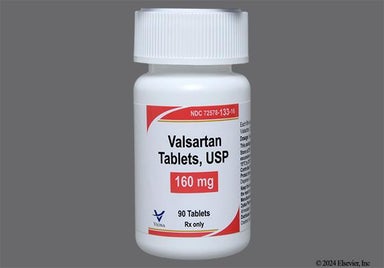


Valsartan Coupon - Valsartan 160mg tablet

valsartan

Generic Diovan
Used for Heart Attack, Heart Failure, Hypertension

Valsartan, also known by its brand name, Diovan, is an angiotensin II receptor blocker (ARB). It's used to treat high blood pressure in adults and children. It's also used to lower the risk of serious heart-related problems in adults with heart failure or in adults after a heart attack. Valsartan (Diovan) is available as a lower-cost generic and comes as a tablet and liquid. The dosage depends on your condition, but it's typically taken by mouth once or twice per day. Potential side effects of valsartan (Diovan) include dizziness and fatigue.

Reviewed by:Last reviewed on May 21, 2024
basics-icon

What is Valsartan (Diovan)?

What is Valsartan (Diovan) used for?

How Valsartan (Diovan) works

Valsartan (Diovan) is an angiotensin II receptor blocker (ARB). It lowers blood pressure by blocking angiotensin II, a hormone that's naturally found in the body.

Angiotensin II typically raises your blood pressure by squeezing the blood vessels. It also tells your body to release another hormone called aldosterone. Aldosterone raises the amount of water your body absorbs, which also raises your blood pressure.

Drug facts

Common BrandsDiovan
Drug ClassARB
Controlled Substance ClassificationNot a controlled medication
Generic StatusLower-cost generic available
AvailabilityPrescription only
side-effects-icon

Side effects of Valsartan (Diovan)

The following side effects may get better over time as your body gets used to the medication. Let your healthcare provider know immediately if you continue to experience these symptoms or if they worsen over time.

Common Side Effects

  • Dizziness (up to 8%)

Note: Side effects were reported by adults who took valsartan for high blood pressure.

Less Common Side Effects

  • Viral infection
  • Tiredness
  • Stomach pain
  • Cough

Valsartan (Diovan) serious side effects

Contact your healthcare provider immediately if you experience any of the following.

  • Serious kidney problems: urinating less often than usual, swelling in your feet, ankles, or hands, unexplained weight gain
  • High blood potassium levels: nausea, tiredness, chest pain, muscle weakness, tingling or numbness, pounding heart, nausea
  • Severely low blood pressure: lightheadedness, dizziness, feeling faint, tiredness, confusion
When do Valsartan (Diovan) possible side effects begin and end?
Time passed since treatment started:
H
D
W
M
Dizziness
Tiredness

Source: DailyMed

The following Valsartan (Diovan) side effects have also been reported

Along with its needed effects, a medicine may cause some unwanted effects. Although not all of these side effects may occur, if they do occur they may need medical attention.

Check with your doctor immediately if any of the following side effects occur:

Less common

Bloody urine

cold sweats

confusion

decreased frequency or amount of urine

difficult breathing

dizziness, faintness, or lightheadedness when getting up from a lying position

fainting

increased thirst

irregular heartbeat

loss of appetite

lower back or side pain

nausea

nervousness

numbness or tingling in the hands, feet, or lips

swelling of the face, fingers, or lower legs

unusual tiredness or weakness

vomiting

weakness of heaviness of the legs

weight gain

Rare

Chills

fever

hoarseness

sore throat

swelling of the mouth, hands, or feet

trouble with swallowing or breathing (sudden)

Incidence not known

Black, tarry stools

bleeding gums

blood in the urine or stools

dark urine

general tiredness and weakness

large, hive-like swelling on the face, eyelids, lips, tongue, throat, hands, legs, feet, or sex organs

light-colored stools

pinpoint red spots on the skin

redness, soreness, or itching skin

unusual bleeding or bruising

upper right abdominal or stomach pain

yellow eyes and skin

Some side effects may occur that usually do not need medical attention. These side effects may go away during treatment as your body adjusts to the medicine. Also, your health care professional may be able to tell you about ways to prevent or reduce some of these side effects. Check with your health care professional if any of the following side effects continue or are bothersome or if you have any questions about them:

Less common

Back pain

blurred vision

cold or flu-like symptoms

coughing

diarrhea

difficulty with moving

headache

muscle pain or stiffness

pain, swelling, or redness in the joints

stomach pain

Incidence not known

Hair loss

thinning of the hair

Other side effects not listed may also occur in some patients. If you notice any other effects, check with your healthcare professional.

Call your doctor for medical advice about side effects. You may report side effects to the FDA at 1-800-FDA-1088.

prices-container

Get your GoodRx coupon

Avg retail price
$54.71(Save 74.72%)
GoodRx discount
$13.83
See prices
pros-and-cons-icon

Pros and cons of Valsartan (Diovan)

Pros

Cons

pharmacist-tips-icon

Pharmacist tips for Valsartan (Diovan)

pharmacist
  • Make sure to mark your calendar with your appointments to see your primary care provider (PCP) or cardiologist and to get any blood work done when you take valsartan (Diovan). Your care team will order tests (e.g., potassium level, kidney function, blood pressure) during treatment and might change your dose of valsartan (Diovan) based on your lab results.
  • After starting valsartan (Diovan), you'll probably notice a drop in blood pressure within a week. But it can take several weeks to get the full blood pressure-lowering effect of the medication. Sometimes, your PCP or cardiologist might need to adjust your dose of valsartan (Diovan) to find a dose that works best for you. Continue taking valsartan (Diovan) as directed by your healthcare team.
  • If you're taking valsartan (Diovan) 4 mg/mL liquid, store the medication at room temperature. Make sure to only use a medication dose cup or oral syringe from the pharmacy to measure the dose. Don't use household spoons; they might not be accurate and using them can cause you to take the wrong dose of valsartan (Diovan).
  • While you're taking valsartan (Diovan), you're recommended to measure and record your blood pressure at home and bring a record to your medical appointments. This will help your PCP or cardiologist see how well the medication is working for you and guide any dose changes.
  • You can take valsartan (Diovan) with or without food. But nausea and upset stomach are common, so taking it with food might help prevent or ease these side effects.
  • You might feel dizzy when you start taking valsartan (Diovan), and when the dose is raised. This should get better over time as you continue taking the medication and your body gets used to your new blood pressure.
  • Take valsartan (Diovan) exactly as prescribed. Don't change your dose or stop taking it suddenly without talking to your primary care provider or cardiologist first. Otherwise, your blood pressure might rise quickly. Ask your prescriber about the safest way to stop valsartan (Diovan).
  • Make sure to tell your care team about all the medications you're taking before you start valsartan (Diovan). Also, don't start taking any new medications without talking to your care team first. Since valsartan (Diovan) can interact with other medications, it's best for your care team to check that all your medications are safe for you to take.
  • Don't take non-steroidal anti-inflammatory drugs (NSAIDs), such as ibuprofen (Advil, Motrin), while taking valsartan (Diovan) unless your prescriber specifically said it was safe for you to do so. This is because taking NSAIDs and valsartan (Diovan) together can cause or worsen kidney problems.
  • Valsartan (Diovan) can raise your potassium levels, which can be serious. Ask your PCP or cardiologist if you need to limit foods that are high in potassium. Make sure to tell your care team about all the medications you're taking to lower your risk. Contact your prescriber if you experience nausea, vomiting, or muscle weakness because these might be signs of high potassium levels.
  • It's important to eat healthy diet that's low in salt while you're taking valsartan (Diovan). Ask your care team to help you plan healthy meals, such as ones that include low-fat milk or yogurt, whole-grains, and vegetables.
  • If you're pregnant or thinking of getting pregnant, contact your PCP or cardiologist right away. Valsartan (Diovan) isn't safe to take during pregnancy, so you'll need to switch to a medication that's safer for your baby.
faq-icon

Common questions about Valsartan (Diovan)

A study found that people taking valsartan (Diovan) 80 mg or 160 mg per day saw their systolic blood pressure (the "top" number) drop by an average of 14 mmHg. In addition, they saw their diastolic blood pressure (the "bottom" number) drop by an average of 11 mmHg. But keep in mind that how much valsartan (Diovan) can lower blood pressure can depend on many factors, such as your dose, how long you've been taking valsartan (Diovan), and your race. Talk to your primary care provider or cardiologist if you're concerned with how well valsartan (Diovan) is working for you.

It'll depend on the side effect. Some common side effects like dizziness, fatigue, and headache, might get better over time as you continue to take the medication and your body gets used to your new blood pressure. But more serious side effects, like the risk for kidney problems, can stay with you as long as you're taking valsartan (Diovan). Tell your healthcare team right away if you notice symptoms of kidney problems, such as swelling or urinating less. Talk with your primary care provider or cardiologist if you're concerned about any specific valsartan (Diovan) side effect.

Yes, it's possible for valsartan (Diovan) to cause a dry cough. However, ARBs, like valsartan (Diovan), are less likely to make you cough than ACE inhibitors. Healthcare providers will typically switch to a medication like valsartan (Diovan) in people who complain of having a dry cough from an ACE inhibitor. If you experience a dry cough from valsartan (Diovan) that's too bothersome, let your prescriber know. They might consider lowering your dose or switching you to a different medication.

No, weight gain isn't a typical side effect of valsartan (Diovan). Let your primary care provider or cardiologist know if you experience unusual or unexpected weight gain while taking valsartan (Diovan). They can try to help you figure out what's causing this weight gain.

No. Studies show valsartan (Diovan) doesn't lower heart rate; it only lowers your blood pressure based on how the medication works.

No. Valsartan (Diovan) is an ARB, not an ACE inhibitor. Both ARBs and ACE inhibitors work similarly to prevent angiotensin II from raising blood pressure, but they work in different parts of the body to achieve this. They're both first-choice options for heart conditions like high blood pressure and heart failure. A major difference between both medication classes is ARBs are less likely to cause certain side effects, such as dry cough, compared to ACE inhibitors.

No, valsartan (Diovan) isn't a beta blocker; it's an ARB. While both classes of medications are used to lower blood pressure, they do so in different ways. Beta blockers work by acting on the heart and blood vessels. Valsartan (Diovan) lowers blood pressure by relaxing the blood vessels. If you're taking valsartan (Diovan), your prescriber might consider adding on a beta blocker, depending on factors like what other medical conditions you have and how high your blood pressure is.

Both valsartan (Diovan) and losartan (Cozaar) are ARBs and are very similar to each other. They're considered to work just as well as each other, although one large study found that valsartan (Diovan) worked better than losartan (Cozaar). Both medications also cause similar side effects. The choice between valsartan (Diovan) and losartan (Cozaar) often comes down to insurance coverage and prescriber preference.

Ask your pharmacist or prescriber if you can cut valsartan (Diovan). Some valsartan (Diovan) tablets have a score line (line in the middle of the tablet to cut). This usually means they can be cut in half. If you'd rather not cut valsartan (Diovan) tablets, you can ask your prescriber about switching you to the oral liquid.

educational-icon

How to save using GoodRx

Compare Prices
1. Compare PricesSpecify your dosage and quantity to find out exactly how much you can save.
Select your free coupon
2. Select your free couponYou can use the displayed coupon, or compare prices at other pharmacies near you.
Show coupon to your pharmacist
3. Show coupon to your pharmacistPresent your printed or electronic coupon when you pick up your prescription.
Get free couponLearn more
warnings-icon

Risks and warnings for Valsartan (Diovan)

Valsartan (Diovan) can cause some serious health issues. This risk may be even higher for certain groups. If this worries you, talk to your doctor or pharmacist about other options.

Harm to unborn baby

Black Box Warning Don't take valsartan (Diovan) if you're pregnant because the medication can cause severe harm your unborn baby. This medication can affect how well the unborn baby's kidneys develop and work, which can be life-threatening.

blank warning iconStop taking valsartan (Diovan) and let a member of your healthcare team know right away if you find out that you're pregnant during treatment. Discuss with your primary care provider or cardiologist about taking a different medication that's safer to treat your blood pressure if you're pregnant or thinking of becoming pregnant.

Low blood pressure

  • Risk factors: Not enough fluid in your body | Having diarrhea or vomiting for a long time | Low salt levels in your body | Taking higher doses of diuretic mediations

Although rare, valsartan (Diovan) can cause your blood pressure to drop too much. This can make you feel dizzy, tired, or lightheaded. Having these symptoms of low blood pressure is more common when you first start valsartan (Diovan) or when your dose gets raised. You're also at risk if you're dehydrated or if you have medical conditions that cause you to become dehydrated, such as too much diarrhea or vomiting.

Make sure to stay well-hydrated. Be sure to sit down slowly while holding onto something if your blood pressure drops too much and you feel dizzy. Let your care team know if your blood pressure gets too low or if you feel dizzy, lightheaded, faint, tired, or confused while you're taking valsartan (Diovan). Get medical help right away if you fall and hit your head.

Kidney damage

  • Risk factors: Severe heart failure | Kidney problems | Not enough fluid in your body | Taking other medications that can cause kidney damage

Although valsartan (Diovan) is sometimes used to protect the kidneys, it's also possible for the medication to affect your kidneys in a way that causes them to not work as well. This can happen to anyone. But the effects can be more serious in people with severe heart failure, people with certain kidney problems, or people who take medications that can worsen kidney function.

Your primary care provider or cardiologist might order lab tests every so often during treatment to make sure your kidneys are healthy and working properly. Your care team might recommend that you stop taking the medication if you develop kidney problems (or if your kidney problems worsen) while you're taking valsartan (Diovan). Let your primary care provider or cardiologist know if you're urinating less often than usual, as this could be a sign that your kidneys aren't working as well.

High potassium levels

  • Risk factors: Taking other medications that can raise potassium levels | Kidney problems

ARBs like valsartan (Diovan) can cause high potassium levels. Your risk is higher if you take valsartan (Diovan) with other medications that can raise potassium, such as spironolactone (Aldactone) or eplerenone (Inspra). Tell your healthcare team right away if you experience signs of high potassium levels, such as nausea, muscle weakness, or abnormal heartbeat. You'll probably need your potassium levels checked. If left untreated, high potassium levels can be dangerous.

dosage-icon

Valsartan (Diovan) dosage

The average cost for 30 tablets of 160mg of Valsartan (Diovan) is $13.83 with a free GoodRx coupon. This is 74.72% off the average retail price of $54.71.
bottle of oral solutionBottle of oral solution
DosageQuantityPrice as low asPrice per unit
120ml of 4mg/ml10 bottles$731.10$73.11
tabletTablet
DosageQuantityPrice as low asPrice per unit
40mg90 tablets$21.27$0.24
80mg90 tablets$21.82$0.24
160mg30 tablets$13.83$0.46
320mg90 tablets$28.16$0.31

Typical dosage for Valsartan (Diovan)

In general, your dose will depend on things like why you need to take valsartan (Diovan), how well it's working to lower your blood pressure, if you're taking a diuretic (water pill), and if you're having side effects.

Valsartan (Diovan) is available as a tablet and liquid; the dosing for these formulations aren't the same.

Valsartan (Diovan) tablets:

  • Adults

    • High blood pressure: The typical starting dose is 80 mg or 160 mg by mouth once per day. The maximum dose is 320 mg once per day.
    • Heart failure: The typical starting dose is 40 mg by mouth twice per day. The maximum dose is 320 mg per day, split into smaller doses throughout the day.
    • Heart attack: The typical starting dose is 20 mg by mouth twice per day. After a week, your HCP might raise your dose to 40 mg twice per day. The maximum dose is 160 mg twice per day.
  • Children (ages 1 to 16 years old)

    • High blood pressure: Your child's pediatrician will calculate the dose based on your child's body weight. The typical starting dose is 1 mg/kg (up to 40 mg) by mouth once per day. The maximum dose is 4 mg/kg (up to 160 mg) once per day.

Valsartan (Diovan) liquid: Each 1 mL of solution contains 4 mg of valsartan.

  • Adults

    • High blood pressure: The typical starting dose is 40 mg or 80 mg by mouth twice per day. The maximum dose is 320 mg per day.
    • Heart failure: The typical starting dose is 40 mg by mouth twice per day. The maximum dose is 320 mg per day, split into smaller doses throughout the day.
    • Heart attack: The typical starting dose is 20 mg by mouth twice per day. After a week, your HCP might raise your dose to 40 mg twice per day. The maximum dose is 160 mg twice per day.
  • Children (ages 6 to 16 years old)

    • High blood pressure: Your child's pediatrician will calculate the dose based on your child's weight. The typical starting dose is 0.65 mg/kg by mouth twice per day (up to 40 mg total daily dose).
interactions-icon

Interactions between Valsartan (Diovan) and other drugs

Valsartan (Diovan) may interact with certain medications or supplements. Always let your doctor and pharmacist know about any other medications or supplements (including prescribed and over-the-counter medications, vitamins, and dietary or herbal supplements) that you are currently taking. The list below does not include all possible drug interactions with Valsartan (Diovan). Please note that only the generic name of each medication is listed below.

Although certain medicines should not be used together at all, in other cases two different medicines may be used together even if an interaction might occur. In these cases, your doctor may want to change the dose, or other precautions may be necessary. When you are taking this medicine, it is especially important that your healthcare professional know if you are taking any of the medicines listed below. The following interactions have been selected on the basis of their potential significance and are not necessarily all-inclusive.

Using this medicine with any of the following medicines is not recommended. Your doctor may decide not to treat you with this medication or change some of the other medicines you take.

Using this medicine with any of the following medicines is usually not recommended, but may be required in some cases. If both medicines are prescribed together, your doctor may change the dose or how often you use one or both of the medicines.

Using this medicine with any of the following medicines may cause an increased risk of certain side effects, but using both drugs may be the best treatment for you. If both medicines are prescribed together, your doctor may change the dose or how often you use one or both of the medicines.

cost-icon

How much does Valsartan (Diovan) cost?

To access savings, use a GoodRx coupon and pay just a fraction of the retail price.
contraindications-icon

Valsartan (Diovan) contraindications

Contraindications are specific health conditions or situations in which a person should not take a medication due to safety concerns. If you have any of the following conditions or if any of the following apply to you, let your healthcare provider know because Valsartan (Diovan) will not be safe for you to take.

alternatives-icon

What are alternatives to Valsartan (Diovan)?

There are a number of medications that your doctor can prescribe in place of Valsartan (Diovan). Compare a few possible alternatives below.
Valsartan (Diovan)
Used for:
$13.83Lowest GoodRx priceView prices
Used for:
$7.30Lowest GoodRx priceView prices
Used for:
$13.30Lowest GoodRx priceView prices
latest-news-icon

News about Valsartan (Diovan)

Some blood pressure medications can improve erectile dysfunction, while others can make it worse. Read on to learn about the best blood pressure meds for ED.
Best Blood Pressure Medications for Erectile Dysfunction: Here’s What Works Best, and Why
Some blood pressure medications can improve erectile dysfunction, while others can make it worse. Read on to learn about the best blood pressure meds for ED.
Common side effects of valsartan (Diovan) may include headache, fatigue, and dizziness. Here’s a list of possible valsartan side effects.
9 Valsartan Side Effects You Should Know About
Common side effects of valsartan (Diovan) may include headache, fatigue, and dizziness. Here’s a list of possible valsartan side effects.
Avoid potentially harmful drug interactions by knowing what not to take with ARBs like valsartan. Here are 5 interactions to be aware of when taking Diovan.
5 Valsartan Interactions You Should Know About
Avoid potentially harmful drug interactions by knowing what not to take with ARBs like valsartan. Here are 5 interactions to be aware of when taking Diovan.
GoodRx compares the different types of ARB medications, including their similarities and differences, to help you make the best decision regarding your health.
Which ARB Medication Should You Take? Comparing Losartan, Olmesartan, Telmisartan, and Valsartan
GoodRx compares the different types of ARB medications, including their similarities and differences, to help you make the best decision regarding your health.
Lifestyle changes can be enough to reach blood pressure goals. But what if those adjustments aren’t working? Learn when to consider blood pressure medications.
I’ve Been Making Lifestyle Changes. But How Do I Know When It’s Time to Start Medication for High Blood Pressure?
Lifestyle changes can be enough to reach blood pressure goals. But what if those adjustments aren’t working? Learn when to consider blood pressure medications.
Certain blood pressure medications are better suited to you than others, depending on your age, race, and blood pressure reading. Learn more here.
How to Choose the Best Blood Pressure Medication for You
Certain blood pressure medications are better suited to you than others, depending on your age, race, and blood pressure reading. Learn more here.
ARBs work by blocking a hormone that can worsen certain issues, like high blood pressure. Learn more about ARBs with answers to common questions.
How Do ARBs Work? Plus, 5 More FAQs About These Blood Pressure Medications
ARBs work by blocking a hormone that can worsen certain issues, like high blood pressure. Learn more about ARBs with answers to common questions.
ACE inhibitors and ARBs are medications used to treat high blood pressure. Learn why these meds should be avoided during pregnancy and what safer options exist.
Is It Safe to Take ACE Inhibitors or ARBs During Pregnancy?
ACE inhibitors and ARBs are medications used to treat high blood pressure. Learn why these meds should be avoided during pregnancy and what safer options exist.
Angiotensin II receptor blockers (ARBs) treat high blood pressure and heart failure. Dizziness is a common side effect of ARBs. You may also experience headaches, fatigue, and other symptoms.
9 Side Effects of ARBs You Should Know About
Angiotensin II receptor blockers (ARBs) treat high blood pressure and heart failure. Dizziness is a common side effect of ARBs. You may also experience headaches, fatigue, and other symptoms.
This article looks at a potential connection between COVID-19 and high blood pressure. Learn what experts are saying and the effects on people with hypertension.
What to Know If You Have COVID and High Blood Pressure
This article looks at a potential connection between COVID-19 and high blood pressure. Learn what experts are saying and the effects on people with hypertension.
images-icon

Valsartan (Diovan) images

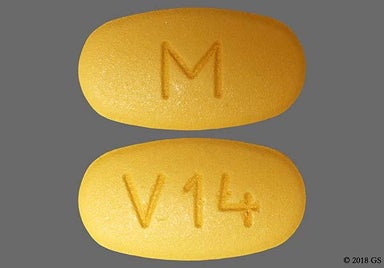
Orange Oval V14 And M - Valsartan 160mg Tablet
This medicine is Orange, Oval Tablet Imprinted With "V14" And "M".Orange Oval V14 And M - Valsartan 160mg Tablet
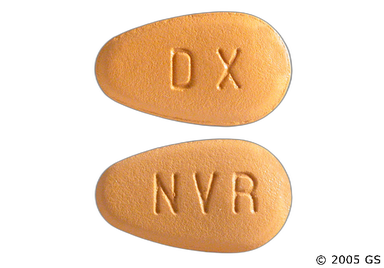
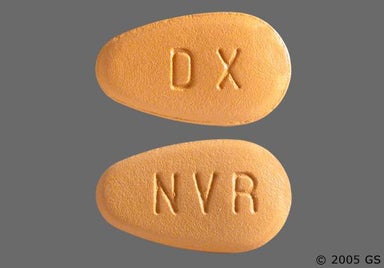
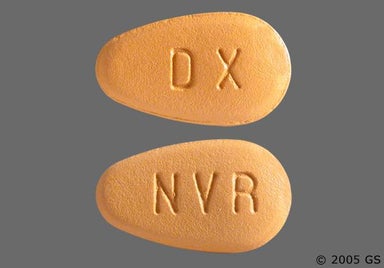
Orange Oval Dx And Nvr - Valsartan 160mg Tablet
This medicine is Orange, Oval Tablet Imprinted With "Dx" And "Nvr".Orange Oval Dx And Nvr - Valsartan 160mg Tablet
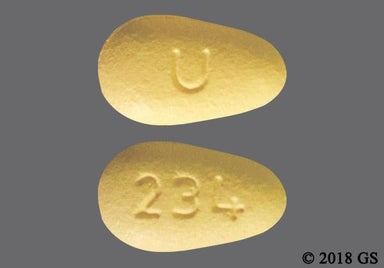
Yellow Tear U And 234 - Valsartan 160mg Tablet
This medicine is Yellow, Tear Tablet Imprinted With "U" And "234".Yellow Tear U And 234 - Valsartan 160mg Tablet
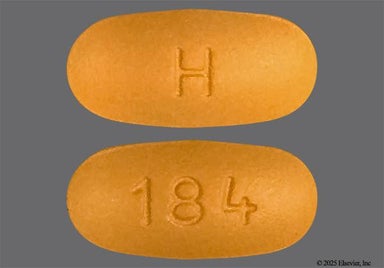
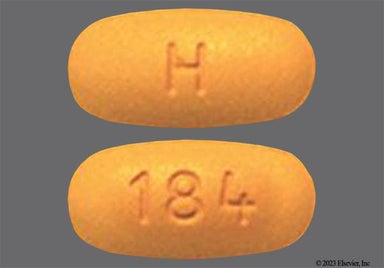
Brown Oval H And 184 - Valsartan 160mg Tablet
This medicine is Brown, Oval Tablet Imprinted With "H" And "184".Brown Oval H And 184 - Valsartan 160mg Tablet
Brown Oval H And 184 - Valsartan 160mg Tablet
This medicine is Brown, Oval Tablet Imprinted With "H" And "184".Brown Oval H And 184 - Valsartan 160mg Tablet
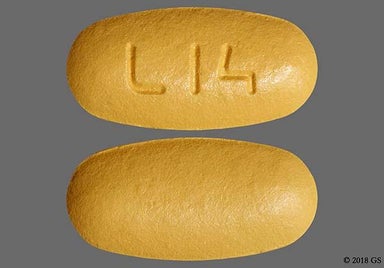
Orange Oval L14 - Valsartan 160mg Tablet
This medicine is Orange, Oval Tablet Imprinted With "L14".Orange Oval L14 - Valsartan 160mg Tablet
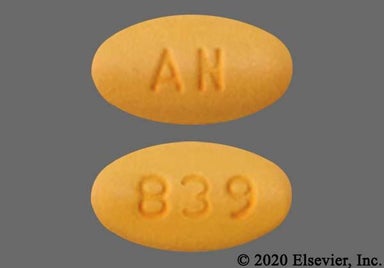
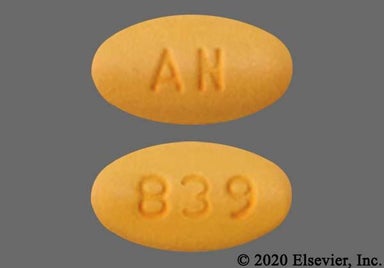
Yellow Oval An And 839 - Valsartan 160mg Tablet
This medicine is Yellow, Oval Tablet Imprinted With "An" And "839".Yellow Oval An And 839 - Valsartan 160mg Tablet
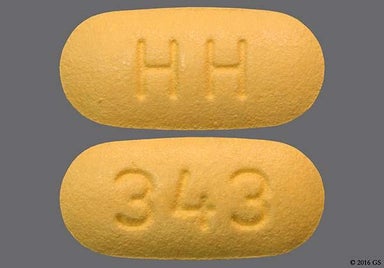
Yellow Oblong 343 And Hh - Valsartan 160mg Tablet
This medicine is Yellow, Oblong Tablet Imprinted With "343" And "Hh".Yellow Oblong 343 And Hh - Valsartan 160mg Tablet
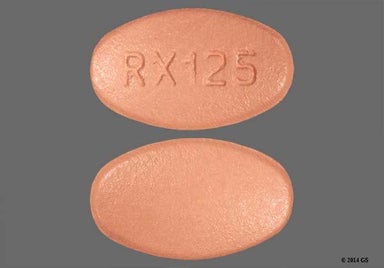
Pink Oval Rx125 - Valsartan 160mg Tablet
This medicine is Pink, Oval Tablet Imprinted With "Rx125".Pink Oval Rx125 - Valsartan 160mg Tablet
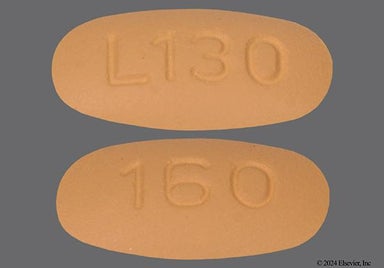
Yellow Oval 160 And L130 - Valsartan 160mg Tablet
This medicine is Yellow, Oval Tablet Imprinted With "L130" And "160".Yellow Oval 160 And L130 - Valsartan 160mg Tablet
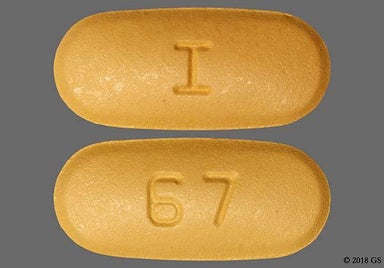
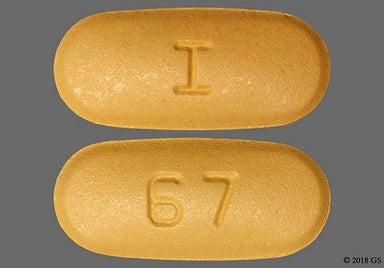
Orange Oval 67 And I - Valsartan 160mg Tablet
This medicine is Orange, Oval Tablet Imprinted With "67" And "I".Orange Oval 67 And I - Valsartan 160mg Tablet
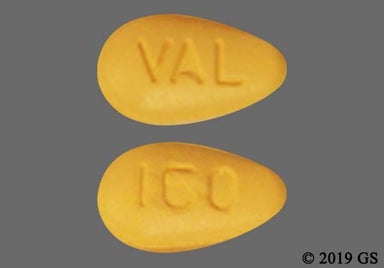
Orange Tear Val And 160 - Valsartan 160mg Tablet
This medicine is Orange, Tear Tablet Imprinted With "Val" And "160".Orange Tear Val And 160 - Valsartan 160mg Tablet
Yellow Oval 277 - Valsartan 160mg Tablet
This medicine is Yellow, Oval Tablet Imprinted With "277".Yellow Oval 277 - Valsartan 160mg Tablet

Get savings updates for Valsartan (Diovan)

Receive price alerts, news, and other messages from GoodRx about Valsartan (Diovan) and other healthcare topics and relevant savings offers.

By providing your email, you consent to receive marketing communications from GoodRx, which may include content and/or data related to men's health, women's health, reproductive care, or sexual health. You agree to the GoodRx Terms of Use and acknowledge the Privacy Policy. You can unsubscribe at any time.

References

Best studies we found

American Heart Association. (2023). Heart attack treatment.

ANI Pharmaceuticals, Inc. (2023). Valsartan solution [package insert]. DailyMed.

Aurobindo Pharma Limited. (2024). Valsartan tablet, film coated [package insert]. DailyMed.

GoodRx Health has strict sourcing policies and relies on primary sources such as medical organizations, governmental agencies, academic institutions, and peer-reviewed scientific journals. Learn more about how we ensure our content is accurate, thorough, and unbiased by reading our editorial guidelines.

Was this page helpful?