


Which Muscle Relaxers Are Best for Neck and Back Pain?
Muscle relaxers are medications that help your muscles unwind, relieving muscle stiffness and pain. Learn the names of common muscle relaxers and how they work.
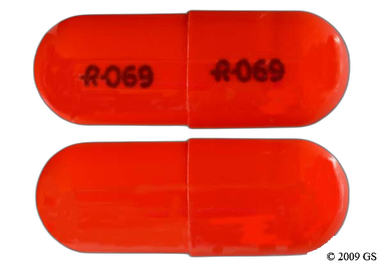
Oxazepam is used to treat short-term anxiety, and it also works well to prevent alcohol withdrawal symptoms. It comes as a capsule that you take 3 or 4 times a day. The most common side effects of oxazepam include drowsiness, dizziness, headache, and vertigo. The brand name version is no longer available, but there's a lower-cost generic version.

Oxazepam is a benzodiazepine. It slows down activity in your brain to help control anxiety and symptoms of alcohol withdrawal.
| Common Brands | Serax |
|---|---|
| Drug Class | Benzodiazepine |
| Controlled Substance Classification | Schedule IV |
| Generic Status | Lower-cost generic available |
| Availability | Prescription only |

Oxazepam can cause some serious health issues. This risk may be even higher for certain groups. If this worries you, talk to your doctor or pharmacist about other options.
 Combining oxazepam with pain medications called opioids can cause a life-threatening interaction that can cause you to be extremely sleepy or stop breathing. This can lead to coma or death. Don't combine oxazepam with opioids unless you're under close supervision of a healthcare provider. Get emergency help if you feel like you are having trouble breathing after taking oxazepam. Educate those around to keep an eye out for these side effects as well.
Oxazepam is a controlled medication because there's a high risk for addiction and misuse. In some cases, this can lead to overdose and death. Your body can also become dependent on the medication, even if you're taking it as exactly as directed. Your provider will help prevent these risks by prescribing you the lowest dose of oxazepam for the shortest time needed to treat your symptoms.
Talk to your provider before stopping this medication. Suddenly stopping the medication can lead to serious medical problems, including seizures. If you need to stop, your provider can help slowly lower your dose over time to prevent withdrawal symptoms, such as nausea and diarrhea. Though rare, some people have experienced withdrawal symptoms that lasted for weeks to more than a year.
Let your provider know if you're pregnant, thinking of becoming pregnant, or breastfeeding. According to the CDC, babies born to mothers who took oxazepam or other benzodiazepines during pregnancy are only at a slightly higher risk of developing birth defects than those born to mothers who didn't. But these babies are in danger of having a benzodiazepine withdrawal around the time of birth. Also, oxazepam can pass into breast milk, which can lead to your baby having sleepiness, feeding problems, and problems with growth.

The following side effects may get better over time as your body gets used to the medication. Let your healthcare provider know immediately if you continue to experience these symptoms or if they worsen over time.
Contact your healthcare provider immediately if you experience any of the following.
Along with its needed effects, a medicine may cause some unwanted effects. Although not all of these side effects may occur, if they do occur they may need medical attention.
Check with your doctor immediately if any of the following side effects occur:
Rare
Black, tarry stools
chills
clay-colored stools
dark urine
dizziness
fainting
fever with or without chills
headache
itching or rash
light-colored stools
loss of appetite
painful or difficult urination
shakiness and unsteady walk
shakiness in the legs, arms, hands, or feet
slurred speech
sores, ulcers, or white spots on the lips or in the mouth
stomach pain
swelling
swollen glands
trouble breathing
unpleasant breath odor
unsteadiness, trembling, or other problems with muscle control or coordination
unusual bleeding or bruising
unusual tiredness or weakness
vomiting of blood
yellow eyes or skin
Incidence not known
Being forgetful
confusion about identity, place, and time
cough or hoarseness
decreased awareness or responsiveness
false or unusual sense of well-being
general feeling of tiredness or weakness
hallucinations
loss of bladder control
loss of memory
lower back or side pain
nightmares
pale skin
problems with memory
severe sleepiness
trouble sleeping
unusual excitement, nervousness, restlessness, or irritability
Get emergency help immediately if any of the following symptoms of overdose occur:
Symptoms of overdose
Blurred vision
change in consciousness
confusion
dizziness, faintness, or lightheadedness when getting up suddenly from a lying or sitting position
drowsiness
loss of consciousness
loss of strength or energy
muscle pain or weakness
shakiness and unsteady walk
sweating
unsteadiness, trembling, or other problems with muscle control or coordination
unusual drowsiness, dullness, tiredness, weakness, or feeling of sluggishness
Some side effects may occur that usually do not need medical attention. These side effects may go away during treatment as your body adjusts to the medicine. Also, your health care professional may be able to tell you about ways to prevent or reduce some of these side effects. Check with your health care professional if any of the following side effects continue or are bothersome or if you have any questions about them:
Rare
Decreased interest in sexual intercourse
feeling of constant movement of self or surroundings
inability to have or keep an erection
increased in sexual ability, desire, drive, or performance
increased interest in sexual intercourse
loss in sexual ability, desire, drive, or performance
rash with flat lesions or small raised lesions on the skin
sensation of spinning
Incidence not known
Double vision
menstrual changes
seeing double
Other side effects not listed may also occur in some patients. If you notice any other effects, check with your healthcare professional.
Call your doctor for medical advice about side effects. You may report side effects to the FDA at 1-800-FDA-1088.





Although certain medicines should not be used together at all, in other cases two different medicines may be used together even if an interaction might occur. In these cases, your doctor may want to change the dose, or other precautions may be necessary. When you are taking this medicine, it is especially important that your healthcare professional know if you are taking any of the medicines listed below. The following interactions have been selected on the basis of their potential significance and are not necessarily all-inclusive.
Using this medicine with any of the following medicines is not recommended. Your doctor may decide not to treat you with this medication or change some of the other medicines you take.
Using this medicine with any of the following medicines is usually not recommended, but may be required in some cases. If both medicines are prescribed together, your doctor may change the dose or how often you use one or both of the medicines.
Using this medicine with any of the following medicines may cause an increased risk of certain side effects, but using both drugs may be the best treatment for you. If both medicines are prescribed together, your doctor may change the dose or how often you use one or both of the medicines.


Contraindications are specific health conditions or situations in which a person should not take a medication due to safety concerns. If you have any of the following conditions or if any of the following apply to you, let your healthcare provider know because Oxazepam will not be safe for you to take.


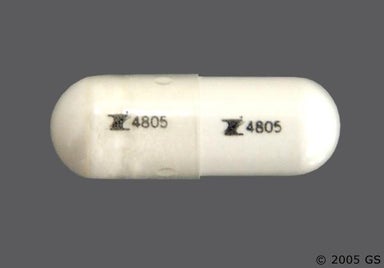

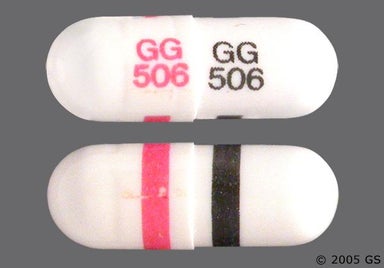
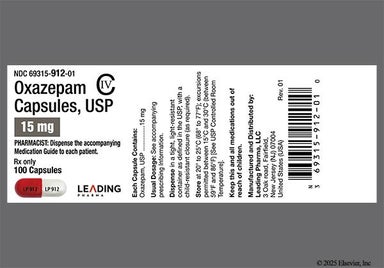
Prescription savings
Stop paying too much for your prescriptions. Compare prices, get pharmacy coupons, and save up to 80%. Find expert answers to your health questions so you can make the best decisions for yourself and your family.
Health conditions
Medications & treatment
Access & affordability
Medication discounts

Yes, you can take Oxazepam every day for a short period of time, under the direction of your provider. This medication hasn't been studied in clinical trials for longer than 4 months, so it's not know whether it's safe to do so. If you're taking it for anxiety, only take it when you need it. It doesn't need to be taken consistently like other anxiety medications, such as buspirone (Buspar). If you're taking it to prevent alcohol withdrawal symptoms, take it exactly as your provider tells you to.
Sleepiness and drowsiness are common side effects of Oxazepam, but it isn't a sleeping pill. Talk to your provider if you're having a hard time sleeping. There are other medications that might be more appropriate.
Oxazepam is approved to ease the symptoms of alcohol withdrawal. If you're taking Oxazepam for this purpose, it's best to avoid drinking alcohol after taking Oxazepam to prevent withdrawal symptoms in the future. In general, you should avoid mixing alcohol and Oxazepam together. They can not only worsen each other's side effects, but also cause dangerous symptoms like paranoia, extreme confusion, or even suicidal thoughts. The combination of alcohol and Oxazepam also raises the risk of slowed and shallow breathing, which can be dangerous and can even lead to death.
Oxazepam and diazepam (Valium) are both benzodiazepines used to manage anxiety in the short-term and alcohol withdrawal symptoms. In fact, diazepam (Valium) is converted into Oxazepam in the body after it's taken. But there are some differences between the two medications: (1) Diazepam (Valium) stays longer in the body than Oxazepam (based on their half-lives), so you might feel the effects of diazepam (Valium) longer, even after you've stop the medication. (2) Diazepam (Valium) is FDA-approved to treat additional conditions, like muscle spasms and seizures, that Oxazepam isn't approved for. (3) While Oxazepam is only available in oral capsules, diazepam (Valium) is available in other forms, such as injection, rectal gel, and nasal spray. If you've more questions about the differences between the two medications, talk with your provider.
Benzodiazepines like Oxazepam aren't recommended during pregnancy because of safety concerns. Taking Oxazepam late in your pregnancy can cause your baby to have breathing problems, issues with their muscles, or withdrawal symptoms after they're born. Tell your provider right away if you think you've become pregnant while taking Oxazepam. There's also a National Pregnancy Registry that you can enroll in that collects safety information about taking Oxazepam during pregnancy.
