Omeprazole (Prilosec) is a proton pump inhibitor (PPI). It lowers the amount of acid in your stomach by blocking the final step of stomach acid production. This helps relieve heartburn and other stomach problems.
The following side effects may get better over time as your body gets used to the medication. Let your healthcare provider know immediately if you continue to experience these symptoms or if they worsen over time.
Common Side Effects
Adults
Headache (7%)
Belly pain (5%)
Nausea (4%)
Diarrhea (4%)
Vomiting (3%)
Passing gas (3%)
Children — similar to the above, with the addition of:
Respiratory system problems (up to 75%)
Fever (up to 33%)
Ear infection (up to 22%)
Less Common Side Effects
Acid reflux
Constipation
Dizziness
Back pain
Cough
Upper respiratory infection (e.g., common cold)
Rash
Feeling weak
Omeprazole (Prilosec) serious side effects
Contact your healthcare provider immediately if you experience any of the following.
Severe stomach pain or diarrhea
Kidney problems: urinating more or less than usual, fever, poor appetite, blood in urine
Lupus symptoms: joint pain, skin rash on arms or cheeks that gets worse in the sunlight
Serious allergic reaction: blistering, peeling, or bleeding skin; fever; chills; trouble breathing; face swelling
When do Omeprazole (Prilosec) possible side effects begin and end?
Time passed since treatment started:
HHOURS
DDAYS
WWEEKS
MMONTHS
YYEARS
Headache
Stomach pain
Nausea and vomiting
Gas
C. diff-associated diarrhea
Bone problems
Seek immediate medical care if you experience this side effect.
If a line continues to the right, you'll likely keep experiencing this side effect once it starts.
The following Omeprazole (Prilosec) side effects have also been reported
Along with its needed effects, a medicine may cause some unwanted effects. Although not all of these side effects may occur, if they do occur they may need medical attention.
Check with your doctor immediately if any of the following side effects occur:
Get emergency help immediately if any of the following symptoms of overdose occur:
Symptoms of overdose
Blurred vision
confusion
dryness of the mouth
flushing
headache
increased sweating
Some side effects may occur that usually do not need medical attention. These side effects may go away during treatment as your body adjusts to the medicine. Also, your health care professional may be able to tell you about ways to prevent or reduce some of these side effects. Check with your health care professional if any of the following side effects continue or are bothersome or if you have any questions about them:
Swallow the omeprazole (Prilosec) pills whole. Don't chew or crush the pills. Doing so can change how the medication gets absorbed into your body.
If you're taking omeprazole (Prilosec) once daily, it's best to take omeprazole (Prilosec) 30 to 60 minutes before breakfast, on an empty stomach. But if you forget to take it before a meal, just take it as soon as you remember. But if it's almost time for your next scheduled dose, just skip the missed dose and take it at your next scheduled time.
Omeprazole (Prilosec) doesn't provide immediate-relief of heartburn symptoms because it takes some time to work. Your primary care provider (PCP) might recommend that you take antacids with omeprazole (Prilosec) because antacids work faster than PPIs.
Omeprazole (Prilosec) oral capsules: If you can't swallow the capsules, you can open the capsule and sprinkle the pellets inside onto one tablespoon of applesauce. Once mixed, swallow the applesauce right away without chewing or crushing the pellets. You can drink some cool water afterwards to make sure you've swallowed all the medication. Don't save any of the mixture for later, since the medication might not work as well anymore.
Omeprazole (Prilosec) oral granules:Mix and stir the granules with water. You need 5 mL of water for each 2.5 mg packet and 15 mL of water for each 10 mg packet. Wait 2 to 3 minutes. Then, stir and drink the entire dose within 30 minutes of mixing.
Omeprazole (Prilosec) can interact with many medications. For example, taking omeprazole (Prilosec) with warfarin (Coumadin) can raise your risk for bleeds, so your prescriber might need to adjust your dose of wafarin (Coumadin). Let your prescriber or pharmacist know what medications you take or plan to take, including any over-the-counter products and supplements, so they can help you check for interactions.
Tips for over-the-counter omeprazole (Prilosec OTC)
Omeprazole (Prilosec) orally disintegrating tablets: If you can't swallow the oral tablets, you can melt the orally disintegrating tablet on your tongue.
Before using omeprazole (Prilosec), ask your primary care provider (PCP) if this medication is right for you. This is especially true if you experience the following: heartburn for more than 3 months, frequent wheezing, weight loss, nausea, vomiting, or stomach pain. These could be signs of a serious problem that your primary care provider should check out.
Stop taking omeprazole (Prilosec), and speak with your primary care provider if you need this heartburn medication for more than 14 days or if you need more than one course of treatment every 4 months. Also do so if you have the following: heartburn gets worse, rash, joint pain, or diarrhea. There might be some other problem going on that your PCP can help you with.
Get medical help right away if you experience trouble or pain swallowing, bloody vomit, bloody or black stools, heartburn with lightheadedness or sweating, shoulder pain with shortness of breath, or chest pain. These can be symptoms of serious medical conditions, such as stomach bleeding or heart attack, which need to be treated as soon as possible.
Omeprazole (Prilosec) can cause some serious health issues. This risk may be even higher for certain groups. If this worries you, talk to your doctor or pharmacist about other options.
Risk of hiding symptoms of a more serious problem
Frequent episodes of heartburn can be a symptom of stomach cancer. If your heartburn gets worse or comes back after taking omeprazole (Prilosec), let your primary care provider know. Also contact your primary care provider if you've poor appetite, unexplained weight loss, or weakness along with your heartburn. They can check if there are other serious medical problems going on.
Sudden kidney problems
Some people taking PPIs like omeprazole (Prilosec) have had sudden kidney problems. These problems can happen at any point during treatment. Talk with your primary care provider if you're urinating more or less than usual, feel nauseous or weak, or have a fever, rash, or joint pain. These can be symptoms of kidney problems.
Severe infectious diarrhea
Risk factors: Older people | Recent stay at a hospital or nursing home | People with a weakened immune system (e.g., HIV, cancer)
Some clinical studies showed that PPIs, such as omeprazole (Prilosec), can raise the risk of getting a bacterial infection called Clostridioides difficile (C. diff). This infection can cause severe diarrhea. Your risk is higher if you're over 65 years old, have recently stayed at a hospital or nursing home, or have a weakened immune system. To lower your risk of C. diff diarrhea, take the lowest possible dose of omeprazole (Prilosec) for the shortest amount of time that works well for you. If you experience severe or watery diarrhea, fever, belly pain, loss of appetite, or nausea, let your primary care provider know right away.
Bone fractures
Risk factors: Taking high doses of omeprazole (Prilosec) | Taking omeprazole (Prilosec) for longer than a year | Risk for osteoporosis
PPIs like omeprazole (Prilosec) might raise the risk of bone fractures in the hip, wrist, or spine. Your risk is higher if you take more than one dose of omeprazole (Prilosec) per day or if you take it for more than a year. To prevent the risk of bone fracture, take the lowest possible dose of omeprazole (Prilosec) for the shortest amount of time for your symptoms. If you've had bone fractures before or have osteoporosis (weak bones), talk to your prescriber about your risk before using this medication.
Skin reactions
PPIs, such as omeprazole (Prilosec), have rarely caused serious skin reactions. These reactions include Stevens-Johnson syndrome (SJS) and toxic epidermal necrolysis (TEN). Symptoms can include fever, body aches, rash, peeling skin, painful blisters, and swelling of the face. If you notice any of these symptoms, get medical help immediately.
Lupus
Some people taking PPIs like omeprazole (Prilosec) developed new or worsening lupus, a condition where your immune system attacks your own body. Lupus symptoms can occur any time during treatment with omeprazole (Prilosec). Some typical symptoms include joint pain or rash, but they often improve within 1 to 3 months of stopping this medication. If you experience any lupus symptoms while taking omeprazole (Prilosec), stop the medication and contact your primary care provider.
Low vitamin B12 and magnesium levels
Risk factor: Long-term use | Taking medications that can lower magnesium levels
Using acid-lowering medications like omeprazole (Prilosec) for a long period of time can cause your vitamin B12 levels to drop. Omeprazole (Prilosec) lowers the amount of acid in your stomach, which is needed for vitamin B12 absorption. If you've been taking this medication for longer than 3 years, or if you have symptoms of vitamin B12 deficiency (e.g., dizziness, muscle weakness, pale skin, tiredness, tingling in arms or legs), talk to your prescriber.
Taking omeprazole (Prilosec) can also lower your magnesium levels. This can happen 3 months after taking omeprazole (Prilosec), but it's more likely after a year of treatment. Low magnesium levels can sometimes lead to other electrolyte problems. You're at risk for low magnesium levels if you take other medications that can affect electrolyte levels, such as digoxin (Lanoxin) or water pills. Your primary care provider might check your blood during treatment with omeprazole (Prilosec) to make sure your electrolyte levels are in the normal range. Watch for symptoms of electrolyte problems like irregular heart rate, muscle cramps, and tremors. Let your primary care provider know right away if they occur.
Interaction with other medications
Some medications can interfere with how your body gets rid of omeprazole (Prilosec). Depending on if they boost or block how omeprazole (Prilosec) gets removed, the medications can affect the amount of omeprazole (Prilosec) in your body, how well it works, and the risk of side effects. For example, St. John’s wort and rifampin (Rifadin) can lower the amount of omeprazole (Prilosec) in your body and cause the medication to not work as well. Avoid these medications while taking omeprazole (Prilosec).
Omeprazole (Prilosec) can also interfere with how other medications work. An important medication to avoid with omeprazole (Prilosec) is clopidogrel (Plavix). Omeprazole (Prilosec) causes clopidogrel (Plavix) to not work as well, which raises the risk of blood clots. In addition, omeprazole (Prilosec) can raise the risk of methotrexate toxicity when taken together with methotrexate.
Inaccurate lab work
Omeprazole (Prilosec) can get in the way of certain tumor screenings, which can lead to inaccurate results. Talk with your primary care provider or radiologist about your medication history before getting any testing done. In some cases, your care team might ask you to temporarily stop omeprazole (Prilosec) 2 weeks before your blood work.
The average cost for 30 capsules of 40mg of Omeprazole (Prilosec) is $8.60 with a free GoodRx coupon. This is 91.77% off the average retail price of $104.44.
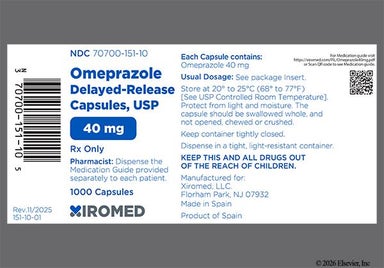
Omeprazole (Prilosec) is available both over the counter (OTC) and by prescription. The OTC strength is 20 mg, and the prescription strengths are 10 mg, 20 mg, and 40 mg.
The dosing for adults is listed below. Dosing for children will depend on the child’s weight, age, and the reason they're taking the medication. In general, your child's provider will determine the dosage your child needs to take.
OTC dosing (adults):
Heartburn: The typical dose is 20 mg by mouth once daily in the morning for 2 weeks.
Prescription dosing (adults):
Stomach or duodenal ulcer: The typical dose is 20 mg or 40 mg by mouth once daily for 1 to 2 months, depending on the type of ulcer.
Gastroesophageal reflux disease (GERD): The typical dose is 20 mg by mouth once daily for up to 1 month.
Treatment of inflamed esophagus due to GERD: The typical dose is 20 mg by mouth once daily for 1 to 2 months.
Maintenance of healing of inflamed esophagus due to GERD: The typical dose is 20 mg by mouth once daily. Your dose might differ if you have liver problems or if you're of Asian descent.
H. pylori triple therapy: The typical dose is 20 mg by mouth twice daily for 10 days. It's usually taken together with amoxicillin and clarithromycin.
H. pylori dual therapy: The typical dose is 40 mg by mouth once daily for 2 weeks. It's usually taken together with clarithromycin.
Medical conditions that cause too much stomach acid: The typical starting dose is 60 mg by mouth once daily. The maximum dose is 120 mg three times daily.
Prescription dosing (children): Your child's dose will depend on their condition and body weight.
Interactions between Omeprazole (Prilosec) and other drugs
Omeprazole (Prilosec) may interact with certain medications or supplements. Always let your doctor and pharmacist know about any other medications or supplements (including prescribed and over-the-counter medications, vitamins, and dietary or herbal supplements) that you are currently taking. The list below does not include all possible drug interactions with Omeprazole (Prilosec). Please note that only the generic name of each medication is listed below.
Although certain medicines should not be used together at all, in other cases two different medicines may be used together even if an interaction might occur. In these cases, your doctor may want to change the dose, or other precautions may be necessary. When you are taking this medicine, it is especially important that your healthcare professional know if you are taking any of the medicines listed below. The following interactions have been selected on the basis of their potential significance and are not necessarily all-inclusive.
Using this medicine with any of the following medicines is not recommended. Your doctor may decide not to treat you with this medication or change some of the other medicines you take.
Using this medicine with any of the following medicines is usually not recommended, but may be required in some cases. If both medicines are prescribed together, your doctor may change the dose or how often you use one or both of the medicines.
Using this medicine with any of the following medicines may cause an increased risk of certain side effects, but using both drugs may be the best treatment for you. If both medicines are prescribed together, your doctor may change the dose or how often you use one or both of the medicines.
Contraindications are specific health conditions or situations in which a person should not take a medication due to safety concerns. If you have any of the following conditions or if any of the following apply to you, let your healthcare provider know because Omeprazole (Prilosec) will not be safe for you to take.
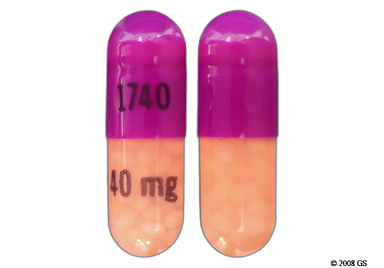
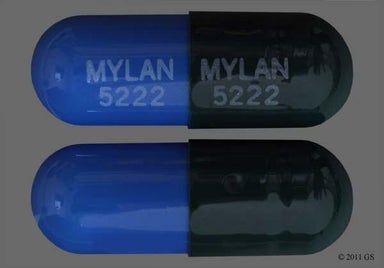
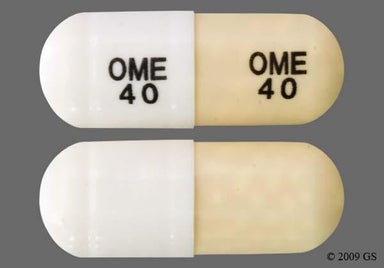
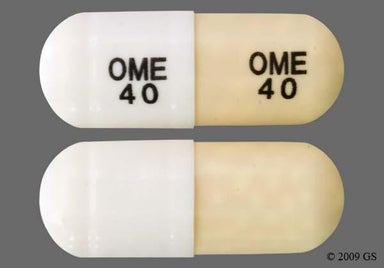
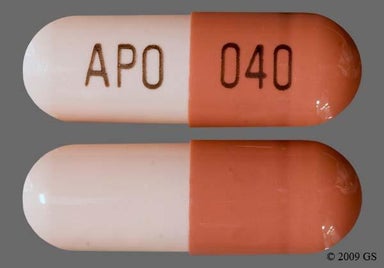
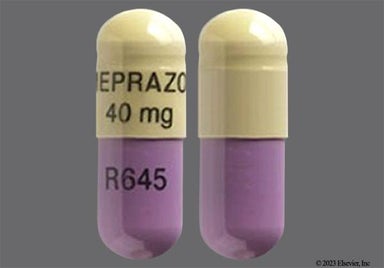
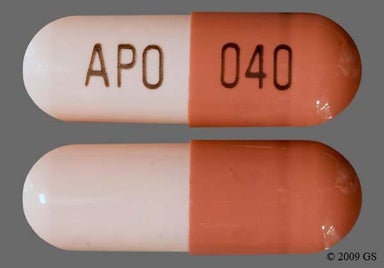
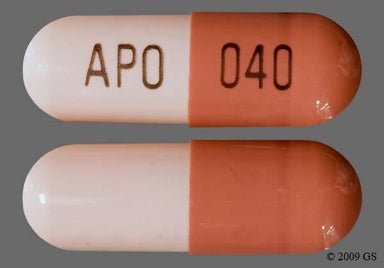
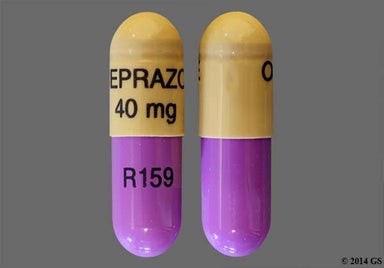
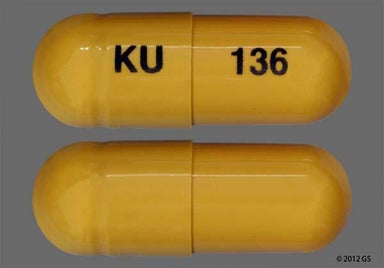
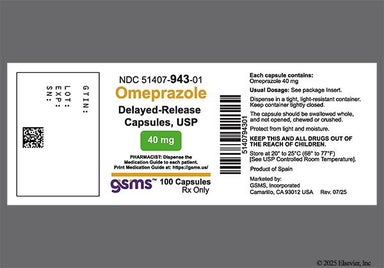
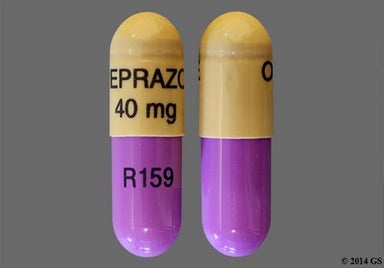
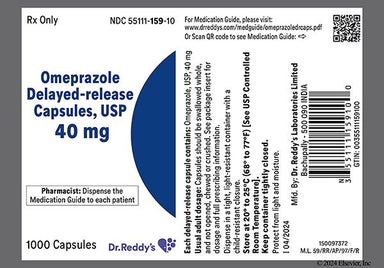
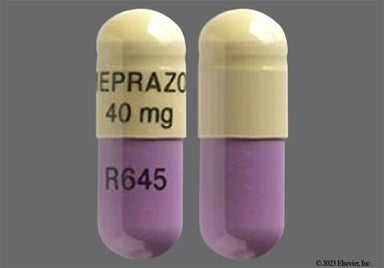
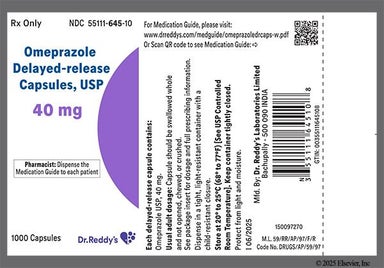
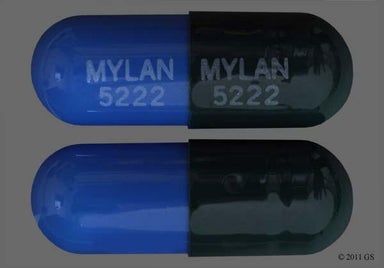
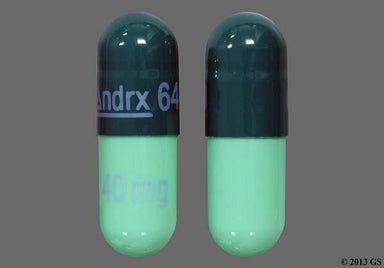
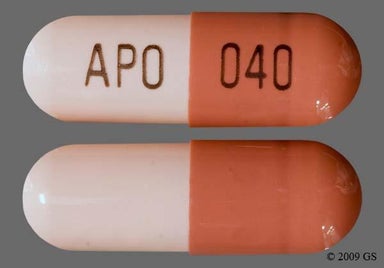
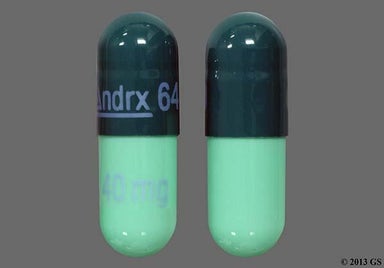
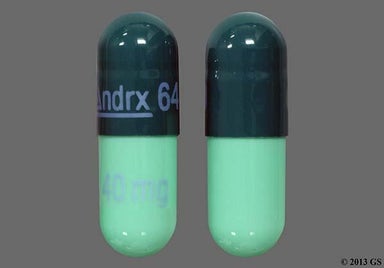
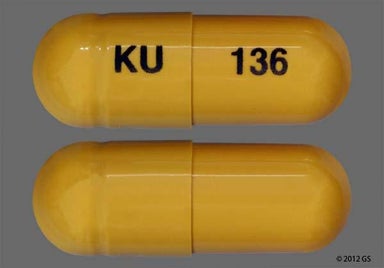
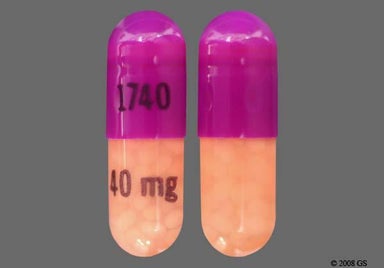
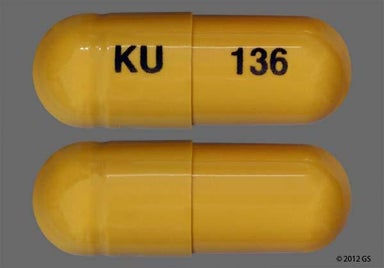
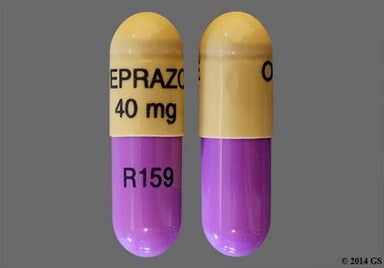
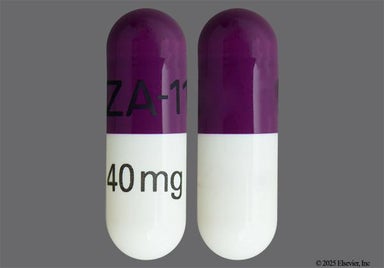
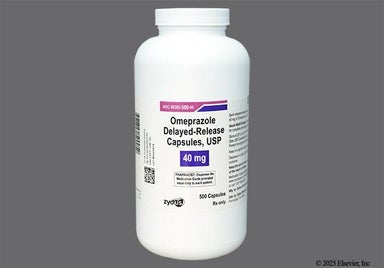
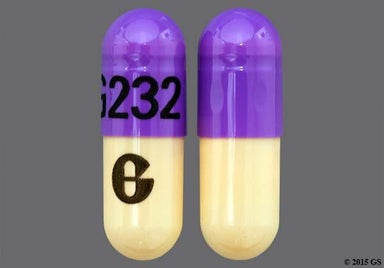
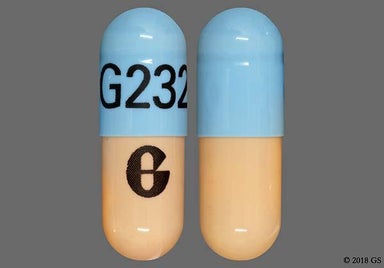
This medicine is Blue, Green Capsule Imprinted With "Mylan 5222 Mylan 5222".Blue, Green Capsule MYLAN 5222 MYLAN 5222 - Omeprazole 40mg Delayed-Release CapsuleThis medicine is White, Brown Capsule Imprinted With "Ome 40 Ome 40".White, Brown Capsule OME 40 OME 40 - Omeprazole 40mg Delayed-Release CapsuleThis medicine is Brown, White Capsule Imprinted With "Ome 40 Ome 40".Brown, White Capsule OME 40 OME 40 - Omeprazole 40mg Delayed-Release CapsuleThis medicine is Pink, Red-Brown Capsule Imprinted With "Apo 040".Pink, Red-brown Capsule APO 040 - Omeprazole 40mg Delayed-Release CapsuleThis medicine is Purple, Yellow Capsule Imprinted With "Omeprazole 40 Mg R645".Purple, Yellow Capsule OMEPRAZOLE 40 mg R645 - Omeprazole 40mg Delayed-Release CapsuleThis medicine is Pink, Red-Brown Capsule Imprinted With "Apo 040".Pink, Red-brown Capsule APO 040 - Omeprazole 40mg Delayed-Release CapsuleThis medicine is Pink, Red-Brown Capsule Imprinted With "Apo 040".Pink, Red-brown Capsule APO 040 - Omeprazole 40mg Delayed-Release CapsuleThis medicine is Purple, Yellow Capsule Imprinted With "Omeprazole 40 Mg R159".Purple, Yellow Capsule OMEPRAZOLE 40 mg R159 - Omeprazole 40mg Delayed-Release CapsuleThis medicine is Yellow Capsule Imprinted With "Ku 136".Yellow Capsule KU 136 - Omeprazole 40mg Delayed-Release CapsuleThis medicine is White Capsule Imprinted With "Xi 40".White Capsule XI 40 - Omeprazole 40mg Delayed-Release CapsuleThis medicine is Purple, Yellow Capsule Imprinted With "Omeprazole 40 Mg R159".Purple, Yellow Capsule OMEPRAZOLE 40 mg R159 - Omeprazole 40mg Delayed-Release CapsuleThis medicine is Purple, Yellow Capsule Imprinted With "Omeprazole 40 Mg R159".Purple, Yellow Capsule OMEPRAZOLE 40 mg R159 - Omeprazole 40mg Delayed-Release CapsuleThis medicine is Purple, Yellow Capsule Imprinted With "Omeprazole 40 Mg R645".Purple, Yellow Capsule OMEPRAZOLE 40 mg R645 - Omeprazole 40mg Delayed-Release CapsuleThis medicine is Purple, Yellow Capsule Imprinted With "Omeprazole 40 Mg R645".Purple, Yellow Capsule OMEPRAZOLE 40 mg R645 - Omeprazole 40mg Delayed-Release CapsuleThis medicine is Blue, Green Capsule Imprinted With "Mylan 5222 Mylan 5222".Blue, Green Capsule MYLAN 5222 MYLAN 5222 - Omeprazole 40mg Delayed-Release CapsuleThis medicine is Green Capsule Imprinted With "Andrx 640 40 Mg".Green Capsule Andrx 640 40 mg - Omeprazole 40mg Delayed-Release CapsuleThis medicine is Pink, Red-Brown Capsule Imprinted With "Apo 040".Pink, Red-brown Capsule APO 040 - Omeprazole 40mg Delayed-Release CapsuleThis medicine is Green Capsule Imprinted With "Andrx 640 40 Mg".Green Capsule Andrx 640 40 mg - Omeprazole 40mg Delayed-Release CapsuleThis medicine is Green Capsule Imprinted With "Andrx 640 40 Mg".Green Capsule Andrx 640 40 mg - Omeprazole 40mg Delayed-Release CapsuleThis medicine is Yellow Capsule Imprinted With "Ku 136".Yellow Capsule KU 136 - Omeprazole 40mg Delayed-Release CapsuleThis medicine is Orange, Purple Capsule Imprinted With "1740 40 Mg".Orange, Purple Capsule 1740 40 mg - Omeprazole 40mg Delayed-Release CapsuleThis medicine is Yellow Capsule Imprinted With "Ku 136".Yellow Capsule KU 136 - Omeprazole 40mg Delayed-Release CapsuleThis medicine is Purple, Yellow Capsule Imprinted With "Omeprazole 40 Mg R159".Purple, Yellow Capsule OMEPRAZOLE 40 mg R159 - Omeprazole 40mg Delayed-Release CapsuleThis medicine is Purple, White Capsule Imprinted With "Za-11 40 Mg".Purple, White Capsule ZA-11 40 mg - Omeprazole 40mg Delayed-Release CapsuleThis medicine is Purple, White Capsule Imprinted With "Za-11 40 Mg".Purple, White Capsule ZA-11 40 mg - Omeprazole 40mg Delayed-Release CapsuleThis medicine is Purple, Orange Capsule Imprinted With "G232 Logo".Purple, Orange Capsule G232 LOGO - Omeprazole 40mg Delayed-Release CapsuleThis medicine is Orange, Blue Capsule Imprinted With "G232 G".Orange, Blue Capsule G232 G - Omeprazole 40mg Delayed-Release CapsuleThis medicine is White Capsule Imprinted With "Xi 40".White Capsule XI 40 - Omeprazole 40mg Delayed-Release Capsule
GoodRx Health has strict sourcing policies and relies on primary sources such as medical organizations, governmental agencies, academic institutions, and peer-reviewed scientific journals. Learn more about how we ensure our content is accurate, thorough, and unbiased by reading our editorial guidelines.
Prescription savings
Stop paying too much for your prescriptions. Compare prices, get pharmacy coupons, and save up to 80%.
Plans start at $9.99/mo. (when paid yearly). Terms apply.
Common questions about Prilosec
Omeprazole isn't an antacid; it's a proton pump inhibitor (PPI). While both antacids and PPIs can ease heartburn, they do so in different ways. Antacids do so by neutralizing stomach acid. But PPIs, like Omeprazole, block acid from getting "pumped" into the stomach.
How long it takes for Omeprazole to work depends on what condition you're taking it to treat. If you're taking Omeprazole for heartburn, it typically takes 1 to 4 days to fully relieve your symptoms. But some people have experienced complete relief within 24 hours. And if you're prescribed Omeprazole for conditions such as stomach ulcers, you might need to continue treatment for 1 to 2 months for healing.
Your primary care provider (PCP) might recommend that you take an antacid, like calcium carbonate (Tums), with Omeprazole. This is because Omeprazole can take 1 to 4 days to reach its full effects in easing heartburn symptoms. So you might need more quicker-acting heartburn medications, such as calcium carbonate (Tums), for more immediate relief. Ask your PCP about other treatments you can use to relieve your heartburn.
Typically, you're recommended to take Omeprazole 30 to 60 minutes before your meal. If you're taking this medication once daily, your primary care provider (PCP) will most likely recommend that you take it in the morning. But if you're taking Omeprazole twice daily, take your first dose before breakfast and your second dose before dinner. Ask your care team if you've questions about the best time to take Omeprazole.
It's recommended to take Omeprazole on an empty stomach, about 30 to 60 minutes before meals. But if you forget to take this medication before a meal, you can still take it after eating. Just know that Omeprazole might not work as well.
If you’re pregnant or planning on becoming pregnant, ask your healthcare professional (HCP) about the risks of taking Omeprazole. While more research is needed, existing studies suggest that Omeprazole isn't likely to cause serious birth defects or premature births if taken during pregnancy. If you have heartburn or other medical conditions where there's too much stomach acid, talk with your HCP about possible treatment options during pregnancy.
Some studies suggest that people who take PPIs, like Omeprazole, over a longer period of time might be at higher risk for stomach cancer. More research is needed to understand the link between Omeprazole and cancer. But one possible explanation is taking a PPI raises the level of a hormone called gastrin, which might be linked to stomach cancer. Another explanation is that taking a PPI long-term can mask the symptoms of stomach cancer, which include frequent episodes of heartburn. If you're concerned about Omeprazole and the possible risk of cancer, talk with your primary care provider.
Omeprazole and esomeprazole (Nexium) are both PPIs used to treat similar stomach conditions. They're both available OTC and by prescription from a healthcare professional; both have lower-cost generics available as well. Both medications have similar chemical structures, so you shouldn't take both at the same time because they're doing the same thing to lessen the production of stomach acid. The American College of Gastroenterology doesn't recommend one over another when it comes to treating GERD symptoms.