



9 Essential Tips for Taking Calcium Channel Blockers
Calcium channel blockers are first-choice medications for treating high blood pressure. Here are nine pharmacist tips to help maximize the potential benefits.
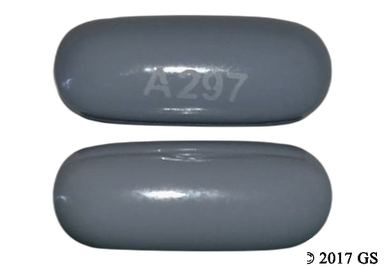
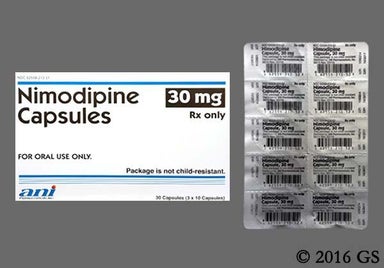
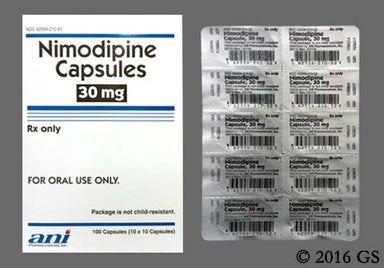
Nimodipine (Nymalize) is used to help prevent brain damage after an aneurysmal subarachnoid hemorrhage (a type of brain bleed). Your provider will typically start this medication in the hospital as soon as possible, but usually within 4 days of a subarachnoid hemorrhage. Nimodipine (Nymalize) is taken by mouth or given through a feeding tube every 4 hours for 3 weeks. Generic nimodipine comes as an oral capsule, while brand name Nymalize (nimodipine) comes as an oral liquid. The most common side effect of nimodipine (Nymalize) is low blood pressure, so your provider will check your blood pressure regularly while you're taking this medication.

Nimodipine (Nymalize) is a calcium channel blocker. The exact way it works to help people after a brain bleed isn't known. But it's thought to relax the blood vessels in your brain to maintain blood flow and possibly prevent vasospasm. This helps to prevent further damage to the brain after a subarachnoid hemorrhage.
| Common Brands | Nymalize |
|---|---|
| Drug Class | Calcium channel blocker (CCB) |
| Controlled Substance Classification | Not a controlled medication |
| Generic Status | Lower-cost generic available |
| Availability | Prescription only |

The following side effects may get better over time as your body gets used to the medication. Let your healthcare provider know immediately if you continue to experience these symptoms or if they worsen over time.
Contact your healthcare provider immediately if you experience any of the following.
Along with its needed effects, a medicine may cause some unwanted effects. Although not all of these side effects may occur, if they do occur they may need medical attention.
Check with your doctor immediately if any of the following side effects occur:
Less common
Blurred vision
chest pain or discomfort
confusion
difficult or labored breathing
fast, pounding, or irregular heartbeat or pulse
lightheadedness, dizziness, or fainting
shortness of breath
slow or irregular heartbeat
sweating
swelling
tightness in the chest
unusual tiredness or weakness
Some side effects may occur that usually do not need medical attention. These side effects may go away during treatment as your body adjusts to the medicine. Also, your health care professional may be able to tell you about ways to prevent or reduce some of these side effects. Check with your health care professional if any of the following side effects continue or are bothersome or if you have any questions about them:
Less common
Abdominal or stomach cramps, discomfort, or pain
back pain
blemishes on the skin
discouragement
feeling sad or empty
headache
indigestion
irritability
lack or loss of appetite
loss of interest or pleasure
nausea or vomiting
rash
swollen mouth and tongue
tiredness
trouble concentrating
trouble sleeping
unpleasant taste
urge to have bowel movement
Other side effects not listed may also occur in some patients. If you notice any other effects, check with your healthcare professional.
Call your doctor for medical advice about side effects. You may report side effects to the FDA at 1-800-FDA-1088.



More tips for Nymalize (nimodipine) liquid only

Nimodipine (Nymalize) can cause some serious health issues. This risk may be even higher for certain groups. If this worries you, talk to your doctor or pharmacist about other options.
 Nimodipine (Nymalize) should only be given by mouth or in a feeding tube. Never inject nimodipine (Nymalize) into the veins because this can cause very serious and life-threatening heart and blood pressure
Sometimes, taking nimodipine (Nymalize) can cause your blood pressure to drop too much. This can cause you to feel dizzy, tired, or lightheaded. Because of this, your provider will check your blood pressure regularly while you're taking nimodipine (Nymalize) at the hospital. Continue to check your blood pressure regularly after you're discharge from your hospital stay. To lower your risk of falls, sit down slowly while holding onto something stable. If you fall and hit your head, get medical help right away. If the dizziness is very bothersome or if you have other symptoms of low blood pressure, such as blurry vision or nausea, talk to your provider.
Make sure your medical team knows all the medications you're currently taking as soon as possible. This is because some medications, including the ones you might restart after you leave the hospital, can interact with nimodipine (Nymalize). For example, certain antibiotics or antivirals, such as clarithromycin (Biaxin) and ritonavir (Norvir) can raise the level of nimodipine (Nymalize) in your body, which can put you at higher risk for dangerously low blood pressure. Another example is that certain medications, such as carbamazepine (Tegretol) or phenytoin (Dilantin), can lower the level of nimodipine (Nymalize) in your body and cause it to not work as well. Ask your medical team to review all your current medications before you leave the hospital to make sure that there aren't any serious interactions with nimodipine (Nymalize).


Although certain medicines should not be used together at all, in other cases two different medicines may be used together even if an interaction might occur. In these cases, your doctor may want to change the dose, or other precautions may be necessary. When you are taking this medicine, it is especially important that your healthcare professional know if you are taking any of the medicines listed below. The following interactions have been selected on the basis of their potential significance and are not necessarily all-inclusive.
Using this medicine with any of the following medicines is not recommended. Your doctor may decide not to treat you with this medication or change some of the other medicines you take.
Using this medicine with any of the following medicines is usually not recommended, but may be required in some cases. If both medicines are prescribed together, your doctor may change the dose or how often you use one or both of the medicines.
Using this medicine with any of the following medicines may cause an increased risk of certain side effects, but using both drugs may be the best treatment for you. If both medicines are prescribed together, your doctor may change the dose or how often you use one or both of the medicines.


Prescription savings
Stop paying too much for your prescriptions. Compare prices, get pharmacy coupons, and save up to 80%. Find expert answers to your health questions so you can make the best decisions for yourself and your family.
Health conditions
Medications & treatment
Access & affordability
 Our monthly healthcare membership can help you save thousands on your prescription costs.
Resources

An aneurysmal subarachnoid hemorrhage (aSAH) is a type of brain bleed. It happens when an aneurysm on an artery around the brain has bursted open, causing bleeding around the brain. After an aSAH, the blood vessels in your brain can squeeze (called a vasospasm), which can cause because your brain isn't getting enough blood. While the exact way Nimodipine works to prevent further damage in the brain isn't known, it's thought to help by keeping your blood vessels open so blood can reach your brain.
The American Heart Association treatment guideline recommends Nimodipine for all people who diagnosed with an aSAH because it's been shown to help brain health and outcomes. This medication is typically started as soon as possible after or within 4 days of an aSAH.
Yes, low blood pressure is one of the more common side effects of Nimodipine. When you start this medication, your healthcare team will check your blood pressure regularly to make sure it doesn't drop too low. If you're discharged from the hospital with Nimodipine, it's likely your provider will ask you to continue to check your blood pressure at home. Be especially careful if you're also taking other medications that can lower blood pressure. Let your provider know right away if you experience symptoms of dangerously low blood pressure, such as dizziness, nausea, or blurry vision. They can let you know if you need more medical attention.
When taken by mouth at recommended doses, it's very unlikely for Nimodipine to affect your heart rate. However, in rare cases, Nimodipine some people have reported high or low heart rates after taking this medication. Let your provider know right away if you feel symptoms of abnormal heart rate, such as feeling faint, chest pain, or trouble breathing.
No, don't crush or cut open the Nimodipine capsules. The manufacturers of Nimodipine say that, if needed, you can pull the liquid out of the capsule using a medical needle and syringe, then take the contents by mouth with an oral syringe. But the process of pulling the liquid out of the Nimodipine capsule can be inconvenient. If you can't swallow capsules or take medication by mouth, talk with your provider. They might recommend brand name Nymalize (nimodipine), which is a liquid form of nimodipine, for you. Nymalize (nimodipine) might be more convenient to take for people who can't swallow the capsules and can also be given through a feeding tube.
