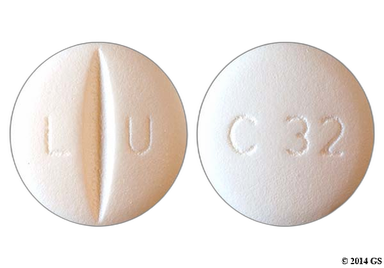
ethambutol
Ethambutol, also known by its brand name Myambutol, is an antibiotic that's used to treat tuberculosis (TB) for people over 13 years old. It's taken with other TB antibiotics as part of a first-choice treatment plan. Ethambutol (Myambutol) works by stopping TB bacteria from growing and surviving. Your dose is based on your body weight. In general, this antibiotic is taken by mouth once a day. Ethambutol (Myambutol) can cause vision problems as a side effect. You'll need to get your eyes checked periodically while you're taking this medication.


What is Ethambutol (Myambutol)?
What is Ethambutol (Myambutol) used for?
How Ethambutol (Myambutol) works
Ethambutol (Myambutol) is an antibiotic. It stops the bacteria that cause TB from making a strong protective covering. This keeps them from growing and surviving.
Drug facts
| Common Brands | Myambutol |
|---|---|
| Drug Class | Antitubercular agent |
| Controlled Substance Classification | Not a controlled medication |
| Generic Status | Lower-cost generic available |
| Availability | Prescription only |

Side effects of Ethambutol (Myambutol)
The following side effects may get better over time as your body gets used to the medication. Let your healthcare provider know immediately if you continue to experience these symptoms or if they worsen over time.
Common Side Effects
- Blurry vision
- Nausea or vomiting
- Upset stomach
- Stomach pain
- Fever
- Feeling unwell
- Headache
- Dizziness
Less Common Side Effects
- Numbness and tingling of the arm or leg
- Confusion
- Hallucinations (seeing or hearing things that aren't there)
- Gout attack
- Low blood cell counts
- Abnormal lung scan
Ethambutol (Myambutol) serious side effects
Contact your healthcare provider immediately if you experience any of the following.
- Vision problems: blurry vision, color blindness, blind spots in your vision
- Liver injury: fatigue, nausea, loss of appetite, yellowing of the skin and eyes, dark urine, pale stool
- Allergic reaction: skin rash, redness, scaling
The following Ethambutol (Myambutol) side effects have also been reported
Along with its needed effects, a medicine may cause some unwanted effects. Although not all of these side effects may occur, if they do occur they may need medical attention.
Check with your doctor immediately if any of the following side effects occur:
Less common
Chills
pain and swelling of joints, especially big toe, ankle, or knee
tense, hot skin over affected joints
Some side effects may occur that usually do not need medical attention. These side effects may go away during treatment as your body adjusts to the medicine. Also, your health care professional may be able to tell you about ways to prevent or reduce some of these side effects. Check with your health care professional if any of the following side effects continue or are bothersome or if you have any questions about them:
Other side effects not listed may also occur in some patients. If you notice any other effects, check with your healthcare professional.
Call your doctor for medical advice about side effects. You may report side effects to the FDA at 1-800-FDA-1088.

Pros and cons of Ethambutol (Myambutol)
Pros
- One of the main medications used to treat TB
- Can take with or without food
- Taken once a day
Cons
- Must take with other TB antibiotics
- Risk of vision problems
- Not approved for children younger than 13 years old

Pharmacist tips for Ethambutol (Myambutol)

- To treat active TB, you'll need to take ethambutol (Myambutol) with other TB antibiotics. These can include rifampin, pyrazinamide, and isoniazid. These antibiotics work together to help get rid of the infection.
- It's important not to miss any doses of your TB medications, including ethambutol (Myambutol). If you miss doses, the bacteria can become resistant to the antibiotics, making the infection harder to treat. Talk to your prescriber about ways to help you remember to take your medication. They might set up check-ins with you, either in person or through video chat, to make sure you take your dose each day.
- You can take ethambutol (Myambutol) with or without food. If it upsets your stomach, try taking it with food next time to help lessen this side effect.
- Ethambutol (Myambutol) can cause vision problems. Call your prescriber or eye specialist right away if you notice changes in your vision. This can include blurry vision, blind spots, or trouble telling colors apart.
- Make sure to go to your eye exams on time while you're taking ethambutol (Myambutol). Since this medication can affect your vision, your eye specialist needs to periodically check that your eyes are okay.
- Don't take antacids that have aluminum hydroxide in them within 4 hours of taking ethambutol (Myambutol). Examples of these antacids include Mylanta and Maalox. They can lessen how much ethambutol (Myambutol) gets absorbed into the body. This can make the antibiotic work less well.

Risks and warnings for Ethambutol (Myambutol)
Ethambutol (Myambutol) can cause some serious health issues. This risk may be even higher for certain groups. If this worries you, talk to your doctor or pharmacist about other options.
Vision problems
- Risk factors: History of vision problems
Ethambutol (Myambutol) can affect your vision. It can cause swelling in the optic nerve (an important part of the eye for vision). This condition is called optic neuritis.
Side effects can include blurry vision, color blindness, and blind spots. Changes in vision can happen in one eye or both. Vision usually gets better over weeks to months after you stop the medication. But in rare cases, vision problems can be permanent.
Ethambutol (Myambutol) isn't recommended for people who already have eye problems. This includes people with cataracts, eye inflammation, optic neuritis, or vision problems from diabetes.
You'll need regular eye exams to check your vision while taking ethambutol (Myambutol). Let your prescriber or eye specialist know right away if you have blurry vision, more blind spots, or trouble telling colors apart.
Liver injury
Some people who've taken ethambutol (Myambutol) have had liver problems. In some cases, they were life-threatening. Before you start treatment, you'll need lab work done to check your liver health. Then, you'll also need regular blood tests while you're taking the medication.
Tell your prescriber right away if you have a fever, loss of appetite, nausea, vomiting, dark urine, or yellowing of your eyes or skin. This could be signs of liver damage.

Ethambutol (Myambutol) dosage


Interactions between Ethambutol (Myambutol) and other drugs
Although certain medicines should not be used together at all, in other cases two different medicines may be used together even if an interaction might occur. In these cases, your doctor may want to change the dose, or other precautions may be necessary. When you are taking this medicine, it is especially important that your healthcare professional know if you are taking any of the medicines listed below. The following interactions have been selected on the basis of their potential significance and are not necessarily all-inclusive.
Using this medicine with any of the following medicines may cause an increased risk of certain side effects, but using both drugs may be the best treatment for you. If both medicines are prescribed together, your doctor may change the dose or how often you use one or both of the medicines.
- Aluminum Distearate
- Aluminum Hydroxide
- Dihydroxyaluminum Aminoacetate
- Dihydroxyaluminum Sodium Carbonate
- Magaldrate

How much does Ethambutol (Myambutol) cost?

Ethambutol (Myambutol) contraindications
Contraindications are specific health conditions or situations in which a person should not take a medication due to safety concerns. If you have any of the following conditions or if any of the following apply to you, let your healthcare provider know because Ethambutol (Myambutol) will not be safe for you to take.
- Known inflammation of the optic nerve (optic neuritis)
- Can't spot the signs and tell someone about any vision problems or other changes in vision

What are alternatives to Ethambutol (Myambutol)?

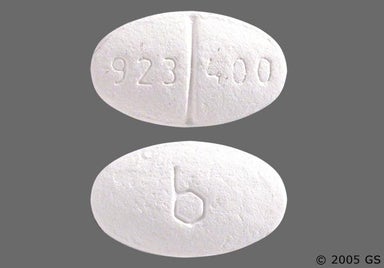
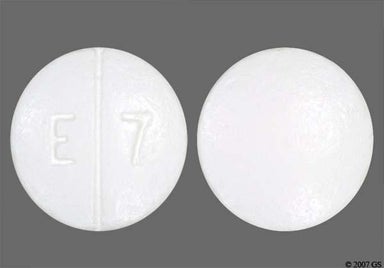
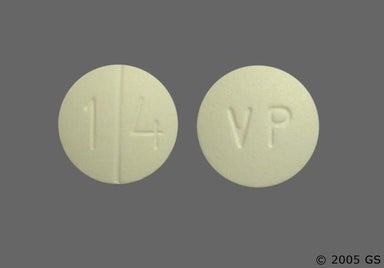
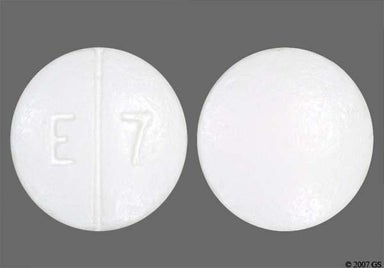
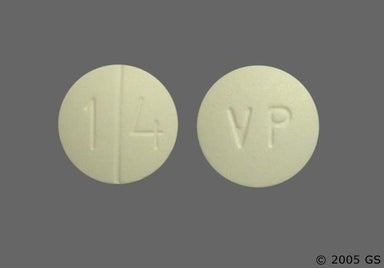
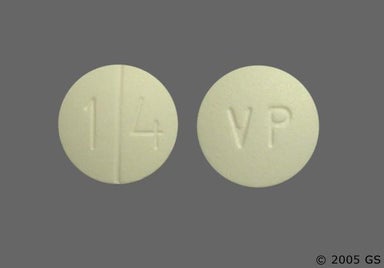
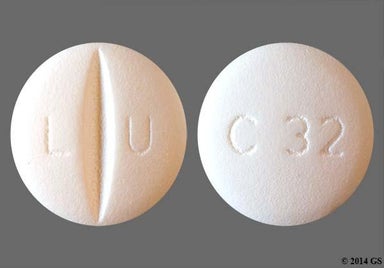
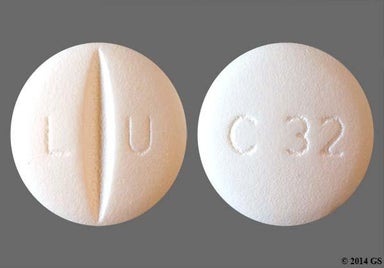
Ethambutol (Myambutol) images