




10 Statin Side Effects You Should Know About
Statins are usually the first-choice medication for high cholesterol. Learn about potential side effects of statin drugs like Lipitor, Crestor, Zocor, and more.
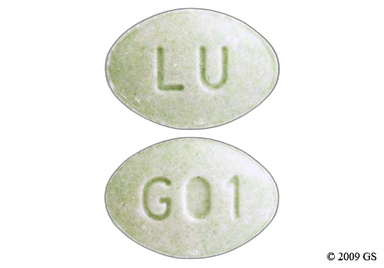
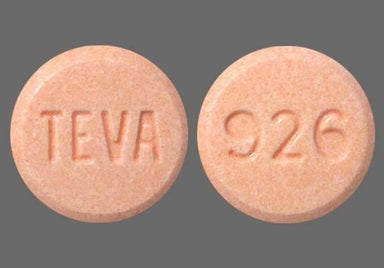
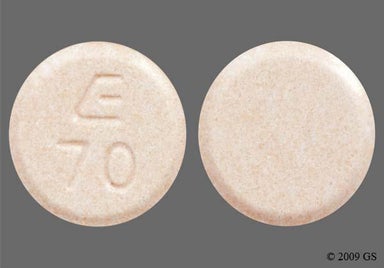
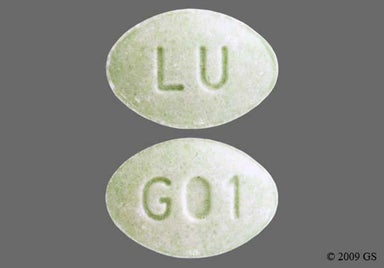
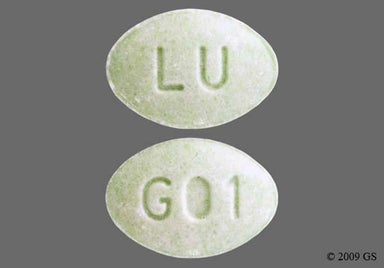
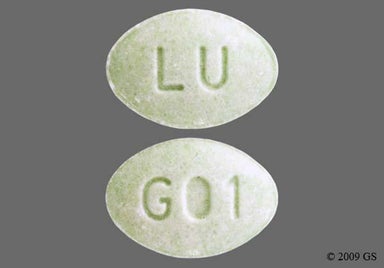
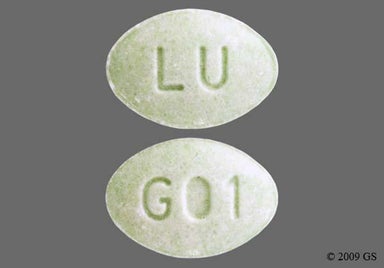
Lovastatin is a low-to-moderate intensity statin that's taken once or twice per day. It's used to lower cholesterol in certain adults and children ages 10 years and older to help prevent heart attack or stroke. This medication lowers your "bad" cholesterol (LDL) and triglycerides (a type of fat) levels. It can also raise your "good" cholesterol (HDL). Follow a heart-healthy diet and get regular exercise while you're taking lovastatin so the medication can work as best as possible. Lovastatin side effects include stomach upset and headache.

Lovastatin is a statin. It works by blocking a protein in your liver that makes cholesterol. This lowers the amount of "bad" cholesterol (called low-density lipoprotein, or LDL) in your blood. This medication might also help raise your "good" cholesterol (called high-density lipoprotein, or HDL) levels and lower your triglyceride levels. As a result, lovastatin helps lower the risk of coronary artery disease, heart attack, and stroke.
| Common Brands | Mevacor |
|---|---|
| Drug Class | Statin |
| Controlled Substance Classification | Not a controlled medication |
| Generic Status | Lower-cost generic available |
| Availability | Prescription only |

The following side effects may get better over time as your body gets used to the medication. Let your healthcare provider know immediately if you continue to experience these symptoms or if they worsen over time.
Contact your healthcare provider immediately if you experience any of the following.
Along with its needed effects, a medicine may cause some unwanted effects. Although not all of these side effects may occur, if they do occur they may need medical attention.
Check with your doctor immediately if any of the following side effects occur:
Less common
Bladder pain
bloody or cloudy urine
chest tightness
dark urine
difficult, burning, or painful urination
difficulty with moving
frequent urge to urinate
headache
joint pain or swelling
lower back or side pain
muscle ache, cramp, spasm, stiffness, pain, tenderness, or weakness
pain or tenderness around the eyes and cheekbones
stuffy or runny nose
swollen joints
trouble breathing
unusual tiredness or weakness
Incidence not known
chills
difficulty swallowing
dizziness
fast heartbeat
general tiredness and weakness
indigestion
light-colored stools
loss of appetite
pains in the stomach, side, or abdomen, possibly radiating to the back
puffiness or swelling of the eyelids or around the eyes, face, lips, or tongue
red skin lesions, often with a purple center
red, irritated eyes
sores, ulcers, or white spots in the mouth or on the lips
upper right abdominal or stomach pain
vomiting
yellow eyes or skin
Some side effects may occur that usually do not need medical attention. These side effects may go away during treatment as your body adjusts to the medicine. Also, your health care professional may be able to tell you about ways to prevent or reduce some of these side effects. Check with your health care professional if any of the following side effects continue or are bothersome or if you have any questions about them:
Less common
Belching
bloated or full feeling
blurred vision
difficulty having a bowel movement
dizziness
excess air or gas in the stomach or bowels
lack or loss of strength
passing gas
stomach discomfort, upset, or pain
Incidence not known
Burning, crawling, itching, numbness, prickling, "pins and needles", or tingling feelings
change in taste
changes to the hair or nails
confusion
decreased interest in sexual intercourse
discoloration or dryness of the skin or mucous membrane
false sense of well-being
fear or nervousness
feeling of constant movement of self or surroundings
forgetfulness
inability to have or keep an erection
loss in sexual ability, desire, drive, or performance
loss of libido
memory loss
mood swings
partial or slight paralysis of the face
personality changes
sensation of spinning
swelling of the breasts or breast soreness in both females and males
trouble sleeping
unsteadiness or awkwardness
weakness in the arms, hands, legs, or feet
white area over the eye
Other side effects not listed may also occur in some patients. If you notice any other effects, check with your healthcare professional.
Call your doctor for medical advice about side effects. You may report side effects to the FDA at 1-800-FDA-1088.




Lovastatin can cause some serious health issues. This risk may be even higher for certain groups. If this worries you, talk to your doctor or pharmacist about other options.
Lovastatin can cause a rare, but serious and life-threatening muscle problem called rhabdomyolysis. If severe, this muscle problem can lead to kidney injury. Your risk for rhabdomyolysis is higher if you take other medications that can either raise the levels of lovastatin in your body or also cause muscle damage. Stop lovastatin and get medical attention right away if you notice any symptoms of rhabdomyolysis, such as severe muscle pain, tenderness, or weakness; dark-colored urine; and tiredness.
In some rare cases, statins like lovastatin can cause immune-mediated necrotizing myopathy (IMNM), an autoimmune condition that causes muscle inflammation and muscle weakness. This muscle problem might continue even if you stop taking the statin. If you develop IMNM, you'll need to stop the statin and you might need to take additional medications to dampen down your immune system.
Some people who took lovastatin had changes to the liver enzyme levels in their blood, which can sometimes suggest liver damage. These changes can start to appear within the first year of treatment. Rarely, serious liver problems leading to liver failure have happened.
You might need to get blood tests to check your liver health before and during treatment to make sure your liver is working properly. Get medical attention right away if you notice yellowing of your skin or the whites of your eyes; swelling of your stomach; stomach pain; nausea; vomiting; stool changes (black, tarry, or bloody stools); or dark or brown urine. You might need to stop using the medication to prevent further liver damage.
Some research suggests that statins like lovastatin might raise blood sugar levels, which can lead to higher hemoglobin A1C levels. But healthcare providers believe that the benefits of statins outweigh this risk. Tell your provider if you have diabetes or high blood sugar before you start lovastatin. You might need to check your blood sugar more often. Also, follow a healthy, balanced diet and do regular exercise while you're taking lovastatin.
Lovastatin isn't recommended for use during pregnancy or breastfeeding for most people. This medication can possibly cause harm to unborn and breastfed babies. Talk to your provider about the safest options for you if you're pregnant, thinking of becoming pregnant, or breastfeeding.

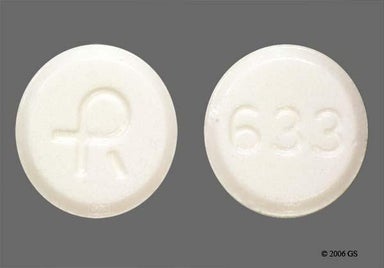
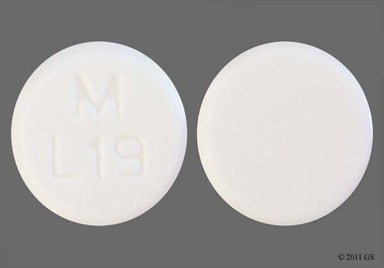
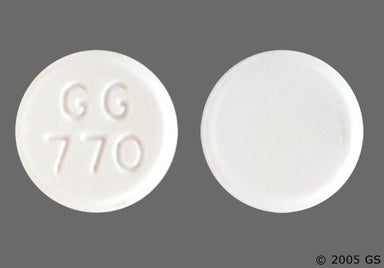
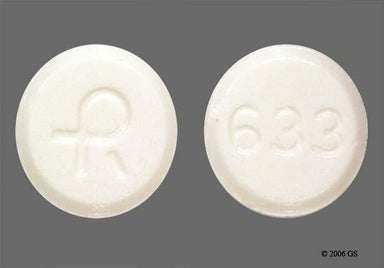
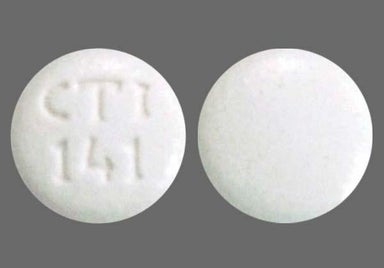
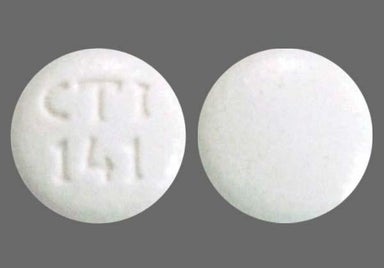
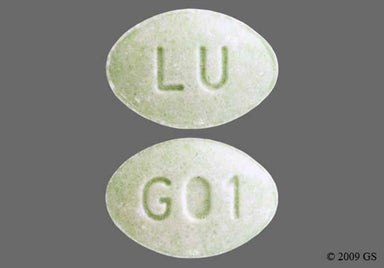
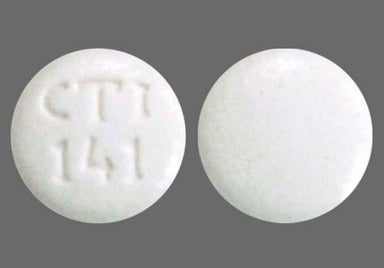
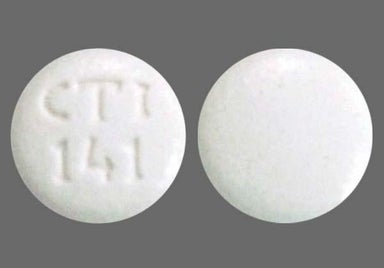
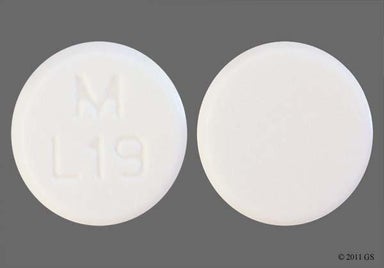
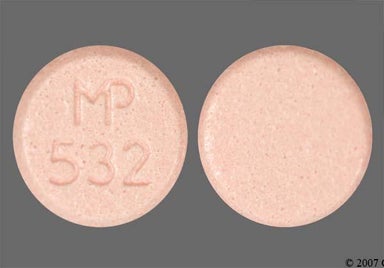
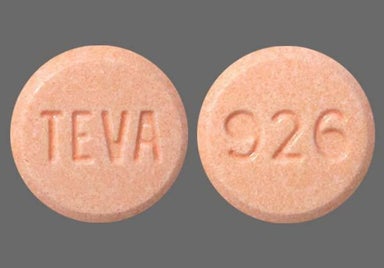
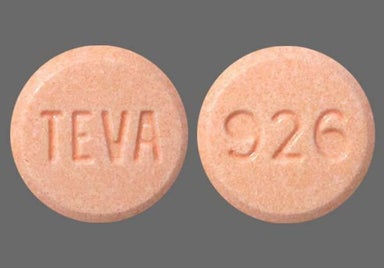
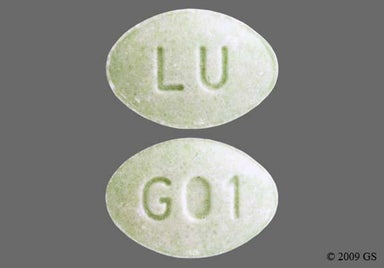
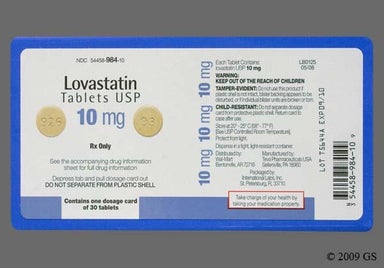
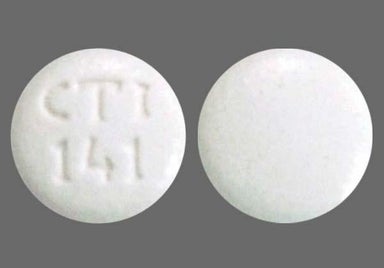
 Tablet
| Dosage | Quantity | Price as low as | Price per unit |
|---|---|---|---|
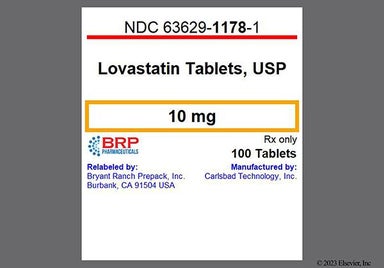
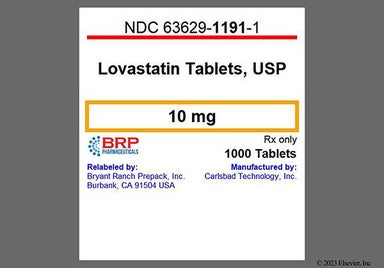
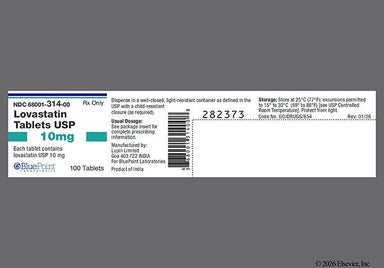
| 10mg | 30 tablets | $13.81 | $0.46 |
| 20mg | 90 tablets | $20.07 | $0.22 |
| 40mg | 90 tablets | $20.93 | $0.23 |
During treatment, your provider might change your dose depending on your cholesterol levels, your kidney function, any side effects you have, and the other medications you're taking (if they interact with lovastatin).

Although certain medicines should not be used together at all, in other cases two different medicines may be used together even if an interaction might occur. In these cases, your doctor may want to change the dose, or other precautions may be necessary. When you are taking this medicine, it is especially important that your healthcare professional know if you are taking any of the medicines listed below. The following interactions have been selected on the basis of their potential significance and are not necessarily all-inclusive.
Using this medicine with any of the following medicines is not recommended. Your doctor may decide not to treat you with this medication or change some of the other medicines you take.
Using this medicine with any of the following medicines is usually not recommended, but may be required in some cases. If both medicines are prescribed together, your doctor may change the dose or how often you use one or both of the medicines.
Using this medicine with any of the following medicines may cause an increased risk of certain side effects, but using both drugs may be the best treatment for you. If both medicines are prescribed together, your doctor may change the dose or how often you use one or both of the medicines.


Contraindications are specific health conditions or situations in which a person should not take a medication due to safety concerns. If you have any of the following conditions or if any of the following apply to you, let your healthcare provider know because Lovastatin will not be safe for you to take.











Prescription savings
Stop paying too much for your prescriptions. Compare prices, get pharmacy coupons, and save up to 80%. Find expert answers to your health questions so you can make the best decisions for yourself and your family.
Health conditions
Medications & treatment
Access & affordability
Medication discounts


Statins like Lovastatin can cause muscle pain and aches. But they can also cause a rare yet life-threatening muscle problem called rhabdomyolysis. It can eventually lead to kidney injury if not treated in time. Go to a hospital right away if you have severe muscle pain, muscle tenderness or weakness, or dark-colored urine, especially if you also feel tired or unwell.
Yes, muscle aches can happen in people who take Lovastatin, but it's typically not too common. In clinical studies, only up to 3% of people taking Lovastatin reported muscle pain. Muscle pain can happen at any time during treatment with this medication. Talk to your provider if your muscle pain is too bothersome. Your provider can recommend possible solutions, such as lowering your dose or change how often you take Lovastatin (e.g., every other day instead of daily). Or your provider might switch you to a different statin; you might not get muscle pain from a different statin just because you got muscle pain from Lovastatin.
Weight gain wasn't a reported side effect from people who took Lovastatin in clinical studies. Talk to your care team if you notice weight gain after starting Lovastatin. They can help figure out what might be causing you to gain weight. Also keep in mind that cholesterol medications will work well only when you follow lifestyle changes, such as a cholesterol-friendly diet and an exercise routine that includes cardio and strength training).
No, coughing isn't a typical side effect from statins like Lovastatin. Talk to your provider if you develop a cough that isn't getting better or going away. You might need to be examined for a more serious medical issue.
No, Lovastatin isn't a blood thinner and it doesn't raise your risk for bleeding. Lovastatin is a statin that's used to lower your cholesterol levels. But it's common for some people to take Lovastatin and a blood thinner together in certain situations. For example, a statin and a blood thinner like aspirin or clopidogrel (Plavix) are typically prescribed together after a heart attack or stroke. The statin helps prevent cholesterol buildup in the blood vessels, and the blood thinner helps stop blood clots from forming.
No, you shouldn't crush or chew Lovastatin tablets. Talk to your provider if you're having trouble swallowing the tablets whole. You'll need to switch to a different cholesterol medication.
No. Lovastatin and atorvastatin (Lipitor) are statins that share many similarities, but they're two completely different medications. Atorvastatin (Lipitor) is a moderate-to-high intensity statin, whereas Lovastatin is considered a low-to-moderate intensity statin. This means that atorvastatin (Lipitor) is able to lower cholesterol levels more than Lovastatin. Your provider will decide which statin is right for you depending on how much your cholesterol levels need to be lowered, among some other factors.
Limit the amount of alcohol you drink while you're taking Lovastatin. This is because alcohol can raise your risk of serious liver problems with Lovastatin. It's best to avoid alcohol if you need to take Lovastatin and have liver problems. Ask your provider what's a safe amount of alcohol to drink while you're taking this medication.
