


Latuda (Lurasidone) Dosages: Your GoodRx Guide
Read on for Latuda (lurasidone) dosage information, including typical dosage, adjustments for health conditions, and what to do if you miss a dose.
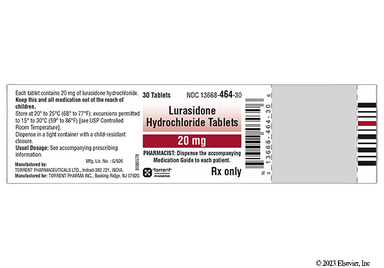
Latuda, also known by its generic name lurasidone, is a type of atypical antipsychotic. It's used to treat schizophrenia in adults and teens. It can also help with depression from bipolar disorder in people 10 years and older. Latuda (lurasidone) comes as a tablet that you swallow whole once a day with food (at least 350 calories). The most common side effect is sleepiness. This medication isn't likely to cause weight gain. Latuda (lurasidone) is available as brand-name and generic versions.

Latuda (lurasidone) is an atypical antipsychotic. It's not exactly known how it works to help with schizophrenia and bipolar depression.
Researchers think it balances out how much dopamine and serotonin is in your brain. These chemicals play a role in helping to control your thoughts, mood, and behaviors.
| Common Brands | Latuda |
|---|---|
| Drug Class | Atypical antipsychotic |
| Controlled Substance Classification | Not a controlled medication |
| Generic Status | Lower-cost generic available |
| Availability | Prescription only |

The following side effects may get better over time as your body gets used to the medication. Let your healthcare provider know immediately if you continue to experience these symptoms or if they worsen over time.
Contact your healthcare provider immediately if you experience any of the following.
Along with its needed effects, a medicine may cause some unwanted effects. Although not all of these side effects may occur, if they do occur they may need medical attention.
Check with your doctor immediately if any of the following side effects occur:
More common
Absence of or decrease in body movement
difficulty with swallowing
inability to sit still
incremental or ratchet-like movement of the muscle
loss of balance control
mask-like face
muscle discomfort
muscle trembling, jerking, or stiffness
need to keep moving
restlessness
rigid or stiff muscles
shakiness in the legs, arms, hands, or feet
shuffling walk
slow movements
slow reflexes
slurred speech
stiffness of the arms and legs
tic-like (jerky) movements of the head, face, mouth, and neck
trembling or shaking of the hands or feet
twisting movements of the body
uncontrolled movements, especially of the face, neck, and back
Less common
Arm, back, or jaw pain
blurred vision
burning while urinating
changes in patterns and rhythms of speech
chest pain or discomfort
chills
cold sweats
confusion
difficult or painful urination
difficulty opening the mouth
difficulty with breathing
dizziness
dizziness, faintness, or lightheadedness when getting up from a lying or sitting position
fast, pounding, or irregular heartbeat or pulse
fixed position of the eye
headache
high fever
inability to move the eyes
inability to speak
increased blinking or spasms of the eyelid
increased sweating
lockjaw
loss of bladder control
muscle spasm, especially of the neck and back
nervousness
pale skin
pounding in the ears
seizures
severe muscle stiffness
severe or sudden headache
slow or fast heartbeat
slurred speech
sticking out of the tongue
sweating
temporary blindness
tiredness
trouble with breathing, speaking, or swallowing
troubled breathing with exertion
uncontrolled twisting movements of the neck, trunk, arms, or legs
unusual bleeding or bruising
unusual facial expressions
unusual tiredness or weakness
unusually pale skin
weakness in the arm or leg on one side of the body, sudden and severe
Rare
Black, tarry stools
bloody urine
breast pain or swelling
dark-colored urine
decreased frequency or amount of urine
increased thirst
large, hive-like swelling on the face, eyelids, lips, tongue, throat, hands, legs, feet, or sex organs
loss of appetite
lower back or side pain
muscle cramp, pain, or stiffness
sores, ulcers, or white spots on the lips or in the mouth
swelling of the face, fingers, or lower legs
swollen glands
vomiting
Some side effects may occur that usually do not need medical attention. These side effects may go away during treatment as your body adjusts to the medicine. Also, your health care professional may be able to tell you about ways to prevent or reduce some of these side effects. Check with your health care professional if any of the following side effects continue or are bothersome or if you have any questions about them:
More common
belching
drowsiness
hyperventilation
indigestion
irritability
relaxed and calm feeling
sleepiness or unusual drowsiness
stomach discomfort, upset, or pain
trouble sleeping
unusually deep sleep
unusually long duration of sleep
Less common
Abnormal dreams
back pain
blurred vision
burning feeling in the chest or stomach
decreased appetite
feeling of constant movement of self or surroundings
indigestion
sensation of spinning
sweating
tenderness in the stomach area
watering of mouth and drooling
Rare
Decreased interest in sexual intercourse
inability to have or keep an erection
loss in sexual ability, desire, drive, or performance
unexpected or excess milk flow from the breasts
Other side effects not listed may also occur in some patients. If you notice any other effects, check with your healthcare professional.
Call your doctor for medical advice about side effects. You may report side effects to the FDA at 1-800-FDA-1088.




Latuda (lurasidone) can cause some serious health issues. This risk may be even higher for certain groups. If this worries you, talk to your doctor or pharmacist about other options.
 Studies show that medications for depression, including Latuda (lurasidone), can raise the risk that you could have thoughts of suicide or harming yourself. The risk is highest in children and young adults under 25.
 Watch for changes in behaviors and depression symptoms while taking Latuda (lurasidone). This is most important during the first few months of treatment and when your dose changes. Tell your prescriber if your depression gets worse. Call 911 right away if you or someone else notices that you start thinking about or acting like you want to hurt yourself.
People 65 years and older with dementia can sometimes see, hear, or believe things that aren't real. This is called dementia-related psychosis. Studies show that older adults with this problem taking antipsychotic medications like Latuda (lurasidone) have a higher risk of stroke or death. Most of the time, these deaths were from heart problems or infections.
Because of this risk, Latuda (lurasidone) is not approved for older adults with dementia-related psychosis. Tell your prescriber if you have dementia before starting this medication. Caregivers should also tell the prescriber if the person they care for has dementia.
Antipsychotic medications like Latuda (lurasidone) have been linked to a rare but serious problem called neuroleptic malignant syndrome (NMS). Get medical help as soon as you can if you have signs of NMS. They can include a high fever, a lot of sweating, stiff muscles, an uneven heartbeat, and confusion. You might have to stop taking Latuda (lurasidone) to treat these symptoms.
Antipsychotics like Latuda (lurasidone) can cause movements you can't control. This is called tardive dyskinesia. It can look like face twitching, mouth movements, and sticking out your tongue. Other examples include rocking back and forth or swinging your arms.
The risk for these movement problems, and for them to become permanent, goes up if you take the medication for a long time or at a high dose. To help lower the risk, your prescriber will give you the lowest dose for the shortest time needed.
If you notice any unusual movements you can't control, stop taking Latuda (lurasidone) and call your prescriber right away.
Some people taking Latuda (lurasidone) might have higher blood sugar. Tell your prescriber if you or a family member has diabetes. You might need to check your blood sugar more often. Tell them if it stays higher than usual. Also watch for signs like feeling very thirsty, hungry, or needing to urinate more often. These could be signs that your blood sugar is high.
Antipsychotics like Latuda (lurasidone) might also make your cholesterol and triglycerides go up. Get blood tests done when your prescriber tells you. This helps keep track of your cholesterol.
In addition, some people might gain a little weight while taking Latuda (lurasidone). But gaining weight is usually less likely with this medication than some other antipsychotics. Try to eat balanced, nutritious meals and stay active. If you're worried about your weight, talk to your prescriber or primary care provider.
Latuda (lurasidone) can make your blood pressure drop when you stand up. This can make you feel dizzy, lightheaded, and faint. These effects can make you lose your balance, leading to falls or accidental injuries.
The risk is higher for older adults. It's also greatest when you first start Latuda (lurasidone) and when you switch to a higher dose.
Make sure to get up slowly and hold onto something when you stand after sitting or lying down. If you feel dizzy, sit back down until you feel better. Call your prescriber if you feel too dizzy or if you fall while taking Latuda (lurasidone).
Latuda (lurasidone) can make you very sleepy, which can raise your risk of falls. It can also make it hard to think, pay attention, and react quickly.
Your risk of these side effects is higher if you also take other medications that make you sleepy. Examples include benzodiazepines, opioid medications, and muscle relaxants.
These side effects can make driving or doing other things dangerous. Be sure you know how Latuda (lurasidone) affects you before doing anything that needs your full attention. Tell your prescriber if it makes you too sleepy and it's hard to go about your daily life.
Latuda (lurasidone) can raise your prolactin levels. When your prolactin levels are high, it can cause milky discharge from the nipple and larger breasts. You might also have irregular menstrual periods or sexual dysfunction. Talk to your prescriber if you notice any of these symptoms while taking Latuda (lurasidone).
Some people who took antipsychotics like Latuda (lurasidone) had a drop in their white blood cell counts. White blood cells are important for fighting off germs. So when you have a low white blood cell count, it can put you at risk of getting infections.
People who already have a low white blood cell count might need blood tests often during the first few months of treatment. This helps the care team check that your blood cell count is okay. If it drops too much, you'll probably need to stop taking Latuda (lurasidone).
Call your care team right away if you have any signs of infection while taking Latuda (lurasidone). Watch for signs like fever, tiredness, chills, cough, and trouble breathing.
Latuda (lurasidone) might raise the risk of seizures in certain people. Tell your prescriber if you've had a seizure before or have a medical condition makes seizures more likely to happen. They can help you decide if Latuda (lurasidone) is right for you. Call for medical help if you have a seizure.
Although rare, taking Latuda (lurasidone) for bipolar depression can raise the risk of having a manic episode. It can look like having high energy and acting recklessly. You might also have racing thoughts or ideas, be more talkative, or speak faster than usual. Call your prescriber right away if you or someone else notices any strange changes in the way you act while you're taking this medication.
People who have Parkinson's disease or Lewy body dementia might be more sensitive to medications like Latuda (lurasidone). This means they're more likely to have side effects from the medication. They're more likely to feel confused. They could also be unsteady on their feet and have problems moving their body. This can raise the risk of falls. They could also be more likely to have signs of neuroleptic malignant syndrome. Get medical help right away if you or your family notices these side effects while you're taking Latuda (lurasidone).

 Tablet
| Dosage | Quantity | Price as low as | Price per unit |
|---|---|---|---|
| 20mg | 30 tablets | $18.36 | $0.61 |
| 40mg | 30 tablets | $20.37 | $0.68 |
| 60mg | 30 tablets | $17.58 | $0.59 |
| 80mg | 30 tablets | $22.50 | $0.75 |
| 120mg | 30 tablets | $27.62 | $0.92 |
Take Latuda (lurasidone) once a day with at least 350 calories of food.
Schizophrenia
Depression from bipolar disorder
In general, your prescriber will adjust your dose based on how well it's working for you and if you have bothersome side effects.
To keep you safe, your prescriber will also change your dose if you have kidney or liver problems. Another reason they might adjust the dose is if you take a medication that interacts with Latuda (lurasidone).

Although certain medicines should not be used together at all, in other cases two different medicines may be used together even if an interaction might occur. In these cases, your doctor may want to change the dose, or other precautions may be necessary. When you are taking this medicine, it is especially important that your healthcare professional know if you are taking any of the medicines listed below. The following interactions have been selected on the basis of their potential significance and are not necessarily all-inclusive.
Using this medicine with any of the following medicines is not recommended. Your doctor may decide not to treat you with this medication or change some of the other medicines you take.
Using this medicine with any of the following medicines is usually not recommended, but may be required in some cases. If both medicines are prescribed together, your doctor may change the dose or how often you use one or both of the medicines.


Contraindications are specific health conditions or situations in which a person should not take a medication due to safety concerns. If you have any of the following conditions or if any of the following apply to you, let your healthcare provider know because Latuda (lurasidone) will not be safe for you to take.













Prescription savings
Stop paying too much for your prescriptions. Compare prices, get pharmacy coupons, and save up to 80%. Find expert answers to your health questions so you can make the best decisions for yourself and your family.
Health conditions
Medications & treatment
Access & affordability
Medication discounts


We don't exactly know when Latuda starts to work. This is because it can be different for everyone. In general, studies show that the medication helps with schizophrenia and bipolar depression by 6 weeks of treatment. One study found that it could start to help with bipolar depression within 2 weeks. But remember, each person can have a different experience with Latuda. Keep taking the medication exactly as prescribed, even if you don't feel better right away. If you're not sure Latuda is working for you, talk to your prescriber.
Stopping Latuda too suddenly can cause withdrawal symptoms. It can make you have stomach upset and headaches. You also might have movement issues and trouble sleeping. This can be uncomfortable. Also, symptoms like hallucinations, delusions, and depression might come back or get worse. Make sure to take Latuda exactly as prescribed. If you want to stop the medication, talk to your prescriber. If it's the right choice for you, they'll slowly lower your dose over time before completely stopping taking the medication. Follow their instructions carefully.
It's possible to gain weight while taking Latuda. But the risk appears to be quite low compared to some other antipsychotics. And if it happens, it's usually not by much. In studies, people who took Latuda gained only an average of about 1 pound over 6 weeks. In general, follow a nutritious diet and stay active while taking Latuda. This helps you stay healthy. Talk to your prescriber if you're worried about your weight during treatment.
Yes, feeling sleepy is one of the most common side effects of Latuda. But some people can also have trouble sleeping while they're taking this medication. So, when you first start Latuda, see if and how it affects your sleep. Talk to your prescriber if it's making you too sleepy or interrupting your sleep. Your prescriber makes changes to your dose or suggest a better time of day for you to take it to help.
No. Latuda isn't a controlled substance. It doesn't have a known risk of addiction, misuse, or dependence.
It's not recommended to drink alcohol while taking Latuda. Alcohol can worsen symptoms of your mental health condition. And it can worsen side effects of the medication, like nausea, sleepiness, and dizziness. Talk to your prescriber about how much you usually drink. If you need help not to drink, your care team can give you resources to help.
There are certain medications that you shouldn't take with Latuda. Some can make the amount of Latuda in your body go very high. This raises your risk of dangerous and serious side effects. Examples include ketoconazole, voriconazole, clarithromycin, and ritonavir. Other medications, like rifampin, phenytoin, and carbamazepine, do the opposite. They can make the amount of Latuda in your body go down. This can make your antipsychotic not work well. Tell your care team about all the medications and supplements you take or plan to take. They can check for drug interactions and make changes to your treatment plan to keep you safe if needed.
If you're pregnant or thinking about getting pregnant, talk to your prescriber or obstetrician-gynecologist (OB-GYN). They can explain the risks and benefits of taking Latuda. Some studies say that atypical antipsychotics might not raise the risk of miscarriage or birth defects. But it could cause problems for mothers, like gestational diabetes. Also, taking these medications late in pregnancy can make muscle problems and distress more likely to happen in newborns. But not taking your medication might also cause your condition to get worse. If you take Latuda, your prescriber might suggest joining a pregnancy registry. This special program helps researchers learn more about taking antipsychotics like Latuda during pregnancy.
